Blockchain for Data Security: 5 U.S. Industries Adopting Decentralized Ledgers by 2026
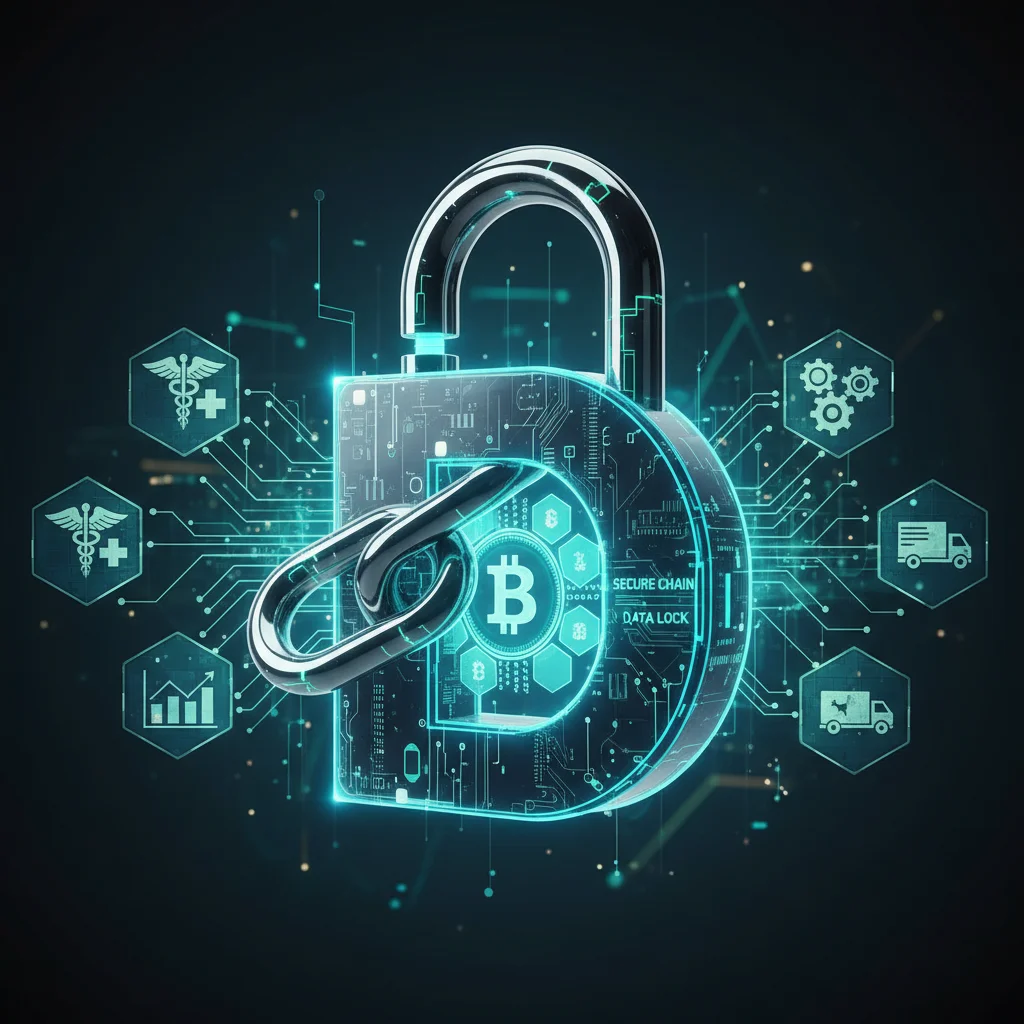
In an era defined by incessant digital transformation, the imperative of robust data security has never been more pronounced. As organizations grapple with an escalating barrage of cyber threats, the conventional paradigms of data protection often fall short. Enter blockchain technology, a revolutionary decentralized ledger system that promises to fundamentally alter the landscape of data security. Far from being merely the backbone of cryptocurrencies, blockchain’s inherent characteristics – immutability, transparency, and decentralization – offer a compelling solution to many of the data security challenges plaguing modern industries. This comprehensive article will explore the burgeoning adoption of blockchain for data security across five pivotal U.S. industries, projecting its transformative impact by the year 2026. We will delve into the specific pain points each industry faces and how decentralized ledgers are poised to provide unparalleled levels of data integrity, privacy, and resilience.
The digital age has ushered in an unprecedented volume of data, often referred to as the ‘new oil.’ However, unlike oil, data is intangible, constantly flowing, and notoriously difficult to secure. Traditional centralized databases present single points of failure, making them attractive targets for malicious actors. A breach in such a system can lead to catastrophic consequences, including financial losses, reputational damage, and erosion of public trust. Blockchain, by distributing data across a network of nodes and securing it with cryptographic principles, eliminates these central vulnerabilities. Each transaction, or ‘block,’ is time-stamped and linked to the previous one, forming an immutable chain. Any attempt to tamper with a block would require altering all subsequent blocks, an computationally infeasible task. This intrinsic security model makes blockchain an ideal candidate for safeguarding highly sensitive information.
The U.S. economy, a vibrant tapestry of diverse sectors, is increasingly recognizing the strategic advantage offered by blockchain’s security features. From protecting patient records in healthcare to ensuring the integrity of financial transactions, and from verifying product origins in supply chains to securing government records and streamlining real estate transactions, the potential applications are vast and varied. Our exploration will highlight how these industries are not just experimenting with blockchain but are actively integrating it into their core operations to build more secure, transparent, and trustworthy digital ecosystems. By 2026, we anticipate a significant shift, with blockchain moving from a niche technology to a foundational element of their data security infrastructure.
The Foundations of Blockchain Data Security
Before diving into industry specifics, it’s crucial to understand the core principles that make blockchain a formidable tool for data security. At its heart, blockchain is a distributed ledger technology (DLT) that maintains a continuously growing list of records, called blocks, which are linked and secured using cryptography. Each block contains a cryptographic hash of the previous block, a timestamp, and transaction data. This structure inherently makes the data tamper-proof and transparent to all participants in the network.
Immutability: The Unchangeable Record
One of blockchain’s most celebrated features is its immutability. Once data is recorded on a blockchain, it cannot be altered or deleted. This is achieved through cryptographic hashing. Every block contains a hash of the previous block, creating a digital fingerprint. If even a single piece of data within a block is changed, its hash will change, thereby invalidating the hash in the subsequent block and breaking the chain. This makes any unauthorized modification immediately detectable and virtually impossible to execute covertly. For industries dealing with critical records, such as legal documents, medical histories, or financial transactions, this immutability provides an unparalleled level of data integrity and auditability.
Decentralization: Eliminating Single Points of Failure
Unlike traditional centralized databases, where a single server or entity controls all data, blockchain operates on a decentralized network. Data is replicated and distributed across numerous nodes. This means there’s no single point of failure that a hacker can target to compromise the entire system. Even if some nodes are compromised, the integrity of the overall network remains intact because the majority of nodes must agree on the validity of any transaction (consensus mechanism). This distributed architecture significantly enhances resilience against cyberattacks and data loss.
Cryptography: The Shield of Privacy
Cryptography is fundamental to blockchain’s security. Public-key cryptography is used to secure transactions and verify identities. Each participant has a pair of keys: a public key that can be shared and a private key that must be kept secret. Transactions are digitally signed with a private key, proving their authenticity and origin. This ensures that only authorized individuals can initiate specific actions or access certain data, depending on the blockchain’s design. While the ledger itself can be transparent, the actual data within transactions can be encrypted or anonymized to protect sensitive information, offering a balance between transparency and privacy, often through techniques like zero-knowledge proofs.
Consensus Mechanisms: Ensuring Agreement and Trust
For a decentralized network to function, all participants must agree on the state of the ledger. This is achieved through consensus mechanisms, such as Proof of Work (PoW) or Proof of Stake (PoS). These mechanisms ensure that all transactions are validated and agreed upon by a majority of the network’s nodes before being added to the blockchain. This collective validation process prevents fraudulent transactions and maintains the integrity of the entire system, fostering trust among participants who may not inherently trust each other.
With these foundational principles in mind, let’s explore how these powerful security attributes are being leveraged across various U.S. industries.
1. Healthcare: Securing Patient Data and Interoperability
The healthcare industry is a prime target for cyberattacks due to the highly sensitive and valuable nature of patient data. Electronic Health Records (EHRs) contain a wealth of personal information, from medical histories and diagnoses to insurance details and financial data. Breaches in healthcare can lead to identity theft, medical fraud, and severe privacy violations. The fragmented nature of healthcare data, often siloed across different providers and systems, also creates significant challenges for interoperability and secure data sharing.
Blockchain’s Role in Healthcare Data Security
By 2026, blockchain is anticipated to play a critical role in addressing these challenges. Its immutable ledger can create a secure, tamper-proof record of patient data, ensuring that medical histories, prescriptions, and test results cannot be altered without detection. This enhances data integrity and provides a reliable audit trail for compliance purposes, particularly with regulations like HIPAA.
Furthermore, blockchain can facilitate secure and controlled data sharing. Patients could potentially have greater control over their own medical data, granting and revoking access to specific healthcare providers through a private key. This patient-centric approach empowers individuals while ensuring that only authorized parties can view sensitive information. This also addresses the interoperability challenge, as a shared, permissioned blockchain could allow different healthcare institutions to securely exchange relevant patient information, leading to more coordinated and efficient care without compromising privacy.
Use cases extend to drug supply chain verification, preventing counterfeit medications, and streamlining insurance claims processing by providing an immutable record of treatments and approvals. The inherent transparency of blockchain, combined with sophisticated encryption, allows for data to be shared on a ‘need-to-know’ basis, enhancing trust among all stakeholders in the healthcare ecosystem.

2. Financial Services: Enhancing Transaction Security and Fraud Prevention
The financial services sector is perhaps the most obvious candidate for blockchain adoption, given its origins in cryptocurrency. Banks, investment firms, and payment processors deal with massive volumes of highly sensitive financial transactions daily, making them constant targets for fraud, cyberattacks, and data manipulation. The current infrastructure often involves multiple intermediaries, leading to inefficiencies, increased costs, and vulnerabilities.
Blockchain’s Role in Financial Data Security
By 2026, blockchain will be instrumental in transforming financial data security. Its ability to create an immutable and transparent record of every transaction offers unparalleled fraud prevention capabilities. Once a transaction is recorded on the blockchain, it cannot be reversed or altered, significantly reducing the risk of double-spending and other forms of financial fraud. This also simplifies auditing and compliance, as regulators can easily verify the legitimacy of transactions.
Cross-border payments, notorious for their complexity and high fees, can be made faster, cheaper, and more secure through blockchain. By eliminating intermediaries and providing real-time settlement, blockchain reduces the exposure to fraud and operational risks associated with traditional correspondent banking networks. Furthermore, blockchain can enhance Know Your Customer (KYC) and Anti-Money Laundering (AML) processes. By creating a shared, immutable record of verified customer identities, financial institutions can reduce redundant checks and improve the accuracy of identity verification, thereby bolstering security against illicit financial activities.
Decentralized finance (DeFi) platforms, built on blockchain, are also challenging traditional financial models by offering peer-to-peer lending, borrowing, and trading with enhanced security and transparency. While still nascent, the underlying principles of blockchain are rapidly being integrated into established financial institutions to fortify their existing security frameworks and build new, more resilient services.

3. Supply Chain Management: Ensuring Transparency and Authenticity
Global supply chains are incredibly complex, involving numerous participants, from raw material suppliers to manufacturers, distributors, and retailers. This complexity makes them vulnerable to fraud, counterfeiting, and unethical practices. Tracking products from origin to consumer can be challenging, leading to issues with product authenticity, quality control, and accountability. Data security within the supply chain is crucial to protect proprietary information, prevent intellectual property theft, and ensure consumer safety.
Blockchain’s Role in Supply Chain Data Security
By 2026, blockchain will be a cornerstone of secure and transparent supply chain management. An immutable ledger can record every step of a product’s journey, from its origin to its final destination. This creates an unalterable audit trail that verifies the authenticity of products, tracks their location, and documents their handling. For consumers, this means greater assurance that the products they purchase are genuine and ethically sourced.
For businesses, blockchain enhances data security by protecting sensitive information about suppliers, logistics, and product specifications. Smart contracts, self-executing agreements stored on the blockchain, can automate payments and verify compliance with contractual terms, reducing disputes and administrative overhead. This also helps in quickly identifying and isolating contaminated or counterfeit products in the event of a recall, minimizing damage and protecting public health. Industries like pharmaceuticals, luxury goods, and food and beverage are already seeing significant benefits from blockchain adoption, ensuring the integrity and security of their products and associated data throughout the entire supply chain.
4. Government and Public Services: Securing Records and Enhancing Trust
Government agencies manage vast amounts of sensitive citizen data, from birth certificates and land records to tax information and voting records. The security and integrity of this data are paramount for public trust and national security. Traditional government systems are often siloed, prone to data breaches, and can be inefficient in data sharing and verification.
Blockchain’s Role in Government Data Security
By 2026, blockchain is poised to revolutionize how government and public services secure their data and interact with citizens. Its immutable and transparent nature makes it ideal for maintaining secure public records. Imagine a blockchain-based system for land registries, where property ownership and transfer records are permanently stored and easily verifiable, eliminating fraud and streamlining transactions. Similarly, digital identity systems built on blockchain could empower citizens with greater control over their personal data, allowing them to securely prove their identity without oversharing information, thus enhancing privacy and security.
Voting systems could also benefit from blockchain’s security features, providing a tamper-proof and auditable record of votes, thereby increasing transparency and public confidence in election outcomes. The decentralization aspect ensures that no single entity can manipulate the voting process. Furthermore, government agencies can use blockchain to secure critical infrastructure data, manage supply chains for public services, and enhance inter-agency data sharing while maintaining strict access controls. The enhanced security and transparency offered by blockchain can significantly reduce corruption, improve efficiency, and foster greater trust between citizens and their government.
5. Real Estate: Streamlining Transactions and Preventing Fraud
The real estate industry is characterized by complex transactions, extensive paperwork, multiple intermediaries, and a high potential for fraud. Property titles, deeds, and ownership records are often maintained in outdated, centralized systems that are vulnerable to errors, manipulation, and slow processing times. The security of these records is vital for protecting property rights and facilitating efficient market operations.
Blockchain’s Role in Real Estate Data Security
By 2026, blockchain is expected to significantly enhance data security and efficiency in the real estate sector. The core benefit lies in its ability to create an immutable, transparent, and distributed ledger for property records. This means that property titles, ownership transfers, and encumbrances can be securely recorded on a blockchain, making them virtually tamper-proof and easily verifiable by all authorized parties. This eliminates the need for extensive due diligence on title history, reduces the risk of title fraud, and streamlines the closing process.
Smart contracts can automate various aspects of real estate transactions, such as escrow services, payment releases upon fulfillment of conditions, and even the transfer of property ownership once all legal requirements are met. This not only speeds up transactions but also reduces the involvement of intermediaries, thereby lowering costs and enhancing security by minimizing points of vulnerability. Furthermore, fractional ownership of real estate through tokenization, enabled by blockchain, can open up new investment opportunities while maintaining secure and transparent records of ownership stakes. The enhanced data security and operational efficiencies offered by blockchain are set to transform real estate into a more accessible, transparent, and trustworthy market.
Challenges and the Path Forward
While the potential of blockchain for data security is immense, its widespread adoption across these industries is not without challenges. Scalability remains a key concern, as current blockchain networks may struggle to process the sheer volume of transactions required by large-scale enterprise applications. Interoperability between different blockchain platforms and traditional systems is another hurdle that needs to be overcome. Regulatory uncertainty and the need for standardized legal frameworks also present significant barriers, as governments and legal bodies adapt to this nascent technology.
Furthermore, the initial investment in developing and implementing blockchain solutions can be substantial, requiring significant resources and expertise. Educating stakeholders, from industry leaders to end-users, about the benefits and complexities of blockchain is also crucial for successful adoption. Despite these challenges, ongoing research and development are rapidly addressing these issues. New consensus mechanisms, layer-2 scaling solutions, and interoperability protocols are continually emerging, pushing the boundaries of what blockchain can achieve. Regulatory bodies are also beginning to engage with the technology, working towards creating clearer guidelines and fostering innovation.
The path forward involves a collaborative effort between technology providers, industry players, and regulatory authorities. Pilot projects and industry consortia are accelerating the learning curve and demonstrating the tangible benefits of blockchain for data security. As these initiatives mature, we can expect to see a more streamlined and standardized approach to blockchain integration.
Conclusion: A Secure Digital Future with Blockchain
The imperative for robust data security will only intensify as our world becomes increasingly digitized. The traditional centralized models, while having served their purpose, are proving inadequate against the sophisticated threats of the modern cyber landscape. Blockchain technology, with its inherent attributes of immutability, decentralization, and cryptographic security, offers a powerful antidote to these vulnerabilities. The five U.S. industries we’ve explored – healthcare, financial services, supply chain management, government and public services, and real estate – are at the forefront of this transformative shift.
By 2026, the adoption of blockchain for data security within these sectors will not just be a theoretical possibility but a tangible reality, fundamentally reshaping how sensitive information is protected, shared, and managed. From safeguarding patient records and preventing financial fraud to ensuring product authenticity, securing public records, and streamlining property transactions, blockchain is set to become an indispensable tool in the arsenal against data breaches and cybercrime. While challenges remain, the clear benefits and ongoing innovations point towards a future where decentralized ledgers form the bedrock of a more secure, transparent, and trustworthy digital economy. Organizations that embrace this technology early will not only gain a significant competitive advantage but will also contribute to building a more resilient and secure digital future for all.