Unlocking Web3 Potential: 7 Insider Strategies for US Users in the Next 3 Months

The internet is undergoing a profound transformation, moving beyond the centralized web we’ve known for decades into a new era: Web3. For US users, this shift presents a unique blend of opportunities and challenges. With rapid technological advancements and an evolving regulatory landscape, understanding how to navigate and capitalize on Web3 is paramount. This comprehensive guide will delve into Web3 US Strategies, offering seven insider tips designed to help you thrive in this decentralized future over the next three months.
Web3, often described as the decentralized web, is built on blockchain technology, empowering users with greater control over their data, digital assets, and online interactions. It promises a more equitable and transparent internet, where value and ownership are distributed, not concentrated in the hands of a few tech giants. From decentralized finance (DeFi) and non-fungible tokens (NFTs) to the immersive metaverse, Web3 is reshaping industries and creating new paradigms for digital ownership and interaction.
However, the US market specifically faces distinct considerations. Regulatory clarity is still developing, and the pace of innovation can be dizzying. Therefore, a strategic, informed approach is essential for anyone looking to engage meaningfully with Web3. Our focus here is on actionable Web3 US Strategies that you can implement in the short term to position yourself for long-term success.
Understanding the Web3 Landscape for US Users
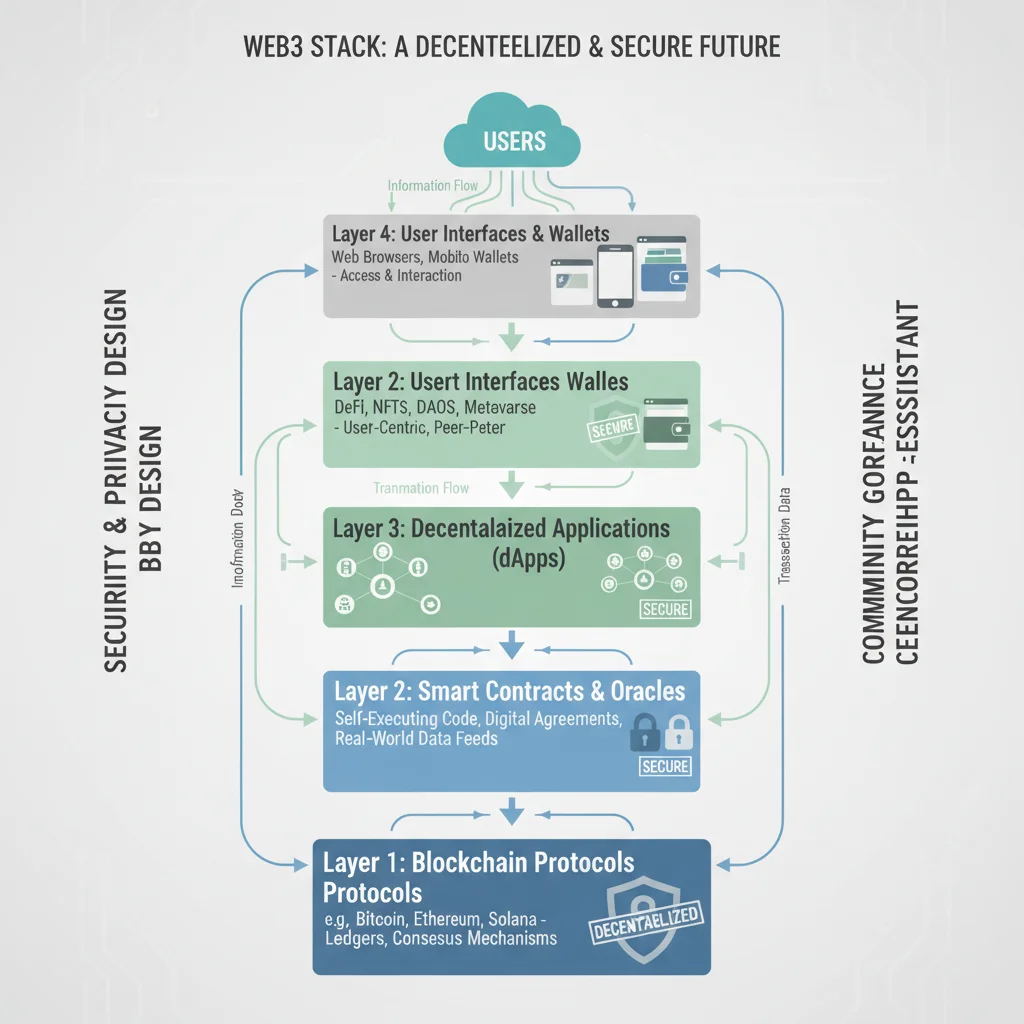
Before diving into specific strategies, it’s crucial to grasp the current state of Web3 in the US. While the underlying technology is global, its adoption and regulatory treatment vary significantly by jurisdiction. In the United States, we see a dynamic interplay between state and federal regulations, a burgeoning developer community, and increasing mainstream interest. This unique environment shapes the opportunities and risks associated with engaging with Web3. Key components of Web3 include:
- Blockchain Technology: The foundational layer, providing decentralized, immutable ledgers.
- Cryptocurrencies: Digital assets used for transactions, governance, and value storage within Web3 ecosystems.
- Decentralized Finance (DeFi): Financial services built on blockchain, circumventing traditional intermediaries.
- Non-Fungible Tokens (NFTs): Unique digital assets representing ownership of items, art, collectibles, and more.
- Decentralized Applications (dApps): Applications running on a blockchain or peer-to-peer network.
- Metaverse: Immersive virtual worlds where users can interact, socialize, and own digital assets.
The next three months are a critical window. The market is constantly evolving, with new projects emerging and existing ones maturing. Staying informed and agile is a cornerstone of effective Web3 US Strategies.
Strategy 1: Deep Dive into US-Compliant DeFi Protocols
Decentralized Finance (DeFi) offers a plethora of opportunities for earning yield, lending, borrowing, and trading without traditional financial institutions. However, US users must exercise caution due to evolving regulatory frameworks. Many global DeFi protocols may not be fully compliant with US securities laws or anti-money laundering (AML) regulations, potentially exposing users to risks.
Actionable Steps:
- Research US-Focused Protocols: Prioritize DeFi platforms that actively seek or have achieved regulatory clarity in the US. Look for projects that are transparent about their compliance efforts and have a strong reputation within the US crypto community. Examples might include platforms that collaborate with US-based legal counsel or explicitly state their adherence to US financial regulations.
- Understand KYC/AML Requirements: Be prepared for Know Your Customer (KYC) and Anti-Money Laundering (AML) procedures, even on decentralized platforms. While the core ethos of DeFi is decentralization, many platforms are implementing these measures to ensure compliance, especially those targeting US users. This is a crucial aspect of responsible Web3 US Strategies.
- Start Small and Diversify: Begin with smaller investments to understand the mechanics and risks involved. Diversify your DeFi portfolio across different protocols and asset types to mitigate risk. Focus on protocols with robust security audits and a proven track record.
- Stay Updated on Regulatory News: Follow reputable sources for US crypto and DeFi regulatory news. Organizations like the SEC, CFTC, and FinCEN are constantly issuing guidance and taking enforcement actions that can impact your DeFi activities.
The goal is to leverage the innovation of DeFi while minimizing regulatory exposure. This requires diligent research and a proactive approach to compliance. Focusing on platforms that are transparent about their efforts to comply with US regulations will be a key differentiator.
Strategy 2: Strategic NFT Engagement and Creation
Non-Fungible Tokens (NFTs) have moved beyond digital art to represent a wide array of digital and even physical assets. For US users, engaging with NFTs can be a lucrative venture, but it requires understanding market dynamics and legal considerations.
Actionable Steps:
- Identify Niche Markets: Instead of chasing hyped projects, identify niche NFT markets that align with your interests or expertise. This could be gaming NFTs, utility NFTs (e.g., membership passes, intellectual property rights), or specific art genres. Research projects with strong communities, clear roadmaps, and tangible utility.
- Understand Ownership Rights: When purchasing an NFT, thoroughly understand what rights you are acquiring. Does it include commercial rights, intellectual property rights, or simply ownership of the digital token? This varies significantly by project and can have legal implications, especially in the US where IP law is complex.
- Consider Creating Your Own NFTs: If you have a creative skill set (art, music, writing, coding), explore creating and minting your own NFTs. Platforms like OpenSea, Rarible, and Foundation offer user-friendly interfaces. Before minting, research gas fees, platform policies, and potential legal requirements for selling digital assets in the US. This is a powerful way to participate in Web3 US Strategies.
- Tax Implications: Be aware that NFT sales and purchases are generally subject to capital gains tax in the US. Keep meticulous records of all your NFT transactions, including purchase price, sale price, and any associated fees, to ensure compliance with IRS regulations.
NFTs are not just about speculation; they represent a fundamental shift in digital ownership. By understanding the nuances of the market and legal landscape, US users can engage more effectively.
Strategy 3: Leverage Decentralized Autonomous Organizations (DAOs)
Decentralized Autonomous Organizations (DAOs) are internet-native organizations owned and managed collectively by their members. They are a core component of Web3’s governance model, offering opportunities for participation, investment, and community building.
Actionable Steps:
- Join Relevant DAOs: Identify DAOs that align with your professional interests, investment goals, or passions. This could be a DeFi DAO, an NFT art collective, a gaming guild, or a public goods funding DAO. Platforms like DeepDAO or Snapshot can help you discover active DAOs.
- Active Participation: Don’t just hold governance tokens; actively participate in proposals, discussions, and voting. Your voice can shape the future of these decentralized entities. Active participation also provides valuable networking opportunities and insights into the Web3 ecosystem.
- Understand Legal Implications: The legal status of DAOs in the US is still evolving. Some states, like Wyoming and Vermont, have introduced legislation to recognize DAOs as legal entities. Before committing significant resources, understand the legal structure (or lack thereof) of the DAO you’re joining and its potential liabilities.
- Contribute Your Skills: Many DAOs are seeking contributors for various tasks, from development and marketing to community management and content creation. Contributing your skills can be a way to earn tokens, gain experience, and build your reputation within the Web3 space without direct financial investment. This is a powerful component of advanced Web3 US Strategies.
DAOs represent the future of organizational structures. By engaging with them thoughtfully, US users can gain firsthand experience with decentralized governance and contribute to the growth of Web3.
Strategy 4: Explore Web3 Gaming and Metaverse Opportunities
Web3 gaming and the metaverse are rapidly expanding sectors, blending entertainment with digital ownership and economic opportunities. For US users, this means new ways to play, earn, and socialize.
Actionable Steps:
- Research Play-to-Earn (P2E) Games: Explore P2E games that allow players to earn cryptocurrency or NFTs through gameplay. Evaluate the game’s economy, community, and long-term sustainability. Look for games developed by reputable studios or with strong backing.
- Invest in Metaverse Land/Assets: Consider acquiring virtual land or other digital assets within popular metaverse platforms like Decentraland, The Sandbox, or Otherside. Understand the platform’s ecosystem, potential for development, and community engagement before investing.
- Develop in the Metaverse: If you have skills in 3D modeling, game design, or coding, explore opportunities to build experiences, assets, or applications within metaverse platforms. This can be a highly lucrative venture as the metaverse continues to grow.
- Understand the ‘Real’ Value: Differentiate between speculative hype and genuine utility. While some metaverse assets may appreciate, focus on projects that offer real value, engaging experiences, or strong community foundations. This critical perspective is vital for sustainable Web3 US Strategies.
The metaverse is not just a gaming platform; it’s an emerging digital economy. Strategic engagement now can position US users at the forefront of this new frontier.
Strategy 5: Prioritize Security and Self-Custody Best Practices
In the decentralized world of Web3, you are your own bank. This comes with immense freedom but also significant responsibility. Security breaches, scams, and lost keys can result in irreversible losses. For US users, robust security practices are non-negotiable.
Actionable Steps:
- Utilize Hardware Wallets: For storing significant amounts of cryptocurrency and NFTs, a hardware wallet (e.g., Ledger, Trezor) is essential. These devices keep your private keys offline, making them highly resistant to online hacks.
- Practice Seed Phrase Security: Your seed phrase (recovery phrase) is the master key to your wallet. Store it securely offline, ideally in multiple physical locations, and never share it with anyone. Do not store it digitally on any device connected to the internet.
- Beware of Phishing and Scams: Web3 is rife with scams. Always double-check URLs, verify smart contract addresses, and be suspicious of unsolicited messages or offers. Never click on suspicious links or provide your seed phrase to anyone.
- Understand Smart Contract Risks: Interacting with dApps often involves approving smart contracts. Understand the permissions you are granting. Use reputable protocols that have been audited by security firms. Revoke unnecessary token approvals regularly using tools like Etherscan’s Token Approvals. This proactive approach to security is a core tenet of effective Web3 US Strategies.
- Educate Yourself Continuously: The threat landscape in Web3 is constantly evolving. Stay informed about new attack vectors and security best practices. Follow reputable security experts and organizations in the crypto space.
Self-custody is a superpower in Web3, but it demands vigilance. By adopting stringent security measures, US users can protect their digital assets and confidently explore the decentralized ecosystem.

Strategy 6: Stay Informed on US Regulatory Developments
The regulatory environment for Web3 in the US is dynamic and complex. Federal agencies (SEC, CFTC, Treasury, IRS) and state regulators are actively working to define how existing laws apply to new technologies and to potentially create new frameworks. Staying informed is not just about compliance; it’s about understanding future market directions and potential opportunities or limitations.
Actionable Steps:
- Follow Key Regulatory Bodies: Regularly check the official websites and press releases of the SEC, CFTC, Treasury Department, and FinCEN. These agencies often issue guidance or enforcement actions that directly impact Web3 activities.
- Engage with Crypto Policy Organizations: Support or follow organizations dedicated to advocating for sensible crypto regulation in the US (e.g., Coin Center, Blockchain Association). These groups often provide valuable summaries and analysis of regulatory proposals.
- Understand State-Level Regulations: Be aware that some states have their own specific regulations concerning digital assets. For instance, New York’s BitLicense is a notable example. If you operate or reside in a state with specific crypto laws, understand their implications.
- Consult Legal Professionals: For significant Web3 ventures or if you are considering launching a project, consult with legal professionals specializing in blockchain and digital asset law in the US. Proactive legal advice can save you significant trouble down the line and is a cornerstone of robust Web3 US Strategies.
- Participate in Public Consultations: When regulatory bodies open public comment periods on proposed rules, consider submitting your feedback. Your voice, collectively with others, can help shape future policies.
Regulatory clarity is often seen as a catalyst for mainstream adoption. By understanding and anticipating these developments, US users can make more informed decisions and adapt their Web3 US Strategies accordingly.
Strategy 7: Build and Contribute to the Web3 Community
Web3 is fundamentally about community and collaboration. Engaging with others in the space is not just enjoyable; it’s a critical strategy for learning, networking, and identifying new opportunities. The decentralized nature of Web3 means that community plays an even more vital role than in Web2.
Actionable Steps:
- Join Discord and Telegram Groups: Most Web3 projects have active communities on platforms like Discord and Telegram. Join groups for projects you’re interested in, participate in discussions, and ask questions. These are often the best places to get real-time updates and insights.
- Attend Virtual and Local Meetups: Look for online webinars, Twitter Spaces, and local meetups focused on Web3, crypto, and blockchain. Networking with fellow enthusiasts, developers, and entrepreneurs can lead to unexpected collaborations and learning experiences.
- Contribute to Open Source Projects: If you have development skills, consider contributing to open-source Web3 projects. This is an excellent way to gain practical experience, build your portfolio, and earn a reputation within the developer community.
- Share Your Knowledge: As you learn more, consider sharing your insights through blogging, social media, or community forums. Teaching others solidifies your understanding and positions you as a valuable member of the Web3 ecosystem. This is a key aspect of fostering effective Web3 US Strategies.
- Be a Good Digital Citizen: Contribute positively to discussions, offer help where you can, and avoid contributing to FUD (Fear, Uncertainty, Doubt) or toxic behavior. A strong, positive community benefits everyone.
The collective intelligence and collaborative spirit of the Web3 community are its greatest assets. By actively participating, US users can not only stay ahead of trends but also help shape the future of the decentralized web.
Conclusion: Navigating the Next 3 Months in Web3
The next three months offer a crucial period for US users to solidify their position within the rapidly expanding Web3 ecosystem. By implementing these seven insider Web3 US Strategies, you can move beyond passive observation to active, informed participation. From carefully navigating US-compliant DeFi protocols and engaging strategically with NFTs, to leveraging DAOs and exploring metaverse opportunities, each step is designed to enhance your understanding and optimize your engagement.
Crucially, prioritizing security with self-custody best practices and staying meticulously informed on the ever-evolving US regulatory landscape will protect your assets and guide your decisions. Finally, remember that Web3 is built on community. Actively contributing and connecting with others will not only enrich your experience but also open doors to unforeseen opportunities. The decentralized future is here, and with these strategies, US users are well-equipped to unlock its immense potential.
The journey into Web3 is continuous learning. As technology advances and regulations adapt, so too must your strategies. By embracing these principles, you are not just participating in a trend; you are investing in a foundational shift in how we interact with the internet and digital assets. Embrace the change, stay vigilant, and prepare to thrive in the decentralized era. Your proactive engagement now will define your success in the Web3 landscape for years to come.