Digital Twin Applications: US Industries 2026 Forecast
The Evolution of Digital Twins: Practical Digital Twin Applications for US Industries by 2026
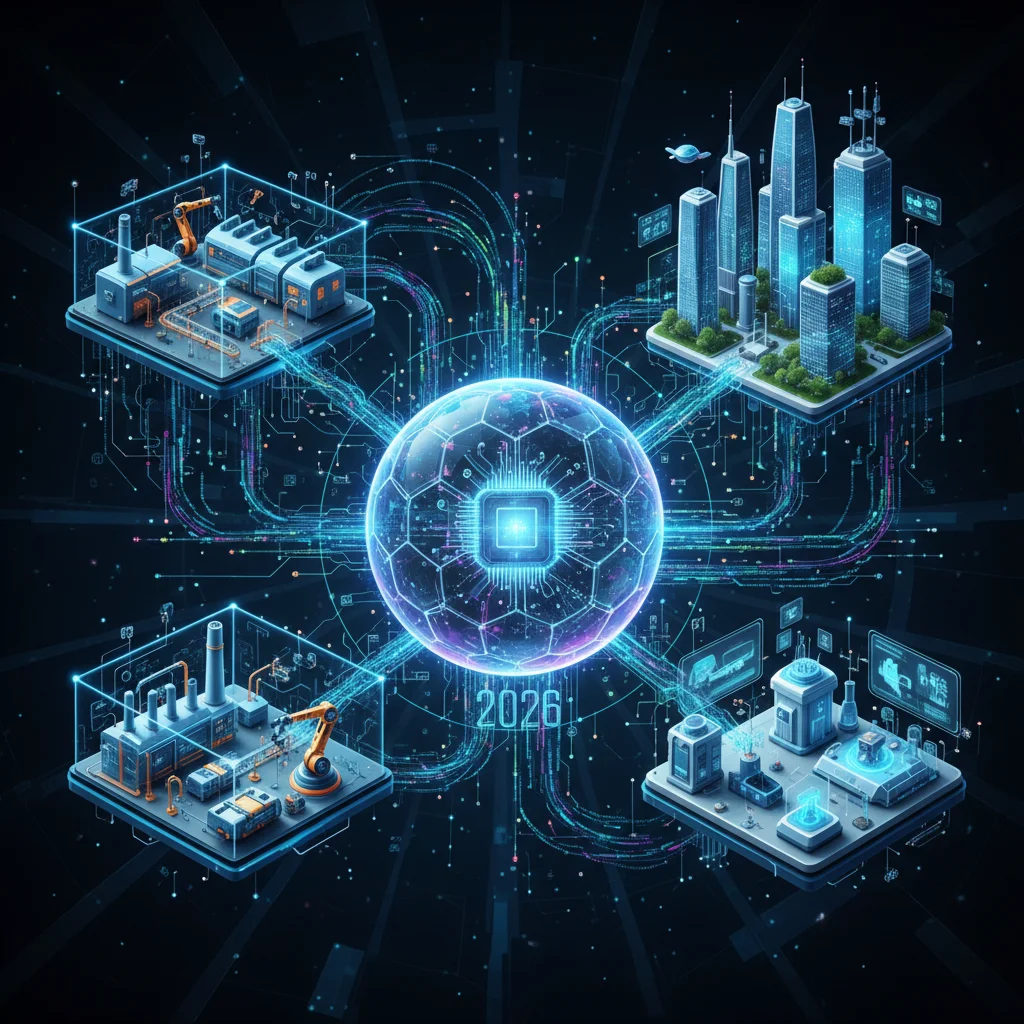
The technological landscape is constantly evolving, and at the forefront of this transformation stands the digital twin. This innovative concept, once a futuristic vision, is rapidly becoming a cornerstone of operational efficiency and strategic planning across a multitude of sectors. By 2026, its impact on US industries will be profound and pervasive, reshaping how businesses design, operate, and maintain their assets and processes. The integration of digital twin applications is not merely an incremental improvement; it represents a paradigm shift, offering unprecedented levels of insight, prediction, and control.
A digital twin is essentially a virtual replica of a physical object, process, or system. This replica is continuously updated with real-time data from its physical counterpart, allowing for comprehensive monitoring, analysis, and simulation. The power of digital twins lies in their ability to bridge the gap between the physical and digital worlds, creating a dynamic, living model that can predict future behavior, optimize performance, and even prevent failures before they occur. This article will delve deep into the practical digital twin applications that are poised to redefine US industries over the next few years, exploring their benefits, challenges, and the exciting future they promise.
Understanding the Core Concept of Digital Twins
Before we explore the specific digital twin applications, it’s crucial to grasp the fundamental principles behind this technology. At its heart, a digital twin relies on three key components: the physical product or system, its virtual representation, and the data that links them. Sensors embedded in the physical asset collect data on its performance, environmental conditions, and operational parameters. This data is then fed to the digital twin, which processes it to reflect the current state of its physical counterpart with remarkable accuracy.
This continuous data exchange allows the digital twin to evolve alongside the physical asset throughout its entire lifecycle. From design and manufacturing to operation and eventual decommissioning, the digital twin provides a holistic view. This capability is what differentiates a digital twin from a mere simulation or 3D model. While simulations offer a snapshot of potential scenarios, and 3D models provide a static representation, a digital twin is a dynamic, living entity that mirrors its physical twin in real-time, enabling proactive decision-making and continuous optimization. The technological backbone for these sophisticated digital twin applications includes advancements in the Internet of Things (IoT), artificial intelligence (AI), machine learning (ML), and cloud computing, all working in concert to create these powerful virtual models.
Manufacturing: Revolutionizing Production and Efficiency
The manufacturing sector stands to gain immensely from the widespread adoption of digital twin applications. By 2026, factories across the US will leverage digital twins to optimize every stage of the production process, from design to delivery. Imagine a scenario where a new product can be designed, tested, and refined virtually before a single physical prototype is built. This not only accelerates time-to-market but also significantly reduces costs associated with material waste and re-engineering.
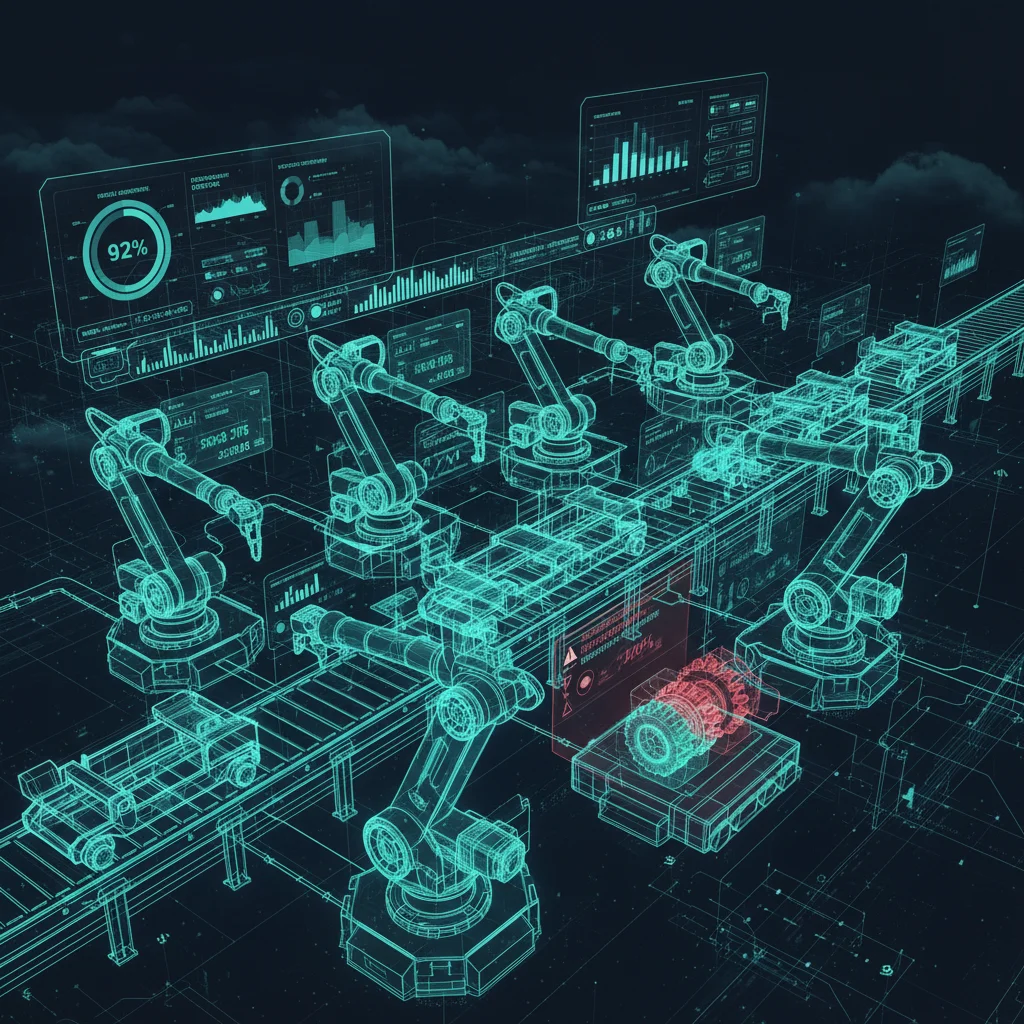
One of the most impactful digital twin applications in manufacturing is predictive maintenance. Instead of relying on scheduled maintenance or reacting to breakdowns, digital twins can monitor the health of machinery in real-time. By analyzing sensor data, they can predict when a component is likely to fail, allowing maintenance teams to intervene proactively. This minimizes downtime, extends the lifespan of equipment, and ensures uninterrupted production. Furthermore, digital twins can simulate different production scenarios, helping manufacturers identify bottlenecks, optimize workflow, and improve overall operational efficiency. They can also be used for quality control, detecting deviations from desired specifications and ensuring product consistency. The ability to create a digital replica of an entire factory floor allows for continuous optimization of layouts, energy consumption, and even worker safety protocols, making manufacturing processes smarter and more resilient.
Healthcare: Enhancing Patient Care and Operational Excellence
The healthcare industry is on the cusp of a major transformation driven by digital twin applications. By 2026, we can expect to see digital twins being used in various capacities, from personalized medicine to optimizing hospital operations. Imagine a ‘digital twin’ of a patient, created from their medical records, genomic data, lifestyle information, and real-time physiological readings from wearables. This comprehensive virtual model could help doctors predict disease progression, tailor treatment plans with unprecedented precision, and even simulate the effects of different medications before administering them. This level of personalized care could dramatically improve patient outcomes and reduce adverse reactions.
Beyond individual patient care, digital twin applications are also revolutionizing hospital management. Digital twins of hospital infrastructure can monitor everything from HVAC systems and medical equipment to patient flow and staff allocation. This allows administrators to optimize resource utilization, reduce energy consumption, and ensure a safer, more efficient environment for both patients and staff. For instance, a digital twin could simulate the impact of an infectious disease outbreak, helping hospitals prepare and allocate resources effectively. Furthermore, digital twins can be used to model the performance of new medical devices or surgical procedures in a virtual environment, allowing for rigorous testing and refinement before clinical trials, thereby accelerating innovation and improving safety in the healthcare sector.
Smart Cities: Building More Sustainable and Livable Urban Environments
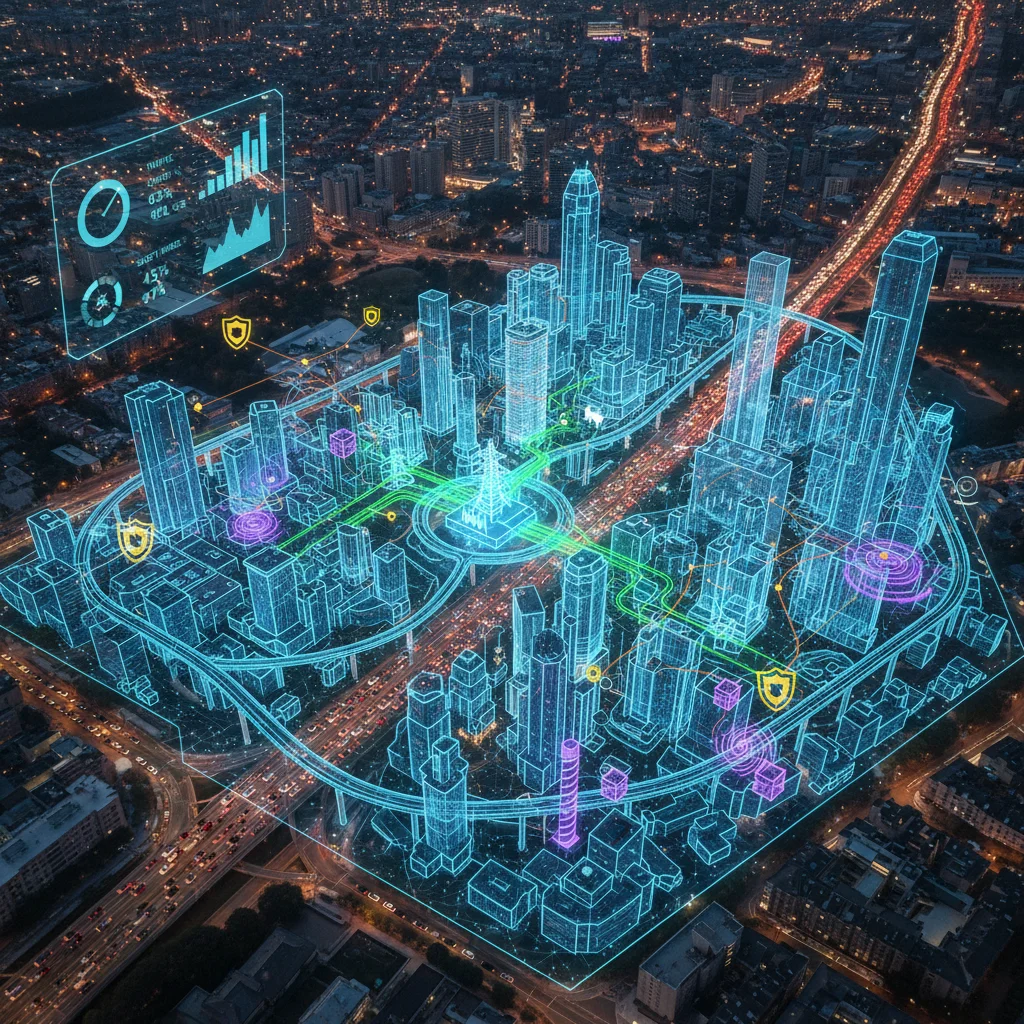
The concept of smart cities is intrinsically linked with digital twin applications. As urban populations continue to grow, cities face increasing challenges related to traffic congestion, energy consumption, waste management, and public safety. Digital twins offer a powerful solution to these complex problems by creating dynamic, real-time models of entire urban environments.
By 2026, many US cities will be utilizing digital twins to manage and optimize their infrastructure. A digital twin of a city can integrate data from traffic sensors, public transport systems, smart grids, and environmental monitors. This allows city planners to simulate the impact of new development projects, optimize traffic light timings to reduce congestion, manage energy distribution more efficiently, and even predict areas prone to flooding or pollution. For example, digital twin applications can help in optimizing public transportation routes based on real-time demand, leading to reduced emissions and improved commuter experiences. They can also play a crucial role in disaster preparedness and response, allowing emergency services to simulate various scenarios and develop more effective strategies. The ability to visualize and interact with a city’s complex systems in a virtual space empowers urban planners to make data-driven decisions that lead to more sustainable, resilient, and livable urban environments for their residents.
Energy and Utilities: Optimizing Grids and Resource Management
The energy and utilities sector is another area where digital twin applications are making significant inroads. With the increasing demand for renewable energy sources and the need for greater grid reliability, digital twins offer invaluable tools for optimization and management. By 2026, digital twins will be instrumental in creating smarter, more resilient energy grids across the US.
Digital twins of power plants, wind farms, solar arrays, and even entire electrical grids can provide real-time insights into their performance and health. This enables predictive maintenance for critical infrastructure, preventing costly outages and ensuring a stable power supply. For instance, a digital twin can monitor the structural integrity of wind turbine blades, predicting when maintenance is required before a failure occurs. Furthermore, digital twin applications can simulate the integration of various energy sources into the grid, helping utility companies optimize power distribution, manage fluctuations from renewable sources, and reduce energy waste. They can also be used to model the impact of extreme weather events on infrastructure, allowing for better preparedness and faster recovery. The ability to virtually test and optimize energy systems before physical implementation saves significant resources and enhances overall operational efficiency and reliability for the energy sector.
Agriculture: Cultivating Smarter Farms and Sustainable Practices
The agricultural sector, often seen as traditional, is undergoing a digital revolution, with digital twin applications at its core. By 2026, smart farms in the US will be leveraging digital twins to enhance productivity, optimize resource usage, and promote sustainable practices.
Imagine a digital twin of a farm, encompassing everything from soil conditions and crop health to livestock monitoring and irrigation systems. Sensors in the field can provide real-time data on moisture levels, nutrient content, and pest presence. This data feeds into the digital twin, which then allows farmers to precisely manage irrigation, fertilization, and pest control, minimizing waste and maximizing yield. For livestock, digital twins can monitor individual animal health, feeding patterns, and movement, enabling early detection of diseases and optimizing breeding programs. These digital twin applications can also simulate the impact of different planting strategies, weather patterns, and market changes, helping farmers make informed decisions to improve profitability and resilience. The integration of digital twins in agriculture promises a future of more efficient, sustainable, and productive farming, addressing global food security challenges and promoting environmental stewardship.
Retail and Supply Chain: Optimizing Logistics and Customer Experience
In the highly competitive retail and supply chain sectors, digital twin applications are set to deliver significant advantages by 2026. From optimizing inventory management to enhancing the customer experience, digital twins offer a holistic view of complex operations.
A digital twin of a supply chain can track products from manufacturing to the customer’s doorstep, providing real-time visibility into inventory levels, shipping logistics, and potential disruptions. This allows businesses to optimize inventory, reduce carrying costs, and improve delivery times. For example, a digital twin can simulate the impact of a port delay or a sudden surge in demand, enabling companies to proactively adjust their logistics and minimize disruptions. In retail, digital twins of stores can analyze customer traffic patterns, product placement effectiveness, and even predict purchasing behaviors. This enables retailers to optimize store layouts, personalize shopping experiences, and improve sales. Furthermore, digital twin applications can be used to model customer journeys, from online browsing to in-store purchases, providing valuable insights into pain points and opportunities for improvement. By creating virtual replicas of their entire operational ecosystem, retailers and supply chain managers can achieve unparalleled efficiency, responsiveness, and customer satisfaction.
Construction and Infrastructure: Building Smarter and Safer
The construction industry, traditionally slow to adopt new technologies, is now embracing digital twin applications to improve efficiency, reduce costs, and enhance safety. By 2026, digital twins will be an integral part of the lifecycle of buildings and infrastructure projects across the US.
During the design phase, a digital twin of a building or bridge can be created to simulate its structural integrity, energy performance, and even occupant comfort before construction begins. This allows architects and engineers to identify and rectify potential issues early on, saving significant time and money. During construction, digital twin applications can monitor progress, track materials, and ensure adherence to safety protocols. This real-time oversight helps prevent delays, reduce waste, and improve worker safety. Once a building or infrastructure asset is operational, its digital twin continues to provide value by monitoring its performance, predicting maintenance needs, and optimizing energy consumption. For instance, a digital twin of a commercial building can adjust HVAC systems based on occupancy levels and external weather conditions, leading to substantial energy savings. The ability to have a complete, dynamic digital record of an asset throughout its entire lifespan offers unprecedented opportunities for smarter, safer, and more sustainable construction and infrastructure management.
Challenges and the Path Forward for Digital Twin Applications
While the potential of digital twin applications is immense, their widespread adoption is not without challenges. One of the primary hurdles is the significant initial investment required for sensor technology, data infrastructure, and specialized software. Data security and privacy are also paramount concerns, especially when dealing with sensitive information in healthcare or critical infrastructure. Interoperability between different systems and platforms remains another challenge, as industries strive for seamless integration of diverse data sources.
However, the benefits far outweigh these challenges. As technology matures and becomes more accessible, the cost of implementing digital twin applications is expected to decrease. Furthermore, robust cybersecurity measures and standardized protocols are being developed to address data security and interoperability concerns. The path forward involves continued investment in research and development, fostering collaboration between technology providers and industry stakeholders, and developing a skilled workforce capable of leveraging these advanced tools. Government incentives and regulatory frameworks will also play a crucial role in accelerating adoption and ensuring responsible deployment. By addressing these challenges strategically, US industries can fully unlock the transformative power of digital twins and solidify their position as global leaders in innovation and efficiency.
The Future Landscape: Beyond 2026
Looking beyond 2026, the evolution of digital twin applications promises an even more integrated and intelligent future. We can anticipate the emergence of ‘meta-twins’ – digital twins of entire ecosystems, such as interconnected smart cities or global supply chains, enabling unprecedented levels of optimization and resilience. The convergence of digital twins with other emerging technologies like quantum computing and advanced robotics will unlock capabilities that are currently unimaginable.
The role of artificial intelligence and machine learning within digital twin frameworks will become even more sophisticated, allowing for increasingly accurate predictions, autonomous decision-making, and self-optimizing systems. Imagine digital twins that can not only predict failures but also autonomously initiate corrective actions. The ethical implications of such advanced systems will also become a more prominent discussion, requiring careful consideration and robust governance frameworks. Ultimately, digital twin applications are not just about creating virtual replicas; they are about creating a more intelligent, efficient, and sustainable world, where every physical asset has a dynamic, cognitive counterpart guiding its evolution and optimizing its performance for the benefit of humanity.
Conclusion: A New Era of Industrial Intelligence with Digital Twin Applications
The journey of digital twins from concept to widespread industrial application is a testament to human ingenuity and the relentless pursuit of efficiency. By 2026, digital twin applications will have firmly established themselves as indispensable tools across a diverse range of US industries, from the precision of manufacturing to the complexities of urban planning and the nuances of personalized healthcare. They offer a powerful lens through which to view and interact with our physical world, enabling us to predict, optimize, and innovate with unprecedented accuracy and foresight.
The economic benefits, including reduced operational costs, enhanced productivity, and accelerated innovation cycles, will be substantial. Beyond financial gains, digital twins will contribute to a more sustainable future by optimizing resource utilization and reducing waste. As industries continue to embrace these virtual counterparts, the lines between the physical and digital will blur further, leading to a new era of industrial intelligence and operational excellence. Businesses that strategically invest in and implement robust digital twin applications will not only gain a significant competitive advantage but also play a pivotal role in shaping a more resilient, efficient, and sustainable future for the United States and beyond. The revolution is here, and digital twins are leading the charge.