Smart Home Security 2026: 8 Essential Tips for US Homeowners
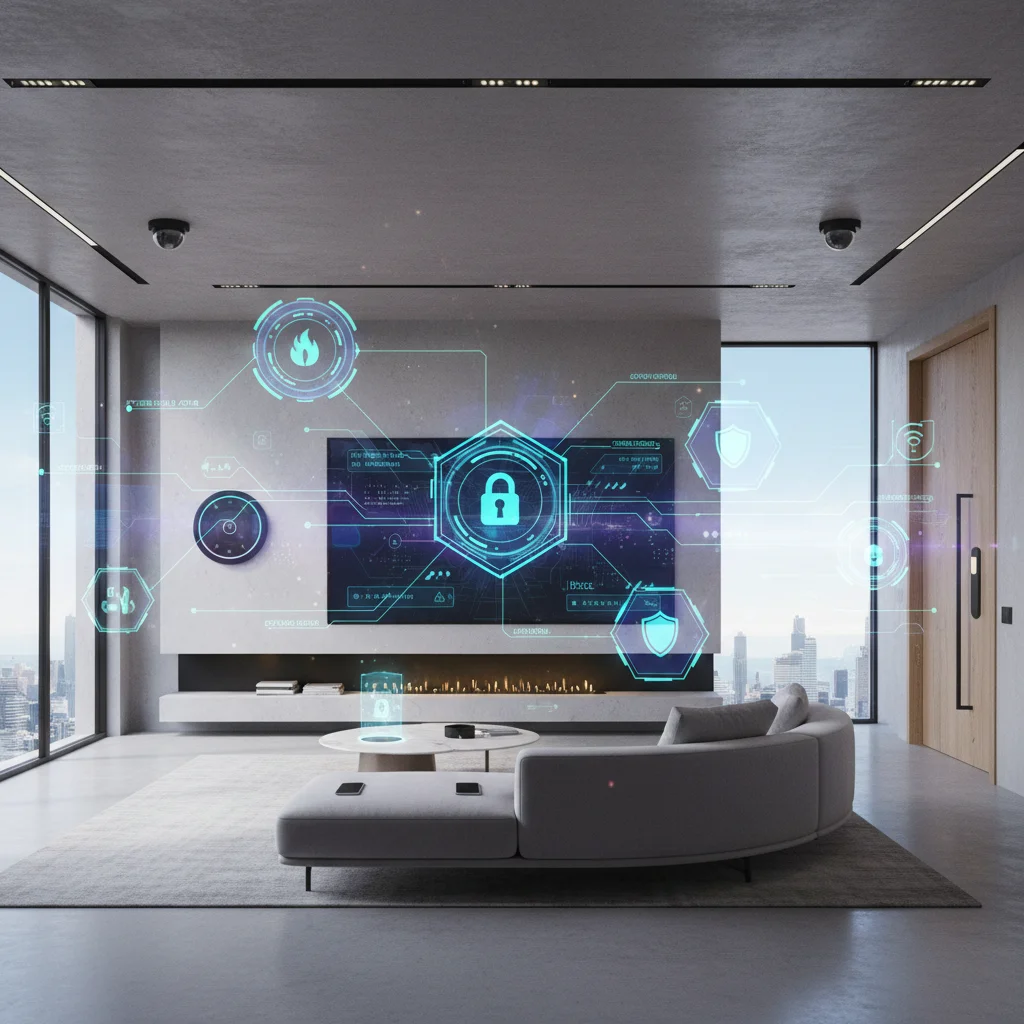
The year is 2026, and your home is smarter than ever. From intelligent thermostats that learn your preferences to security cameras that offer crystal-clear, AI-powered alerts, the convenience and efficiency offered by smart home technology are undeniable. However, with great convenience comes great responsibility – particularly when it comes to cybersecurity and privacy. As US homeowners increasingly adopt interconnected devices, ensuring robust Smart Home Security 2026 is paramount. The landscape of digital threats is constantly evolving, making proactive measures not just recommended, but essential.
This comprehensive guide will walk you through eight critical tips to safeguard your smart home against emerging threats. We’ll delve into everything from foundational network protection to advanced privacy practices, ensuring your connected haven remains secure and private. Whether you’re a seasoned smart home enthusiast or just beginning to integrate smart devices, these insights will equip you with the knowledge to protect your digital perimeter effectively.
1. Fortify Your Wi-Fi Network: The First Line of Defense
Your Wi-Fi network is the central nervous system of your smart home. Every smart device, from your doorbell to your smart lights, relies on it. Consequently, securing this network is the single most important step in bolstering your Smart Home Security 2026. A weak Wi-Fi network is an open invitation for cybercriminals to access your devices, data, and even your physical home.
Upgrade to WPA3 Encryption
By 2026, WPA2 encryption, while still common, is becoming increasingly vulnerable. Ensure your router supports and is configured to use WPA3, the latest and most secure Wi-Fi Protected Access protocol. WPA3 offers stronger encryption, more robust authentication, and enhanced protection against brute-force attacks, making it significantly harder for unauthorized users to gain access to your network.
Strong, Unique Passwords for Router and Wi-Fi
It sounds obvious, but many still use default or easily guessable passwords. Change the default administrative password for your router immediately. This password grants access to your router’s settings, including your Wi-Fi password. Similarly, use a long, complex, and unique password for your Wi-Fi network itself. Combine uppercase and lowercase letters, numbers, and symbols. Avoid using personal information or common phrases.
Enable a Guest Network
Most modern routers allow you to set up a separate guest network. Utilize this feature. Guest networks isolate visitors’ devices from your main network, preventing them from accessing your smart devices or sensitive data. This is a crucial layer of defense for your Smart Home Security 2026, especially as more household guests bring their own connected devices.
Regular Firmware Updates
Router manufacturers frequently release firmware updates to patch security vulnerabilities. Enable automatic updates if available, or make it a habit to check for and install updates manually. Outdated firmware is a common entry point for cyberattacks.
2. Implement Strong, Unique Passwords and Two-Factor Authentication (2FA)
Beyond your Wi-Fi, every smart device and its associated app requires careful password management. The convenience of using the same password for multiple services is far outweighed by the security risks. If one service is breached, all others using the same credentials become vulnerable.
Password Best Practices for Smart Devices
- Uniqueness: Each smart device and its controlling app should have a unique password.
- Complexity: Aim for passwords that are at least 12-16 characters long, incorporating a mix of uppercase and lowercase letters, numbers, and special characters.
- Password Manager: Use a reputable password manager to generate, store, and auto-fill complex passwords. This is the most practical way to manage dozens of unique credentials without sacrificing security.
Embrace Two-Factor Authentication (2FA)
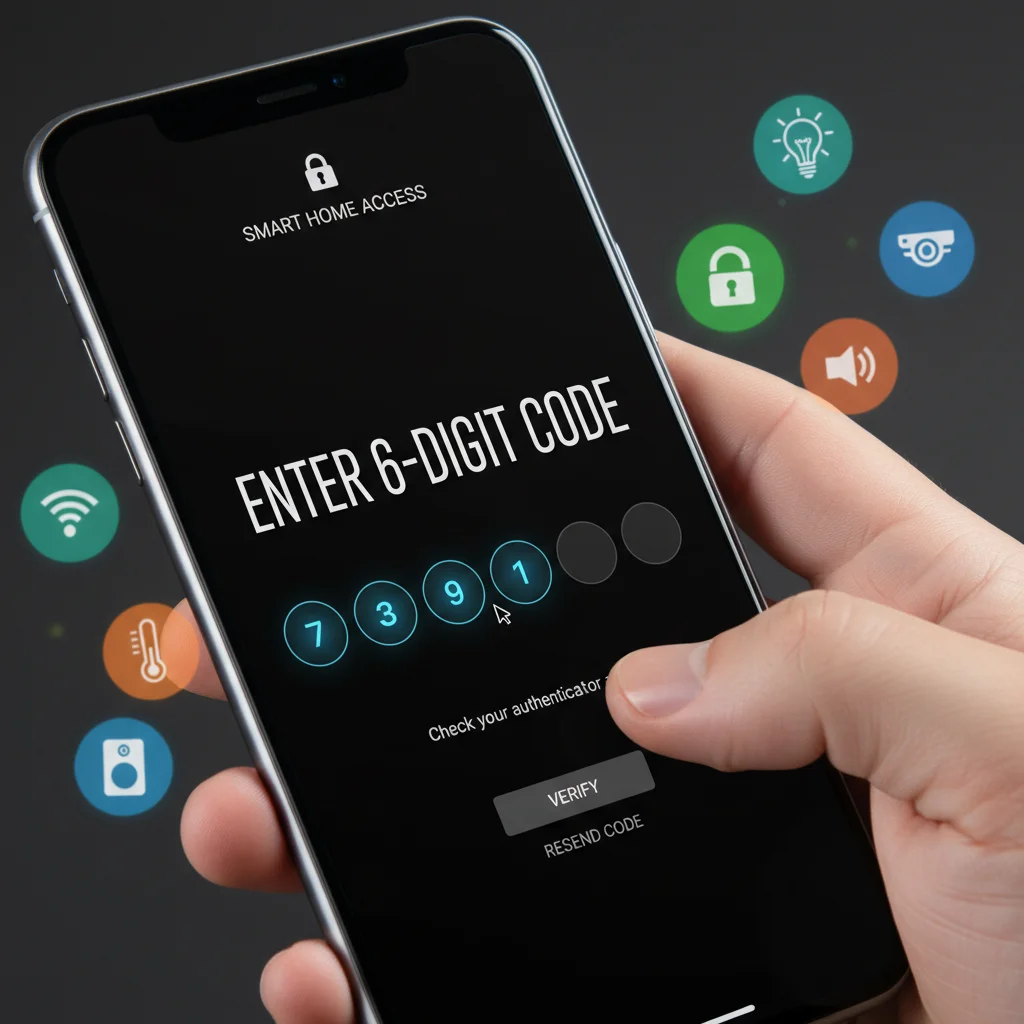
Two-factor authentication adds an extra layer of security by requiring a second form of verification in addition to your password. This could be a code sent to your phone, a fingerprint scan, or a facial recognition prompt. Most smart home platforms and devices now offer 2FA. Enable it for every device and service that supports it. This significantly reduces the risk of unauthorized access, even if your password is compromised, making it a cornerstone of effective Smart Home Security 2026.
3. Keep All Smart Devices Updated: Patching Vulnerabilities
Just like your computer or smartphone, smart home devices receive firmware and software updates. These updates often contain critical security patches that address newly discovered vulnerabilities. Neglecting updates leaves your devices exposed to known exploits.
Enable Automatic Updates
Whenever possible, enable automatic updates for your smart devices. This ensures that security patches are applied as soon as they are released, without requiring manual intervention. Many smart hubs and devices now offer this feature.
Regularly Check for Manual Updates
For devices that don’t support automatic updates, make it a habit to manually check for and install updates. This might involve visiting the manufacturer’s website or checking the device’s companion app. Set a reminder, perhaps monthly, to review all your smart devices for available updates. This vigilance is crucial for maintaining robust Smart Home Security 2026.
Understand End-of-Life Policies
Manufacturers eventually stop supporting older devices with security updates. Understand the end-of-life (EOL) policy for your smart devices. Once a device reaches EOL, it becomes increasingly risky to use as new vulnerabilities will not be patched. Plan to replace EOL devices to maintain optimal security.
4. Segment Your Network with VLANs
For advanced users and those with a significant number of smart devices, network segmentation using Virtual Local Area Networks (VLANs) is an excellent way to enhance Smart Home Security 2026. VLANs allow you to logically separate your network into distinct segments.
Why Segment Your Network?
By creating a separate VLAN for your smart home devices (often referred to as an IoT VLAN), you can isolate them from your primary network where your computers, smartphones, and sensitive data reside. If an IoT device is compromised, the attacker will be contained within the IoT VLAN and will not have direct access to your more critical devices or personal files. This significantly limits the potential damage of a breach.
How to Implement VLANs
Implementing VLANs typically requires a more advanced router or a managed switch. You would configure firewall rules to control traffic flow between the VLANs, allowing necessary communication (e.g., your phone app controlling a smart light) while blocking unnecessary or risky connections. While this requires a bit more technical know-how, the security benefits are substantial for a truly secure Smart Home Security 2026 setup.
5. Audit and Manage Device Permissions and Data Sharing
Many smart devices collect a wealth of data about your habits, usage, and even your presence. Understanding and managing what data your devices collect and share is vital for privacy and security.
Review App Permissions
When you install a smart home app, it often requests various permissions. Scrutinize these permissions. Does a smart light bulb app truly need access to your location 24/7 or your microphone? Grant only the minimum necessary permissions for the device to function. Regularly review app permissions in your phone’s settings.
Understand Data Sharing Policies
Read the privacy policies of your smart device manufacturers. Understand what data they collect, how it’s used, and whether it’s shared with third parties. Opt out of data sharing or personalized advertising whenever possible. Be wary of devices that require excessive data collection for basic functionality.
Disable Unnecessary Features
Some smart devices come with features you might not use, such as built-in microphones or cameras that are always on. If you don’t need a feature, disable it. This reduces the attack surface and minimizes potential privacy risks. For example, if your smart speaker has a camera you never use, disable its video functionality.
6. Secure Your Physical Smart Devices
While much of smart home security focuses on the digital realm, physical security remains crucial. A physically compromised device can be just as damaging as a digitally hacked one.
Placement of Cameras and Sensors
Strategically place security cameras and motion sensors to maximize coverage and minimize blind spots, but also be mindful of privacy. Avoid placing cameras in bedrooms or bathrooms. Ensure outdoor cameras are mounted securely to prevent tampering or theft.
Protecting Outdoor Devices
Outdoor smart devices, like smart doorbells or smart locks, are more exposed. Ensure they are robust, weather-resistant, and installed with tamper-proof screws. Regularly check their physical integrity. If a device has a removable battery or SD card, ensure it’s secured against easy access by unauthorized individuals.
Consider Physical Tampering Alerts
Some advanced smart devices offer tamper alerts, notifying you if someone attempts to remove or disable them. Enable these features where available. Physical security is an often-overlooked aspect of comprehensive Smart Home Security 2026.
7. Invest in a Reputable Smart Home Hub or Platform
A central smart home hub can significantly enhance security by consolidating control and offering unified security features. While many devices can operate independently, a good hub provides a more cohesive and often more secure ecosystem.
Centralized Security Management
A robust smart home hub allows you to manage security settings, updates, and access controls for multiple devices from a single interface. This streamlines the process of maintaining strong Smart Home Security 2026 and reduces the chance of overlooking individual device vulnerabilities.
Local Processing vs. Cloud-Based
Consider hubs that offer local processing capabilities. Devices that process commands locally, rather than sending all data to the cloud, can offer enhanced privacy and reduced latency. While purely local processing is rare, a hybrid approach is often ideal. Research hubs that prioritize privacy and local control where possible.
Reputation and Support
Choose smart home platforms and hubs from reputable manufacturers with a strong track record of security, regular updates, and good customer support. Avoid obscure brands with little information about their security practices.
8. Regular Security Audits and Awareness Training
Even with all the right tools and configurations, human error remains a significant vulnerability. Regular security audits and ongoing awareness are crucial for maintaining strong Smart Home Security 2026.
Conduct Periodic Security Audits
At least once a year, conduct a thorough security audit of your smart home. This involves:
- Checking all device passwords.
- Verifying 2FA is enabled everywhere.
- Confirming all devices and your router are updated.
- Reviewing app permissions.
- Checking for any unused or forgotten smart devices still connected to your network.
Educate Household Members
Everyone in your household who interacts with smart devices needs to understand basic security practices. Teach them about strong passwords, the importance of not sharing Wi-Fi credentials, and how to identify suspicious links or requests related to smart home apps. A single careless action by a family member can compromise your entire system.
Stay Informed About New Threats
The cybersecurity landscape is constantly changing. Stay informed about new vulnerabilities and threats related to smart home devices. Follow reputable cybersecurity news sources and manufacturer alerts. Being proactive in your knowledge is a powerful defense mechanism against evolving cyber threats to your Smart Home Security 2026.
Consider subscribing to newsletters from cybersecurity experts or tech blogs that focus on IoT security. This continuous learning will help you adapt your security posture as new challenges emerge.

The Future of Smart Home Security: What to Expect Beyond 2026
As we look beyond 2026, the evolution of Smart Home Security will likely bring even more sophisticated solutions and challenges. Anticipate a greater integration of AI and machine learning for anomaly detection, allowing your smart home to learn normal patterns and flag unusual activities instantly. Biometric authentication will become more pervasive, moving beyond fingerprints to include advanced facial recognition and even behavioral biometrics for seamless yet secure access.
The industry will also likely see a push towards more standardized security protocols, making it easier for consumers to choose devices that meet a baseline level of protection. Regulatory bodies may introduce stricter guidelines for IoT device manufacturers, holding them more accountable for the security lifecycle of their products. Furthermore, expect an increase in edge computing, where more data processing occurs directly on the device rather than in the cloud, offering enhanced privacy and reduced vulnerability to cloud-based attacks.
However, with these advancements, new threats will undoubtedly emerge. Quantum computing, while still in its nascent stages, poses a long-term threat to current encryption standards. Therefore, staying adaptable and continuously educating oneself on the latest security practices will remain crucial for maintaining an impregnable smart home. The journey of securing your smart home is ongoing, not a one-time setup.
Conclusion: A Proactive Stance for Uncompromised Smart Home Security 2026
The allure of a smart home is its ability to simplify and enrich our lives, offering unprecedented levels of comfort, convenience, and efficiency. However, this interconnectedness also introduces a new frontier for security and privacy concerns. By adopting the eight essential tips outlined in this guide, US homeowners can significantly bolster their Smart Home Security 2026 and beyond.
From the foundational steps of securing your Wi-Fi network and implementing strong, unique passwords with 2FA, to the more advanced strategies of network segmentation and consistent device updates, each measure plays a vital role in creating a resilient defense. Remember to actively manage device permissions, understand data sharing practices, and secure your physical devices against tampering. Investing in a reputable smart home hub can centralize your security efforts, while regular audits and ongoing education for your household members will ensure a holistic and adaptive security posture.
In an era where our homes are becoming increasingly digital, taking a proactive and informed approach to security is not just an option, but a necessity. By prioritizing these security measures, you can enjoy all the benefits of your smart home with the peace of mind that your digital sanctuary is well-protected against the evolving landscape of cyber threats. Stay vigilant, stay informed, and keep your smart home safe and truly smart.