Beyond the Metaverse: Top 4 Digital Trends to Watch in the US by Mid-2026
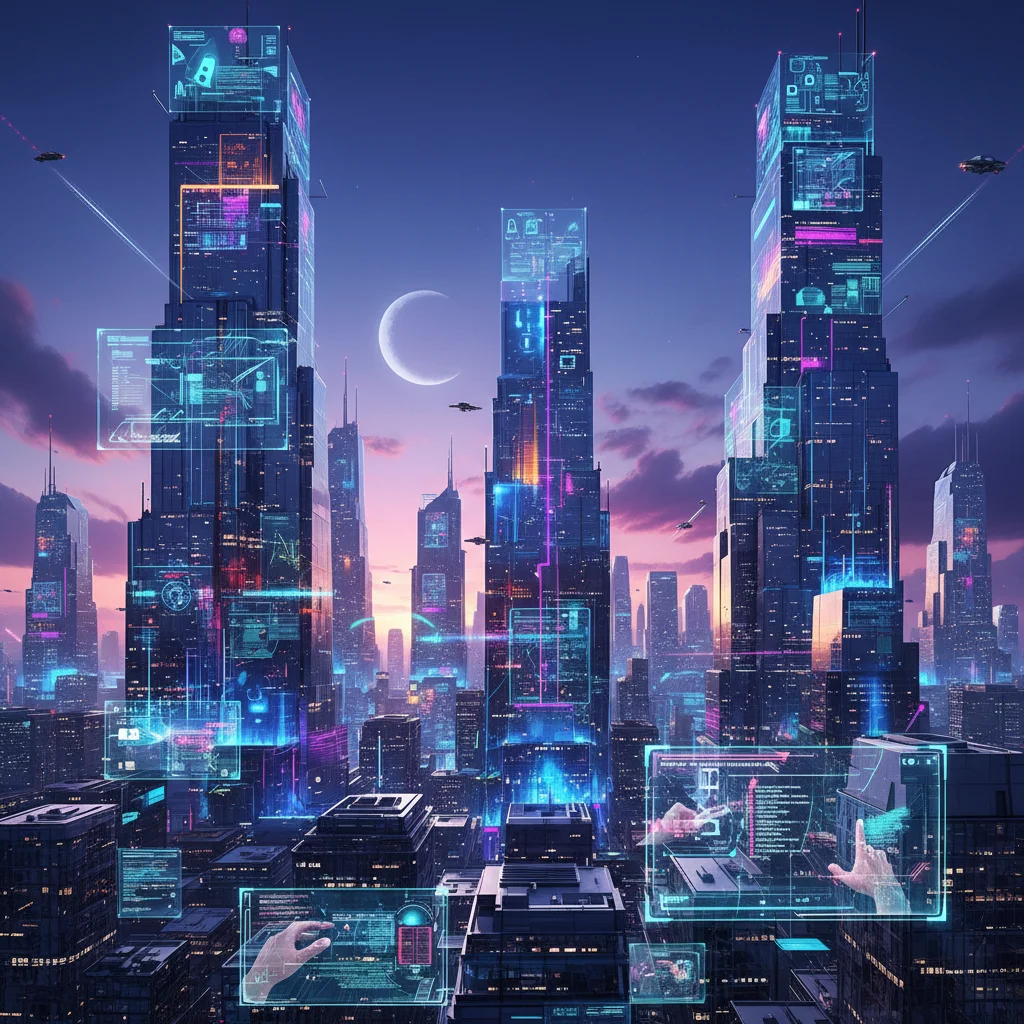
The digital landscape is in a perpetual state of flux, constantly evolving and presenting new opportunities and challenges. While the buzz around the metaverse has been significant, a deeper look reveals that several other emerging digital trends are quietly, yet powerfully, reshaping the technological and societal fabric of the United States. By mid-2026, these trends will not just be nascent ideas but fully integrated components of our daily lives and business operations. Understanding these emerging digital trends is crucial for businesses aiming to stay competitive, innovators seeking the next big breakthrough, and individuals looking to navigate the future effectively. This comprehensive exploration delves into four pivotal emerging digital trends that are set to define the next few years, moving us beyond the singular focus on the metaverse and into a more diverse and dynamic digital future.
The pace of technological innovation is accelerating, driven by advancements in computing power, data analytics, and connectivity. As we approach mid-2026, the US market is poised for significant transformations across various sectors, all powered by these burgeoning digital forces. From how we work and interact to how we consume and create, these emerging digital trends will leave no stone unturned. This article provides an in-depth analysis of each trend, offering insights into their current trajectory, potential impact, and what to expect as they mature.
1. The Pervasive Rise of Advanced AI and Hyper-Automation
Artificial Intelligence (AI) is no longer a futuristic concept; it’s a present-day reality rapidly expanding its capabilities and applications. By mid-2026, advanced AI and hyper-automation will be among the most prominent emerging digital trends, deeply embedded in almost every industry in the US. This isn’t just about chatbots or recommendation engines; we’re talking about sophisticated AI systems capable of complex problem-solving, predictive analytics, and autonomous operation on an unprecedented scale.
The Evolution of AI Beyond Basic Automation
Historically, AI has been used for automating repetitive tasks. However, the next few years will see AI evolve to handle more nuanced and cognitive functions. Machine learning models will become more robust, requiring less data for training and exhibiting greater adaptability. Deep learning, natural language processing (NLP), and computer vision will see significant breakthroughs, enabling AI to understand and interact with the world in more human-like ways. This evolution will drive a new wave of innovation across sectors, making advanced AI a cornerstone of emerging digital trends.
Impact on Industries: From Healthcare to Finance
In healthcare, AI will revolutionize diagnostics, drug discovery, and personalized treatment plans, leading to more efficient and effective patient care. AI-powered tools will analyze vast amounts of medical data to identify patterns and predict disease outbreaks, making proactive healthcare a reality. In finance, AI will enhance fraud detection, algorithmic trading, and personalized financial advice, leading to more secure and optimized financial services. Manufacturing will leverage AI for predictive maintenance, supply chain optimization, and quality control, leading to increased efficiency and reduced waste. The retail sector will use AI for hyper-personalized marketing, inventory management, and customer service, creating seamless shopping experiences. These are just a few examples of how these emerging digital trends, particularly advanced AI, will reshape industries.
Hyper-Automation: The Next Frontier
Hyper-automation, a concept driven by AI and machine learning, refers to the end-to-end automation of business processes that goes beyond traditional robotic process automation (RPA). It involves a combination of AI, machine learning, event-driven software, and intelligent process automation tools. By mid-2026, hyper-automation will be a key strategy for organizations looking to optimize operations, reduce costs, and improve efficiency. This will allow human employees to focus on more strategic and creative tasks, fostering a more innovative work environment. The integration of hyper-automation will undoubtedly be one of the most transformative emerging digital trends.
Challenges and Ethical Considerations
While the benefits of advanced AI and hyper-automation are immense, so are the challenges. Ethical considerations surrounding AI bias, data privacy, and job displacement will become even more pressing. Developing robust regulatory frameworks and ethical guidelines will be crucial to ensure responsible AI development and deployment. The US government and private sector will need to collaborate to address these issues, making sure that these emerging digital trends benefit society as a whole.

2. The Maturation of Web3 and Decentralized Technologies
The concept of Web3, often associated with blockchain, cryptocurrencies, and NFTs, is another of the significant emerging digital trends poised for substantial growth and maturation by mid-2026. While the initial hype surrounding some Web3 elements has cooled, the underlying technologies and their potential to create a more decentralized and user-centric internet remain incredibly strong. This isn’t just about digital assets; it’s about a fundamental shift in how data is owned, managed, and monetized.
Beyond Cryptocurrencies: The Core of Decentralization
Web3 aims to build an internet where users have more control over their data and digital identities, moving away from the centralized platforms that dominate Web2. Blockchain technology, with its immutable and transparent ledger system, is at the heart of this movement. By mid-2026, we will see a greater focus on the practical applications of blockchain beyond speculative assets. This includes decentralized finance (DeFi), supply chain management, digital identity solutions, and secure data sharing. These practical applications will solidify Web3’s position among the most impactful emerging digital trends.
Decentralized Autonomous Organizations (DAOs)
Decentralized Autonomous Organizations (DAOs) represent a new way of organizing and governing entities, managed by code and community consensus rather than a central authority. While still in their early stages, DAOs are expected to gain significant traction, especially in areas requiring transparent governance and collective decision-making. From investment funds to social communities, DAOs offer a democratic and transparent alternative to traditional organizational structures. Their growth will be a key indicator of Web3’s maturation as one of the leading emerging digital trends.
NFTs and the Creator Economy
Non-Fungible Tokens (NFTs) have already demonstrated their potential in the art and collectibles markets. By mid-2026, their utility will expand significantly, encompassing digital ownership for a wider range of assets, including in-game items, intellectual property rights, and even real estate. NFTs will play a crucial role in empowering the creator economy, allowing artists, musicians, and content creators to monetize their work directly and retain greater control over their creations. This shift will be a defining characteristic of emerging digital trends in the creative sector.
Interoperability and Scalability Challenges
One of the main challenges facing Web3 is interoperability between different blockchain networks and scalability to handle a massive number of transactions. Significant progress is being made in these areas, with layer-2 solutions and cross-chain bridges becoming more sophisticated. As these technical hurdles are overcome, Web3 applications will become more accessible and user-friendly, paving the way for wider adoption and solidifying its place among the top emerging digital trends.
3. Hyper-Personalization and Adaptive User Experiences
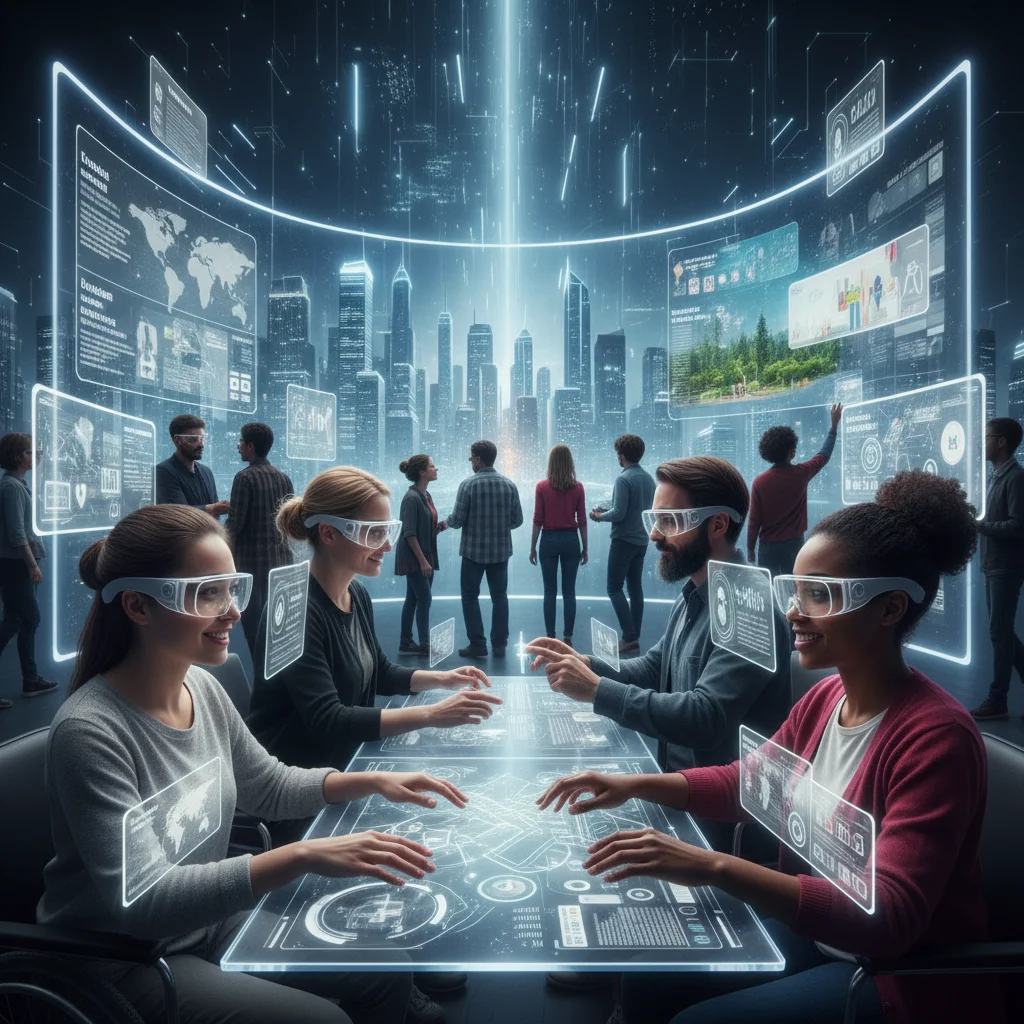
In an increasingly crowded digital space, capturing and retaining user attention requires more than just good content; it demands relevance. Hyper-personalization, driven by advanced AI and data analytics, is one of the most critical emerging digital trends that will dominate user experiences by mid-2026. This goes beyond simple recommendations; it involves creating dynamic, adaptive, and truly unique experiences for each individual user across all touchpoints.
The Evolution from Personalization to Hyper-Personalization
Traditional personalization often relies on basic demographic data and past behavior. Hyper-personalization, however, leverages real-time data, machine learning algorithms, and a deeper understanding of user context, preferences, and even emotional states. This allows for content, products, and services to be tailored precisely to an individual’s needs at any given moment. This level of customization is what sets it apart as a significant force among emerging digital trends.
Applications Across Industries
The applications of hyper-personalization are vast. In e-commerce, it will manifest as dynamic product recommendations, personalized discounts, and customized website layouts that adapt to a user’s browsing history and purchase intent. In media and entertainment, streaming services will offer not just personalized content suggestions but also dynamically generated narratives or interactive experiences based on viewer preferences. Education will see personalized learning paths and adaptive content that adjusts to a student’s pace and learning style. The healthcare sector will utilize it for personalized health advice, preventive care recommendations, and tailored treatment plans. These examples highlight the pervasive nature of hyper-personalization as one of the leading emerging digital trends.
Ethical Data Usage and Privacy Concerns
While hyper-personalization offers immense benefits, it also raises significant concerns about data privacy and ethical data usage. Consumers are increasingly aware of how their data is collected and used, and companies will need to be transparent and provide users with greater control over their personal information. Building trust through robust privacy policies and secure data handling will be paramount for successful implementation of this emerging digital trend. Compliance with regulations like GDPR and CCPA will be essential, and new regulations may emerge to address the specific challenges posed by hyper-personalization.
4. Sustainable Technology and Green IT Initiatives
As environmental concerns intensify, the demand for sustainable practices is growing across all sectors, and technology is no exception. Sustainable technology and Green IT initiatives are rapidly becoming critical emerging digital trends. By mid-2026, businesses and consumers in the US will increasingly prioritize environmentally friendly digital solutions, driving innovation in energy efficiency, waste reduction, and ethical resource management within the tech industry.
The Environmental Footprint of the Digital World
The digital world, while seemingly intangible, has a significant environmental footprint. Data centers consume vast amounts of energy, electronic waste (e-waste) is a growing problem, and the manufacturing of digital devices requires substantial resources. Recognizing this, there’s a concerted effort to develop more sustainable technological solutions. This focus on environmental impact makes sustainable technology a crucial element of the emerging digital trends.
Energy-Efficient Computing and Data Centers
A major focus of Green IT is on reducing the energy consumption of computing infrastructure. This includes developing more energy-efficient processors, optimizing data center cooling systems, and leveraging renewable energy sources to power digital operations. Liquid cooling, AI-driven energy management, and modular data centers are some of the innovations driving this trend. Companies that can demonstrate a commitment to energy efficiency will gain a competitive edge as these emerging digital trends take hold.
Circular Economy Principles for Electronics
The concept of a circular economy is gaining traction in the electronics industry. This involves designing products for longevity, repairability, and recyclability, minimizing waste and maximizing resource utilization. By mid-2026, we can expect to see more companies offering take-back programs for old devices, using recycled materials in new products, and promoting reparability over replacement. This shift towards a more sustainable lifecycle for electronics is a vital part of the emerging digital trends landscape.
Digital Solutions for Environmental Monitoring and Management
Beyond making technology itself more sustainable, digital tools are also being developed to help monitor and manage environmental challenges. AI and IoT sensors are being used for real-time tracking of pollution levels, optimizing resource allocation in agriculture, and predicting climate patterns. Blockchain technology can enhance transparency in supply chains, ensuring ethical sourcing and reducing environmental impact. These applications showcase how technology can be a powerful force for good in addressing global environmental issues, reinforcing sustainable tech’s role in emerging digital trends.
Conclusion: Navigating the Future of Digital Innovation
The digital landscape in the US is on the cusp of profound transformation, with these four emerging digital trends leading the charge by mid-2026. While the metaverse continues to capture headlines, the pervasive rise of advanced AI and hyper-automation, the maturation of Web3 and decentralized technologies, the advent of hyper-personalization, and the imperative of sustainable technology are arguably more foundational and immediate in their impact. These trends are not isolated; they often intersect and amplify each other, creating a complex yet exciting ecosystem of innovation.
For businesses, understanding and strategically integrating these emerging digital trends will be key to long-term success. This means investing in AI capabilities, exploring decentralized frameworks, prioritizing data-driven personalization, and embedding sustainability into technological development. It also requires a proactive approach to addressing the ethical and societal implications that accompany these powerful advancements.
For individuals, staying informed about these emerging digital trends is crucial for navigating an increasingly digitized world. From career opportunities in AI and Web3 to making informed choices about privacy and sustainable consumption, an understanding of these shifts empowers us to be active participants in shaping the future. The next few years promise a dynamic evolution of our digital lives, moving us well beyond the initial visions of the metaverse into a richer, more integrated, and potentially more impactful digital era.
The journey beyond the metaverse is not just about new technologies; it’s about a fundamental rethinking of how technology serves humanity and the planet. As these emerging digital trends continue to develop, they will redefine industries, create new economic models, and reshape our daily interactions. Being prepared for these shifts is not an option but a necessity in the rapidly accelerating digital age.
Embracing these emerging digital trends means fostering a culture of continuous learning and adaptation. Businesses must be agile, willing to experiment, and prepared to pivot as new opportunities arise. Consumers will need to develop digital literacy and critical thinking skills to discern valuable innovations from passing fads. The future is not just arriving; it’s being built, piece by digital piece, by these transformative trends.
Ultimately, the narrative of emerging digital trends by mid-2026 is one of increased intelligence, decentralization, personalization, and responsibility. These pillars will support a digital future that is more efficient, equitable, and sustainable. The metaverse may be a destination, but these trends are the powerful currents guiding us there, and to many other unforeseen digital horizons.