Smart Home Systems 2026: Top 4 Integrated Technologies in the U.S.
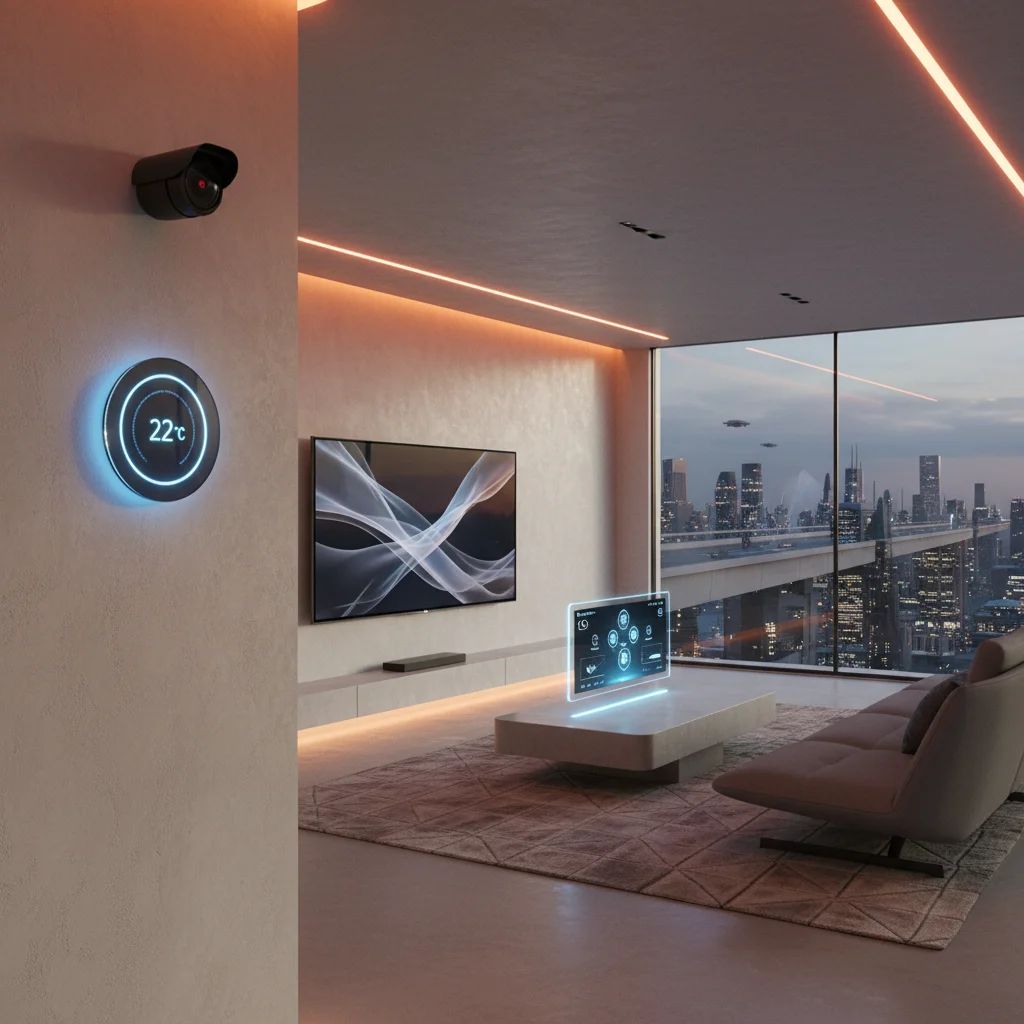
The landscape of residential living is undergoing a profound transformation, driven by the relentless march of technological innovation. At the heart of this revolution lies the concept of the smart home – an interconnected ecosystem of devices and systems designed to enhance convenience, security, energy efficiency, and overall quality of life. As we hurtle towards 2026, the United States market is poised to witness an unprecedented boom in the adoption and sophistication of integrated smart home systems. What began as individual smart gadgets has evolved into comprehensive, synergistic platforms that communicate seamlessly, offering homeowners unparalleled control and automation.
The allure of the smart home is multifaceted. Imagine a dwelling that anticipates your needs, adjusts its environment to your preferences, and protects your loved ones and possessions with unwavering vigilance. This vision is rapidly becoming a reality, fueled by advancements in Artificial Intelligence (AI), Machine Learning (ML), the Internet of Things (IoT), and robust wireless communication protocols. Consumers are no longer content with standalone devices; they demand cohesive solutions that simplify their lives rather than complicate them. This shift in demand is propelling the growth of integrated smart home systems, making them a cornerstone of modern residential infrastructure.
Understanding the current trends and projecting future dominance requires a deep dive into the underlying technologies, market dynamics, and consumer preferences. By 2026, certain integrated systems are expected to solidify their position as market leaders, offering a blend of reliability, user-friendliness, and comprehensive functionality. This article will explore the evolution of smart homes, delve into the key drivers behind their adoption, and, most importantly, identify and analyze the top four integrated smart home systems that are set to dominate the U.S. market by 2026. We will examine their core features, the value they bring to homeowners, and the technological innovations that set them apart.
From advanced security networks that learn your routines to intelligent energy management solutions that optimize consumption, and from sophisticated entertainment hubs to comprehensive environmental controls, the future of home living is integrated and intelligent. Join us as we unpack the exciting world of smart home technology and prepare for the next wave of innovation.
The Rise of Integrated Smart Home Systems: Beyond Standalone Devices
The journey of the smart home began humbly, with individual devices like smart light bulbs or rudimentary thermostats. While these early innovations offered glimpses into a more connected future, their limited interoperability often led to fragmented user experiences. Homeowners found themselves managing multiple apps for different devices, negating much of the promised convenience. This early challenge paved the way for the development of integrated smart home systems – platforms designed to bring disparate devices under a single, unified control. The transition from standalone gadgets to cohesive ecosystems marks a pivotal moment in the smart home revolution.
Integrated systems leverage central hubs or software platforms that act as the brain of the smart home. These hubs facilitate communication between various devices, enabling complex automation routines and offering a single point of control for the entire home environment. The benefits are immediately apparent: enhanced convenience through centralized management, improved efficiency as devices work in concert, and superior security with interconnected sensors and cameras. This shift is not merely about adding more devices; it’s about creating a harmonious and intelligent living space where every component contributes to a greater whole.
Several factors have accelerated this integration trend. The proliferation of IoT devices has created a vast network of potential connections. Advances in wireless communication standards like Wi-Fi 6, Zigbee, Z-Wave, and Thread have made these connections more reliable and efficient. Crucially, the development of open-source platforms and standardized APIs has encouraged greater interoperability between different manufacturers’ products, fostering a more collaborative and consumer-friendly ecosystem. As a result, the market for integrated smart home systems is expanding rapidly, with consumers increasingly prioritizing comprehensive solutions over individual smart gadgets.
The demand for such systems is also fueled by a growing awareness of their potential to address real-world problems. Energy concerns, security anxieties, and the desire for greater comfort and convenience are powerful motivators. Integrated systems offer tangible solutions, from reducing electricity bills through smart energy management to providing peace of mind with advanced security features. The market is maturing, moving beyond early adopters to a broader consumer base that recognizes the long-term value and transformative potential of a truly smart home.
Key Drivers Shaping Smart Home Adoption in the U.S. Market
The rapid adoption of smart home systems in the U.S. is not a random phenomenon but rather the result of several powerful converging forces. Understanding these drivers is crucial to appreciating the trajectory of the market and the specific types of integrated systems that are gaining traction. These influences span technological advancements, economic considerations, and evolving consumer lifestyles.
1. Technological Advancements and Interoperability
At the forefront are significant leaps in technology. The continued miniaturization of sensors, the increased processing power of embedded systems, and the ubiquitous spread of high-speed internet (including 5G) have laid a robust foundation. More importantly, the focus has shifted towards interoperability. Standardized communication protocols and open platforms are breaking down the walled gardens that once hindered smart home growth. This means devices from different manufacturers can now "talk" to each other, creating a truly integrated experience. AI and Machine Learning are also playing a pivotal role, allowing systems to learn user preferences, anticipate needs, and automate tasks with increasing intelligence. Voice assistants, powered by advanced AI, have become intuitive interfaces, making smart home control more accessible than ever.
2. Enhanced Security and Safety Concerns
Security remains a paramount concern for homeowners. Integrated smart home systems offer a comprehensive approach to home protection that goes far beyond traditional alarms. Modern systems combine smart locks, video doorbells, indoor and outdoor cameras, motion sensors, and professional monitoring services into a cohesive network. The ability to remotely monitor one’s home, receive instant alerts, and even interact with visitors or intruders through two-way audio provides an unparalleled sense of security. Beyond intrusion, smart homes also address safety with integrated smoke, carbon monoxide, and water leak detectors that can alert homeowners and even shut off water mains automatically, preventing significant damage. This holistic approach to safety is a major draw for consumers.
3. Energy Efficiency and Cost Savings
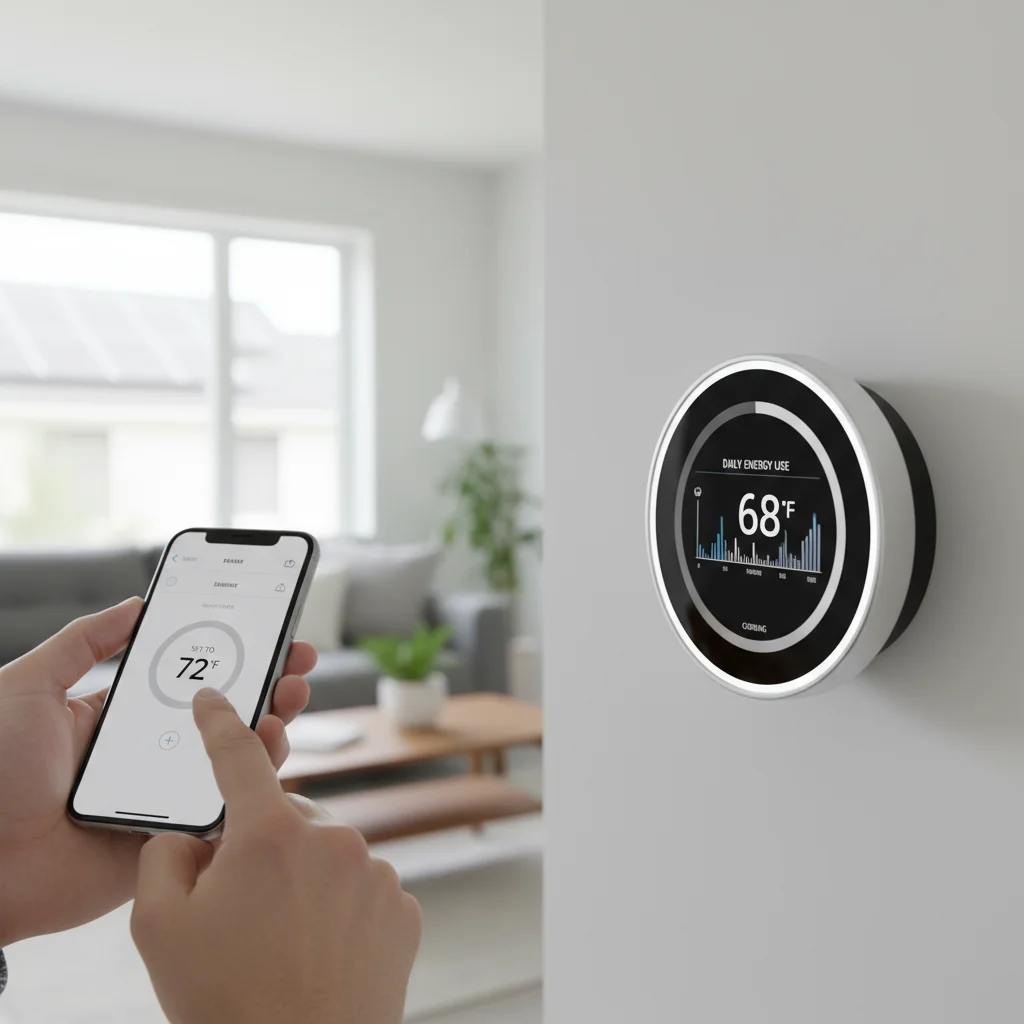
With rising energy costs and a growing environmental consciousness, energy efficiency is a significant driver for smart home adoption. Integrated systems like smart thermostats, smart lighting, and smart plugs allow homeowners to precisely monitor and control their energy consumption. These systems can learn occupancy patterns, adjust temperatures based on external weather data, and turn off lights in unoccupied rooms, leading to substantial savings on utility bills. The ability to remotely manage energy usage – for example, adjusting the AC while on vacation – provides both convenience and financial benefits. As energy prices continue to fluctuate, the economic advantages of smart energy management will only become more pronounced.
4. Convenience and Lifestyle Enhancement
Ultimately, smart homes are about making life easier and more enjoyable. The convenience factor is immense, from automating daily routines like waking up to a pre-heated home and freshly brewed coffee, to controlling entertainment systems with voice commands, or managing household chores with smart appliances. Integrated systems allow for personalized scenes and routines – a "good morning" scene might open blinds, turn on lights, and start music, all with a single command. For families, busy professionals, and seniors, the ability to streamline daily tasks, monitor children, or provide assistance to elderly relatives remotely adds significant value. The seamless integration of various functions transforms a house into a responsive and intuitive living space that adapts to the homeowner’s lifestyle.
5. Accessibility and Aging in Place
A burgeoning driver, though often less discussed, is the role of smart home systems in enhancing accessibility and enabling aging in place. For individuals with disabilities or elderly residents, smart technology can be life-changing. Voice-controlled lighting, automated door locks, smart fall detection sensors, and remote monitoring capabilities can significantly improve independence and safety. As populations age, the demand for homes that can adapt to changing needs will only increase, positioning integrated smart home solutions as essential tools for dignified and independent living.
The Top 4 Integrated Smart Home Systems Dominating the U.S. Market by 2026
As the smart home market matures, certain integrated systems are emerging as clear leaders, offering comprehensive solutions that resonate with a broad spectrum of U.S. consumers. These platforms differentiate themselves through robust ecosystems, advanced features, and a commitment to seamless user experiences. By 2026, we anticipate these four categories of integrated smart home systems to be at the forefront of market dominance.
1. Comprehensive Security & Surveillance Systems with AI Integration
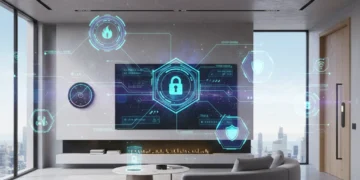
Security has always been a primary concern for homeowners, and smart technology has revolutionized this domain. By 2026, the leading integrated security and surveillance systems will move beyond simple alerts to offer predictive capabilities and intelligent automation. These systems will incorporate an array of devices including high-definition cameras with facial recognition and package detection, smart locks with biometric access, motion and glass-break sensors, and integrated alarm systems. AI integration will be key, allowing systems to learn normal household patterns, differentiate between pets and intruders, and minimize false alarms. Two-way audio, remote monitoring, and professional monitoring services will be standard. Furthermore, these systems will seamlessly integrate with other smart home functionalities, for instance, turning on lights and locking doors automatically when an alarm is triggered, or providing live video feeds to emergency services. Brands like Ring, Arlo, SimpliSafe, and ADT (with their smart home integrations) are already pushing the boundaries here, offering robust and user-friendly platforms that prioritize peace of mind.
The growth in this segment is fueled by a desire for proactive rather than reactive security. Homeowners want to be informed and have control, even when away. The ability to check in on children arriving home from school, verify deliveries, or monitor elderly relatives remotely provides an invaluable sense of security. These systems are also becoming more sophisticated in their ability to deter crime, with features like simulated occupancy lighting and audible alerts that can be triggered remotely. The ongoing development of edge AI – processing data directly on the device rather than in the cloud – will enhance privacy and speed, making these systems even more appealing and responsive.
2. Advanced Energy Management & Climate Control Systems
With increasing awareness of climate change and rising utility costs, intelligent energy management and climate control systems are becoming indispensable. By 2026, these integrated smart home systems will offer granular control over heating, ventilation, and air conditioning (HVAC), lighting, and appliance usage. Smart thermostats will not only learn preferences but also integrate with local weather forecasts, utility peak-demand pricing, and occupancy sensors to optimize energy consumption autonomously. Dynamic lighting systems will adjust brightness and color temperature based on natural light levels, time of day, and user activity, contributing to both energy savings and well-being. Smart plugs will allow for monitoring and control of individual appliances, identifying energy vampires and enabling scheduled power cycles.
Leading examples include Nest, ecobee, and Lutron, which are continuously innovating to provide more intuitive interfaces and deeper integration with overall home automation. These systems will also increasingly incorporate renewable energy sources, managing solar panel output and battery storage to maximize self-sufficiency and minimize grid dependence. The data insights provided by these systems – detailed reports on energy usage and savings – empower homeowners to make informed decisions and further optimize their consumption. The focus will be on creating a truly self-optimizing home environment that balances comfort with sustainability and cost efficiency. The integration with smart grids and demand-response programs from utility companies will further enhance their value, allowing homes to automatically adjust consumption during peak hours to save money and support grid stability.
3. Unified Entertainment & Smart Media Hubs
The modern living room is a hub of entertainment, and integrated smart home systems are transforming how we consume media. By 2026, unified entertainment and smart media hubs will seamlessly integrate audio, video, gaming, and streaming services into a cohesive, voice-controlled experience. These systems will go beyond simply playing content; they will manage multiple zones, synchronize audio across different rooms, and offer personalized content recommendations based on user profiles. Devices like smart TVs, soundbars, streaming boxes, and gaming consoles will all be controlled from a single interface, often a central smart display or a voice assistant.
Brands like Sonos, Apple HomeKit, Google Home, and Amazon Alexa are at the forefront of this integration, offering ecosystems that allow users to control everything from their TV volume to their entire music library with simple voice commands or a tap on a smartphone. The future will see these hubs becoming even more intelligent, understanding context and anticipating entertainment needs. For instance, a "movie night" command could dim the lights, close the blinds, turn on the projector, and start the sound system. The evolution of augmented reality (AR) and virtual reality (VR) will also likely integrate with these hubs, creating immersive entertainment experiences that blur the lines between the digital and physical worlds. The goal is to create an effortless and highly personalized entertainment environment that adapts to the mood and preferences of the household.
4. Comprehensive Home Automation Platforms with AI Personalization
This category represents the pinnacle of smart home integration, where all aspects of the home – from security and climate to entertainment and daily routines – are orchestrated by a single, intelligent platform. By 2026, these comprehensive home automation platforms will leverage advanced AI and machine learning to offer unparalleled personalization. They will learn individual habits, preferences, and schedules, proactively adjusting the home environment without explicit commands. Think of a home that knows when you wake up, when you leave for work, when you return, and adjusts lighting, temperature, and even plays your favorite music accordingly.
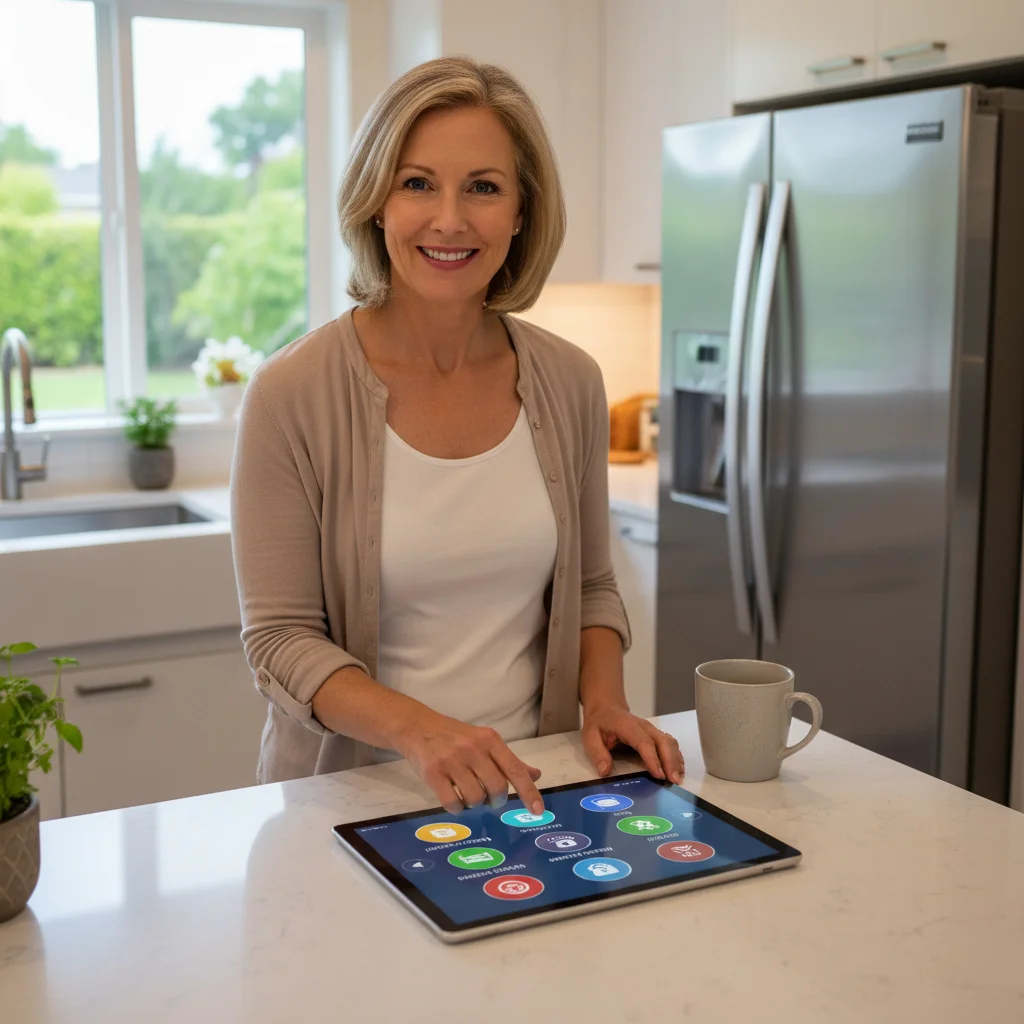
These platforms will act as the central nervous system of the home, integrating with hundreds of devices and services. They will support complex "if-then" scenarios and "presence-based" automation, responding to who is home, where they are, and what they are doing. Examples include platforms like Samsung SmartThings, Control4, Savant, and increasingly, deeper integrations within Apple HomeKit and Google Home ecosystems. The emphasis will be on intuitive control interfaces, whether through voice, touchscreens, or even gestures, and on providing robust privacy and data security. The ultimate goal is to create a living space that feels intuitively responsive and deeply personal, making daily life smoother, safer, and more enjoyable for every occupant. The ability of these platforms to adapt and evolve with the homeowner’s needs will be a crucial differentiator, ensuring long-term value and relevance.
The Future Landscape: Challenges and Opportunities for Smart Home Systems
While the trajectory for integrated smart home systems in the U.S. market by 2026 appears overwhelmingly positive, it’s essential to acknowledge the challenges and opportunities that will shape its future. Addressing these aspects will be crucial for sustained growth and wider adoption.
Overcoming Interoperability Hurdles
Despite significant progress, true universal interoperability remains a work in progress. Different manufacturers still use proprietary protocols or interpretations of open standards, leading to compatibility issues. The emergence of initiatives like Matter, a new connectivity standard for smart home devices, offers a promising solution. By providing a unified language for devices to communicate, Matter aims to simplify the setup process and ensure seamless integration across brands. Widespread adoption of such standards will be critical for reducing consumer frustration and accelerating market penetration of smart home systems.
Ensuring Robust Security and Privacy
As smart homes become more interconnected, the potential for cybersecurity vulnerabilities increases. Data privacy is another significant concern, with sensitive information – from daily routines to voice commands – being collected and processed. Manufacturers and platform providers must prioritize robust encryption, secure authentication methods, and transparent data handling policies. Building consumer trust through strong security measures and clear privacy statements will be paramount for widespread acceptance. Regulations around data protection for smart home devices may also become more prevalent, pushing companies to adopt best practices.
Simplifying User Experience and Installation
For smart homes to move beyond tech enthusiasts, the installation and daily management must become simpler for the average consumer. "Plug and play" functionality, intuitive user interfaces, and clear instructions are vital. Professional installation services will continue to play a role for complex systems, but the trend towards DIY-friendly setups for core functionalities will broaden the market. Voice control and AI-driven automation will further simplify interaction, making smart home systems accessible to a wider demographic, including the elderly and those less tech-savvy.
Affordability and Accessibility
While high-end systems cater to luxury markets, mass-market adoption hinges on affordability. The cost of smart devices and professional installation can be a barrier for many households. As technology matures and production scales, prices are expected to decrease, making integrated smart home systems more accessible. Furthermore, modular systems that allow homeowners to start with basic functionalities and expand over time will appeal to budget-conscious consumers. The availability of financing options and partnerships with home builders and utility companies can also drive down the effective cost of entry.
The Role of AI and Machine Learning
The future of smart home systems is inextricably linked to advancements in AI and machine learning. These technologies will enable homes to become truly intelligent – capable of predicting needs, learning from behavior, and adapting to changing environments without constant human intervention. From predictive maintenance for appliances to personalized climate control and proactive security alerts, AI will transform the smart home from a collection of automated devices into a truly intuitive living companion. The development of localized AI (edge computing) will also enhance privacy and responsiveness by processing data on the device itself, reducing reliance on cloud servers.
Sustainable Smart Homes
Beyond energy efficiency, smart homes will increasingly contribute to broader sustainability goals. Integrated systems will manage not just energy consumption but also water usage, waste management (e.g., smart composting, recycling reminders), and even indoor air quality. Homes will become active participants in the smart grid, balancing energy demand and supply. The use of eco-friendly materials in smart device manufacturing and the ability to update software rather than replace hardware will also contribute to a more sustainable smart home ecosystem.
Conclusion: A Smarter Future Awaits with Integrated Smart Home Systems
The U.S. smart home market is on an undeniable trajectory of growth and sophistication, with integrated smart home systems poised to redefine residential living by 2026. The shift from individual smart gadgets to comprehensive, interconnected ecosystems marks a significant evolution, driven by consumer demand for greater convenience, enhanced security, and improved energy efficiency.
The dominance of comprehensive security and surveillance, advanced energy management and climate control, unified entertainment and smart media hubs, and all-encompassing home automation platforms with AI personalization will reshape how we interact with our living spaces. These systems are not merely technological novelties; they are becoming essential components of modern homes, offering tangible benefits that enhance quality of life and provide peace of mind.
While challenges such as interoperability, security, and affordability remain, ongoing innovation and industry collaboration are steadily addressing these hurdles. The increasing adoption of universal standards like Matter, coupled with advancements in AI and machine learning, promises a future where smart homes are not only more intelligent and responsive but also more accessible and sustainable.
As we look towards 2026, the vision of a truly intuitive and self-optimizing home is within reach. Integrated smart home systems will continue to evolve, learning from our habits, anticipating our needs, and seamlessly managing our environment. For homeowners, this means a future of unparalleled comfort, efficiency, and security – a future where the home is not just a place to live, but a dynamic and intelligent partner in daily life. The smart home revolution is here to stay, and its integrated future is brighter than ever.