Cybersecurity for the Average American: 4 Critical Steps to Take Before June 2026
In an increasingly digital world, the need for robust cybersecurity has never been more pressing. For the average American, navigating the complexities of online threats can feel overwhelming, yet the stakes are incredibly high. From personal financial data to sensitive health information and even the simple joy of online communication, almost every facet of modern life is touched by digital interactions. As we approach June 2026, a critical deadline in the ever-evolving landscape of cyber threats, it’s imperative that every individual understands and implements foundational American cybersecurity steps to safeguard their digital existence. This comprehensive guide will break down the essential actions you need to take, offering practical advice and actionable strategies to empower you against the most common and dangerous online perils.
The digital frontier, while offering unparalleled convenience and connectivity, also presents a fertile ground for malicious actors. Cybercriminals, identity thieves, and various online scammers are constantly refining their techniques, making it crucial for individuals to stay informed and proactive. The notion that cybersecurity is solely the domain of IT professionals or large corporations is a dangerous misconception. In reality, the weakest link in the digital chain is often the individual user, making personal cybersecurity a collective responsibility that contributes to overall national digital resilience. By focusing on fundamental American cybersecurity steps, we can collectively build a stronger, more secure online environment for everyone.
This article aims to demystify cybersecurity, making it accessible and actionable for everyone, regardless of their technical expertise. We will explore four critical areas where immediate action can significantly bolster your digital defenses. These steps are not just theoretical recommendations; they are practical, tangible measures that can be implemented today, offering substantial protection against a wide array of cyber threats. The urgency of these actions is underscored by the continuous rise in data breaches, ransomware attacks, and sophisticated phishing campaigns that target individuals daily. Ignoring these warnings is no longer an option; proactive defense is the only viable strategy.
Before diving into the specifics, it’s important to understand the ‘why’ behind these recommendations. The landscape of cyber threats is dynamic, with new vulnerabilities and attack vectors emerging regularly. Governments and organizations are continually updating their security protocols, but individual responsibility remains paramount. By June 2026, the digital world will have evolved further, and the baseline for what constitutes adequate personal cybersecurity will have shifted. Therefore, the steps outlined here are designed to not only address current threats but also to prepare you for the foreseeable challenges of the near future, ensuring your digital safety and peace of mind. Let’s embark on this journey to strengthen your American cybersecurity steps and secure your digital future.
Step 1: Fortify Your Digital Gates with Strong, Unique Passwords and a Password Manager
The foundation of all digital security lies in your passwords. Far too many Americans still rely on weak, easily guessable passwords or, worse, reuse the same password across multiple accounts. This practice is akin to using the same key for your home, car, and bank vault – a single compromise could unlock your entire digital life. The first and arguably most crucial of all American cybersecurity steps is to establish a robust password strategy. This involves two core principles: creating strong, unique passwords for every account and utilizing a password manager to effortlessly manage them.
The Anatomy of a Strong Password
A strong password is not just long; it’s also complex and unpredictable. Here’s what makes a password truly strong:
- Length: Aim for at least 12-16 characters. The longer the password, the harder it is to crack through brute-force attacks.
- Complexity: Include a mix of uppercase letters, lowercase letters, numbers, and special characters (e.g., !, @, #, $, %).
- Unpredictability: Avoid using personal information (birthdays, pet names, addresses), common words, dictionary words, or sequential numbers/letters (e.g., “123456”, “qwerty”).
- Uniqueness: Never reuse passwords across different accounts. If one service is breached, only that account is compromised, not your entire digital footprint.
Memorizing dozens of complex, unique passwords is an impossible task for most. This is where the second part of this critical step comes into play: a password manager.
Embrace the Power of a Password Manager
A password manager is a secure application that stores all your login credentials in an encrypted vault, protected by a single, strong master password. It generates strong, unique passwords for you, autofills them when you log in, and alerts you to compromised passwords. This tool is an absolute game-changer for personal cybersecurity and is an indispensable part of your American cybersecurity steps toolkit. Popular and reputable password managers include LastPass, 1Password, Bitwarden, and Dashlane.
Here’s why a password manager is essential:
- Generates Strong Passwords: It automatically creates long, complex, and unique passwords for all your new accounts.
- Secure Storage: All your passwords are encrypted and stored securely, accessible only with your master password.
- Autofill Convenience: It automatically fills in your login credentials, saving you time and preventing typos.
- Breach Detection: Many password managers monitor for data breaches and alert you if any of your stored passwords have been compromised, prompting you to change them immediately.
- Multi-Device Sync: Your passwords are securely synced across all your devices, making them accessible wherever you are.
Making the switch to a password manager might seem daunting initially, but the long-term security benefits and convenience far outweigh the initial effort. Commit to implementing this fundamental change before June 2026 to significantly enhance your digital security posture.
Step 2: Activate Multi-Factor Authentication (MFA) Everywhere Possible
Even with the strongest passwords, there’s always a risk, however small, that a password could be stolen or guessed. This is where Multi-Factor Authentication (MFA) – sometimes called Two-Factor Authentication (2FA) – provides a crucial second layer of defense. MFA is a security system that requires more than one method of verification from independent categories of credentials to verify the user’s identity for a login or other transaction. It’s one of the most effective American cybersecurity steps you can take to prevent unauthorized access to your accounts, even if your password falls into the wrong hands.
How MFA Works
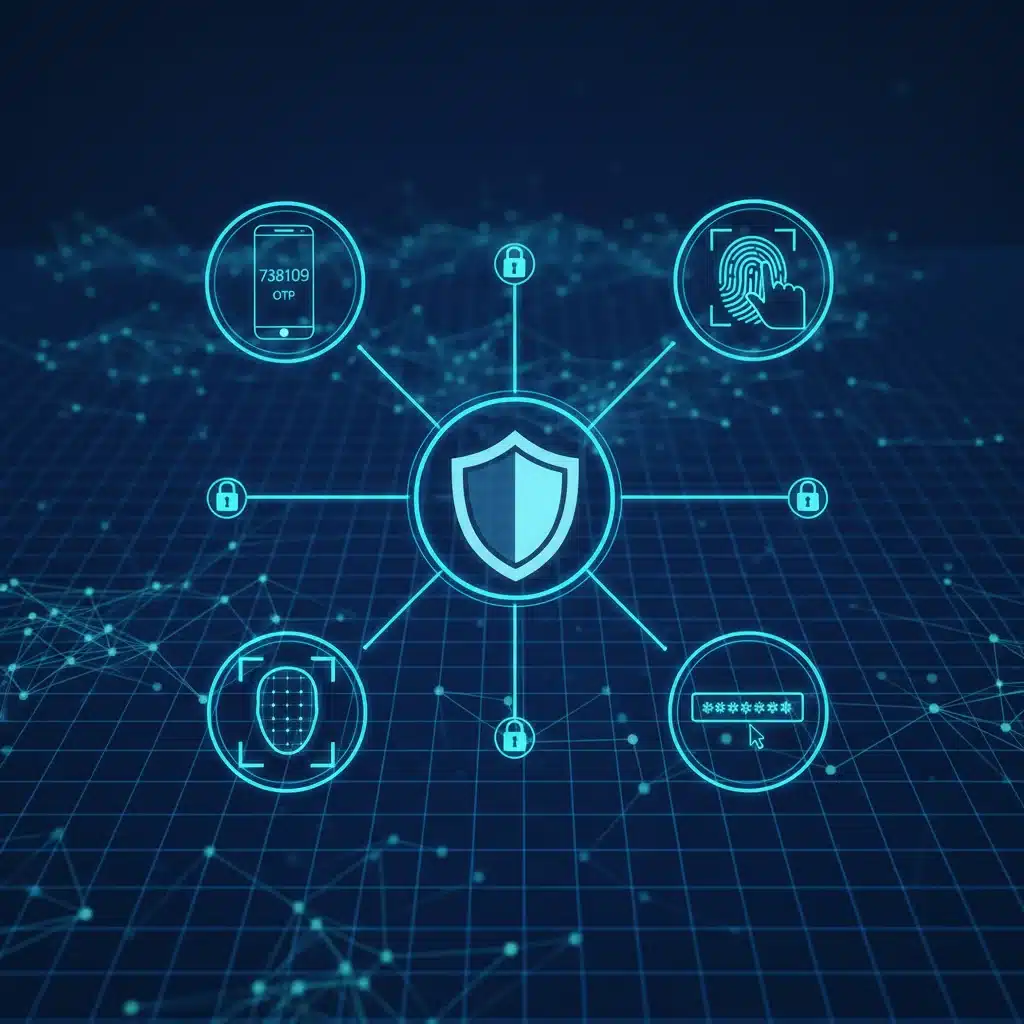
MFA typically combines something you know (your password) with something you have (a code from your phone, a physical key) or something you are (a fingerprint, facial scan). When you log into an account with MFA enabled, after entering your password, the service will prompt you for a second verification step. This could be:
- A code sent via SMS: A one-time passcode delivered to your registered phone number.
- An authenticator app: Apps like Google Authenticator, Microsoft Authenticator, or Authy generate time-sensitive codes that you enter. These are generally more secure than SMS codes.
- Biometrics: Fingerprint scans or facial recognition on your smartphone or computer.
- Physical security keys: USB devices like YubiKeys that you plug in or tap to confirm your identity. These offer the highest level of security.
Why MFA is Non-Negotiable
The beauty of MFA is that even if a cybercriminal manages to steal your password, they still won’t be able to access your account without the second factor. This drastically reduces the success rate of various attacks, including phishing and credential stuffing. Make it a priority to enable MFA on every single online account that offers it. This includes your email, banking, social media, cloud storage, and any other service containing sensitive personal information. Many services now offer MFA as a standard security feature, so activating it is usually a straightforward process within your account settings.
The deadline of June 2026 is a reminder that cyber threats are constantly evolving. Implementing MFA across your digital footprint is not just a recommendation; it’s a vital defense mechanism that every American should adopt to protect their online identity and assets. Prioritize your most sensitive accounts first – email, financial institutions, and primary social media profiles – and then work your way through the rest. This proactive measure is a cornerstone of effective American cybersecurity steps.
Step 3: Keep Your Software and Operating Systems Updated
Think of software updates as regular tune-ups and security patches for your digital devices. Just as a physical house needs maintenance to remain structurally sound, your computers, smartphones, tablets, and even smart home devices require regular updates to patch vulnerabilities that cybercriminals could exploit. Neglecting software updates is like leaving your doors and windows unlocked, inviting trouble. This critical, yet often overlooked, practice is a fundamental part of effective American cybersecurity steps.
The Importance of Updates
Software developers and operating system providers (like Microsoft, Apple, Google, and various app developers) are constantly working to identify and fix security flaws. When they release an update, it often contains patches for newly discovered vulnerabilities. If you don’t install these updates, your devices remain exposed to these known weaknesses, making you an easy target for malware, viruses, and other cyberattacks.
- Security Patches: The primary reason for updates is to fix security holes. These patches close doors that hackers might use to gain unauthorized access to your system or data.
- Bug Fixes: Updates also resolve software bugs that can cause crashes, performance issues, or unexpected behavior.
- New Features and Improvements: While not directly security-related, updates often introduce new functionalities and enhance user experience, making your devices more efficient and enjoyable to use.
- Compatibility: Keeping software updated ensures compatibility with other applications and services, preventing conflicts and ensuring smooth operation.
Where to Update and How
This step applies to virtually all your digital technology:
- Operating Systems: Ensure your Windows, macOS, Android, or iOS is set to update automatically or that you manually install updates as soon as they are available.
- Web Browsers: Browsers like Chrome, Firefox, Edge, and Safari are frequently targeted. Most update automatically, but it’s good practice to check their settings.
- Applications and Apps: Regularly update all installed software on your computer and apps on your smartphone. Enable automatic updates where possible.
- Smart Devices: Don’t forget your smart TVs, routers, smart speakers, security cameras, and other IoT (Internet of Things) devices. Check the manufacturer’s website or app for firmware updates.
Make it a habit to check for and install updates regularly. Enabling automatic updates whenever possible is the easiest way to ensure you’re always running the most secure version of your software. By June 2026, the digital threat landscape will have evolved, and having up-to-date software will be even more critical. This proactive approach to maintenance is a cornerstone of responsible American cybersecurity steps.
Step 4: Learn to Recognize and Avoid Phishing and Social Engineering Scams
While strong passwords, MFA, and updated software protect against technical vulnerabilities, the human element remains the most common entry point for cyberattacks. Phishing and social engineering scams exploit human psychology, tricking individuals into revealing sensitive information or performing actions that compromise their security. Understanding and identifying these tactics is a vital American cybersecurity step for every internet user.
What is Phishing?
Phishing is a type of cyberattack where attackers disguise themselves as trustworthy entities (e.g., banks, government agencies, popular companies, or even friends/colleagues) to trick individuals into divulging sensitive information like usernames, passwords, credit card details, or other personal data. These attacks typically come via email, text messages (smishing), or phone calls (vishing).
Common Characteristics of Phishing Scams:
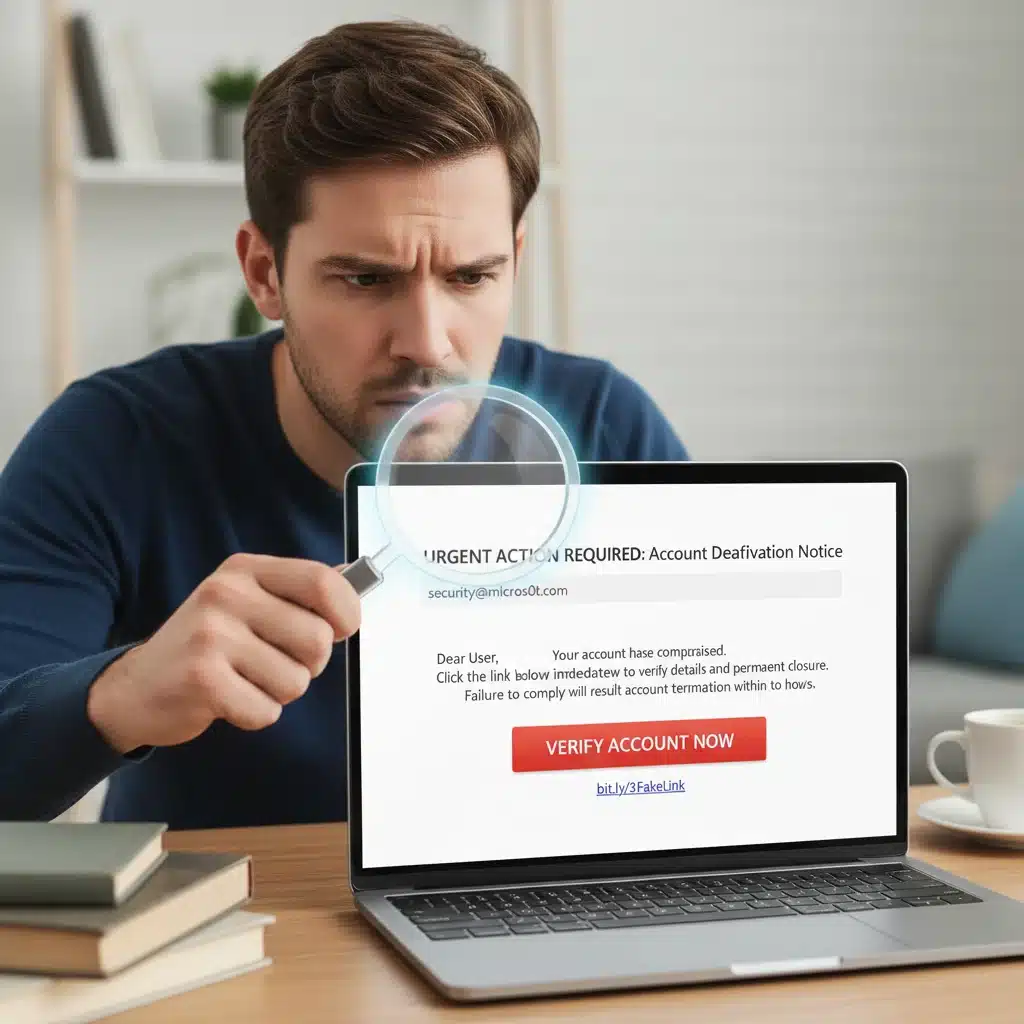
- Urgency or Threats: Messages often create a sense of panic or urgency, threatening account suspension, legal action, or financial penalties if you don’t act immediately.
- Spoofed Sender Addresses: The sender’s email address might look legitimate but has subtle misspellings or comes from an unusual domain.
- Generic Greetings: Instead of addressing you by name, they might use generic greetings like “Dear Customer.”
- Suspicious Links: Hover over links (without clicking!) to see the actual URL. Phishing links often lead to fake websites that mimic legitimate ones.
- Grammar and Spelling Errors: Professional organizations rarely send communications with numerous grammatical mistakes or typos.
- Requests for Sensitive Information: Legitimate organizations will almost never ask for your password, Social Security number, or full credit card number via email or text.
- Unexpected Attachments: Be wary of unsolicited attachments, especially if they are executable files (.exe) or compressed files (.zip).
How to Protect Yourself from Phishing and Social Engineering:
- Think Before You Click: Always pause and scrutinize any suspicious email or message. If it seems too good to be true, it probably is.
- Verify the Sender: If an email seems off, contact the supposed sender directly using a known, legitimate phone number or email address (not the one provided in the suspicious message).
- Check URLs Carefully: Before clicking a link, hover your mouse over it to see the full URL. Ensure it’s the official website. If in doubt, type the website address directly into your browser.
- Never Share Sensitive Information: Be extremely cautious about requests for personal or financial information.
- Report Phishing: Forward suspicious emails to the Anti-Phishing Working Group at [email protected] or to your email provider.
- Educate Yourself Continuously: Stay informed about the latest phishing tactics. Cybercriminals are always innovating.
By June 2026, phishing attempts will likely be even more sophisticated, potentially leveraging AI to create highly convincing scams. Developing a skeptical mindset and actively practicing these verification steps are indispensable American cybersecurity steps that empower you to be your own best defense against these insidious attacks.
Beyond the Four Steps: Continuous Vigilance and Future-Proofing Your Security
While the four critical American cybersecurity steps outlined above form a robust foundation, cybersecurity is not a one-time task but an ongoing commitment. The digital landscape is in constant flux, with new technologies emerging and, consequently, new vulnerabilities and threats. To truly secure your digital life beyond June 2026, continuous vigilance and a proactive mindset are essential.
Regular Data Backups
Imagine losing all your photos, important documents, and personal files due to a hard drive crash, a ransomware attack, or theft. Regular backups are your ultimate safety net. Implement a 3-2-1 backup strategy: at least 3 copies of your data, stored on 2 different types of media, with 1 copy offsite (e.g., cloud storage, external hard drive stored elsewhere). This ensures that even if your primary device is compromised, your valuable data remains safe and recoverable.
Understanding Privacy Settings
Many online services and social media platforms collect vast amounts of your personal data. Take the time to review and adjust your privacy settings on all your accounts. Limit what information is publicly visible, who can contact you, and what data is shared with third-party applications. Understanding and controlling your digital footprint is a crucial aspect of personal cybersecurity and privacy.
Secure Wi-Fi Networks
Your home Wi-Fi network is the gateway to all your devices. Ensure it is secured with a strong, unique password (not the default one) and WPA3 or WPA2 encryption. Avoid using public, unsecured Wi-Fi networks for sensitive activities like banking or online shopping, as these can be easily intercepted by cybercriminals. If you must use public Wi-Fi, use a Virtual Private Network (VPN) to encrypt your traffic.
Beware of Public USB Charging Stations
“Juice jacking” is a real threat. Public USB charging stations can be compromised to install malware on your device or steal your data while you charge. It’s safer to use your own wall adapter and cable, or carry a portable power bank. If you must use a public port, consider using a “USB condom” (a data blocker) that only allows power transfer.
Educate Your Family
Cybersecurity is a family affair. Share these American cybersecurity steps with your loved ones, especially children and elderly relatives who may be more susceptible to online scams. Teach them about strong passwords, MFA, identifying phishing, and responsible online behavior. A single weak link can compromise the entire household’s digital security.
Stay Informed
The world of cybersecurity is constantly evolving. Follow reputable cybersecurity news sources, blogs, and government advisories to stay updated on the latest threats and protective measures. Organizations like the Cybersecurity and Infrastructure Security Agency (CISA) offer valuable resources for individuals.
Conclusion: Your Digital Fort Before June 2026
As we navigate the complexities of the 21st century, digital security is no longer a luxury but a fundamental necessity. The deadline of June 2026 serves as a timely reminder for every American to re-evaluate and strengthen their digital defenses. By diligently implementing these four critical American cybersecurity steps – establishing strong, unique passwords with a manager, activating multi-factor authentication, keeping all software updated, and mastering the art of recognizing phishing and social engineering scams – you will build a formidable digital fort around your personal information and online life.
Remember, cybersecurity is a journey, not a destination. It requires ongoing attention, education, and adaptation. By taking these proactive measures now, you not only protect yourself but also contribute to a safer, more resilient digital ecosystem for everyone. Don’t wait until it’s too late; empower yourself with knowledge and action today. Your digital peace of mind depends on it.
Let these American cybersecurity steps be your guide to a more secure and confident online experience as we move towards and beyond June 2026. Stay safe, stay vigilant, and stay secure.