Wearable Health Tech 2026: Top 3 Monitoring Devices

The Future is Now: Top 3 Wearable Health Tech Devices Gaining Traction in the U.S. in 2026
The landscape of personal health management is undergoing a revolutionary transformation, largely driven by the relentless advancement of wearable health tech. In 2026, we are witnessing a pivotal moment where these innovative devices are no longer just futuristic concepts but indispensable tools for proactive health monitoring and disease prevention. The United States, a hub for technological adoption and healthcare innovation, is at the forefront of this revolution, with millions embracing these smart gadgets to gain unprecedented insights into their well-being. This article delves into the top three wearable health tech devices that are not just gaining traction but are fundamentally reshaping how we approach our health in 2026.
From continuous, non-invasive vital sign tracking to sophisticated disease prediction algorithms, these devices are empowering individuals with data-driven decision-making capabilities. They offer a personalized approach to health that was once confined to clinics and laboratories, bringing it directly to our wrists, chests, and even our beds. The integration of artificial intelligence (AI) and machine learning (ML) into these wearables has elevated their capabilities, allowing for more accurate readings, predictive analytics, and tailored health recommendations. As we navigate a world increasingly focused on preventive care and personalized medicine, understanding these cutting-edge technologies becomes paramount.
The Rise of Continuous Glucose Monitoring (CGM) Smart Patches
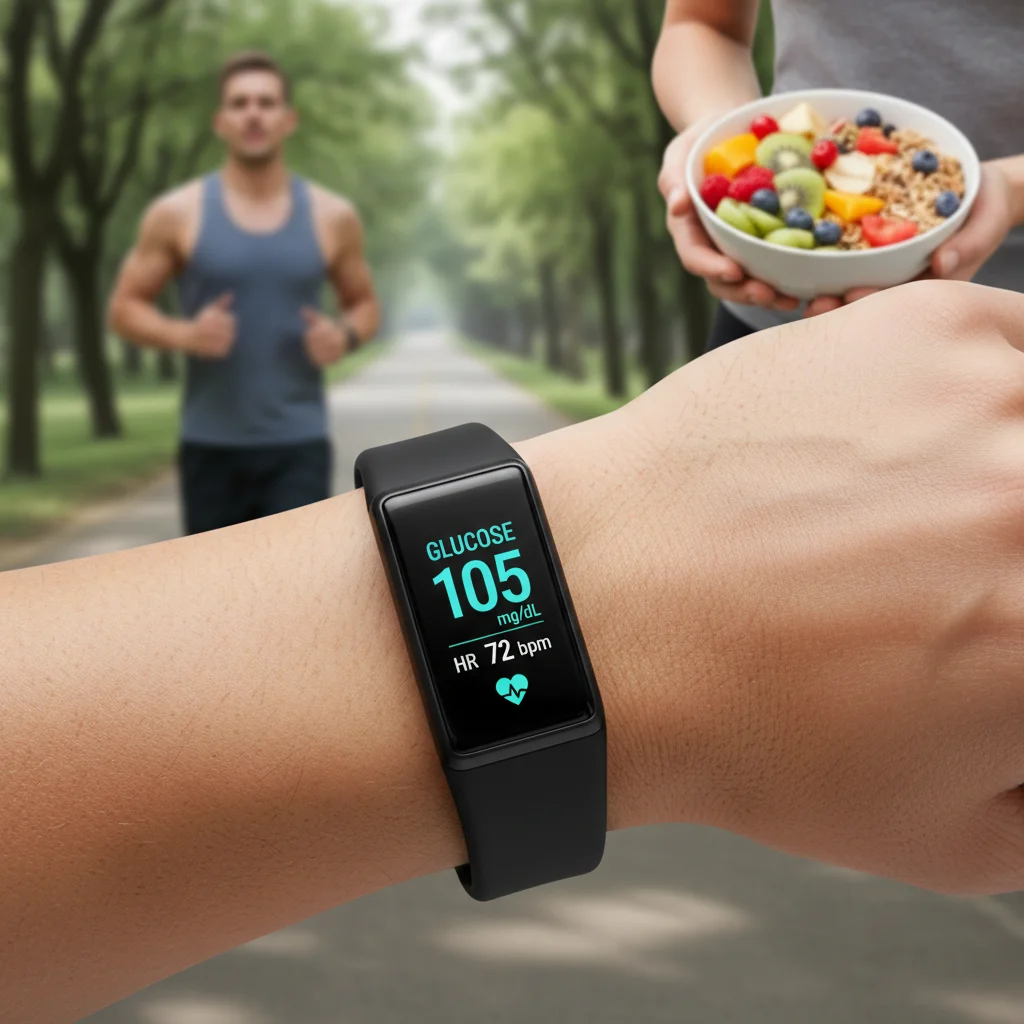
One of the most significant breakthroughs in wearable health tech in 2026 is the widespread adoption of Continuous Glucose Monitoring (CGM) Smart Patches. While CGM technology has existed for some time, the latest iterations have achieved remarkable levels of accuracy, miniaturization, and user-friendliness, extending their utility far beyond traditional diabetes management. These patches, often no larger than a coin, adhere discreetly to the skin and provide real-time glucose readings directly to a smartphone or smartwatch. This continuous stream of data offers unparalleled insights into how diet, exercise, and stress impact blood sugar levels, not just for diabetics, but for anyone looking to optimize their metabolic health.
The traditional method of finger-prick testing, while effective, is intermittent and often inconvenient. CGM Smart Patches eliminate this need, offering a painless and continuous monitoring solution. This constant feedback loop empowers users to make immediate, informed decisions about their lifestyle. For instance, a user can instantly see how a particular meal affects their glucose levels, allowing them to adjust their diet in real-time for better glycemic control. This level of personalized feedback is invaluable for preventing the onset of type 2 diabetes, managing existing conditions, and even enhancing athletic performance by optimizing energy levels.
Beyond individual use, the data aggregated from these devices holds immense potential for public health initiatives and medical research. Anonymized data can help identify population-level trends in metabolic health, inform dietary guidelines, and accelerate the development of new treatments. The integration of AI algorithms within these patches allows for predictive analysis, warning users of potential glucose spikes or drops before they occur, thus enabling proactive intervention. This predictive capability is a game-changer, moving beyond reactive management to truly preventive care. The ease of use and non-invasive nature of these patches have propelled them to the forefront of wearable health tech, making them an essential tool for millions across the U.S. seeking to take control of their metabolic well-being.
Furthermore, these smart patches are increasingly incorporating other sensors to provide a more holistic view of metabolic health. Some advanced models now integrate sensors for lactate levels, ketone bodies, and even certain inflammatory markers, offering a comprehensive metabolic profile. This multi-parameter monitoring provides a much richer dataset for both the user and their healthcare providers, allowing for more nuanced interventions and personalized health plans. The seamless data sharing with healthcare platforms ensures that doctors have access to continuous, high-fidelity data, leading to more informed consultations and better patient outcomes. The simplicity of application and the wealth of data provided make these CGM Smart Patches a cornerstone of modern health monitoring, setting a new standard for what wearable health tech can achieve.
Advanced Multi-Parameter Biometric Rings
Another significant player in the 2026 wearable health tech market is the evolution of biometric rings. Moving beyond simple step counting, these compact, elegant devices are now packed with an astonishing array of sensors capable of monitoring a multitude of vital signs with clinical-grade accuracy. These rings, often indistinguishable from regular jewelry, are worn on a finger and continuously track heart rate variability (HRV), skin temperature, blood oxygen saturation (SpO2), sleep stages, and even early indicators of stress or illness. Their discreet nature makes them particularly appealing to users who prefer a less conspicuous wearable.
The key to their success lies in their advanced sensor technology and sophisticated data processing. Unlike wrist-based devices that can be prone to movement artifacts, rings offer a more stable platform for physiological measurements, leading to higher accuracy. For example, continuous SpO2 monitoring can detect early signs of respiratory issues, including sleep apnea, while subtle changes in skin temperature can indicate the onset of fever even before symptoms become apparent. HRV, a powerful indicator of autonomic nervous system activity, provides insights into stress levels, recovery status, and overall resilience, helping users manage their mental and physical well-being more effectively.
These biometric rings are not just passive data collectors; they are intelligent health companions. Integrated AI algorithms analyze the continuous stream of data to identify patterns and anomalies that might escape human detection. For instance, a sudden drop in HRV combined with an elevated resting heart rate and increased skin temperature could trigger an alert, suggesting the user might be overtraining, experiencing increased stress, or even falling ill. This proactive alerting system allows users to take preventative measures, such as resting more, adjusting their workout intensity, or seeking medical advice promptly.
The utility of these rings extends to various aspects of daily life. Athletes use them for optimizing training and recovery, ensuring they are performing at their peak without risking overexertion. Individuals focused on stress management leverage HRV data to practice mindfulness and relaxation techniques more effectively. For general health, the comprehensive sleep tracking capabilities provide detailed insights into sleep quality, identifying disturbances and offering personalized recommendations for better rest. The seamless integration with other smart home devices and health platforms further enhances their value, creating a connected health ecosystem. The unobtrusive design combined with powerful monitoring capabilities makes these biometric rings a cornerstone of the modern wearable health tech landscape, offering a sophisticated yet simple way to stay on top of one’s health.
The miniaturization of components within these rings is a marvel of engineering. Imagine a device no bigger than a wedding band housing an optical heart rate sensor, a temperature sensor, an accelerometer, a gyroscope, and even a tiny photoplethysmography (PPG) sensor for SpO2. This compact design doesn’t compromise on battery life either, with many models offering several days of continuous monitoring on a single charge. The data collected is often encrypted and securely stored, adhering to stringent privacy regulations, which builds user trust in these advanced health tools. As the demand for convenient and accurate personal health data grows, these multi-parameter biometric rings are set to become an even more ubiquitous form of wearable health tech, democratizing access to sophisticated health insights.
Smart Beds with Integrated Health Monitoring Systems
While often overlooked in discussions about wearables, smart beds with integrated health monitoring systems represent a rapidly expanding segment of wearable health tech in 2026. These aren’t just beds that adjust firmness; they are sophisticated platforms that passively monitor a range of physiological parameters throughout the night, offering a truly seamless and effort-free approach to health tracking. Imagine waking up with a comprehensive report on your sleep quality, respiratory patterns, heart rate, and even subtle movements, all without wearing a single device.
These intelligent beds utilize an array of non-contact sensors embedded within the mattress and frame to collect data. Force sensors detect movement and position, acoustic sensors monitor breathing and snoring, and radar or thermal sensors can even track heart rate without direct skin contact. The beauty of this technology lies in its passivity; users don’t need to remember to put on a device or charge it. The monitoring happens automatically, providing consistent, undisturbed data during the most crucial period of physiological recovery: sleep.
The insights gained from smart beds are profound. Beyond basic sleep staging (REM, deep, light), these systems can identify sleep disturbances such as restless leg syndrome, sleep apnea events (by analyzing breathing patterns and oxygen desaturation), and even early signs of cardiac irregularities. For the elderly or individuals with chronic conditions, this continuous, passive monitoring can be life-saving, alerting caregivers or medical professionals to anomalies that might require immediate attention. The data can also be invaluable for individuals struggling with insomnia or other sleep disorders, providing objective metrics to guide interventions and track progress.
Furthermore, smart beds are integrating with other smart home ecosystems and health platforms. Imagine your bed detecting you’re having a restless night and automatically adjusting the room temperature, dimming lights, or playing soothing sounds to aid sleep. In the morning, the system could provide personalized recommendations based on your sleep quality, suggesting adjustments to your sleep hygiene or even prompting you to seek medical advice if persistent issues are detected. This holistic approach to well-being, where technology seamlessly supports healthy habits, positions smart beds as a powerful, albeit often invisible, form of wearable health tech.
The potential for smart beds extends beyond individual health. In assisted living facilities and hospitals, these systems can significantly enhance patient safety and monitoring, reducing the burden on nursing staff and providing continuous oversight. The ability to detect falls, prolonged periods of inactivity, or changes in vital signs without physically disturbing the patient represents a massive leap forward in care. As privacy concerns are addressed through robust data encryption and user controls, smart beds are poised to become a standard feature in health-conscious homes, offering an unparalleled level of passive, continuous health surveillance.

The Broader Impact of Wearable Health Tech in 2026
The proliferation of these advanced wearable health tech devices in 2026 is catalyzing a paradigm shift in healthcare. We are moving from a reactive model, where medical intervention occurs after symptoms manifest, to a proactive, preventive one. Individuals are becoming more engaged and empowered participants in their own health journeys, equipped with granular, real-time data that enables informed decision-making. This shift has profound implications for both personal well-being and the broader healthcare system.
One of the most significant impacts is the democratization of health data. What was once the exclusive domain of medical professionals is now accessible to the average consumer. This accessibility fosters greater health literacy and encourages individuals to take ownership of their health. When people can see the immediate effects of their lifestyle choices on their vital signs, they are far more likely to adopt healthier habits. This direct feedback loop is a powerful motivator for behavioral change, leading to improved dietary choices, increased physical activity, and better stress management.
Furthermore, these devices are bridging the gap between patients and healthcare providers. The continuous data streams from wearables can be securely shared with doctors, offering a much richer and more accurate picture of a patient’s health than intermittent visits or self-reported logs. This allows for more precise diagnoses, personalized treatment plans, and timely interventions. For chronic disease management, such as diabetes, hypertension, or cardiovascular conditions, this continuous monitoring can significantly reduce hospital readmissions and improve long-term outcomes. Telemedicine also benefits immensely, as doctors can conduct virtual consultations with a wealth of objective data at their fingertips.
The economic implications are also substantial. By promoting preventive care and early detection, wearable health tech can help reduce healthcare costs associated with advanced disease treatment and emergency interventions. A healthier population means less strain on healthcare resources, allowing for more efficient allocation of funds and personnel. Insurance companies are increasingly recognizing the value of these devices, with some offering incentives or subsidies for their use, further accelerating adoption.
However, the rapid expansion of wearable health tech also brings challenges, particularly concerning data privacy and security. As these devices collect highly sensitive personal health information, robust safeguards are essential to prevent unauthorized access, data breaches, and misuse. Regulatory bodies are working to establish comprehensive frameworks to ensure consumer trust and protect individual rights. The interoperability of data between different devices and healthcare systems is another area of focus, aiming to create a seamless and integrated health experience.
The ethical considerations surrounding AI-driven health recommendations and potential biases in algorithms also require careful attention. Ensuring fairness, transparency, and accountability in the development and deployment of these technologies is crucial for their responsible integration into society. Despite these challenges, the overwhelming benefits of wearable health tech in enhancing quality of life, extending healthy lifespans, and revolutionizing healthcare delivery are undeniable.
The Future Outlook: Beyond 2026
Looking beyond 2026, the trajectory of wearable health tech points towards even more advanced and integrated solutions. We can anticipate further miniaturization, making devices even more discreet and seamlessly integrated into everyday items like clothing, contact lenses, or even smart tattoos. The focus will increasingly shift towards predictive analytics, where AI models, trained on vast datasets, will be able to forecast health risks with unprecedented accuracy, allowing for interventions long before symptoms appear.
Personalized medicine will reach new heights, with wearables providing the necessary data foundation for truly individualized health plans. Imagine a future where your wearable not only monitors your health but also interacts with your smart home to optimize your environment for well-being, adjusts your diet based on real-time metabolic needs, and even provides hyper-personalized exercise routines. The integration with genomics and microbiome analysis will offer an even deeper understanding of individual health, enabling truly bespoke preventive and therapeutic strategies.
The role of augmented reality (AR) and virtual reality (VR) in conjunction with wearables will also expand, offering immersive health coaching, rehabilitation programs, and even remote surgical assistance. The convergence of these technologies promises a future where health management is not just about reacting to illness but about actively cultivating and maintaining optimal well-being throughout one’s life. The journey of wearable health tech is just beginning, and the innovations we see in 2026 are merely a glimpse into a healthier, more connected future.
The continuous evolution of sensor technology, coupled with advancements in artificial intelligence and big data analytics, will unlock capabilities that are currently unimaginable. Imagine wearables that can detect initial signs of neurological disorders years in advance, or devices that can non-invasively monitor internal organ health with the precision of a medical scan. The potential for early disease detection, personalized interventions, and sustained wellness is immense. This relentless pursuit of innovation ensures that wearable health tech will remain at the forefront of healthcare transformation, empowering individuals to live longer, healthier, and more fulfilling lives.
The collaborative ecosystem involving tech companies, healthcare providers, research institutions, and regulatory bodies will be crucial in navigating the complexities and maximizing the benefits of these emerging technologies. Ensuring equitable access, robust data governance, and ethical deployment will be key to realizing the full potential of wearable health tech for all. The promise of a truly personalized, preventive, and participatory healthcare system, driven by these intelligent devices, is a future worth striving for, and 2026 marks a significant milestone on that path.