Bio-Integrated Tech: Transforming US Healthcare by 2026
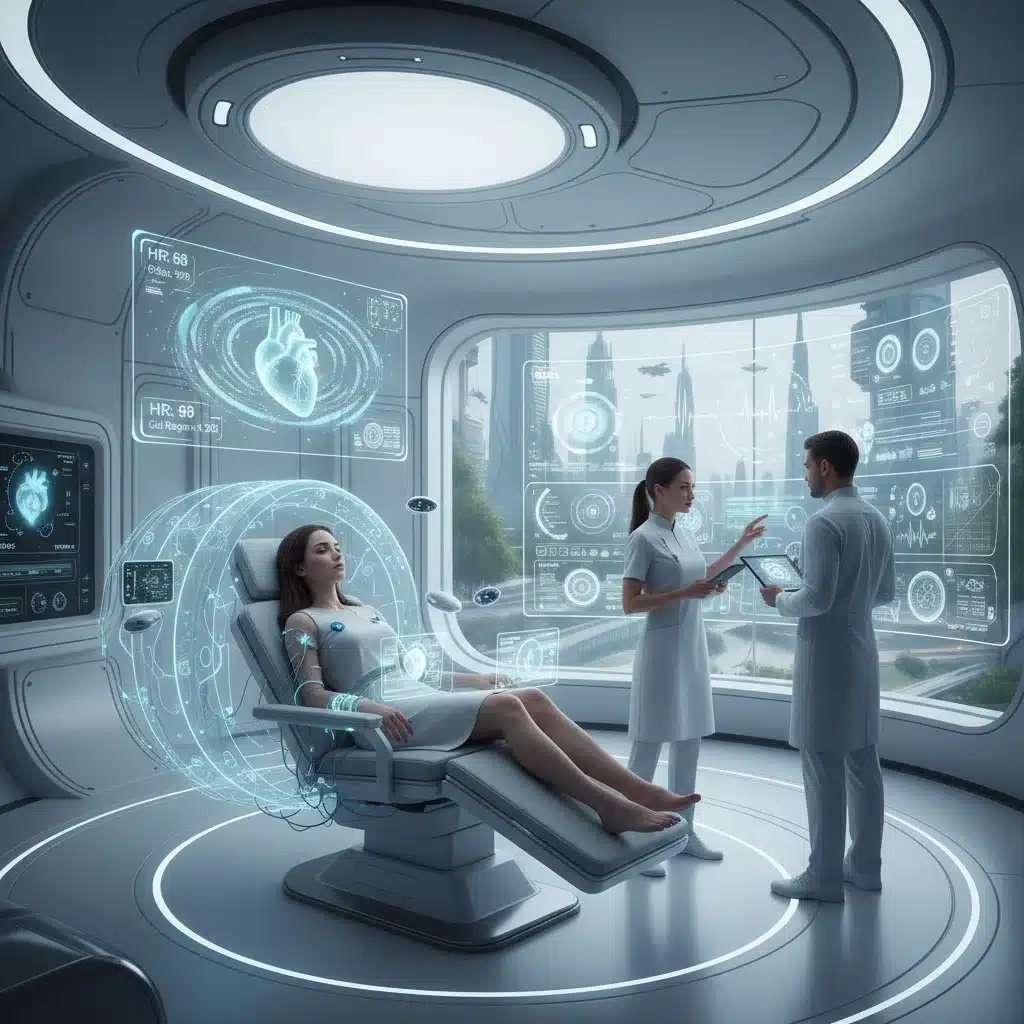
The healthcare industry stands at the precipice of a monumental transformation, driven by the relentless march of technological innovation. Among the most impactful advancements are those categorized under bio-integrated healthcare innovations. These are not merely digital tools or standalone medical devices; they represent a convergence of biology, engineering, and data science, designed to seamlessly integrate with the human body and its processes. By 2026, the United States healthcare landscape is poised to be profoundly reshaped by these groundbreaking developments, moving towards a future of more personalized, predictive, preventive, and participatory medicine.
The concept of bio-integration is fundamentally about creating a symbiotic relationship between technology and human biology. This includes everything from sophisticated wearable sensors that monitor physiological parameters in real-time to advanced prosthetics that interface directly with the nervous system, and even bio-printed organs that offer revolutionary solutions for transplant patients. The implications for patient care are vast, promising earlier disease detection, more effective treatments, and an overall enhancement of quality of life. As we delve into the specifics, it becomes clear that these bio-integrated healthcare innovations are not just incremental improvements but represent paradigm shifts in how healthcare is delivered and experienced.
The urgency for such innovation is underscored by several factors: an aging population, the rising burden of chronic diseases, and the increasing demand for accessible and affordable healthcare. Traditional healthcare models often struggle to meet these challenges efficiently. Bio-integrated technologies offer a powerful solution by enabling continuous monitoring, remote interventions, and highly targeted therapies, thereby reducing the need for costly hospital visits and improving patient outcomes. This article will explore four key innovations that are at the forefront of this revolution, examining their potential impact on US healthcare by 2026 and beyond.
The Rise of Bio-Integrated Tech: 4 Key Innovations Shaping US Healthcare in 2026 (RECENT UPDATES)
1. Advanced Wearable Biosensors and Continuous Monitoring Systems
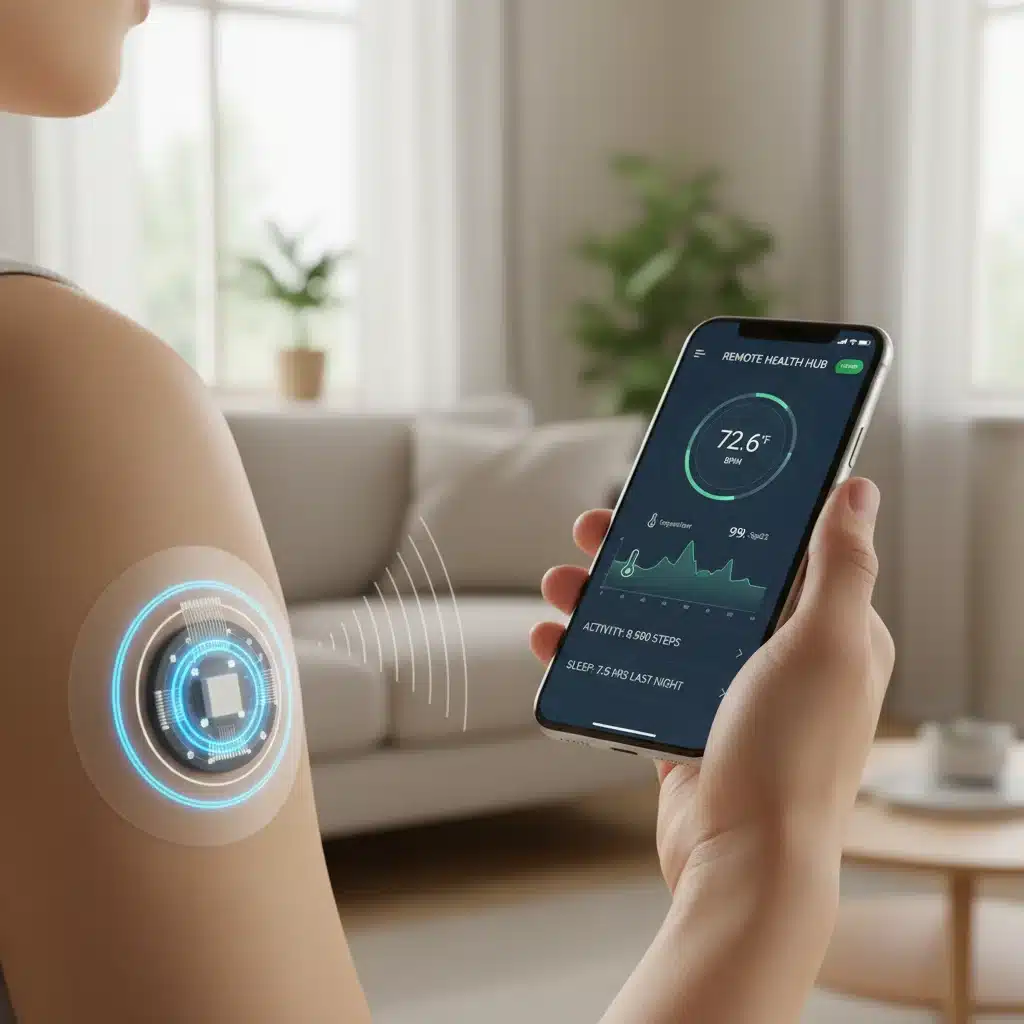
One of the most immediate and pervasive impacts of bio-integrated healthcare innovations comes from advanced wearable biosensors. These aren’t your typical fitness trackers; they are sophisticated devices capable of continuously monitoring a wide array of physiological parameters with medical-grade accuracy. By 2026, these biosensors will have evolved significantly, moving beyond simple heart rate and step counting to include real-time glucose monitoring for diabetics, continuous blood pressure tracking, oxygen saturation levels, electrocardiogram (ECG) readings, and even early detection markers for infectious diseases or impending cardiac events.
Real-Time Data for Proactive Health Management
The key differentiator for these next-generation wearables is their ability to provide clinicians and patients with actionable, real-time data. Imagine a patient with a chronic heart condition whose wearable device detects subtle irregularities in their ECG pattern, automatically alerts their physician, and even suggests a telehealth consultation before symptoms become severe. This proactive approach to health management is a cornerstone of the future of healthcare. For individuals managing chronic conditions like diabetes or hypertension, continuous glucose monitors (CGMs) and blood pressure sensors integrated into daily life mean fewer finger pricks, more accurate medication dosing, and a better understanding of how lifestyle choices impact their health.
Integration with AI and Predictive Analytics
The true power of these biosensors is unlocked when their vast data streams are fed into artificial intelligence (AI) and machine learning algorithms. AI can analyze patterns that are imperceptible to the human eye, identifying early warning signs of disease progression or predicting the likelihood of a health crisis. By 2026, integrated AI platforms will not only process data from individual wearables but also cross-reference it with electronic health records (EHRs), genetic information, and even environmental factors. This creates a holistic patient profile that enables highly personalized and predictive care plans, moving healthcare from a reactive model to a truly preventive one.
Impact on Remote Patient Monitoring (RPM)
Remote Patient Monitoring (RPM) has gained significant traction, especially in the wake of global health challenges. Advanced wearable biosensors are the backbone of effective RPM programs. They allow healthcare providers to monitor patients from the comfort of their homes, reducing the need for hospitalizations and clinic visits, particularly beneficial for elderly patients or those in rural areas with limited access to specialists. This not only improves patient convenience and comfort but also significantly reduces healthcare costs. The integration of these devices with secure cloud platforms ensures data privacy and accessibility for authorized medical personnel, making RPM a cornerstone of future care delivery.
2. Bio-Printed Organs and Tissues for Regeneration and Transplantation
Perhaps one of the most revolutionary bio-integrated healthcare innovations on the horizon is the advancement in bio-printing technology, particularly for creating organs and tissues. While still in nascent stages for full organ transplantation, significant progress is expected by 2026 in bio-printing simpler tissues and structures, with immense implications for regenerative medicine and drug discovery. This technology involves using 3D printing techniques with ‘bio-inks’ composed of living cells, growth factors, and biocompatible materials to construct functional tissues layer by layer.
Addressing the Organ Shortage Crisis
The global organ shortage is a critical public health issue. Thousands of patients die each year waiting for compatible organ donors. Bio-printing offers a long-term solution by potentially creating patient-specific organs, thereby eliminating the need for immunosuppressive drugs and reducing rejection rates. While a fully functional bio-printed heart or kidney might still be a decade or more away, by 2026, we anticipate breakthroughs in bio-printing smaller, less complex tissues such as skin grafts for burn victims, cartilage for joint repair, and even vascular structures to improve blood flow in damaged organs. These advancements will significantly improve recovery times and outcomes for numerous patients.
Enhanced Drug Discovery and Testing
Beyond direct patient applications, bio-printed tissues are revolutionizing pharmaceutical research and development. Instead of relying solely on animal testing or simplified cell cultures, drug companies can use bio-printed ‘organ-on-a-chip’ models or miniature human tissues to test the efficacy and toxicity of new drugs with greater accuracy and ethical considerations. This allows for more personalized drug development, identifying how different genetic profiles might respond to specific medications before they are administered to human patients. By 2026, this will accelerate the drug discovery process, reduce costs, and bring safer, more effective treatments to market faster.
Regenerative Medicine and Wound Healing
The field of regenerative medicine is set to gain immensely from bio-printing. For patients with chronic wounds, severe burns, or tissue damage from disease or injury, bio-printed skin and other soft tissues can provide a more effective and natural healing solution than traditional grafts. These bio-printed constructs can be designed to perfectly match the patient’s own cells, reducing complications and promoting faster, more complete regeneration. This represents a significant leap forward in improving the quality of life for individuals suffering from debilitating tissue loss.
3. Advanced Neuroprosthetics and Brain-Computer Interfaces (BCIs)
The integration of technology directly with the nervous system represents some of the most profound bio-integrated healthcare innovations. Advanced neuroprosthetics and Brain-Computer Interfaces (BCIs) are no longer confined to science fiction; by 2026, they will be transforming the lives of individuals with severe neurological impairments. These technologies aim to restore lost sensory, motor, or cognitive functions by establishing a direct communication pathway between the brain and external devices.
Restoring Mobility and Sensation
For individuals with paralysis or limb loss, advanced neuroprosthetics are offering unprecedented levels of functional restoration. Modern prosthetic limbs, integrated with neural interfaces, allow users to control movement with their thoughts, providing a much more natural and intuitive experience than traditional prosthetics. Furthermore, breakthroughs in sensory feedback mechanisms are enabling users to ‘feel’ through their prosthetic limbs, restoring a crucial aspect of human interaction with the environment. By 2026, the precision and responsiveness of these devices will have dramatically improved, making them more accessible and effective for a wider range of patients.
Enhancing Communication and Cognitive Function
BCIs are also making significant strides in restoring communication for individuals with locked-in syndrome or severe speech impediments. By directly translating brain signals into commands for computers or speech synthesizers, patients can communicate their thoughts and needs more effectively. Beyond communication, BCIs are being explored for cognitive enhancement and rehabilitation. For patients recovering from stroke or traumatic brain injury, BCIs can facilitate neural plasticity, helping to retrain brain functions and accelerate recovery. While ethical considerations remain paramount, the potential for improving cognitive abilities and quality of life is immense.
Therapeutic Applications for Neurological Disorders
The therapeutic applications of neuroprosthetics extend to managing neurological disorders. Deep Brain Stimulation (DBS), a form of neuroprosthesis, is already established for conditions like Parkinson’s disease and essential tremor. By 2026, advancements in closed-loop BCIs will allow for more adaptive and personalized stimulation, responding in real-time to brain activity to optimize symptom control and minimize side effects. Research is also exploring BCIs for treating epilepsy, depression, and chronic pain, offering new hope for patients unresponsive to conventional therapies.
4. CRISPR-Based Gene Editing for Precision Medicine
CRISPR-Cas9 gene editing technology, a groundbreaking bio-integrated healthcare innovation, has rapidly moved from the laboratory to clinical trials. By 2026, its impact on precision medicine, particularly in treating genetic diseases and certain cancers, is expected to be substantial. CRISPR allows scientists to precisely edit DNA sequences, effectively correcting genetic mutations that cause disease or engineering cells to fight illness more effectively.
Correcting Genetic Defects at the Source
The most direct application of CRISPR is in correcting single-gene disorders. Conditions like sickle cell anemia, cystic fibrosis, and Huntington’s disease, which are caused by specific genetic mutations, are prime targets for CRISPR therapy. Clinical trials are already showing promising results in patients with sickle cell disease and beta-thalassemia, where CRISPR is used to modify a patient’s own blood stem cells to produce healthy red blood cells. By 2026, we anticipate more approved CRISPR-based therapies for a growing list of genetic conditions, offering curative rather than merely symptomatic treatments.
Revolutionizing Cancer Immunotherapy
CRISPR is also a game-changer in cancer treatment, particularly in the field of immunotherapy. Researchers are using CRISPR to engineer a patient’s T-cells (a type of immune cell) to more effectively recognize and destroy cancer cells. This involves modifying T-cells to express chimeric antigen receptors (CAR-T cells) that target specific cancer markers or enhancing their ability to overcome cancer’s immune evasion mechanisms. By 2026, CAR-T cell therapies enhanced by CRISPR will be more precise, potent, and broadly applicable to various types of solid tumors, which have historically been challenging to treat with immunotherapy.
Preventive Medicine and Disease Resistance
Looking further into the future, CRISPR holds the potential for preventive medicine. While ethically complex, the ability to edit genes could eventually allow for the prevention of genetic predispositions to certain diseases. For instance, modifying genes to confer resistance to viral infections or to reduce the risk of developing chronic diseases like Alzheimer’s. By 2026, while widespread preventive gene editing might still be a distant prospect, research will have significantly advanced our understanding of the genetic basis of disease and the safe application of CRISPR for targeted prevention in specific, high-risk populations.
Challenges and Ethical Considerations for Bio-Integrated Tech
While the promise of bio-integrated healthcare innovations is immense, their widespread adoption and ethical implementation present several challenges. Data privacy and security are paramount, especially with the continuous collection of sensitive health information from wearables and other integrated devices. Robust cybersecurity measures and clear regulatory frameworks are essential to protect patient data from breaches and misuse. The interoperability of different systems and devices also remains a hurdle, requiring standardized protocols to ensure seamless data exchange across various healthcare platforms and providers.
Ethical considerations are particularly pronounced in areas like gene editing and BCIs. Questions surrounding ‘designer babies,’ the potential for exacerbating health inequalities, and the long-term effects of altering human biology demand careful consideration and public discourse. Regulatory bodies will need to adapt rapidly to the pace of innovation, ensuring that these technologies are developed and deployed responsibly, with patient safety and well-being at the forefront. Access and equity are also critical; ensuring that these life-changing technologies are available to all who need them, regardless of socioeconomic status, will be a significant challenge that must be addressed proactively.
The cost of developing and implementing these advanced technologies can be substantial, posing a barrier to adoption for many healthcare systems and individuals. Payer models will need to evolve to support these new forms of care, focusing on value-based outcomes rather than fee-for-service. Investment in research and development, coupled with strategic partnerships between academia, industry, and government, will be crucial to drive down costs and make these innovations more accessible. Public education and trust-building initiatives will also be vital to ensure that patients and the broader community understand the benefits and risks associated with these transformative technologies.
The Future of US Healthcare: A Bio-Integrated Reality
By 2026, the United States healthcare system will be undeniably different, driven by the profound impact of bio-integrated healthcare innovations. From advanced wearable biosensors providing continuous, personalized health insights to the groundbreaking potential of bio-printed tissues and organs, and the life-changing capabilities of neuroprosthetics and gene editing, these technologies are converging to create a healthcare paradigm focused on prevention, personalization, and precision. Patients will have more control over their health, clinicians will have more powerful tools for diagnosis and treatment, and the overall efficiency and effectiveness of care delivery will be significantly enhanced.
The journey towards a fully bio-integrated healthcare system is complex, filled with both immense promise and significant challenges. However, the trajectory is clear: the future of medicine is one where technology and biology are intricately interwoven, working in harmony to extend healthy lifespans and improve the quality of life for millions. As we move closer to 2026, continued investment, ethical foresight, and collaborative efforts will be essential to harness the full potential of these revolutionary innovations and ensure that they serve humanity’s greatest good.
The ongoing research and rapid advancements in these fields underscore a fundamental shift in medical philosophy. We are moving away from a one-size-fits-all approach to a deeply individualized model, where treatments are tailored to a person’s unique genetic makeup, physiological responses, and lifestyle. This level of customization, powered by bio-integrated technologies, promises not just to treat diseases more effectively but to fundamentally redefine what it means to be healthy in the 21st century. The next few years will undoubtedly be critical in shaping this exciting and transformative future for US healthcare.