Sustainable Data Centers: Reducing Carbon Footprints by 20% in US by 2026
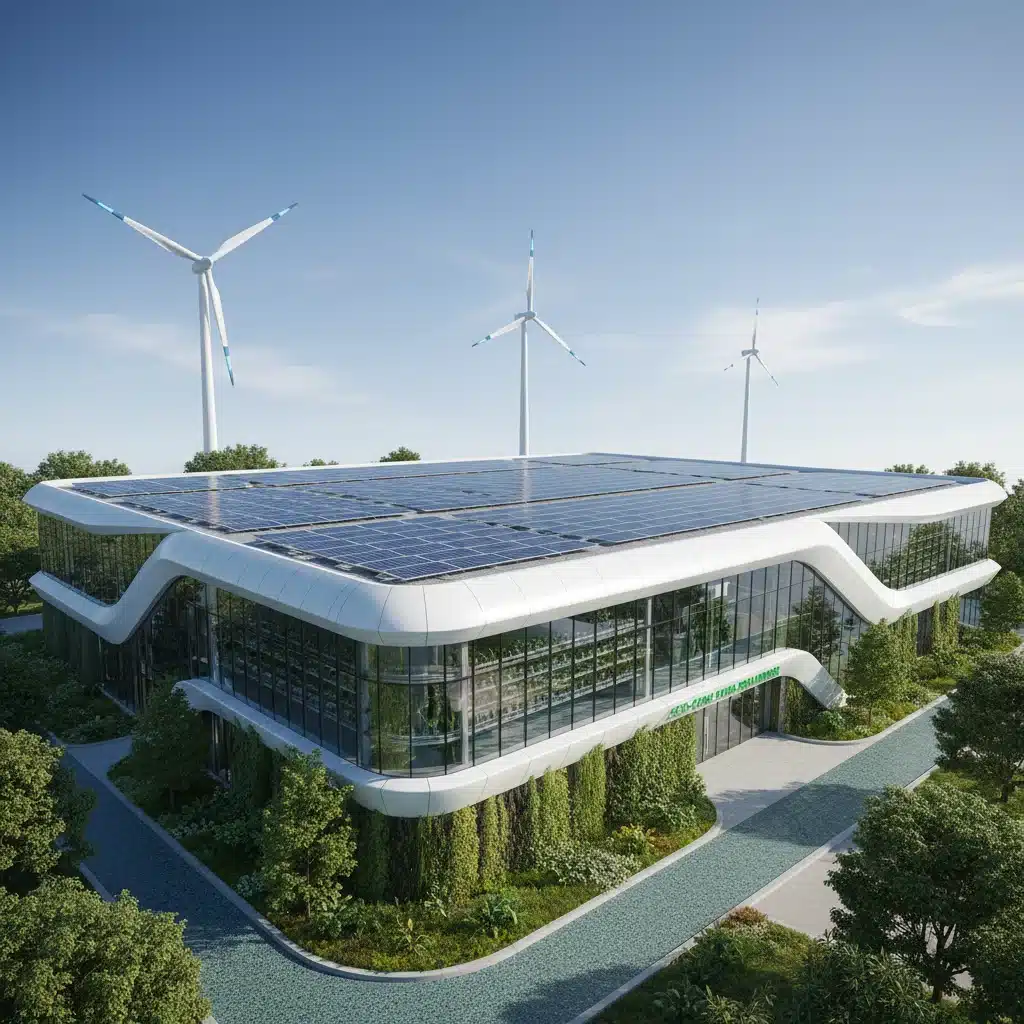
The digital age, while transformative, comes with a significant environmental cost. Data centers, the silent powerhouses of our interconnected world, are voracious consumers of energy, contributing substantially to global carbon emissions. As the demand for data storage and processing continues its exponential rise, the imperative to make these facilities more sustainable becomes ever more critical. The ambitious goal of reducing carbon footprints by 20% in US data centers by 2026 is not merely an environmental aspiration but a strategic necessity for long-term operational viability and corporate responsibility. This article delves into the practical, actionable strategies and sustainable tech solutions that can drive this crucial transformation, focusing on how we can build a greener, more efficient digital infrastructure.
The urgency of this goal cannot be overstated. According to various reports, data centers currently account for approximately 1-2% of global electricity consumption, a figure projected to grow significantly. This energy consumption translates directly into substantial carbon emissions, primarily from fossil fuel-based electricity grids. Addressing this challenge requires a multi-faceted approach, integrating technological innovation, operational best practices, and a commitment to renewable energy sources. Our journey towards truly sustainable data centers begins now, with a clear roadmap for achieving tangible reductions in environmental impact.
Understanding the Environmental Impact of Data Centers
Before diving into solutions, it’s essential to grasp the full scope of the environmental challenge posed by data centers. Their carbon footprint extends beyond direct energy consumption. It encompasses the embedded carbon in hardware manufacturing, the water used for cooling, and the waste generated from discarded equipment. However, the most significant contributor remains electricity usage, primarily for powering servers and cooling systems. The PUE (Power Usage Effectiveness) metric has become a standard for measuring data center energy efficiency, with lower PUE values indicating greater efficiency. While the industry has made strides in improving PUE, the sheer scale of data growth means that absolute energy consumption continues to climb.
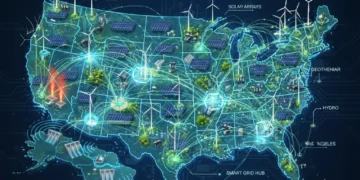
The energy mix powering these facilities is a critical factor. Data centers in regions heavily reliant on coal-fired power plants will inherently have a higher carbon footprint than those in areas with a high percentage of renewable energy in their grid. Therefore, achieving the 20% reduction target requires not only optimizing internal operations but also advocating for and investing in cleaner energy grids. This holistic view is fundamental to developing effective strategies for sustainable data centers.
The Urgency for Change: Why 20% by 2026?
The 20% reduction target by 2026 is ambitious but necessary. The Intergovernmental Panel on Climate Change (IPCC) and other scientific bodies continually underscore the need for rapid decarbonization across all sectors to mitigate the worst effects of climate change. For the tech industry, which often prides itself on innovation, leading the charge in sustainability is both an ethical responsibility and a business imperative. Companies that demonstrate a commitment to environmental stewardship are increasingly favored by consumers, investors, and regulators.
Moreover, volatile energy prices and increasing regulatory pressures make energy efficiency a financial imperative. Investing in sustainable solutions now can lead to significant long-term operational cost savings and reduce exposure to carbon taxes or penalties. The 2026 deadline provides a tangible, near-term goal that can galvanize action and foster innovation within the data center industry.
Pillar 1: Energy Efficiency and Optimization
The first and most direct path to reducing carbon footprints in data centers is through aggressive energy efficiency measures. This involves optimizing every aspect of a data center’s operation, from hardware to software and physical infrastructure. These efforts lay the groundwork for truly sustainable data centers.
Advanced Cooling Technologies
Cooling systems are often the second-largest energy consumer in a data center, after the IT equipment itself. Traditional air-cooling methods are notoriously inefficient. Innovations in cooling can lead to significant energy savings:
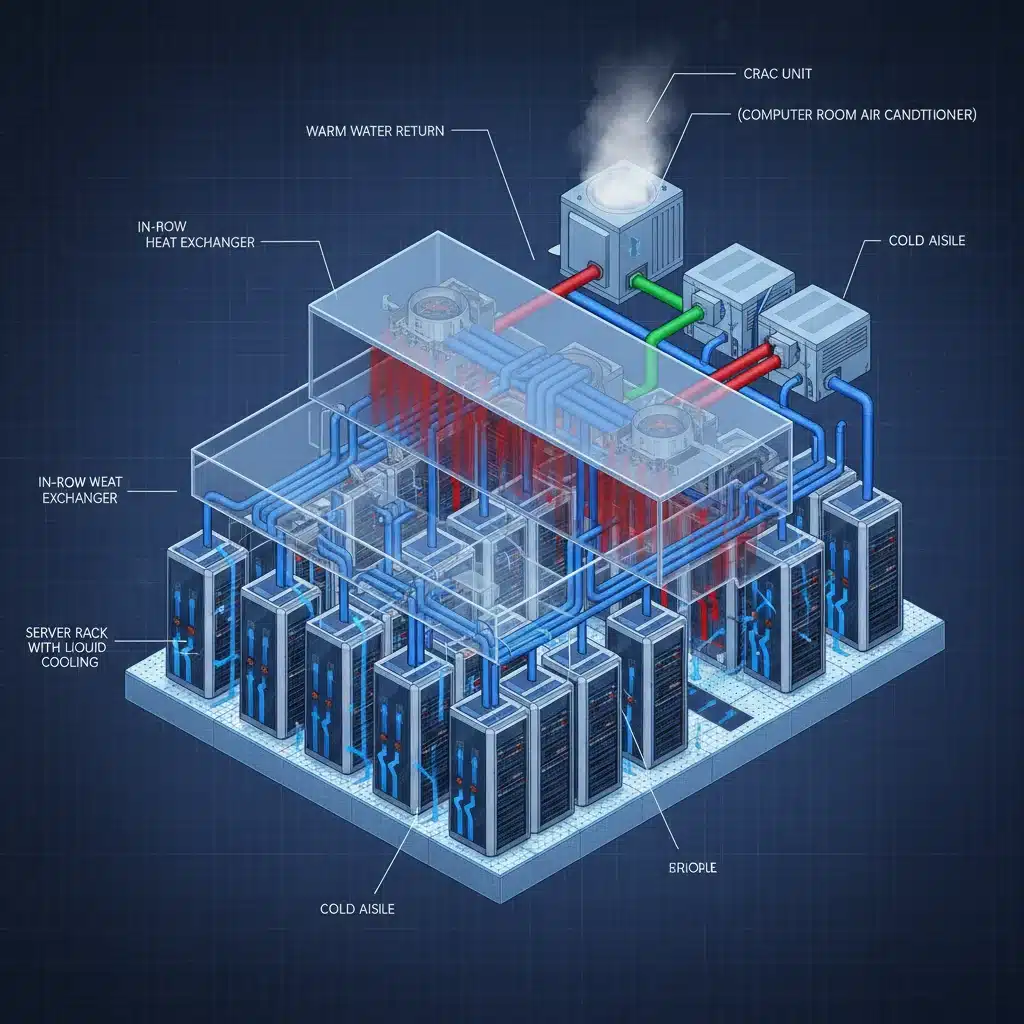
- Liquid Cooling: Direct-to-chip liquid cooling and immersion cooling are far more efficient than air cooling. Liquids are much better conductors of heat than air, allowing for more effective heat removal and higher server densities. This can reduce cooling energy consumption by up to 80% in some cases.
- Hot/Cold Aisle Containment: Physically separating hot exhaust air from cold intake air prevents mixing and ensures that cooling resources are used effectively. This simple yet powerful strategy can improve cooling efficiency by 15-30%.
- Free Cooling: Utilizing outside air or water for cooling when ambient temperatures are low can drastically reduce the need for mechanical refrigeration. This is particularly effective in cooler climates.
- Evaporative Cooling: Using the evaporation of water to cool air can be highly efficient in dry climates, offering a more sustainable alternative to traditional chillers.
Optimized IT Hardware and Infrastructure
The hardware within the data center also plays a crucial role in energy consumption:
- Energy-Efficient Servers: Deploying servers with the latest energy-efficient processors and power supplies can significantly lower power draw per unit of work. Virtualization and containerization further maximize hardware utilization, reducing the number of physical servers required.
- Power Management Software: Implementing intelligent power management software that dynamically adjusts server power states based on workload demands can lead to substantial energy savings during periods of low utilization.
- High-Efficiency Power Supplies and UPS: Upgrading to uninterruptible power supplies (UPS) and power distribution units (PDU) with higher efficiency ratings (e.g., 80 Plus Titanium) minimizes energy loss during power conversion.
- DC Power Distribution: Exploring direct current (DC) power distribution can eliminate multiple AC-DC conversion steps, reducing energy losses and improving overall efficiency.
Intelligent Data Center Management
Software-defined infrastructure and AI-driven management systems are transforming data center efficiency:
- Data Center Infrastructure Management (DCIM): DCIM tools provide real-time monitoring of power, cooling, and environmental conditions. This data enables operators to identify inefficiencies, optimize resource allocation, and predict potential issues, leading to more efficient operations.
- AI and Machine Learning for Optimization: AI algorithms can analyze vast amounts of operational data to predict workload patterns, optimize cooling setpoints, and even manage energy procurement, leading to dynamic and continuous efficiency improvements.
- Workload Orchestration and Virtualization: Consolidating workloads onto fewer, more powerful servers through virtualization and employing dynamic workload orchestration can drastically reduce the number of active physical machines, thereby lowering power consumption.
Pillar 2: Renewable Energy Integration
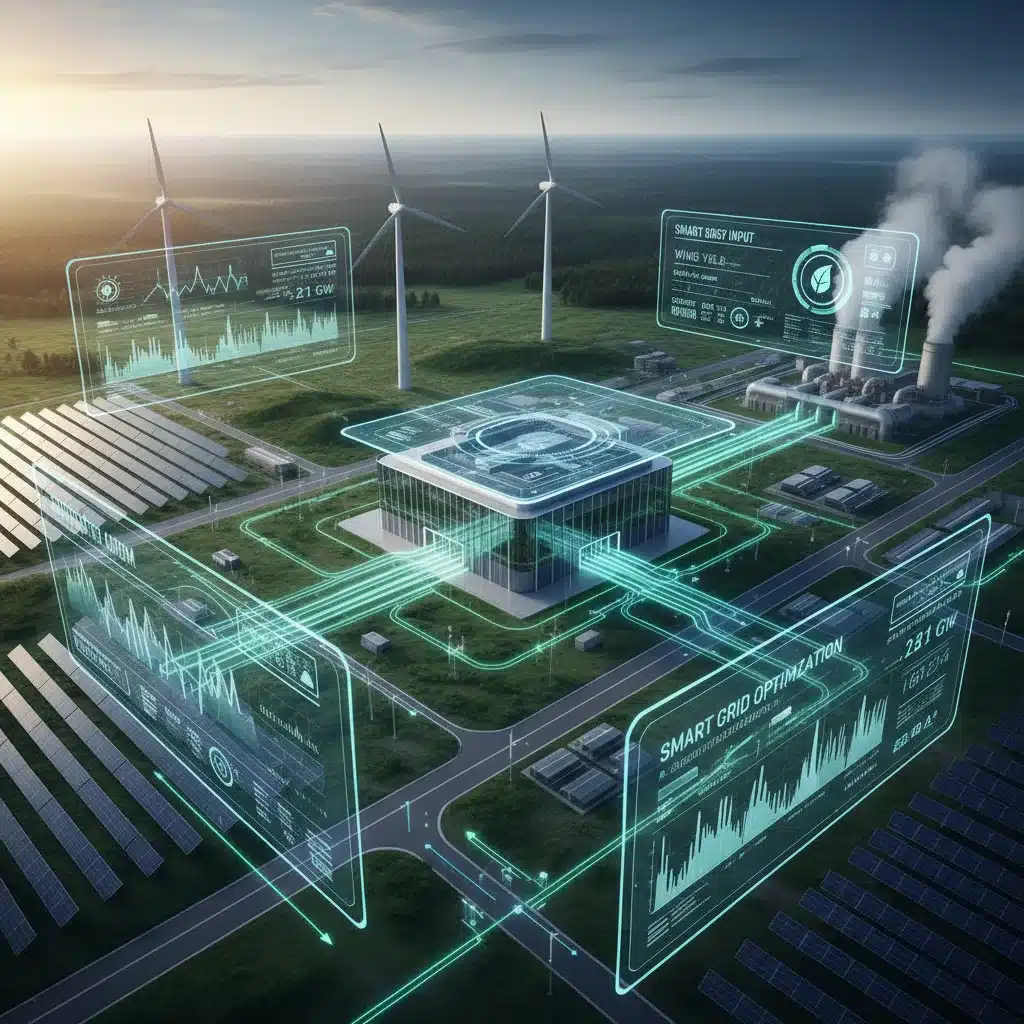
While efficiency reduces demand, sourcing energy from renewable sources directly addresses the carbon intensity of data center operations. This is a non-negotiable step for truly sustainable data centers.
On-site Renewable Energy Generation
Generating clean energy directly at the data center site offers maximum control and direct carbon reduction:
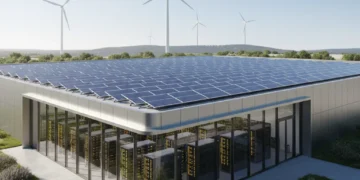
- Solar Photovoltaics (PV): Installing solar panels on data center rooftops or adjacent land can provide a significant portion of a facility’s power needs, especially in sun-rich regions.
- Wind Turbines: For data centers located in windy areas, on-site small-scale wind turbines can supplement or even entirely power operations.
- Geothermal Energy: Utilizing the Earth’s internal heat for both heating and cooling can be an extremely efficient and low-carbon solution, especially for new builds in geothermally active regions.
Off-site Renewable Energy Procurement
When on-site generation isn’t feasible or sufficient, off-site procurement is crucial:
- Power Purchase Agreements (PPAs): Long-term PPAs with renewable energy developers guarantee a stable price for clean electricity and support the development of new renewable projects. This is a popular method for large corporations to achieve 100% renewable energy goals.
- Renewable Energy Credits (RECs) / Guarantees of Origin (GOs): While not directly supplying renewable energy, RECs and GOs allow companies to offset their emissions by purchasing credits from renewable energy generators, effectively subsidizing clean energy production.
- Direct Grid Decarbonization: Collaborating with utility providers to invest in and transition to a cleaner local grid benefits not only the data center but the entire community.
Pillar 3: Circular Economy and Resource Management
Beyond energy, a holistic approach to sustainability considers the entire lifecycle of data center resources.
Hardware Lifecycle Management
- Extended Lifespan: Implementing robust maintenance programs and strategic upgrades can extend the useful life of IT equipment, reducing the frequency of manufacturing new hardware and the associated embodied carbon.
- Refurbishment and Reuse: Developing programs for refurbishing and reusing components or entire servers, either internally or through specialized vendors, keeps valuable resources in circulation.
- Responsible Recycling: When equipment reaches its end-of-life, ensuring it is responsibly recycled by certified e-waste processors is crucial to recover valuable materials and prevent hazardous substances from entering landfills.
Water Conservation
Cooling systems, particularly evaporative and adiabatic cooling, can consume significant amounts of water. Strategies for water conservation include:
- Closed-Loop Cooling Systems: These systems recirculate water, significantly reducing consumption compared to open-loop systems.
- Water-Efficient Technologies: Deploying cooling technologies that minimize water usage, or exploring air-cooled alternatives where appropriate, can reduce water footprints.
- Water Recycling and Treatment: Treating and reusing wastewater within the data center, or for other industrial purposes, can further reduce demand on fresh water sources.
The Road Ahead: Challenges and Opportunities
Achieving a 20% reduction in carbon footprints by 2026 is not without its challenges. The initial capital investment for many sustainable technologies can be substantial, and the complexity of retrofitting existing infrastructure can be daunting. Furthermore, the rapid pace of technological change means that data center operators must constantly evaluate new solutions.
However, the opportunities far outweigh the challenges. Early adopters of sustainable practices can gain a significant competitive advantage through reduced operating costs, enhanced brand reputation, and improved resilience against future energy price fluctuations and regulatory changes. The innovation spurred by this goal will also drive the development of new technologies and business models, creating a virtuous cycle of sustainability.
Collaboration and Policy Support
Government policies, industry collaborations, and financial incentives are critical enablers for widespread adoption of sustainable data center practices. Tax credits for energy-efficient upgrades, subsidies for renewable energy projects, and clearer regulatory frameworks can accelerate the transition. Industry bodies can play a vital role in sharing best practices, developing common standards, and fostering a community committed to sustainability.
Measuring Progress and Transparency
To ensure accountability and drive continuous improvement, robust measurement and reporting mechanisms are essential. Data centers should regularly track their PUE, carbon emissions (Scope 1, 2, and increasingly Scope 3), water usage, and waste generation. Transparent reporting of these metrics allows stakeholders to assess progress and encourages further investment in sustainable solutions, reinforcing the commitment to sustainable data centers.
Conclusion: A Greener Digital Future is Attainable
The goal of reducing carbon footprints by 20% in US data centers by 2026 is ambitious but entirely achievable. It requires a concerted effort across multiple fronts: relentless pursuit of energy efficiency, aggressive integration of renewable energy, and a commitment to circular economy principles. By embracing advanced cooling technologies, optimizing IT hardware, leveraging intelligent management systems, and strategically procuring clean energy, data center operators can not only meet this target but also set a new standard for environmental responsibility in the digital age.
The transition to sustainable data centers is not just about compliance; it’s about building a resilient, efficient, and future-proof digital infrastructure that supports innovation without compromising the health of our planet. As technology continues to permeate every aspect of our lives, ensuring that its foundational elements – data centers – operate sustainably is paramount. The time for action is now, and with collective effort and innovative solutions, we can indeed power a greener digital future.