U.S. Data Centers: 30% Renewable Energy by 2026 – A Sustainable Tech Deep Dive
In an era defined by digital transformation, data centers have become the indispensable backbone of our interconnected world. From powering cloud services and artificial intelligence to facilitating global communications, these colossal facilities consume vast amounts of energy. Recognizing the urgent need to mitigate their environmental footprint, U.S. data centers are setting an ambitious target: to integrate 30% renewable energy into their operations by 2026. This monumental shift towards renewable data centers represents a critical turning point in the pursuit of sustainable technology.
The journey towards renewable data centers is not merely a corporate endeavor; it’s a societal imperative. As digital demand continues its exponential growth, so does the energy consumption of data infrastructure. Traditional energy sources, predominantly fossil fuels, contribute significantly to greenhouse gas emissions, exacerbating climate change. By embracing renewable energy, data centers can drastically reduce their carbon footprint, setting a precedent for other energy-intensive industries.
The Imperative for Renewable Data Centers: Why Now?
The call for more sustainable practices within the tech industry has never been louder. Consumers, investors, and regulatory bodies are increasingly demanding accountability and environmental stewardship from corporations. Data centers, often operating 24/7 with massive power requirements, are under particular scrutiny. The 30% renewable energy target by 2026 is a direct response to these pressures, reflecting a growing awareness of the environmental impact of digital infrastructure.
Beyond environmental concerns, there are compelling economic and operational advantages to adopting renewable energy. Volatility in fossil fuel prices can lead to unpredictable operational costs. Renewable energy sources, once established, offer greater price stability and can even lead to long-term cost savings. Furthermore, investing in sustainable technologies enhances corporate reputation, attracts environmentally conscious talent, and can open doors to new markets and partnerships.
The rapid advancements in renewable energy technologies, such as solar, wind, and geothermal, have also made this transition more feasible and cost-effective than ever before. The efficiency of solar panels has improved dramatically, wind turbine technology is more powerful, and energy storage solutions are becoming increasingly sophisticated. These innovations are paving the way for data centers to not only meet but potentially exceed their renewable energy goals.
Strategies for Achieving 30% Renewable Energy Integration
Achieving the 30% renewable energy target by 2026 requires a multi-faceted approach, encompassing direct procurement, innovative energy solutions, and strategic partnerships. Data center operators are exploring a variety of strategies to green their energy portfolios.
Direct Power Purchase Agreements (PPAs)
One of the most common and effective ways for data centers to procure renewable energy is through Power Purchase Agreements (PPAs). These long-term contracts allow data center operators to buy electricity directly from renewable energy generators (e.g., solar farms, wind farms). PPAs provide price certainty and allow companies to claim the environmental attributes of the renewable energy generated.
For instance, a data center might sign a PPA with a newly constructed solar farm, agreeing to purchase a specific amount of electricity over 10 to 20 years. This commitment helps finance the construction of new renewable energy projects, thereby adding clean energy to the grid that might not have existed otherwise. This direct investment in renewable energy infrastructure is a powerful driver for the transition to renewable data centers.
On-site Renewable Energy Generation
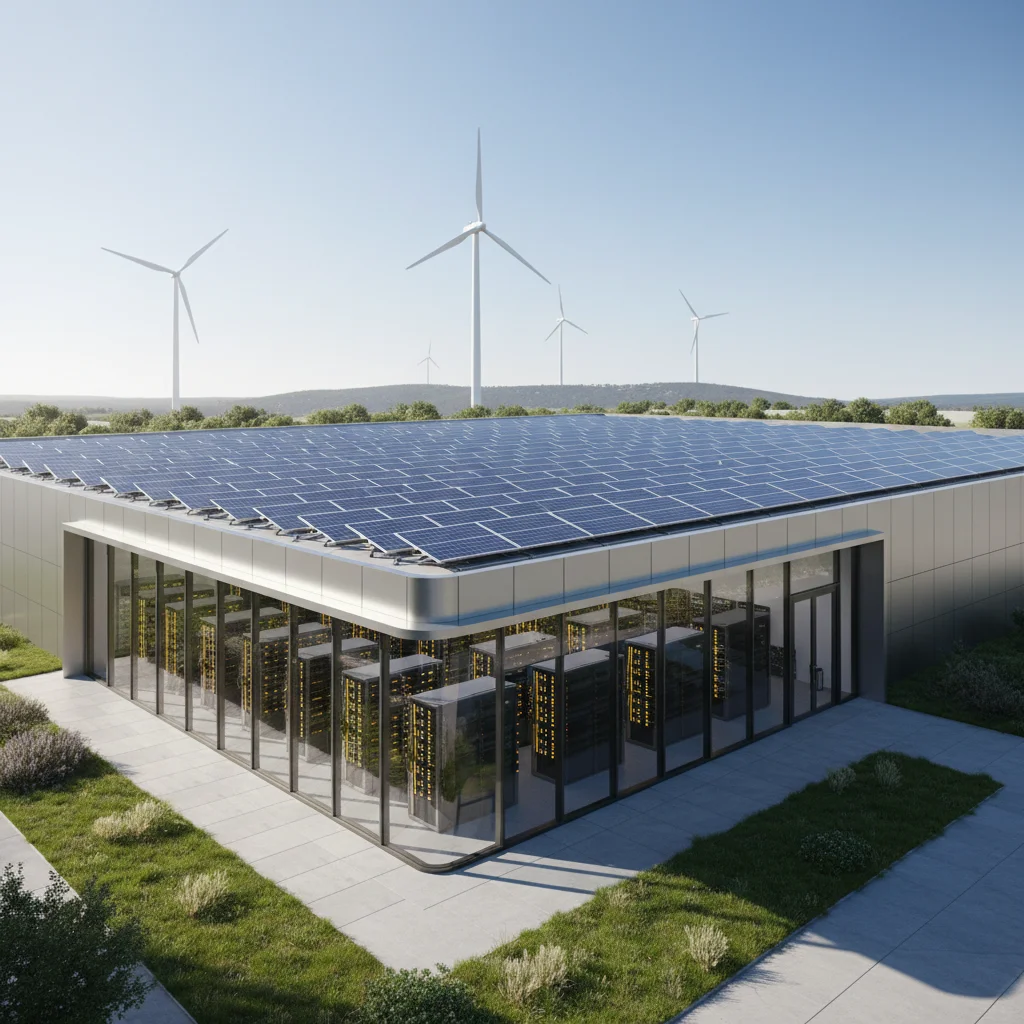
Where feasible, some data centers are investing in on-site renewable energy generation. This can include installing solar panels on their roofs or adjacent land, or even deploying small-scale wind turbines. On-site generation reduces reliance on the grid, enhances energy independence, and can provide significant cost savings over the long term. While not always sufficient to meet 100% of a large data center’s needs, it contributes significantly to the overall renewable energy mix.
Renewable Energy Certificates (RECs) and Green Tariffs
For data centers that cannot directly procure renewable energy or generate it on-site, Renewable Energy Certificates (RECs) offer an alternative. RECs represent the environmental attributes of renewable electricity generation. By purchasing RECs, data centers can offset their conventional electricity consumption and claim that they are using renewable energy. Similarly, many utility companies now offer ‘green tariffs’ or ‘renewable energy programs’ that allow customers to purchase electricity from renewable sources at a premium, ensuring that their energy consumption is matched by renewable generation.
Energy Storage Solutions
The intermittent nature of some renewable energy sources, like solar and wind, poses a challenge. To address this, data centers are increasingly exploring energy storage solutions, primarily large-scale battery systems. These systems can store excess renewable energy generated during peak production times and discharge it when renewable output is low or demand is high, ensuring a consistent and reliable power supply. The integration of advanced battery technology is crucial for stabilizing the grid and maximizing the utilization of renewable energy, making renewable data centers more robust.
Technological Innovations Driving Sustainability
The push for renewable data centers is not just about where the electricity comes from; it’s also about how efficiently that electricity is used. Technological innovations in data center design, cooling, and hardware are playing a pivotal role in reducing overall energy consumption, thereby making the 30% renewable energy target more attainable.
Advanced Cooling Technologies
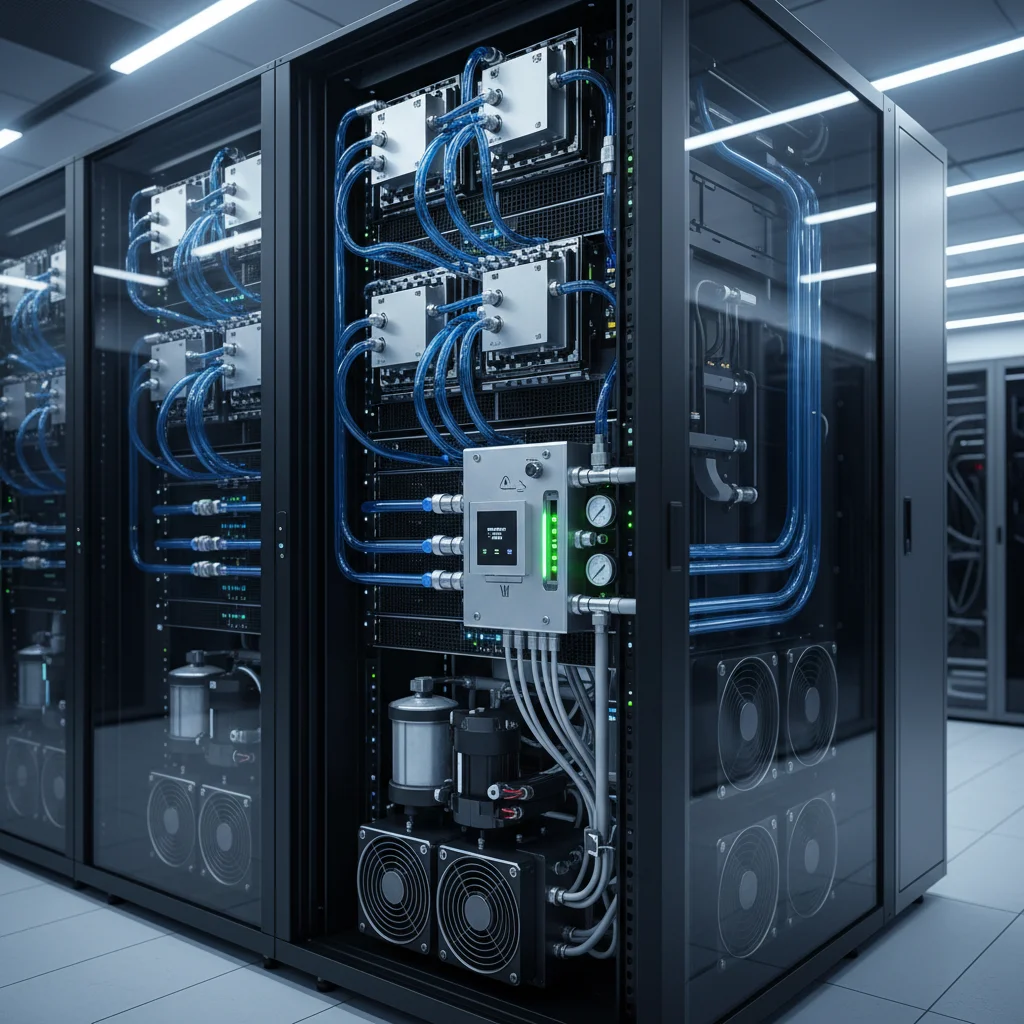
Cooling systems are notoriously energy-intensive in data centers, often accounting for a significant portion of total power consumption. Innovations in cooling are therefore critical for sustainability. Liquid cooling, including direct-to-chip and immersion cooling, is gaining traction. These methods are far more efficient than traditional air cooling, as liquids have a higher thermal conductivity than air, allowing for more effective heat dissipation with less energy.
Additionally, free cooling techniques that leverage ambient air or water temperatures from outside have become standard in many modern data centers, particularly in cooler climates. These systems reduce or eliminate the need for mechanical refrigeration, leading to substantial energy savings. The optimization of airflow management within server racks and hot/cold aisle containment also contributes to greater cooling efficiency.
Energy-Efficient Hardware and Software
The hardware within data centers is continuously evolving to become more energy-efficient. Manufacturers are developing processors, memory, and storage devices that deliver higher performance with lower power consumption. Server virtualization and consolidation technologies also allow data centers to run more workloads on fewer physical servers, reducing both hardware footprint and energy demand.
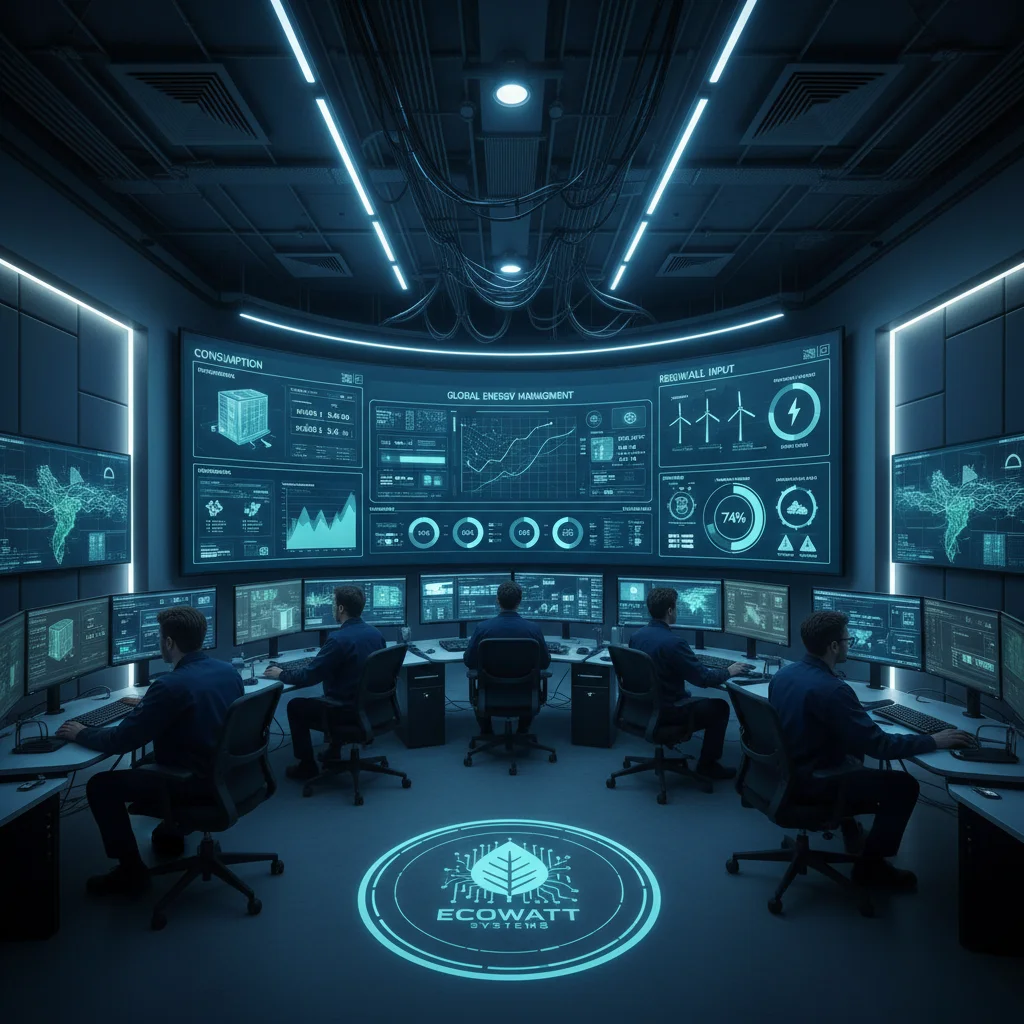
Beyond hardware, software plays a crucial role. Advanced data center infrastructure management (DCIM) software enables real-time monitoring and optimization of energy usage across all components. AI and machine learning algorithms are being deployed to predict workloads and dynamically adjust power and cooling, ensuring that resources are allocated precisely when and where they are needed, minimizing waste. This intelligent management is key to making data centers truly efficient and sustainable.
Waste Heat Recovery
Data centers generate a significant amount of waste heat. Instead of simply expelling this heat into the atmosphere, some innovative data centers are implementing waste heat recovery systems. This heat can be captured and reused for various purposes, such as heating nearby buildings, greenhouses, or even contributing to district heating networks. This circular economy approach not only reduces energy waste but can also create new revenue streams and strengthen community ties, making renewable data centers even more impactful.
Challenges on the Path to 30% Renewable Energy
While the ambition for 30% renewable energy by 2026 is commendable, the path is not without its hurdles. Several challenges need to be addressed to ensure the successful integration of sustainable practices across the U.S. data center landscape.
Grid Modernization and Integration
One of the primary challenges is the existing electrical grid infrastructure. Many grids were not designed to accommodate large-scale intermittent renewable energy sources. Integrating a significant amount of renewable energy from data centers requires substantial grid modernization, including upgrades to transmission lines, smart grid technologies, and improved energy storage capabilities. Without a robust and flexible grid, the full potential of renewable energy cannot be realized.
Cost and Investment
The initial investment required for transitioning to renewable energy can be substantial. While long-term cost savings are often clear, the upfront capital expenditure for solar arrays, wind turbines, battery storage, and advanced cooling systems can be a deterrent for some operators, especially smaller ones. Government incentives, tax credits, and innovative financing models are crucial to help offset these initial costs and accelerate adoption.
Geographical Limitations
The feasibility of certain renewable energy sources is highly dependent on geographical location. Solar power is more viable in sunny regions, while wind power thrives in areas with consistent strong winds. Data centers located in regions with limited access to abundant renewable resources may face greater challenges in meeting the 30% target through direct procurement or on-site generation. This necessitates a more diverse approach, including the use of RECs and partnerships with off-site renewable projects.
Policy and Regulatory Frameworks
Inconsistent or unsupportive policy and regulatory frameworks can hinder the adoption of renewable energy. Clear, stable, and forward-thinking policies at federal, state, and local levels are essential to incentivize investment in renewable energy and streamline the permitting processes for new projects. A coherent policy landscape can significantly accelerate the transition to renewable data centers.
The Broader Impact: Beyond Data Centers
The commitment of U.S. data centers to 30% renewable energy by 2026 extends beyond their immediate operations. It sends a powerful signal to the entire technology sector and other industries about the feasibility and necessity of sustainable practices. This initiative can catalyze broader changes in energy consumption patterns and infrastructure development.
Inspiring Other Industries
As major energy consumers, data centers adopting renewable energy set a precedent for other industrial sectors. Their success can demonstrate that large-scale transitions to clean energy are not only possible but also economically viable, encouraging manufacturing, transportation, and other energy-intensive industries to follow suit. This ripple effect is crucial for achieving global climate goals.
Driving Innovation and Green Job Creation
The demand for renewable energy solutions by data centers stimulates innovation in clean energy technologies, from more efficient solar panels and wind turbines to advanced battery storage and smart grid solutions. This, in turn, fosters the growth of a green economy, creating new jobs in renewable energy development, manufacturing, installation, and maintenance. The transition to renewable data centers is therefore an economic opportunity as much as an environmental one.
Enhancing Energy Security and Resilience
Diversifying energy sources away from fossil fuels enhances national energy security by reducing reliance on volatile global markets and geopolitical risks. Furthermore, a decentralized energy system with a mix of renewable sources can improve grid resilience, making it less susceptible to large-scale outages. Data centers, by integrating renewables, contribute to a more stable and secure energy future for the entire nation.
Looking Ahead: The Future of Renewable Data Centers
The 30% renewable energy target for U.S. data centers by 2026 is an ambitious but achievable goal. It represents a significant step towards a more sustainable digital future. As technology continues to evolve, we can expect even greater integration of renewables and more innovative approaches to energy efficiency.
Future developments might include even more sophisticated AI-driven energy management systems, further advancements in energy storage (e.g., solid-state batteries, hydrogen storage), and potentially even modular, off-grid data centers powered entirely by renewables. The concept of ‘sustainable by design’ will become increasingly prevalent, with environmental impact considered from the initial planning stages of any new data center.
Furthermore, increased collaboration between data center operators, utility companies, renewable energy developers, and policymakers will be essential to overcome remaining challenges and accelerate progress. Sharing best practices, pooling resources, and advocating for supportive policies will create a synergistic environment conducive to achieving and exceeding sustainability targets.
The Role of Data Center Operators
Ultimately, the success of this initiative hinges on the commitment and proactive efforts of individual data center operators. Companies like Google, Microsoft, Amazon, and Meta have already made significant strides in this area, often aiming for 100% renewable energy. Their leadership and investments set a high bar and provide valuable blueprints for others to follow. Smaller and mid-sized data centers can learn from these pioneers, adapting proven strategies and technologies to their own operations.
Consumer and Stakeholder Influence
The growing awareness and demand from consumers for environmentally responsible products and services will continue to exert pressure on data centers to prioritize sustainability. This consumer-driven demand, coupled with investor expectations for ESG (Environmental, Social, and Governance) performance, ensures that the momentum towards renewable data centers will only grow stronger.
Conclusion
The U.S. data center industry’s commitment to integrating 30% renewable energy by 2026 is a testament to the power of collective action and technological innovation in addressing climate change. This ambitious goal is not merely about reducing carbon emissions; it’s about building a more resilient, efficient, and sustainable digital infrastructure for the future. By embracing renewable energy sources, optimizing energy consumption, and fostering continuous innovation, data centers are paving the way for a greener tech landscape.
As we move closer to 2026 and beyond, the transformation of data centers into hubs of sustainable technology will be a critical component of global efforts to combat climate change and ensure a healthy planet for generations to come. The journey towards renewable data centers is a clear indicator that the digital age can indeed be a sustainable one, proving that technological advancement and environmental stewardship can go hand-in-hand.