Environmental Regulations 2026: Analyzing the Impact of New EPA Directives on Businesses and Consumers
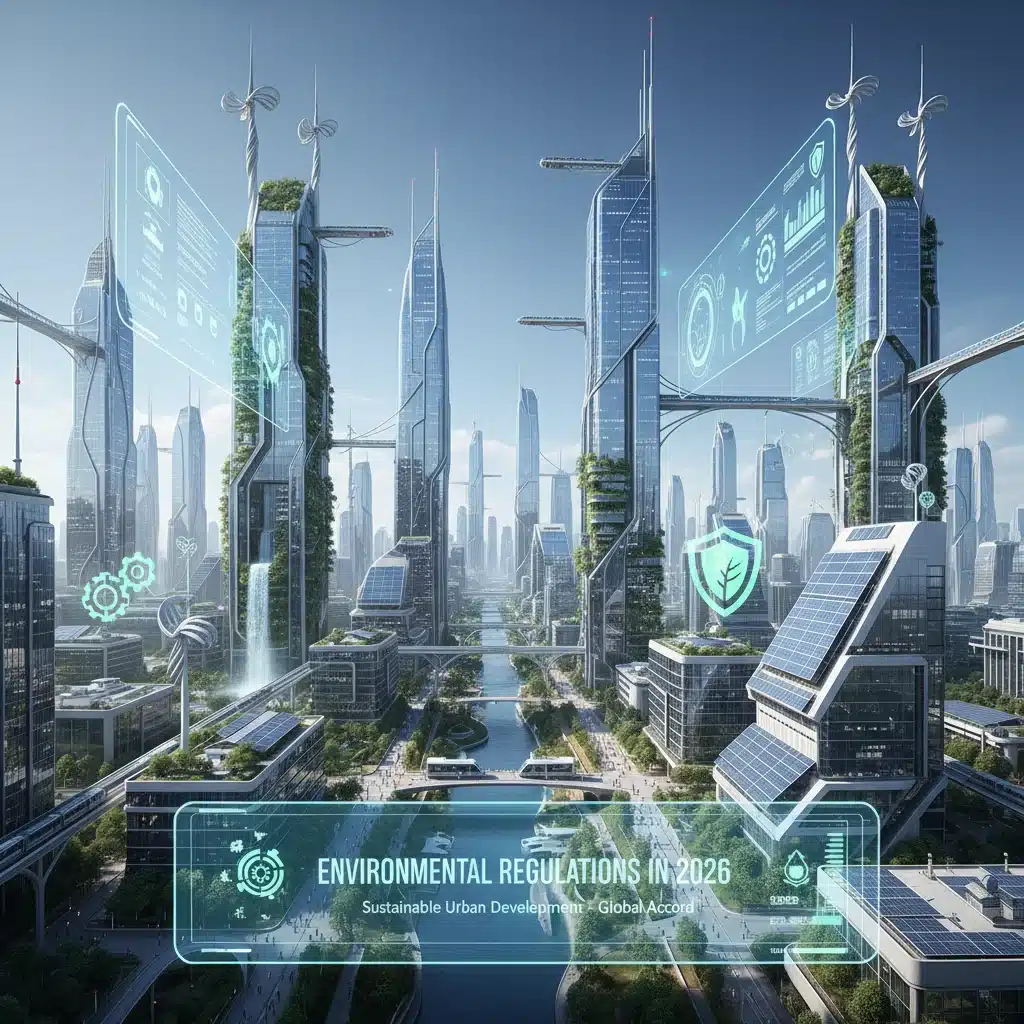
The year 2026 marks a pivotal moment in the global effort to combat climate change and promote sustainability. With an increasing urgency to address environmental degradation, governments worldwide are tightening their grip on industries and consumer practices. In the United States, the Environmental Protection Agency (EPA) is at the forefront of this movement, introducing a suite of new directives that are poised to reshape the economic landscape. Understanding the implications of these environmental regulations 2026 is not merely an academic exercise; it is a critical necessity for businesses to ensure compliance and for consumers to navigate an evolving marketplace.
This comprehensive analysis delves into the core of these new EPA directives, dissecting their potential impact on various sectors, from manufacturing and energy to agriculture and transportation. We will explore the challenges and opportunities they present, offering insights into how businesses can adapt, innovate, and even thrive under the new regulatory framework. Furthermore, we will examine the ripple effect on consumers, from changes in product availability and pricing to shifts in lifestyle and purchasing decisions. The overarching goal is to provide a clear, actionable understanding of what these significant environmental regulations mean for everyone.
The Foundation of Change: Key EPA Directives for 2026
The EPA’s renewed focus on environmental protection in 2026 is driven by a combination of scientific consensus, public demand, and international commitments. While the specific details of all directives are still being finalized, several key areas have emerged as central to the agency’s strategy. These new environmental regulations 2026 are designed to be more stringent, comprehensive, and enforceable than previous iterations, reflecting a heightened sense of urgency.
Emissions Reduction Targets
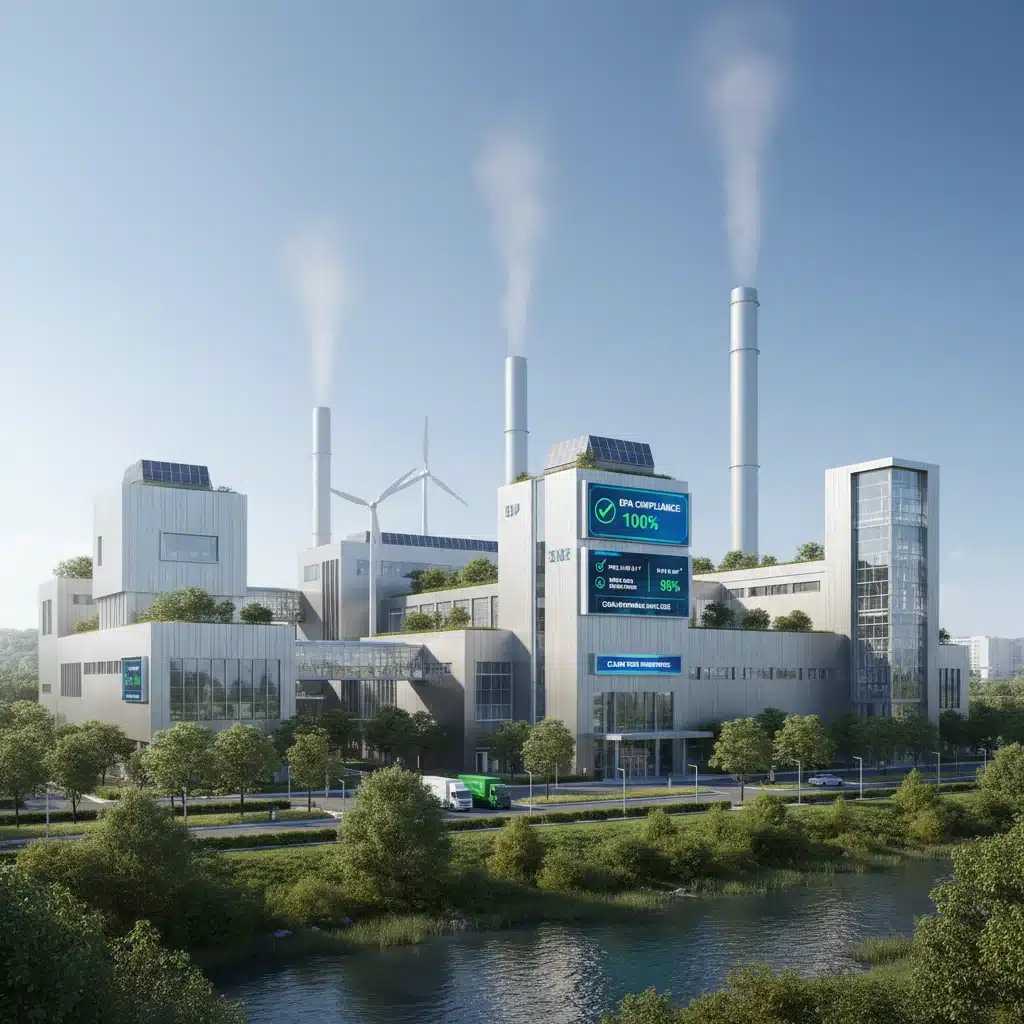
At the heart of the new directives are ambitious emissions reduction targets. These targets will likely encompass a broader range of greenhouse gases and pollutants, moving beyond traditional carbon dioxide limits to include methane, nitrous oxide, and various industrial volatile organic compounds (VOCs). Industries such as power generation, heavy manufacturing, and oil and gas will face significant pressure to upgrade their infrastructure, adopt cleaner technologies, and invest in carbon capture and storage solutions. The EPA is expected to implement stricter monitoring and reporting requirements, making it harder for companies to misrepresent their environmental footprint. Non-compliance could result in substantial fines and legal repercussions, emphasizing the importance of proactive adaptation.
Water Quality and Conservation
Another crucial aspect of the environmental regulations 2026 involves enhanced water quality standards and conservation efforts. This includes stricter limits on industrial discharge, agricultural runoff, and municipal wastewater treatment. Businesses that rely on water-intensive processes, such as food processing, textiles, and chemicals, will need to re-evaluate their water usage and invest in advanced treatment technologies. The directives may also promote water recycling and reuse initiatives, incentivizing companies to adopt closed-loop systems. For consumers, these regulations could lead to improved tap water quality and potentially impact the cost of water services as infrastructure upgrades become necessary.
Waste Management and Circular Economy Initiatives
The EPA is also pushing for a more robust approach to waste management, with a strong emphasis on transitioning towards a circular economy. This means moving away from the traditional ‘take-make-dispose’ model to one that prioritizes waste reduction, reuse, recycling, and resource recovery. New directives could include extended producer responsibility (EPR) schemes, where manufacturers are held accountable for the entire lifecycle of their products, from design to disposal. This will necessitate innovative product design, sustainable packaging, and the development of more efficient recycling infrastructure. For businesses, this translates into a need for supply chain optimization and a re-thinking of product development. Consumers will likely see an increase in eco-friendly product options and potentially higher recycling fees or deposits.
Impact on Businesses: Challenges and Opportunities
The implementation of these new environmental regulations 2026 presents both significant challenges and unique opportunities for businesses across all sectors. The ability to navigate this evolving landscape will be a key determinant of success and competitiveness.
Compliance Costs and Operational Changes
One of the most immediate challenges for businesses will be the cost of compliance. Investing in new equipment, upgrading facilities, and implementing advanced monitoring systems can be substantial. For small and medium-sized enterprises (SMEs), these costs could be particularly burdensome, potentially requiring government subsidies or financial incentives to facilitate the transition. Operational changes will also be necessary, including revising manufacturing processes, supply chain management, and employee training programs. Companies that fail to adapt quickly risk falling behind competitors and facing regulatory penalties.
Innovation and Technological Advancements
However, these challenges also spur innovation. The demand for cleaner technologies, sustainable materials, and efficient resource management will create new markets and drive technological advancements. Businesses that invest in research and development of green solutions, such as renewable energy technologies, advanced filtration systems, and biodegradable materials, stand to gain a significant competitive advantage. This could lead to the emergence of new industries and the transformation of existing ones, fostering a more sustainable and resilient economy.
Supply Chain Resilience and Transparency
The new environmental regulations 2026 will also necessitate greater transparency and resilience within supply chains. Businesses will need to scrutinize their suppliers’ environmental practices and ensure that their entire value chain adheres to the new standards. This could lead to a preference for local sourcing, a reduction in globalized supply chains, and a greater emphasis on ethical and sustainable procurement. Companies that can demonstrate a fully compliant and transparent supply chain will build greater trust with consumers and investors.
Brand Reputation and Consumer Trust
In an era of increasing environmental awareness, a strong commitment to sustainability can significantly enhance a company’s brand reputation and build consumer trust. Businesses that proactively embrace the new environmental regulations 2026 and go beyond mere compliance will be viewed favorably by environmentally conscious consumers. This can translate into increased sales, customer loyalty, and a stronger market position. Conversely, companies perceived as lagging in environmental responsibility risk reputational damage and consumer backlash.
Impact on Consumers: Shifting Landscapes and Choices
The effects of the new environmental regulations 2026 will not be confined to boardrooms and factory floors; they will profoundly influence the daily lives and choices of consumers.
Product Availability and Pricing
Consumers can expect to see shifts in product availability as businesses adapt to the new regulations. There may be a greater selection of eco-friendly products, from sustainable food options to energy-efficient appliances and vehicles. However, the initial costs of compliance for businesses could, in some cases, be passed on to consumers in the form of higher prices. This is particularly true for products that require significant technological upgrades or the use of more expensive sustainable materials. Governments may introduce subsidies or tax incentives to offset some of these costs for consumers, especially for essential goods.
Energy Costs and Efficiency
With stricter emissions targets impacting energy production, consumers might experience changes in energy costs. While the long-term goal of renewable energy transition is to provide cleaner and potentially more stable energy prices, the transition period could involve fluctuations. On the positive side, the regulations will likely drive increased availability and affordability of energy-efficient products and home solutions, helping consumers reduce their own carbon footprint and save on utility bills over time. Investment in home solar, smart thermostats, and electric vehicles may become more attractive and accessible.
Lifestyle Changes and Sustainable Choices
The environmental regulations 2026 are also designed to encourage more sustainable consumer behavior. This could manifest in various ways, such as increased incentives for recycling, composting, and reducing waste. Public awareness campaigns will likely accompany the new directives, educating consumers about the importance of their choices and empowering them to make more environmentally responsible decisions. This could lead to a broader societal shift towards conscious consumption, where consumers prioritize products with a lower environmental impact and support businesses committed to sustainability.

Health Benefits and Quality of Life
Ultimately, one of the most significant long-term impacts on consumers will be improved public health and quality of life. Reduced air and water pollution will lead to fewer respiratory illnesses, lower rates of certain cancers, and healthier ecosystems. Cleaner environments contribute to better mental and physical well-being, offering a substantial return on the collective investment in these new environmental regulations 2026. Access to cleaner air, purer water, and healthier food systems will be a direct benefit that transcends economic considerations.
Navigating the Future: Strategies for Adaptation
For businesses and consumers alike, proactive adaptation is key to successfully navigating the landscape shaped by the environmental regulations 2026. This involves a multi-faceted approach that combines strategic planning, technological adoption, and a commitment to continuous improvement.
For Businesses: Proactive Compliance and Strategic Investment
- Conduct a thorough environmental audit: Identify current environmental footprint, areas of non-compliance, and opportunities for improvement.
- Invest in green technologies: Prioritize R&D and adoption of cleaner production methods, renewable energy sources, and waste reduction technologies.
- Redesign products and packaging: Focus on circular economy principles, using sustainable materials, designing for longevity, and facilitating recycling.
- Engage with stakeholders: Collaborate with regulatory bodies, industry associations, and environmental groups to stay informed and influence policy.
- Train employees: Ensure staff are aware of new regulations and equipped to implement sustainable practices across all operations.
- Leverage sustainability for brand building: Communicate environmental efforts transparently to consumers and highlight the benefits of sustainable practices.
- Explore financial incentives: Seek out government grants, tax credits, and loans available for environmental upgrades and sustainable initiatives.
For Consumers: Informed Choices and Advocacy
- Stay informed: Educate yourself about the new regulations and their implications for products and services you use.
- Prioritize sustainable products: Look for eco-labels, certifications, and brands with strong environmental commitments.
- Reduce personal footprint: Adopt practices like reducing energy consumption, conserving water, recycling diligently, and minimizing waste.
- Support businesses committed to sustainability: Vote with your wallet by choosing companies that align with your environmental values.
- Advocate for stronger policies: Engage with local and national policymakers to support effective environmental protection measures.
- Consider long-term investments: Explore options like electric vehicles, solar panels, and energy-efficient home improvements that offer both environmental and financial benefits.
The Broader Vision: 2026 and Beyond
The environmental regulations 2026 are not an endpoint but rather a significant milestone in a continuous journey towards a more sustainable future. These directives represent a concerted effort by the EPA to accelerate the transition to a green economy, mitigate climate change, and protect public health. The challenges, while substantial, are dwarfed by the potential for innovation, economic growth, and an improved quality of life for all.
The coming years will undoubtedly test the adaptability of industries and the resilience of communities. However, by embracing these changes proactively, fostering collaboration, and committing to sustainable practices, both businesses and consumers can play a vital role in shaping a healthier, more prosperous world. The impact of these regulations will extend far beyond 2026, setting a new precedent for environmental stewardship and laying the groundwork for future generations. It is a call to action, urging everyone to contribute to the collective goal of a cleaner, greener planet.