Predictive Analytics in Retail: U.S. Retailers Slash Inventory Waste by 10% in 2026

Predictive Analytics in Retail: U.S. Retailers Slash Inventory Waste by 10% in 2026
The retail landscape is in a constant state of flux, driven by evolving consumer behaviors, economic shifts, and technological advancements. In this dynamic environment, one of the most critical challenges for U.S. retailers is managing inventory efficiently. Excess inventory leads to significant financial losses through storage costs, markdowns, and obsolescence, while insufficient inventory results in lost sales and customer dissatisfaction. However, a powerful solution is emerging that promises to revolutionize this aspect of retail: predictive analytics. Industry experts project that by leveraging predictive analytics, U.S. retailers are on track to cut inventory waste by a remarkable 10% by 2026. This isn’t merely an incremental improvement; it represents a fundamental shift in how retailers approach their supply chains and merchandising strategies, leading to substantial gains in profitability and operational efficiency.
The promise of predictive analytics lies in its ability to transform raw data into actionable insights. By analyzing historical sales data, market trends, economic indicators, weather patterns, social media sentiment, and even competitive activities, predictive models can forecast future demand with unprecedented accuracy. This allows retailers to make more informed decisions about what to stock, how much to stock, and when to stock it. The traditional methods of inventory management, often reliant on historical averages and manual adjustments, are simply no match for the complexity and volatility of today’s retail market. Predictive analytics offers a proactive approach, enabling retailers to anticipate changes rather than merely reacting to them, thereby minimizing risks and maximizing opportunities. This comprehensive article delves deep into the transformative power of predictive analytics for retail inventory optimization, exploring its mechanisms, benefits, challenges, and the strategic roadmap for its successful implementation in the U.S. retail sector.
The Core Problem: Inventory Waste in Retail
Before diving into the solution, it’s crucial to understand the magnitude of the problem. Inventory waste is a pervasive and costly issue for retailers across all segments. It manifests in several forms:
- Overstocking: Holding too much inventory ties up capital, incurs warehousing costs (storage, insurance, security, utilities), and increases the risk of obsolescence, especially for seasonal or trend-driven products. When products don’t sell, retailers are often forced to liquidate them at steep discounts, eroding profit margins.
- Understocking (Stockouts): Conversely, not having enough of a popular item leads to lost sales opportunities and frustrated customers who might turn to competitors. Repeated stockouts can damage a brand’s reputation and lead to customer churn.
- Shrinkage: This includes losses due to theft (internal and external), administrative errors, and damage. While not directly related to forecasting, efficient inventory tracking enabled by advanced analytics can help identify patterns and reduce shrinkage.
- Logistical Inefficiencies: Suboptimal routing, inefficient warehouse layouts, and poor transportation planning can all contribute to increased costs and longer lead times, impacting inventory levels.
The financial impact of these issues is staggering. Billions of dollars are lost annually by U.S. retailers due to inefficient inventory management. The pressure to reduce these losses is immense, especially in an increasingly competitive market where razor-thin margins are the norm. This is where the strategic application of predictive analytics for retail inventory optimization becomes not just an advantage, but a necessity for survival and growth.
What is Predictive Analytics and How Does It Work for Retail Inventory Optimization?
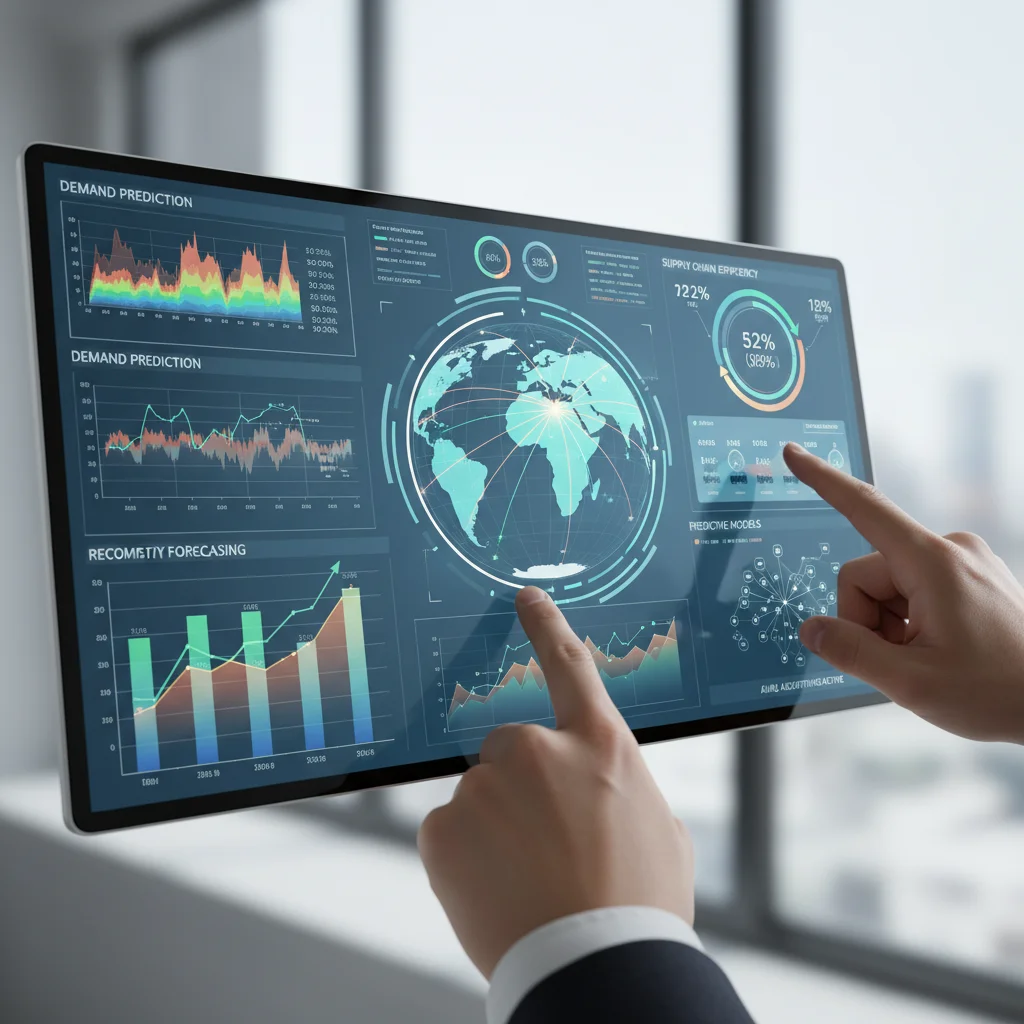
Predictive analytics uses statistical algorithms and machine learning techniques to identify the likelihood of future outcomes based on historical data. In the context of retail inventory optimization, it involves:
- Data Collection and Integration: Gathering vast amounts of data from various sources, including Point of Sale (POS) systems, e-commerce platforms, supply chain logistics, customer relationship management (CRM) systems, marketing campaigns, external economic data, weather forecasts, and even social media sentiment.
- Data Cleansing and Preparation: Ensuring the data is accurate, consistent, and formatted correctly for analysis. This often involves identifying and correcting errors, filling missing values, and transforming data into a usable structure.
- Model Development: Applying sophisticated statistical models and machine learning algorithms (e.g., regression analysis, time series forecasting, neural networks, decision trees) to the prepared data. These models learn patterns and relationships within the data.
- Forecasting and Prediction: Using the trained models to predict future demand for specific products at specific locations and times. This can be granular, down to SKU-level predictions for individual stores.
- Optimization: Based on the demand forecasts, the system then optimizes inventory levels, suggesting optimal reorder points, quantities, and distribution strategies to minimize costs while maximizing service levels.
- Continuous Learning and Refinement: Predictive models are not static. They constantly learn from new data, adjusting and improving their accuracy over time as market conditions change and more data becomes available. This iterative process is crucial for long-term success in retail inventory optimization.
Key Benefits of Predictive Analytics in Retail Inventory Management
The adoption of predictive analytics for retail inventory optimization offers a multitude of benefits that extend far beyond simply reducing waste:
1. Significant Reduction in Inventory Waste
As the core promise, predictive analytics directly addresses overstocking and understocking. By accurately forecasting demand, retailers can order precisely what they need, when they need it. This minimizes unsold inventory, reduces markdowns, and frees up capital that would otherwise be tied up in stagnant stock. The projected 10% reduction in waste by 2026 is a testament to this primary benefit, translating into billions of dollars saved across the U.S. retail sector.
2. Improved Sales and Customer Satisfaction
Eliminating stockouts means customers are more likely to find the products they want, leading to increased sales and fewer lost opportunities. A consistently available product assortment enhances the customer experience, builds loyalty, and strengthens brand reputation. Satisfied customers are more likely to become repeat buyers and advocate for the brand, contributing to long-term revenue growth.
3. Enhanced Cash Flow and Working Capital Efficiency
By optimizing inventory levels, retailers can significantly reduce the amount of capital tied up in inventory. This improved working capital can then be reallocated to other strategic initiatives, such as marketing, technology investments, store improvements, or expansion, fostering greater business agility and growth.
4. Streamlined Supply Chain Operations
Predictive analytics provides better visibility across the entire supply chain. Retailers can anticipate potential disruptions, optimize logistics, and improve collaboration with suppliers. This leads to more efficient purchasing, reduced lead times, and a more resilient supply chain capable of responding quickly to market changes.
5. Data-Driven Decision Making
Moving away from guesswork and intuition, predictive analytics empowers retail managers with concrete, data-backed insights. This enables more strategic decision-making regarding promotions, product assortment, store layouts, and even staffing, all contributing to better overall business performance and more effective retail inventory optimization.
6. Reduced Operational Costs
Beyond the direct costs of waste, predictive analytics helps reduce various operational expenses. Lower inventory levels mean less warehousing space is needed, leading to reduced rent, utilities, and labor costs associated with managing excess stock. Efficient logistics planning also cuts down on transportation and shipping expenses.
Challenges in Implementing Predictive Analytics for Retail Inventory Optimization
While the benefits are compelling, implementing predictive analytics is not without its challenges. Retailers must be prepared to address several key hurdles:
- Data Quality and Availability: The success of predictive analytics hinges on high-quality, comprehensive data. Many retailers struggle with fragmented data systems, inconsistent data formats, or simply a lack of sufficient historical data. Cleaning, integrating, and maintaining data quality is a monumental task.
- Talent Gap: There’s a significant shortage of data scientists, machine learning engineers, and analytics professionals with retail-specific expertise. Recruiting and retaining this talent can be challenging and expensive.
- Integration with Existing Systems: Predictive analytics solutions need to seamlessly integrate with existing ERP, POS, and supply chain management systems. Legacy systems can pose significant integration challenges, requiring substantial IT investment and effort.
- Model Complexity and Interpretability: Advanced machine learning models can be complex, making it difficult for business users to understand how predictions are generated. Ensuring transparency and trust in the models is crucial for adoption.
- Change Management: Shifting from traditional, often intuitive, inventory management practices to data-driven approaches requires a significant cultural change. Employees need training, and leadership must champion the new methodologies to ensure successful adoption.
- Cost of Implementation: Investing in predictive analytics software, infrastructure, data integration, and specialized personnel can be a substantial upfront cost for retailers.
- Dynamic Market Conditions: Retail markets are inherently dynamic. Models need to be continuously updated and retrained to remain accurate in the face of new trends, economic shifts, and unforeseen events (like pandemics or supply chain disruptions).
Strategies for Successful Implementation of Predictive Analytics
To overcome these challenges and achieve the projected 10% reduction in inventory waste, U.S. retailers should adopt a strategic, phased approach:
1. Start with a Clear Business Objective and Pilot Programs
Instead of attempting a full-scale overhaul immediately, identify specific, high-impact areas for retail inventory optimization. Begin with a pilot program in a single product category or a few stores. This allows for testing, learning, and demonstrating value before broader deployment. A clear objective, such as reducing overstock of seasonal items by X%, provides a measurable goal.
2. Invest in Data Infrastructure and Governance
Prioritize building a robust data infrastructure capable of collecting, storing, and integrating data from all relevant sources. Establish strong data governance policies to ensure data quality, security, and accessibility. A clean, unified data foundation is the bedrock of effective predictive analytics.
3. Build or Acquire the Right Talent
Develop an internal team with data science and machine learning expertise, or partner with specialized analytics firms. Provide training to existing staff to upskill them in data literacy and the use of new analytical tools. The human element is crucial for interpreting model outputs and making strategic decisions.
4. Choose the Right Technology Platform
Select predictive analytics software that aligns with business needs, scales with growth, and integrates well with existing systems. Consider cloud-based solutions for flexibility and scalability. Many vendors offer specialized retail inventory optimization platforms with pre-built models.
5. Foster a Culture of Data-Driven Decision Making
Leadership must champion the adoption of predictive analytics and communicate its strategic importance. Encourage employees to embrace data-driven insights and provide the necessary training and support to facilitate this transition. Celebrate early successes to build momentum and demonstrate value.
6. Emphasize Continuous Learning and Model Refinement
Recognize that predictive models are not ‘set and forget.’ Establish processes for ongoing model monitoring, evaluation, and retraining. Regularly feed new data into the models and adjust parameters as market conditions evolve. This iterative improvement is key to maintaining accuracy and relevance in retail inventory optimization.
7. Focus on Collaboration Across Departments
Successful retail inventory optimization with predictive analytics requires strong collaboration between merchandising, supply chain, marketing, and IT departments. Silos must be broken down to ensure a holistic approach to data utilization and decision-making.
Case Studies and Real-World Impact
While the 10% reduction by 2026 is a projection, many retailers are already seeing significant gains:
- Fashion Retailers: Companies in the fast-fashion segment have used predictive analytics to anticipate trends, optimize initial order quantities, and manage end-of-season markdowns more effectively, leading to reduced waste and improved profitability.
- Grocery Chains: Supermarkets leverage predictive analytics to forecast demand for perishable goods, minimizing spoilage and ensuring fresh produce availability, thereby enhancing customer satisfaction and reducing waste significantly.
- Electronics Retailers: By analyzing product lifecycles, promotional impacts, and competitive pricing, electronics retailers use predictive models to optimize inventory of high-value, rapidly evolving products, preventing obsolescence and maximizing sales during peak periods.
- E-commerce Giants: Online retailers, with their wealth of customer data, are pioneers in using predictive analytics for personalized recommendations and highly optimized inventory placement across their distribution networks, ensuring faster delivery and lower shipping costs.
These examples highlight the versatility and profound impact of predictive analytics across diverse retail segments. The common thread is the ability to move from reactive to proactive inventory management, driven by data-backed foresight.
The Future of Retail Inventory Optimization with Predictive Analytics
Looking ahead, the role of predictive analytics in retail inventory optimization is only set to grow. Several trends will further enhance its capabilities and impact:
- AI and Machine Learning Advancements: Continuous improvements in AI and machine learning algorithms will lead to even more accurate and sophisticated forecasting models, capable of handling greater data complexity and identifying subtle patterns.
- Real-time Analytics: The shift towards real-time data processing and analytics will enable retailers to make instantaneous inventory adjustments, responding to live demand signals and supply chain events with unprecedented speed.
- Hyper-Personalization: Predictive analytics will move beyond general demand forecasting to highly personalized inventory recommendations, ensuring that individual customer preferences are met while optimizing stock levels at a hyper-local or even individual level.
- Prescriptive Analytics: Beyond predicting what will happen, prescriptive analytics will recommend the best course of action, automatically generating optimal order quantities, transfer recommendations, and pricing strategies.
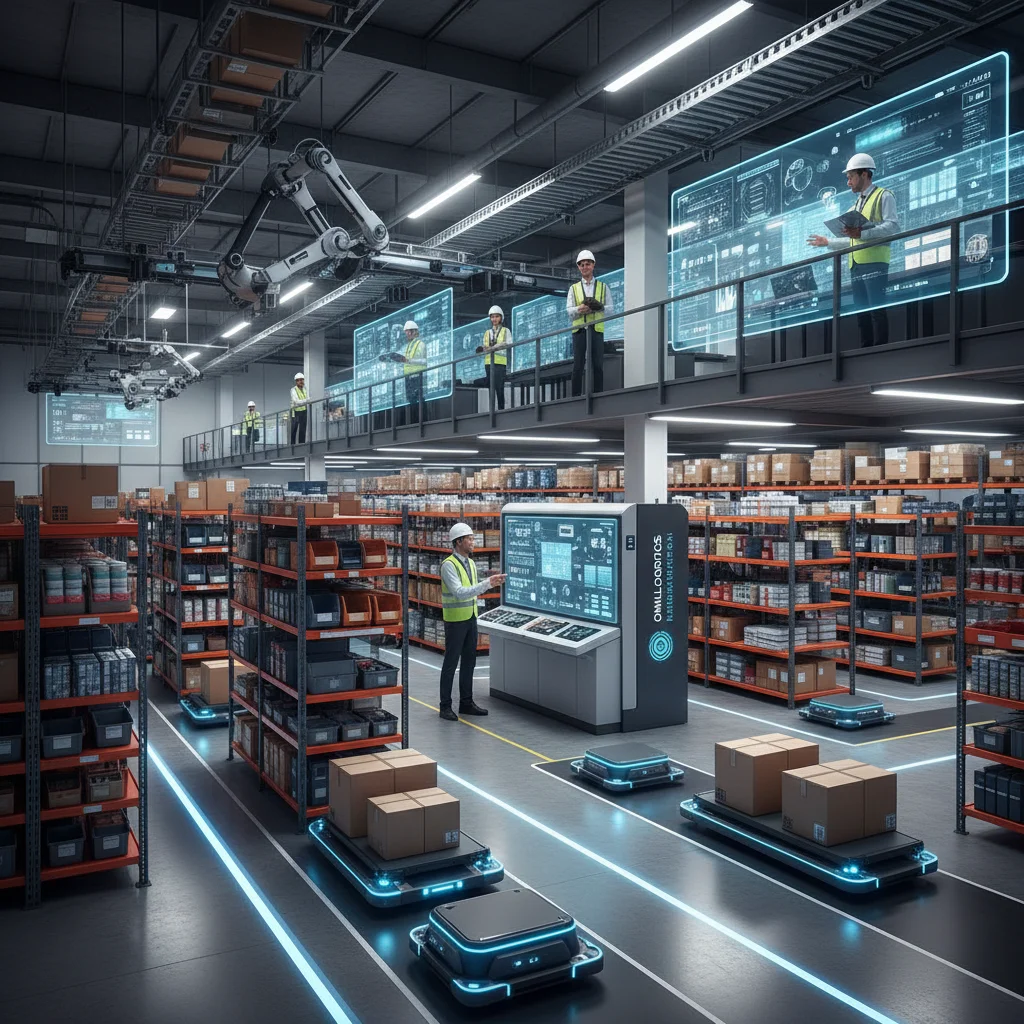
- Integration with IoT and Edge Computing: Internet of Things (IoT) devices (e.g., smart shelves, RFID tags) will provide even richer, real-time data on inventory movement and customer interactions, which, combined with edge computing, will allow for faster, localized inventory decisions.
- Sustainability Focus: As consumers and regulators increasingly demand sustainable practices, predictive analytics will play a crucial role in reducing waste, optimizing resource consumption in the supply chain, and minimizing the environmental footprint of retail operations.
The journey towards a 10% reduction in inventory waste by 2026 is not just about adopting a new technology; it’s about embracing a new paradigm of retail operations. It’s about leveraging the power of data to create more intelligent, efficient, and customer-centric businesses. Retailers who successfully navigate this transformation will not only achieve significant cost savings but also gain a substantial competitive edge in an ever-evolving market.
Conclusion: A Smarter Future for Retail Inventory
The projection of U.S. retailers cutting inventory waste by 10% by 2026 through predictive analytics is a testament to the profound impact of data-driven intelligence on the industry. This isn’t a speculative forecast; it’s a realistic outcome driven by the proven capabilities of predictive models to transform complex, volatile retail environments into predictable, optimized systems. By moving away from reactive, intuition-based decisions to proactive, insight-driven strategies, retailers can unlock immense value.
The benefits are clear: reduced waste, improved sales, enhanced cash flow, streamlined supply chains, and superior customer satisfaction. While challenges related to data, talent, and integration exist, they are surmountable with a strategic, phased, and committed approach. The future of retail inventory optimization is inextricably linked to the continued adoption and advancement of predictive analytics. Retailers who invest in this technology, foster a data-centric culture, and continuously refine their models will be the ones that thrive, leading the charge towards a more efficient, profitable, and sustainable retail ecosystem.
The era of guesswork in inventory management is rapidly fading. The era of intelligent, predictive, and optimized retail is here, promising not just cost savings but a fundamental redefinition of operational excellence. The 10% reduction in waste is just the beginning, paving the way for even greater efficiencies and innovations in the years to come, solidifying predictive analytics as an indispensable tool for every forward-thinking U.S. retailer.