Augmented Reality in Retail: Boosting US Consumer Engagement by 30% in the Next 12 Months
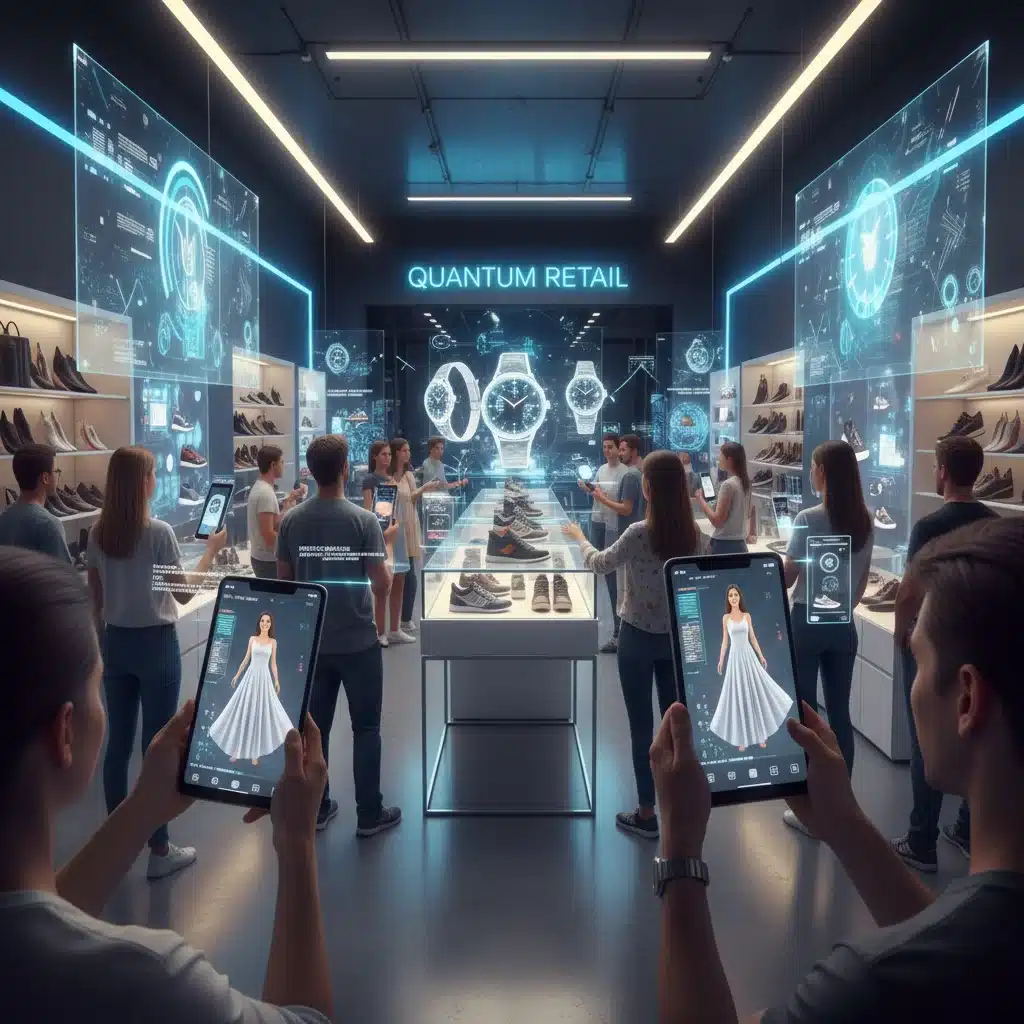
The retail landscape is in a constant state of flux, driven by technological advancements and evolving consumer expectations. In this dynamic environment, one technology stands out as a true game-changer: Augmented Reality (AR). Far from being a futuristic gimmick, AR is rapidly becoming an indispensable tool for retailers aiming to captivate customers, enhance the shopping experience, and ultimately, drive sales. The projection is audacious yet achievable: a 30% boost in US consumer engagement within the next 12 months, leading to significant financial impact across the sector. This article will delve into how AR retail engagement is not just a trend but a strategic imperative for businesses looking to thrive in the modern era.
The Transformative Power of AR in Retail
Augmented Reality overlays digital information onto the real world, creating an enhanced interactive experience. In retail, this translates into a myriad of possibilities, from virtual try-ons for clothing and makeup to visualizing furniture in one’s home before purchase. The core appeal lies in its ability to bridge the gap between the physical and digital shopping worlds, offering convenience, personalization, and an element of novelty that traditional retail often lacks. This seamless integration of digital content into the physical environment is precisely what fuels AR retail engagement.
Historically, retail innovation focused on optimizing supply chains or improving point-of-sale systems. While crucial, these back-end improvements often don’t directly touch the consumer’s immediate experience. AR, however, is a front-end innovation designed specifically to enrich customer interaction. It addresses common pain points in the shopping journey, such as uncertainty about how a product will look or fit, or the inability to physically interact with an item in an online store. By providing immediate, visual answers to these questions, AR builds confidence and reduces friction, directly impacting purchasing decisions.
Understanding the Current Retail Climate
The US retail market is fiercely competitive, with consumers having more choices and higher expectations than ever before. E-commerce continues its upward trajectory, forcing brick-and-mortar stores to redefine their value proposition. Customers now seek experiences, not just transactions. They desire personalization, convenience, and a sense of discovery. This shift in consumer behavior is a fertile ground for AR, as it inherently delivers on these desires. Retailers who embrace AR retail engagement are positioning themselves at the forefront of this experiential revolution.
Moreover, the post-pandemic era has solidified the importance of omnichannel strategies. Consumers expect to move fluidly between online and offline channels, and AR serves as a powerful connector in this ecosystem. It can enhance an in-store visit with digital information or bring the physical store experience into the comfort of a customer’s home. This adaptability makes AR an invaluable asset for modern retailers navigating complex consumer journeys.
Quantifying the 30% Engagement Boost: A Financial Perspective
The claim of a 30% boost in consumer engagement is not arbitrary; it’s rooted in the proven psychological and behavioral impacts of AR. When consumers interact with AR, their engagement levels typically skyrocket due to several factors:
- Increased Dwell Time: AR experiences are inherently interactive and captivating. Customers spend more time exploring products when they can virtually try them on, place them in their environment, or customize them in real-time. This extended interaction deepens their connection with the brand and product.
- Enhanced Personalization: AR allows for highly personalized experiences. Seeing a product in one’s own home or on one’s own body makes the experience uniquely relevant, fostering a stronger sense of ownership and desire. This personalization is a key driver of AR retail engagement.
- Reduced Uncertainty: A major barrier to purchase, especially online, is uncertainty. ‘Will this couch fit?’ ‘Will this dress suit me?’ AR provides tangible answers, significantly reducing buyer’s remorse and increasing purchase confidence.
- Novelty and Entertainment: AR is still perceived as innovative and exciting. The novelty factor alone can draw customers in and make the shopping experience more enjoyable and memorable, leading to repeat visits and recommendations.
From a financial standpoint, increased engagement translates directly into measurable benefits:
- Higher Conversion Rates: Engaged customers are more likely to convert. Studies have shown that AR can significantly increase conversion rates for products offering virtual try-on or visualization.
- Reduced Return Rates: By providing a more accurate representation of products, AR helps customers make better-informed decisions, leading to fewer returns and associated costs.
- Increased Average Order Value (AOV): When customers feel more confident and engaged, they are often willing to spend more, leading to higher AOV.
- Stronger Brand Loyalty: Brands that offer innovative and engaging experiences stand out from the competition, fostering loyalty and positive word-of-mouth.
Consider the cumulative effect of these factors. A 30% surge in consumer engagement, encompassing longer interaction times, increased satisfaction, and reduced purchase friction, can realistically translate into double-digit growth in conversion rates and a notable reduction in returns, directly impacting the bottom line within a 12-month window. This makes AR retail engagement a powerful investment.
Key Applications of AR in US Retail
The versatility of AR means it can be applied across various retail segments, each leveraging its unique capabilities to enhance the customer journey.
Fashion and Beauty: Virtual Try-On
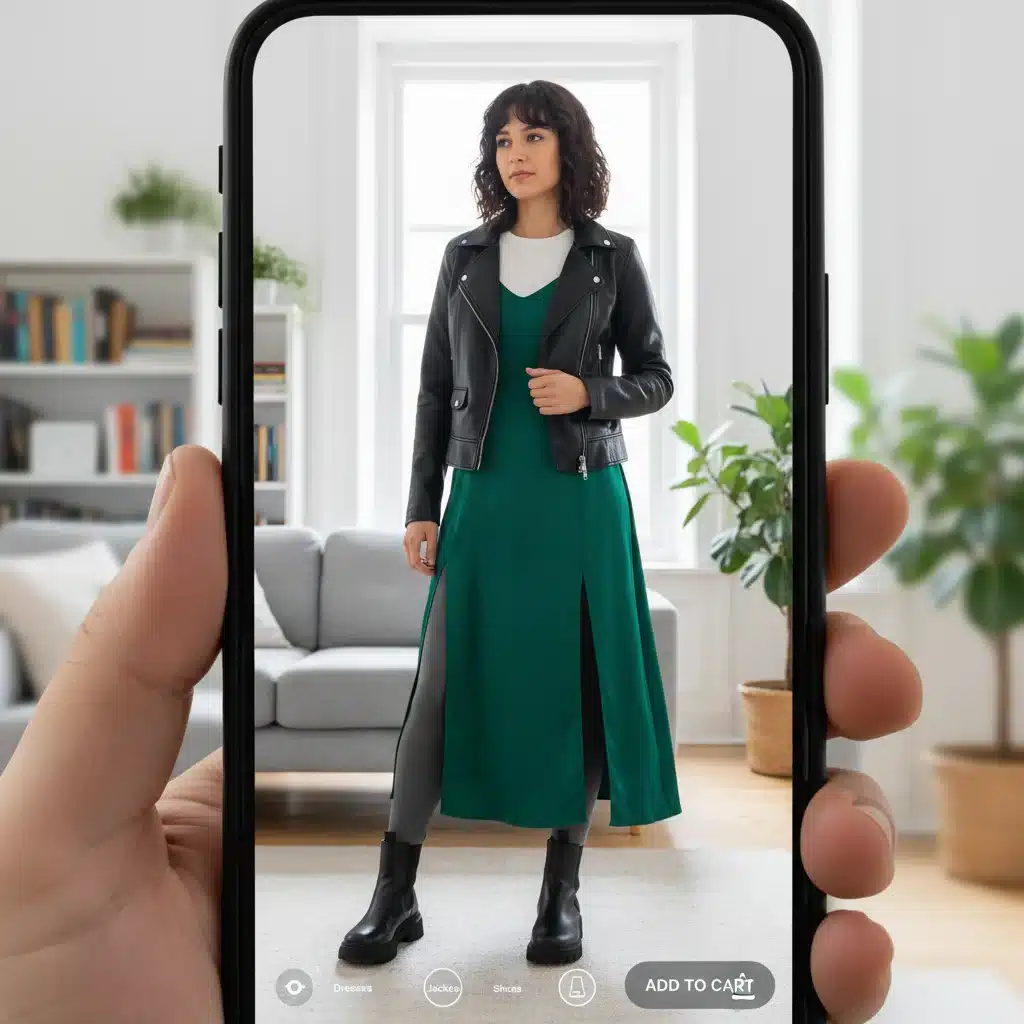
Perhaps one of the most visible and impactful applications of AR is in the fashion and beauty industries. Virtual try-on experiences allow customers to see how clothes, accessories, or makeup would look on them without physically trying them on. This is particularly valuable for online shoppers who can often hesitate due to sizing or style concerns. Brands like Warby Parker pioneered virtual try-on for glasses, and many beauty brands now offer virtual makeup applications.
- Clothing: Customers can use their smartphone cameras to virtually ‘wear’ outfits, seeing how different styles and colors fit their body shape.
- Accessories: Trying on watches, jewelry, or hats becomes a seamless digital experience.
- Makeup: AR filters allow users to experiment with different shades of lipstick, eyeshadow, and foundation, making product selection much easier and more enjoyable.
The convenience and accuracy offered by these applications significantly boost AR retail engagement, leading to higher purchase intent and satisfaction.
Home Furnishings and Decor: See Before You Buy
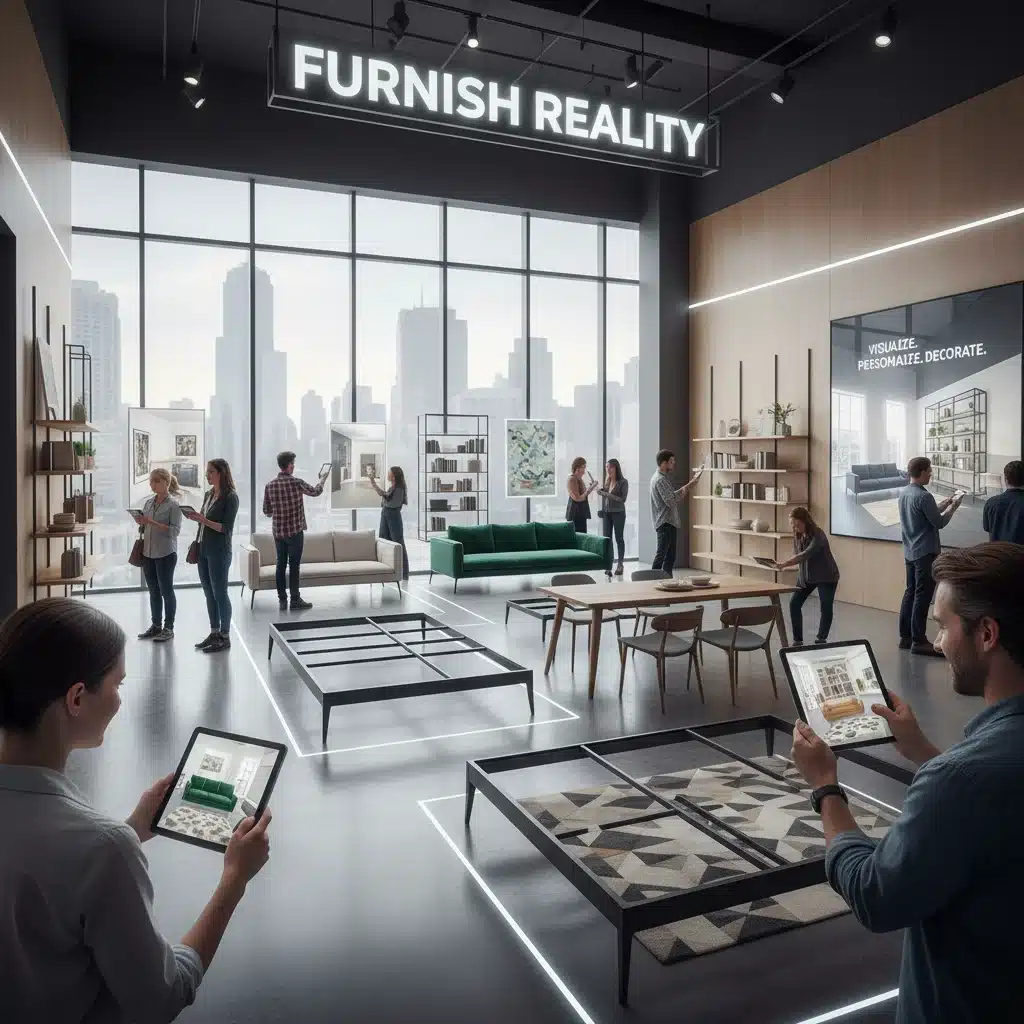
For large and expensive items like furniture, the decision-making process is often protracted and fraught with uncertainty. AR eliminates much of this by allowing customers to virtually place products in their own homes. IKEA Place was an early adopter, enabling users to visualize furniture in their space, checking for fit and aesthetic compatibility.
- Furniture Placement: Users can ‘place’ virtual sofas, tables, or beds in their living room or bedroom, viewing them from different angles and ensuring they fit the dimensions.
- Decor Visualization: From rugs to artwork, AR helps customers see how decorative items will complement their existing decor.
- Kitchen and Bath Design: More complex AR applications can even help visualize entire room renovations, allowing customers to experiment with different layouts and finishes.
This application of AR not only reduces returns but also empowers customers to make confident purchases, driving significant AR retail engagement for high-ticket items.
Automotive: Interactive Showrooms and Customization
The automotive industry is leveraging AR to revolutionize the car buying experience. Potential buyers can explore vehicles in 3D, customize features, and even take virtual test drives from the comfort of their homes or in a showroom without a physical car present.
- Virtual Car Exploration: Users can walk around a virtual car, open doors, and examine the interior details.
- Customization: Experiment with different paint colors, wheel designs, and interior trims in real-time.
- Interactive Manuals: AR can overlay information onto physical car components, helping owners understand maintenance or feature functionality.
These immersive experiences provide a level of detail and personalization previously unavailable, greatly enhancing AR retail engagement in a high-value sector.
Groceries and Consumer Goods: Enhanced Product Information
Even in everyday shopping, AR can add significant value. Imagine scanning a product in a grocery store and instantly seeing nutritional information, allergens, recipes, or even reviews overlaid on your screen. This transparency and immediate access to information can guide purchasing decisions and build trust.
- Nutritional Overlays: Quick access to dietary facts and health benefits.
- Allergen Alerts: Instantly highlight potential allergens, crucial for health-conscious consumers.
- Recipe Suggestions: Scan an ingredient and get recipe ideas, making meal planning easier.
While less glamorous, these practical applications significantly improve the utility of shopping, fostering a different kind of AR retail engagement rooted in convenience and informed choice.
Implementing AR: Best Practices for Retailers
To successfully integrate AR and achieve the projected 30% engagement boost, retailers must adopt a strategic approach. It’s not enough to simply deploy an AR app; the experience must be seamless, valuable, and aligned with consumer needs.
1. Focus on User Experience (UX)
A clunky, slow, or difficult-to-use AR application will deter users. Retailers must prioritize intuitive design, fast loading times, and accurate tracking. The AR experience should feel natural and enhance, rather than complicate, the shopping journey. Regular testing and user feedback are crucial for refinement. A superior UX is paramount for sustainable AR retail engagement.
2. Integrate with Existing Platforms
AR shouldn’t operate in a silo. It should be seamlessly integrated into a retailer’s existing e-commerce website, mobile app, and even in-store digital displays. This omnichannel approach ensures a consistent brand experience and allows customers to transition effortlessly between different touchpoints.
3. High-Quality 3D Models
The realism of the AR experience hinges on the quality of the 3D product models. Low-resolution or poorly textured models will undermine credibility and user trust. Investing in high-fidelity 3D assets that accurately represent the physical product is essential for an impactful AR retail engagement.
4. Clear Call-to-Actions (CTAs)
Every AR experience should have a clear purpose and guide the user towards the next step in the purchasing funnel. Whether it’s ‘Add to Cart,’ ‘Request a Quote,’ or ‘Find in Store,’ CTAs should be prominent and easy to access within the AR interface.
5. Educate and Promote
Many consumers may still be unfamiliar with AR. Retailers need to actively educate their audience about the benefits and how to use AR features. This can be done through in-app tutorials, marketing campaigns, and in-store demonstrations. Effective promotion is key to driving initial adoption and maximizing AR retail engagement.
6. Measure and Optimize
Like any digital initiative, AR implementation requires continuous measurement and optimization. Track key metrics such as engagement duration, conversion rates for AR-enabled products, return rates, and customer satisfaction. Use these insights to refine the AR experience and identify areas for improvement.
Challenges and Considerations
While the benefits of AR are substantial, implementing it successfully comes with its own set of challenges. Retailers must be prepared to address these to fully capitalize on the technology.
Technological Hurdles
Developing robust AR applications requires specialized skills and can be resource-intensive. Ensuring compatibility across a wide range of devices and operating systems can also be complex. Furthermore, the accuracy of AR tracking can sometimes be affected by lighting conditions or device capabilities. Overcoming these technical challenges is vital for consistent AR retail engagement.
Cost of Development and Maintenance
The initial investment in AR development, including 3D modeling and software engineering, can be significant. Ongoing maintenance, updates, and the creation of new 3D assets also contribute to the overall cost. Retailers need to carefully evaluate the ROI and scale their AR initiatives appropriately.
Data Privacy and Security
AR applications often require access to a user’s camera and device sensors, raising concerns about data privacy. Retailers must be transparent about data collection practices and ensure robust security measures are in place to protect user information. Building trust is essential for sustained AR retail engagement.
Consumer Adoption and Awareness
Despite growing awareness, not all consumers are familiar or comfortable with AR technology. Bridging this gap through education and intuitive design is crucial. The learning curve for some users might hinder initial adoption if the experience isn’t straightforward.
The Future of AR in Retail: Beyond 12 Months
The 30% engagement boost within the next year is just the beginning. The trajectory of AR innovation suggests an even more integrated and sophisticated future for retail.
Persistent AR and Digital Twins
Imagine AR experiences that persist over time, allowing customers to leave virtual notes or customizations in a physical space for others to see. The concept of ‘digital twins‘ – virtual replicas of physical objects – will become more sophisticated, offering real-time data and interactive possibilities.
AR Glasses and Hands-Free Experiences
As AR glasses become more mainstream and less cumbersome, hands-free AR shopping experiences will emerge. This could mean walking into a store and seeing product information, personalized recommendations, or even virtual models overlaid directly onto your field of vision, without needing a smartphone. This truly seamless interaction will redefine AR retail engagement.
Hyper-Personalization and AI Integration
Combining AR with Artificial Intelligence (AI) will unlock unprecedented levels of personalization. AI algorithms can analyze customer preferences and behavior to offer highly relevant AR experiences, predicting what a customer might like and presenting it in an engaging, augmented format. For example, an AI could suggest an AR try-on for an outfit based on a user’s past purchases and current fashion trends.
Interactive In-Store Experiences
Physical stores will transform into interactive playgrounds. AR could guide customers through stores, highlight promotions, provide product demonstrations, and even create gamified shopping experiences, blurring the lines between retail and entertainment. This will ensure the continued relevance and vibrancy of brick-and-mortar locations by leveraging AR retail engagement.
Conclusion: Seizing the AR Opportunity
The opportunity for US retailers to significantly elevate consumer engagement through Augmented Reality is not just theoretical; it’s a tangible reality with a clear path to execution. The projected 30% boost in engagement within the next 12 months is a conservative estimate given the rapid advancements in AR technology and its proven impact on customer behavior. By offering immersive, personalized, and convenient shopping experiences, AR addresses the core desires of modern consumers.
Retailers who embrace AR retail engagement are not merely adopting a new technology; they are investing in the future of their brand, fostering deeper connections with their customers, and ultimately, securing a competitive edge in an increasingly crowded marketplace. The financial implications are clear: higher conversion rates, reduced returns, increased average order value, and stronger brand loyalty. For any retailer looking to innovate, captivate, and thrive in the coming year, integrating Augmented Reality is not just an option—it’s an imperative.
The time to act is now. As AR technology continues to mature and consumer familiarity grows, early adopters will solidify their market position and reap the most significant rewards. The future of retail is augmented, and those who lead the charge will define the next generation of shopping experiences.