US Space Exploration 2026: Missions, Tech, and Future Frontiers
US Space Exploration 2026: Missions, Tech, and Future Frontiers
The dawn of 2026 heralds a new era for US space exploration, a period marked by unprecedented ambition, technological breakthroughs, and a renewed commitment to pushing the boundaries of human presence beyond Earth. As nations worldwide vie for supremacy in the cosmos, the United States continues to lead with a robust portfolio of missions, innovative partnerships, and a long-term vision that promises to reshape our understanding of the universe and our place within it. This comprehensive look into US space exploration will delve into the critical missions, the cutting-edge technologies driving these endeavors, and the profound implications for humanity’s future in space.
A New Chapter for Lunar Exploration: The Artemis Program in 2026
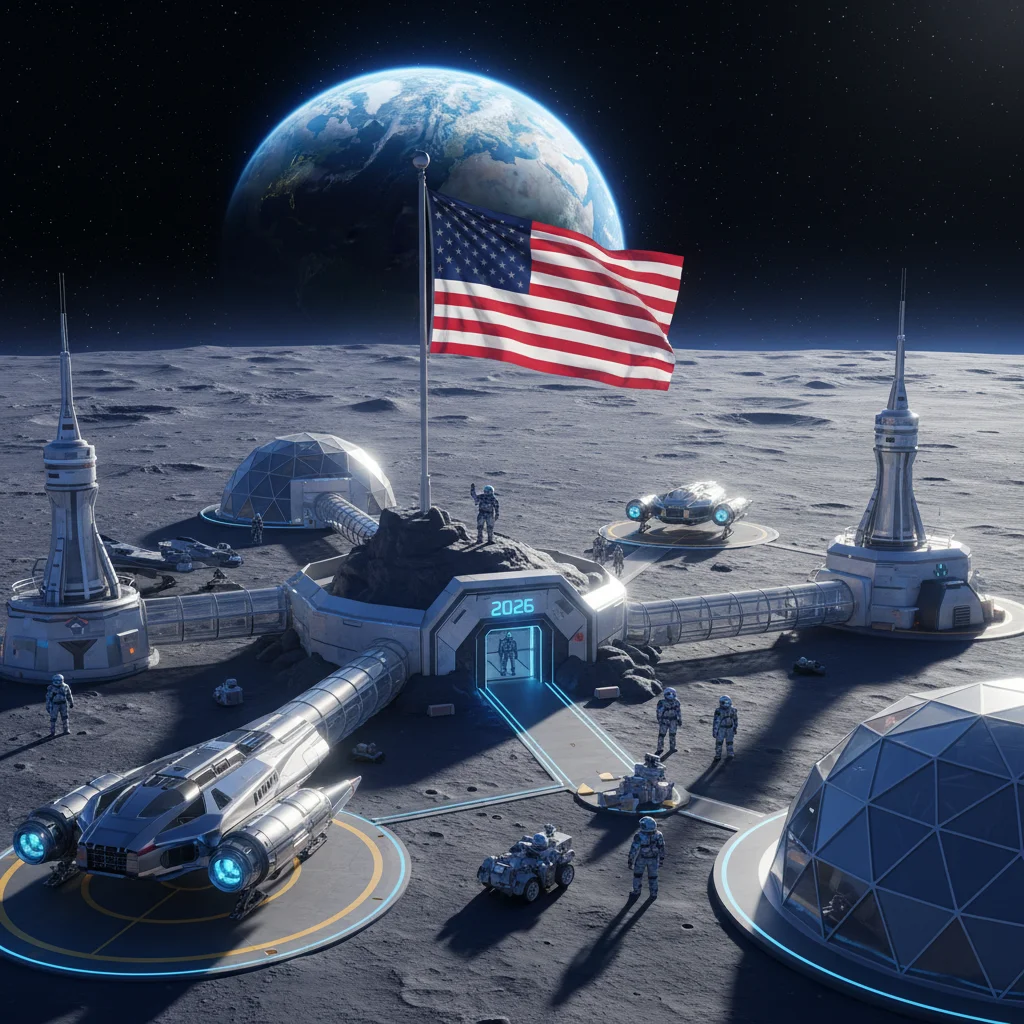
At the heart of US space exploration lies the Artemis program, NASA’s ambitious initiative to return humans to the Moon and establish a sustainable lunar presence. While Artemis III, the mission slated to land astronauts on the Moon, is currently projected for late 2025 or 2026, the year 2026 will undoubtedly be a pivotal period for its progress and potential execution. This mission aims to land the first woman and first person of color on the lunar surface, marking a significant step towards a more inclusive future in space.
Artemis III: The Human Return to the Moon
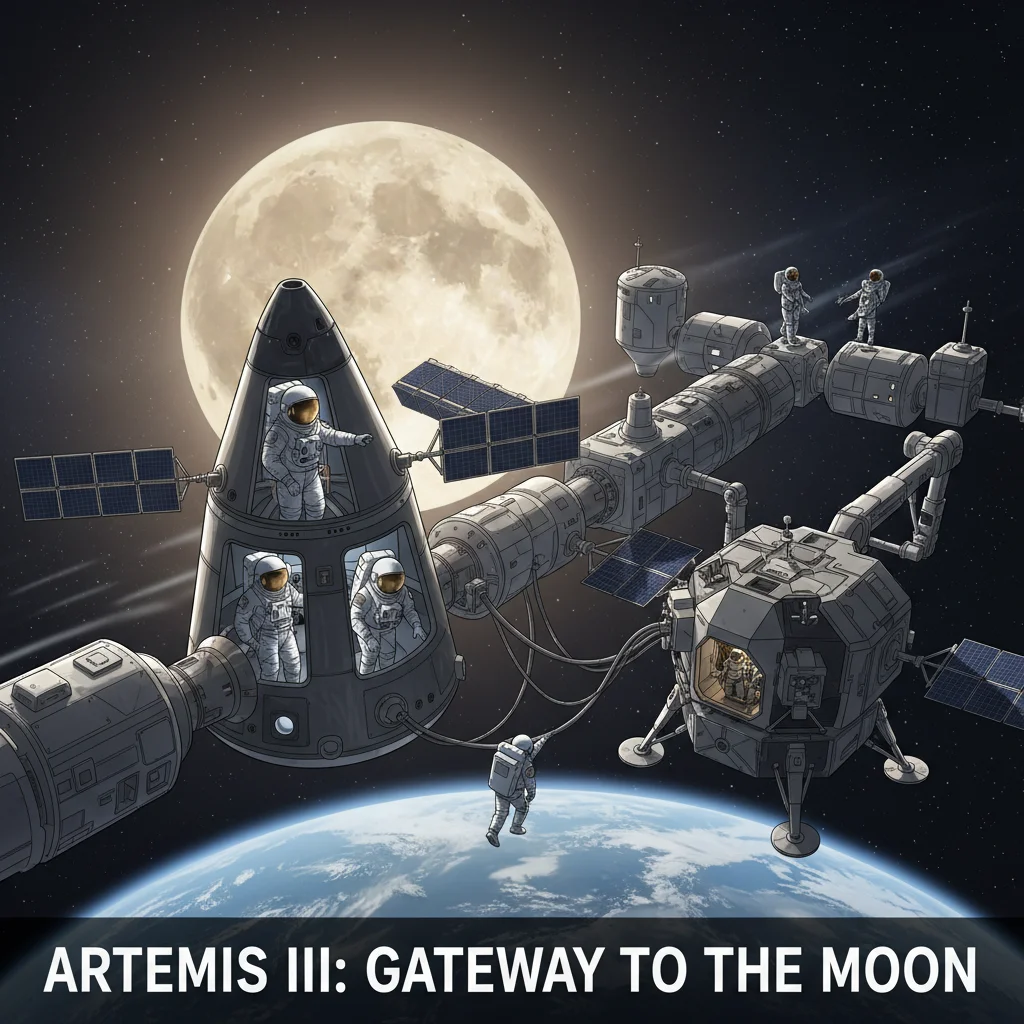
The Artemis III mission will see the Orion spacecraft, propelled by the powerful Space Launch System (SLS) rocket, transport astronauts to lunar orbit. From there, they will transfer to a Human Landing System (HLS), developed by commercial partners, to descend to the Moon’s South Pole. This region is of particular scientific interest due to the potential presence of water ice in permanently shadowed craters, a crucial resource for future lunar habitats and fuel production.
The objectives of Artemis III extend far beyond simply planting a flag. Astronauts will conduct extensive scientific research, collect lunar samples, and test technologies vital for long-duration missions. The experience gained during Artemis III will be instrumental in preparing for future missions to Mars, making it a cornerstone of US space exploration and beyond.
Lunar Gateway and Sustainable Presence
Beyond the initial landing, 2026 will likely see continued development and deployment of components for the Lunar Gateway, a small space station orbiting the Moon. The Gateway will serve as a multi-purpose outpost, providing living quarters for astronauts, a laboratory for scientific research, and a staging point for missions to the lunar surface and deeper into space. Its modular design allows for expansion and upgrades, reflecting a long-term strategy for sustainable lunar operations. The establishment of the Gateway is a testament to the collaborative spirit of US space exploration, involving international partners and commercial entities.
Mars Missions: Paving the Way for Human Exploration
While the Moon remains a primary focus, Mars continues to captivate the imagination and drive significant investment in US space exploration. The scientific quest to understand the Red Planet’s past habitability, search for signs of ancient life, and pave the way for eventual human missions continues unabated.
Perseverance Rover’s Ongoing Discoveries
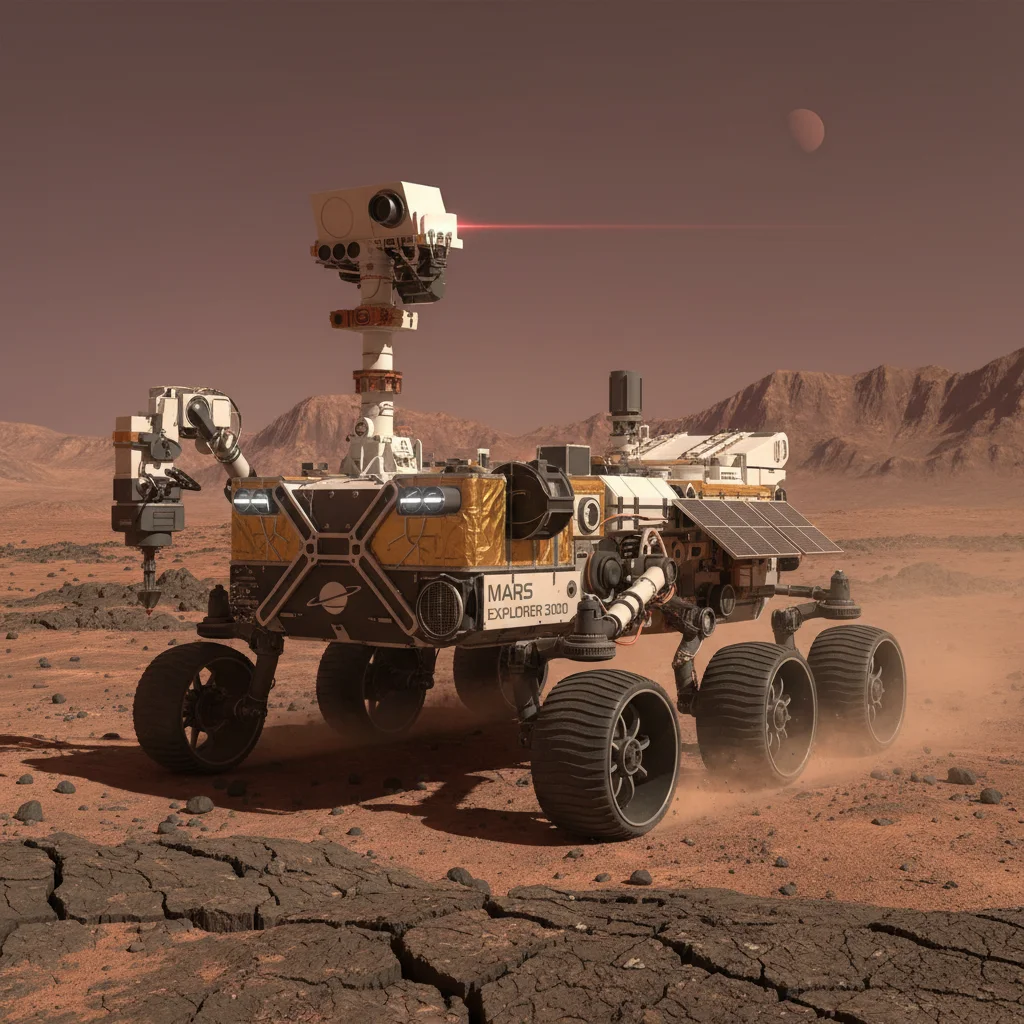
NASA’s Perseverance rover, which landed on Mars in 2021, will continue its groundbreaking mission in 2026. Its primary objective is to seek signs of ancient microbial life and collect rock and regolith samples for eventual return to Earth. The rover’s sophisticated instruments, including the SHERLOC and PIXL tools, provide unprecedented insights into Martian geology and potential biosignatures. The data collected by Perseverance in 2026 will be crucial for selecting future landing sites for human missions and understanding the challenges of living on Mars.
Mars Sample Return Mission Progress
The Mars Sample Return (MSR) campaign, a highly ambitious international effort to bring Perseverance’s collected samples back to Earth, will see significant progress by 2026. This multi-mission endeavor involves a Sample Retrieval Lander and a Mars Ascent Vehicle to launch the samples from the Martian surface, followed by an Earth Return Orbiter to capture them in orbit and transport them home. While the actual return is projected for the early 2030s, the design, development, and testing phases leading up to 2026 are critical. The success of MSR will revolutionize our understanding of Mars and significantly influence future US space exploration strategies for human missions.
Technological Advancements Driving US Space Exploration 2026
The ambitious goals of US space exploration are underpinned by a relentless pursuit of technological innovation. From advanced propulsion systems to cutting-edge robotics and artificial intelligence, these developments are not only making missions possible but also more efficient, safer, and more scientifically productive.
Advanced Propulsion Systems
One of the most critical areas of development is advanced propulsion. While chemical rockets remain the workhorse of space travel, the need for faster, more efficient, and more sustainable methods for deep-space missions is paramount. In 2026, we can expect continued research and development in:
- Nuclear Thermal Propulsion (NTP): NTP offers significantly higher thrust-to-weight ratios and specific impulse compared to chemical rockets, dramatically reducing transit times to Mars. NASA is actively pursuing NTP technology, with ground tests and component development expected to accelerate in the coming years.
- Electric Propulsion (Ion Thrusters): Already in use for some deep-space probes, electric propulsion systems provide continuous, low-thrust acceleration, ideal for long-duration missions and orbital maneuvers. Enhancements in power efficiency and thrust capabilities will continue to be a focus.
- Solar Sails: While still in early stages for large-scale applications, solar sails harness the subtle pressure of sunlight for propulsion, offering a propellant-less alternative for certain missions.
Robotics and AI in Space
Robotics and artificial intelligence are becoming indispensable tools for US space exploration. These technologies enhance mission capabilities, reduce risks to human astronauts, and enable autonomous operations in challenging environments.
- Next-Generation Rovers: Future Mars and lunar rovers will feature enhanced autonomy, allowing them to navigate more complex terrains and make scientific decisions with less human intervention.
- In-Situ Resource Utilization (ISRU) Robots: Robots designed to extract and process resources directly on the Moon or Mars (e.g., water ice, oxygen from regolith) are critical for establishing sustainable outposts. Prototypes and early deployment could be seen around 2026.
- AI for Data Analysis: AI algorithms are increasingly used to process the vast amounts of data collected by spacecraft, identifying patterns, anomalies, and potential discoveries more efficiently than human analysts alone.
Advanced Materials and Manufacturing
The development of new materials and advanced manufacturing techniques is revolutionizing spacecraft design and construction. Lighter, stronger, and more durable materials are essential for reducing launch costs and increasing mission resilience. Additive manufacturing (3D printing) is playing a crucial role in creating complex components quickly and efficiently, even in space.
Commercial Space Sector: A Driving Force in US Space Exploration 2026
The commercial space sector has emerged as a powerhouse in US space exploration, dramatically lowering costs, fostering innovation, and expanding access to space. Companies like SpaceX, Blue Origin, and countless others are not just partners to government agencies but are also pursuing their own ambitious space ventures.
Launch Services and Reusability
The advent of reusable rocket technology, pioneered by companies like SpaceX, has been a game-changer. By 2026, reusability will be even more ingrained in the launch industry, leading to further cost reductions and increased launch cadence. This allows for more frequent and diverse missions, supporting both scientific endeavors and commercial aspirations.
Commercial Lunar Landers and Infrastructure
Commercial companies are also developing their own lunar landers, with contracts from NASA under the Commercial Lunar Payload Services (CLPS) program. These missions are delivering scientific instruments and technology demonstrations to the Moon, preparing the way for human landings and the establishment of lunar infrastructure. Around 2026, several such commercial missions are expected to provide invaluable data and experience.
Private Space Stations and Tourism
Looking further ahead, the commercial sector is actively developing private space stations to succeed the International Space Station (ISS). While a fully operational private station might be slightly beyond 2026, significant progress in design, funding, and initial module deployment is anticipated. Additionally, space tourism, while still nascent, will continue to expand, offering unique experiences to a growing number of private citizens.
Deep Space and Planetary Science Missions
Beyond the Moon and Mars, US space exploration continues its quest to unravel the mysteries of our solar system and the cosmos. Several robotic missions are either ongoing or in advanced planning stages, promising breathtaking discoveries.
Europa Clipper Mission
The Europa Clipper mission, set to launch in 2024, will be well into its journey to Jupiter’s moon Europa by 2026. This mission is designed to conduct detailed surveys of Europa to determine if it possesses the conditions necessary for life. It will use a sophisticated suite of instruments to investigate Europa’s ocean, ice shell, composition, and geology. Data collected by Europa Clipper in 2026 will provide unprecedented insights into this enigmatic ocean world.
Psyche Mission
Another exciting mission is Psyche, which launched in 2023 and will be en route to its namesake, a unique metal-rich asteroid, by 2026. This mission aims to study a protoplanet’s exposed core, offering a rare window into the building blocks of rocky planets, including Earth’s own core. The data from Psyche will enhance our understanding of planetary formation and evolution.
International Collaboration and Global Leadership
The United States recognizes that space exploration is a global endeavor, and international collaboration remains a cornerstone of US space exploration. Partnerships with agencies like the European Space Agency (ESA), Japan Aerospace Exploration Agency (JAXA), Canadian Space Agency (CSA), and others are crucial for sharing resources, expertise, and the scientific benefits of discovery.
Artemis Accords and Norms for Space
The Artemis Accords, a set of non-binding principles for responsible lunar exploration and utilization, continue to gain signatories and shape the future of international cooperation in space. By 2026, the Accords will likely have an even broader impact, establishing norms and best practices for peaceful and sustainable activities on the Moon and beyond. This framework is vital for ensuring that the expansion of human presence in space benefits all of humanity.
Joint Scientific Endeavors
Many deep-space missions, like the Mars Sample Return campaign, are inherently international. These joint ventures leverage the strengths of multiple nations, leading to more robust missions and greater scientific returns. The collaborative spirit exemplifies the forward-looking approach of US space exploration.
Challenges and Future Outlook for US Space Exploration 2026
Despite the exciting prospects, US space exploration faces several challenges. Funding remains a perennial concern, requiring careful prioritization and allocation of resources. The technical complexities of deep-space travel, including radiation exposure, life support systems for long durations, and reliable communication over vast distances, demand continuous innovation.
Addressing Key Obstacles
- Funding Stability: Sustained and predictable funding is essential for long-term projects like Artemis and Mars missions. Political will and public support play a crucial role in securing these resources.
- Technological Readiness: While significant progress is being made, certain technologies, such as advanced in-space manufacturing and closed-loop life support systems, require further development and rigorous testing before widespread deployment.
- Space Debris: The increasing amount of space debris poses a growing threat to active satellites and spacecraft. Efforts to track, mitigate, and remove debris will become increasingly important in 2026 and beyond.
The Vision Beyond 2026
Looking beyond 2026, the trajectory of US space exploration points towards a permanent human presence on the Moon, followed by crewed missions to Mars. The foundations laid in 2026 will be critical for achieving these monumental goals. The development of lunar infrastructure, including habitats, power systems, and resource extraction capabilities, will transform the Moon into a proving ground and stepping stone for deeper space exploration. The ultimate goal is not just to visit, but to live and work in space, expanding humanity’s reach and securing our future as a multi-planetary species.
Conclusion: A Defining Moment for US Space Exploration 2026
The year 2026 stands as a defining moment for US space exploration. With the Artemis program driving humanity’s return to the Moon, ongoing robotic missions unraveling the secrets of Mars and other celestial bodies, and a vibrant commercial sector pushing the boundaries of what’s possible, the United States is at the forefront of shaping our cosmic destiny. The synergistic blend of governmental leadership, private innovation, and international collaboration ensures that the spirit of exploration continues to thrive. As we look to the stars in 2026, we are not just witnessing scientific advancement; we are participating in the next great chapter of human endeavor, a testament to our enduring curiosity and our unwavering commitment to exploring the unknown.