Ending Food Deserts: US Federal Programs 2026 Update
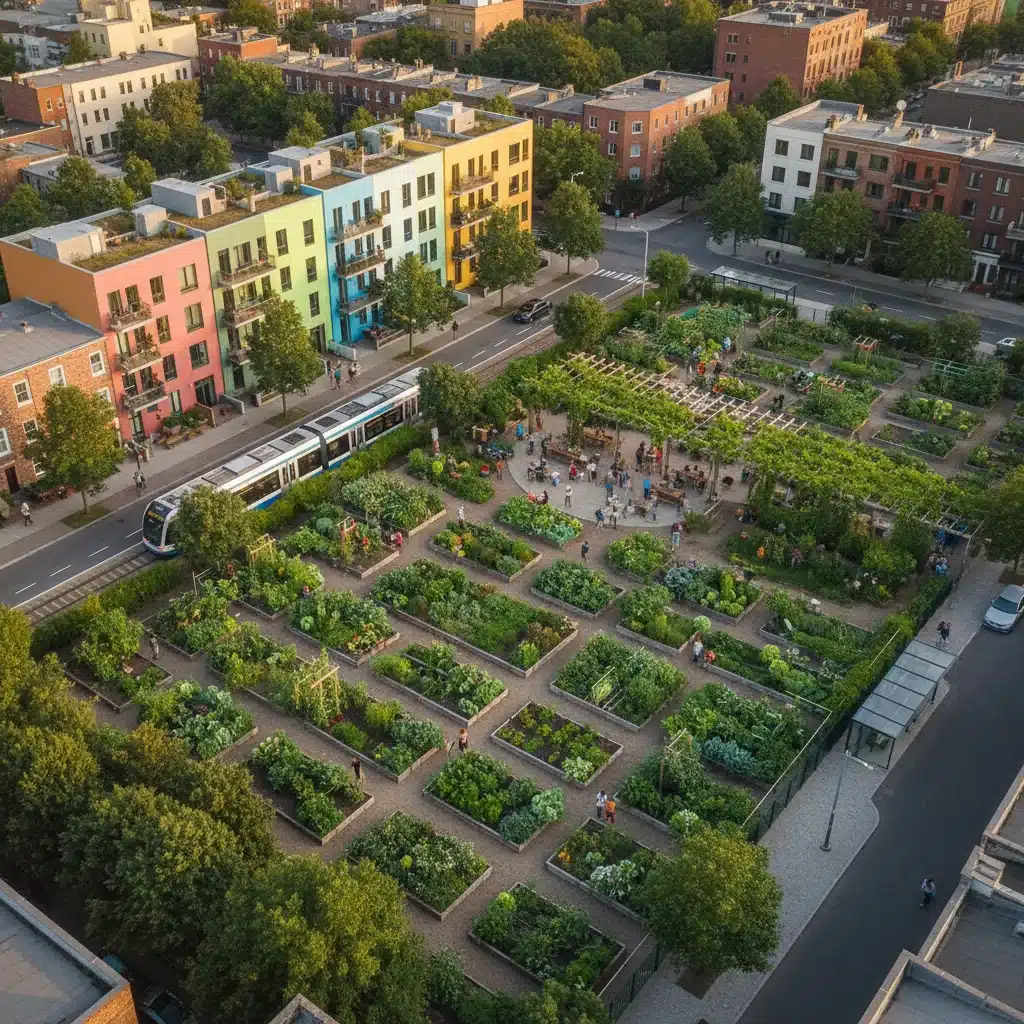
Food insecurity remains a pressing challenge across the United States, disproportionately affecting vulnerable populations in both urban and rural settings. A critical component of this challenge is the pervasive issue of food deserts – areas where residents have limited access to affordable, nutritious food. These regions, often characterized by a scarcity of grocery stores and an abundance of fast-food outlets, contribute significantly to poor health outcomes and exacerbate socioeconomic disparities. Recognizing the profound impact of this issue, the U.S. government has intensified its efforts, rolling out and refining a suite of federal programs designed to tackle US Food Deserts head-on. As we look towards 2026, there’s a renewed focus and ambitious targets, particularly the goal of decreasing food deserts by 12% in urban and rural areas.
The Persistent Problem of US Food Deserts: A 2026 Update on Federal Programs
The concept of a ‘food desert’ is more than just a lack of grocery stores; it encompasses a complex interplay of economic, social, and geographical factors that restrict access to healthy food options. These areas are often low-income communities, where residents may lack reliable transportation, making it difficult to reach distant supermarkets. The consequences are dire: higher rates of obesity, diabetes, heart disease, and other diet-related illnesses. Children in these areas are particularly vulnerable, with long-term impacts on their development and educational attainment.
For decades, various initiatives have attempted to address this problem, but the scale and complexity of US Food Deserts demand a multifaceted, sustained approach. The 2026 target of a 12% reduction is not merely an arbitrary number; it represents a strategic objective born from years of data analysis, pilot programs, and stakeholder consultations. This ambitious goal underscores a heightened commitment from federal agencies to make tangible progress in ensuring all Americans have access to healthy, affordable food.
Understanding the Scope of the Challenge: Urban vs. Rural Food Deserts
While the term ‘food desert’ is universal, its manifestations differ significantly between urban and rural environments. In urban areas, food deserts often exist within densely populated neighborhoods where convenience stores and fast-food restaurants dominate, offering processed, high-calorie, and low-nutrient options. Residents might live close to food sources, but those sources are typically unhealthy and expensive. Transportation can still be an issue, especially for the elderly or those with disabilities, making even a short bus ride to a distant supermarket a significant hurdle.
Rural food deserts, on the other hand, are characterized by vast distances between homes and grocery stores. Small towns may have lost their only supermarket, forcing residents to travel tens or even hundreds of miles to access fresh produce and staple goods. This often means higher fuel costs, increased time commitment, and a reliance on smaller, more expensive local shops with limited healthy options. Both scenarios present unique challenges that require tailored federal interventions to effectively combat US Food Deserts.
Key Federal Programs Driving Change in 2026
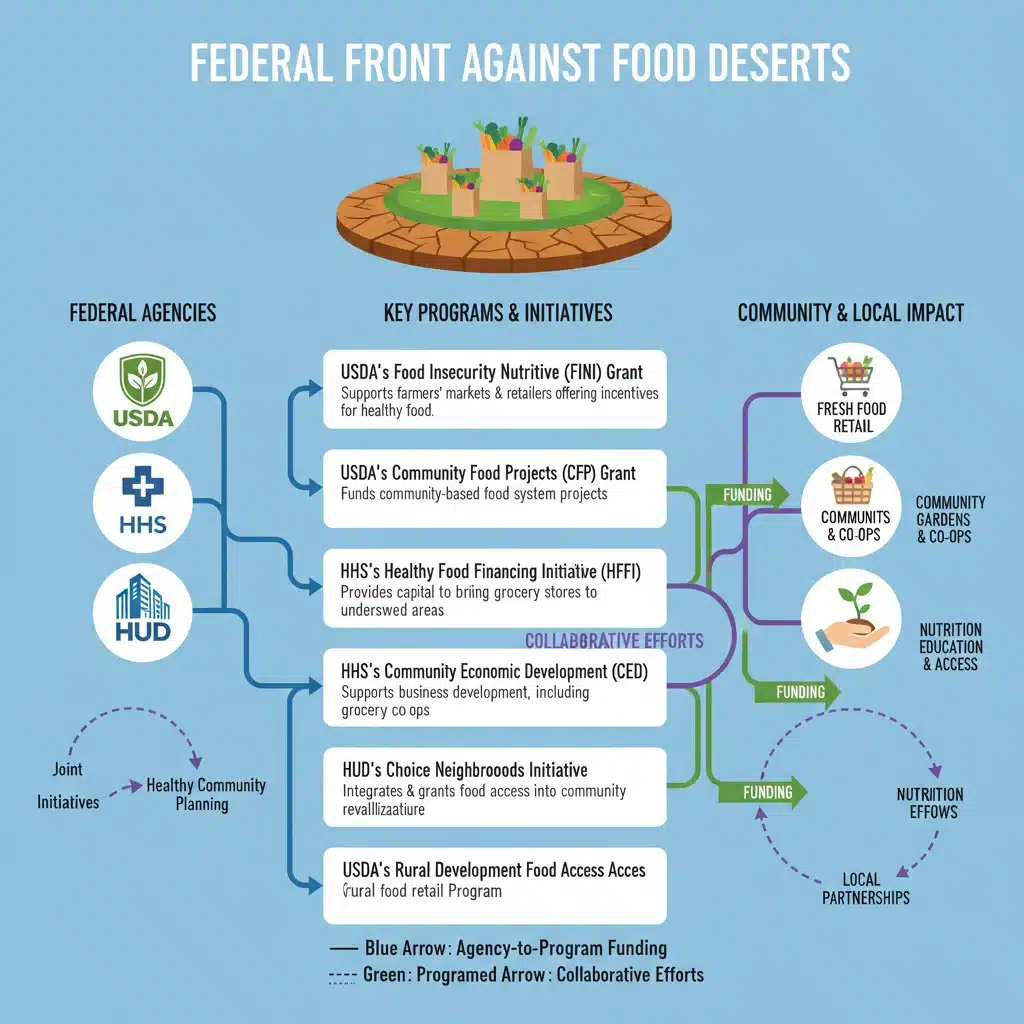
The federal government employs a robust portfolio of programs aimed at alleviating food insecurity and dissolving food deserts. These initiatives often work in concert, leveraging various agencies and community partnerships to maximize their impact. Here’s a closer look at some of the most prominent programs and their 2026 focus:
1. USDA’s Food Insecurity Nutrition Incentive (FINI) Program
The FINI program, administered by the U.S. Department of Agriculture (USDA), is a cornerstone of efforts to increase access to fruits and vegetables for SNAP (Supplemental Nutrition Assistance Program) participants. By providing incentives at farmers’ markets, grocery stores, and other healthy food retailers, FINI effectively doubles the purchasing power of SNAP benefits when used for fresh produce. The 2026 strategy for FINI involves expanding its reach into more identified food deserts, particularly focusing on partnerships with smaller, independent retailers and community-led initiatives to ensure that these incentives are available where they are most needed. The goal is not just to increase consumption but also to stimulate local food economies within these underserved areas. This program directly addresses the affordability aspect of food access, a crucial factor in combating US Food Deserts.
2. Community Food Projects Competitive Grant Program (CFPCGP)
Also under the USDA, the CFPCGP supports community-based food projects that address food insecurity and build self-sufficiency. These grants fund a wide array of initiatives, from community gardens and urban farms to food cooperatives and mobile markets. For 2026, there’s an increased emphasis on projects that demonstrate long-term sustainability and scalability, with a particular focus on projects located in areas designated as food deserts. The program encourages innovative solutions that empower local residents to take ownership of their food systems, fostering resilience and economic growth. This bottom-up approach is vital for creating lasting change in US Food Deserts.
3. Healthy Food Financing Initiative (HFFI)
The HFFI is a collaborative effort involving the USDA, the Department of the Treasury, and the Department of Health and Human Services (HHS). It provides grants and financing to develop and equip grocery stores and other healthy food retailers in underserved communities. The 2026 vision for HFFI includes streamlining the application process and increasing funding allocations, specifically targeting both large-scale supermarket developments and smaller, innovative retail models like food hubs and corner store conversions. The initiative aims to attract private investment by mitigating risks associated with operating in low-income areas, thereby making it more attractive for businesses to establish a presence in US Food Deserts. This program directly tackles the supply-side problem by bringing healthy food options closer to residents.
4. Farmers Market and Local Food Promotion Program (FMLFPP)
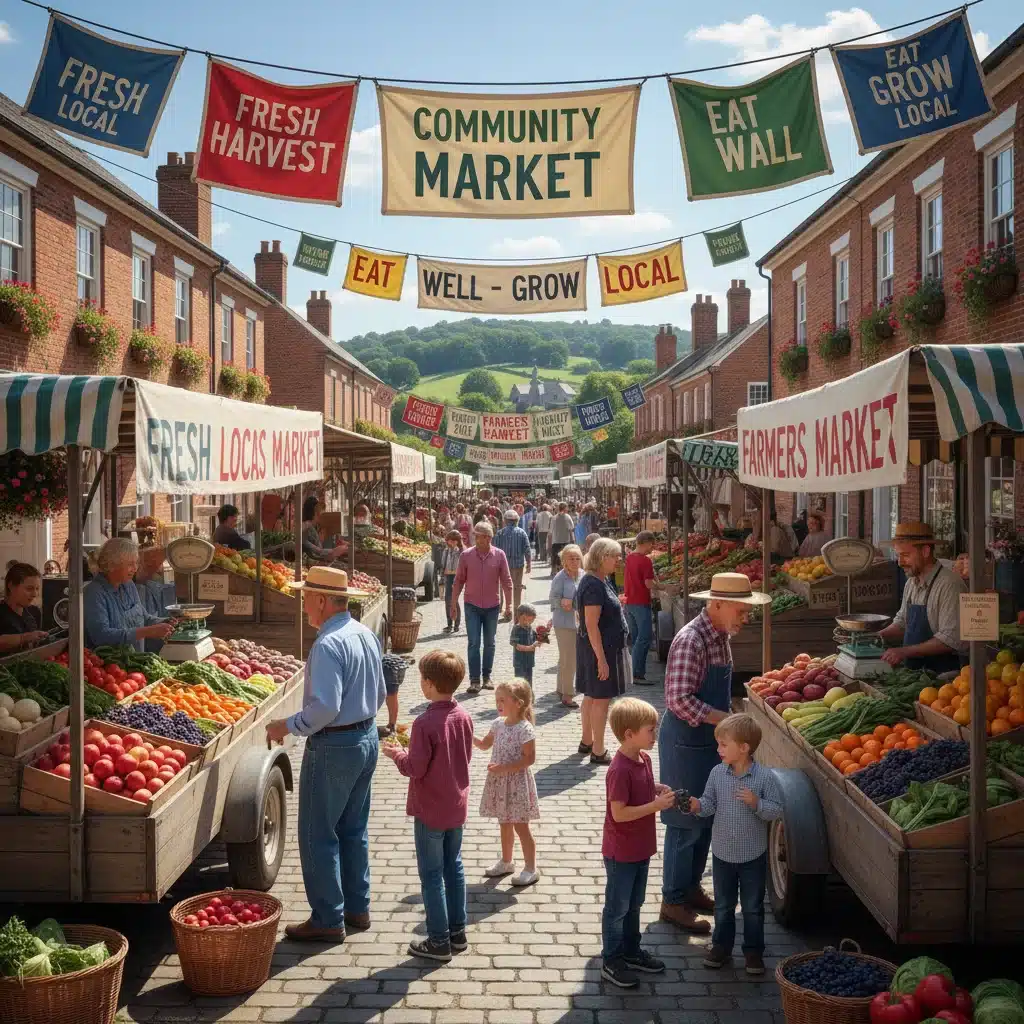
The FMLFPP supports the development and expansion of direct producer-to-consumer markets and local food enterprises. This includes funding for farmers’ markets, roadside stands, community-supported agriculture (CSA) programs, and food hubs. In 2026, the program is prioritizing projects that serve food desert communities, recognizing the dual benefit of providing fresh, local produce while also creating economic opportunities for local farmers. There’s a particular focus on increasing the number of farmers’ markets that accept SNAP and other federal nutrition benefits, further enhancing accessibility for low-income residents in US Food Deserts.
Innovative Strategies and Partnerships for 2026
Beyond direct funding and incentive programs, the 2026 strategy for combating US Food Deserts involves a deeper dive into innovative approaches and strengthened partnerships. These include:
Leveraging Technology for Food Access
Technology plays an increasingly vital role. Federal programs are exploring and funding initiatives that use e-commerce platforms for SNAP recipients, enabling online ordering and delivery services to food desert areas. This is particularly beneficial for individuals with transportation barriers or those living in remote rural areas. Mobile applications that map healthy food sources, highlight farmers’ markets, and provide nutritional information are also being promoted and integrated into broader public health campaigns. The goal is to make healthy food access as convenient as possible.
Cross-Sector Collaboration
The 2026 approach emphasizes unprecedented levels of collaboration between federal agencies, state and local governments, non-profit organizations, and private sector entities. For example, the Department of Transportation might partner with USDA to improve public transportation routes to grocery stores in urban food deserts, or to fund infrastructure improvements for rural food distribution networks. Health departments are working closely with community groups to integrate nutrition education and healthy cooking classes into existing public health initiatives. These synergistic efforts are crucial for creating comprehensive solutions to US Food Deserts.
Policy Advancements and Zoning Reforms
Federal agencies are also encouraging and supporting local policy changes that can help mitigate food deserts. This includes advocating for zoning reforms that make it easier to establish grocery stores in underserved areas, offering tax incentives for healthy food retailers, and implementing policies that restrict the proliferation of unhealthy food outlets. These policy levers are powerful tools for shaping the food environment and fostering long-term systemic change.
Challenges and Roadblocks on the Path to 12% Reduction
Achieving a 12% reduction in US Food Deserts by 2026 is an ambitious goal, and it comes with significant challenges:
Economic Viability for Retailers
One of the primary reasons for the existence of food deserts is the perceived lack of economic viability for grocery stores in low-income areas. High operating costs, lower profit margins, and issues like shoplifting can deter retailers. Federal programs need to continue innovating financial incentives and support systems to make these ventures sustainable. The HFFI, for instance, directly addresses this by providing crucial capital, but ongoing support for operational costs and community engagement is also vital.
Infrastructure and Logistics
Especially in rural areas, inadequate infrastructure for transportation, cold storage, and distribution networks remains a significant hurdle. Getting fresh produce from farms to remote communities efficiently and cost-effectively requires substantial investment in logistics and supply chain improvements. This is an area where public-private partnerships can play a crucial role, leveraging federal funding to catalyze private sector innovation.
Community Engagement and Education
Simply bringing healthy food into a community isn’t always enough. There’s often a need for robust community engagement and nutrition education to shift dietary habits and ensure sustained demand for healthy options. Cultural preferences, cooking skills, and perceptions of healthy eating all play a role. Federal programs are increasingly incorporating educational components, working with local leaders to tailor approaches that resonate with specific community needs and cultural backgrounds.
Measuring Success and Data Collection
Accurately measuring the reduction of US Food Deserts and the impact of federal programs is complex. It requires consistent data collection on food access, dietary patterns, health outcomes, and socioeconomic indicators. The USDA and other agencies are investing in improved data infrastructure and methodologies to better track progress, identify areas needing more intervention, and refine program effectiveness. This commitment to data-driven decision-making is critical for achieving the 2026 target.
Looking Ahead: The Future of Food Access in the US
The 2026 target for reducing US Food Deserts by 12% is an ambitious yet achievable goal, provided that federal programs continue to be adequately funded, strategically implemented, and adapt to evolving community needs. The emphasis on community-led solutions, technological integration, and cross-sector partnerships signals a mature and holistic understanding of the problem.
Beyond 2026, the vision extends to creating a more equitable and resilient food system for all Americans. This involves not only addressing existing food deserts but also preventing their formation through proactive urban planning, economic development, and robust social safety nets. The long-term success will be measured not just by the number of food deserts eliminated, but by improved public health outcomes, enhanced economic vitality in underserved communities, and a greater sense of food security for every citizen.
The journey to eradicate food deserts is ongoing, but with the renewed federal commitment and the innovative strategies in place for 2026, there is significant hope for a future where access to healthy, affordable food is a reality for everyone, regardless of their zip code. The continuous evaluation and adaptation of these programs will be paramount in ensuring that the progress made is sustainable and that the ultimate goal of food equity is realized across the nation.
The Role of Local Communities and Advocacy
While federal programs provide the overarching framework and significant funding, the true impact often blossoms at the local level. Community organizers, non-profits, local farmers, and engaged citizens are the boots on the ground, translating federal initiatives into tangible improvements. Their advocacy helps identify specific needs, champions local solutions, and ensures that resources are effectively utilized. For instance, local food policy councils play a crucial role in shaping regional food systems, working with municipalities to implement zoning changes that favor grocery stores over convenience stores, or to streamline permitting for urban agriculture projects. Without this grassroots engagement, even the most well-intentioned federal programs might struggle to achieve their full potential in combating US Food Deserts. The 2026 strategy recognizes this symbiotic relationship, actively seeking to empower and fund local entities to lead the charge.
Addressing Systemic Inequalities
It’s also important to acknowledge that food deserts are often symptoms of deeper systemic inequalities, including racial injustice, economic disenfranchisement, and historical disinvestment in certain communities. A truly effective strategy for reducing US Food Deserts must therefore incorporate an equity lens, ensuring that programs are designed to address these root causes and provide equitable opportunities for all populations. This means prioritizing investments in communities that have historically faced marginalization, ensuring that leadership roles in food system development are diverse, and actively working to dismantle barriers that prevent certain groups from accessing healthy food and economic opportunities within the food sector. The 2026 update reflects a growing awareness of these interconnected issues and a commitment to more inclusive and equitable interventions.
Sustainable Food Systems for Long-Term Impact
Beyond merely filling the gaps left by absent grocery stores, federal programs are increasingly focusing on building sustainable local food systems. This involves not just importing food into food deserts but cultivating food within them, fostering local food production, processing, and distribution. Supporting urban farms, community gardens, and small-scale rural agriculture not only provides fresh food but also creates local jobs, strengthens community bonds, and reduces reliance on long, vulnerable supply chains. This approach contributes to environmental sustainability by reducing food miles and promoting regenerative agricultural practices. The 2026 goals are intertwined with this broader vision of resilient and sustainable food systems that can withstand future economic or environmental shocks, making communities less susceptible to the re-emergence of US Food Deserts.
The Role of Education and Nutrition Literacy
A critical, yet often underestimated, aspect of combating food deserts is nutrition education and literacy. Even when healthy food becomes available, knowledge about how to prepare it, its nutritional benefits, and how to incorporate it into a balanced diet is essential. Federal programs, often in partnership with local health departments and extension offices, are funding initiatives that offer cooking classes, dietary counseling, and educational workshops. These programs empower individuals and families to make informed food choices, utilize fresh produce effectively, and develop healthier eating habits. This educational component is vital for ensuring that the increased access to healthy food translates into improved health outcomes and a lasting reduction in the impact of US Food Deserts.
Continued Monitoring and Adaptation
The landscape of food access is dynamic, constantly influenced by economic shifts, demographic changes, and evolving consumer behaviors. Therefore, the federal strategy for combating food deserts in 2026 and beyond emphasizes continuous monitoring, evaluation, and adaptation. Programs must be flexible enough to respond to new challenges and opportunities, and their effectiveness must be regularly assessed against the ambitious targets. This iterative process, informed by data and community feedback, will be key to ensuring that federal investments are optimized for maximum impact and that the nation remains on track to significantly reduce and ultimately eliminate US Food Deserts.
In conclusion, the federal government’s concerted efforts, outlined in the 2026 update, represent a significant step forward in addressing the complex issue of US Food Deserts. By combining financial incentives, community-led initiatives, technological solutions, and policy reforms, the aim is to create a more equitable and healthier food landscape for all Americans. The path is challenging, but the commitment to a 12% reduction by 2026 reflects a strong national resolve to overcome food insecurity and foster thriving, food-secure communities.