Transforming Food Deserts: A 5-Step Community Guide to Food Access by 2027
The concept of a ‘food desert’ is far from a mere academic term; it represents a stark reality for millions across the globe, impacting health, economic stability, and overall community well-being. These areas, often characterized by low-income populations and limited access to fresh, affordable, and nutritious food, create significant barriers to a healthy lifestyle. The implications are profound, ranging from higher rates of diet-related diseases like diabetes and heart disease to increased healthcare costs and reduced productivity. Addressing this critical issue requires a concerted, multi-faceted approach, one that empowers communities to become agents of change. This comprehensive guide outlines a pragmatic 5-step plan to transform food deserts into vibrant food oases by 2027, focusing on practical solutions and sustainable societal impact.
The urgency of this mission cannot be overstated. Food insecurity is not just about hunger; it’s about the consistent inability to access adequate, nutritious food, which has long-term consequences for individuals and entire communities. Children growing up in food deserts often face developmental challenges, adults struggle with chronic illnesses, and the fabric of community life is weakened. By setting a clear target of 2027, we aim to inspire immediate action and foster a sense of collective responsibility. This timeframe allows for strategic planning, implementation, and the measurement of tangible progress. Our focus on community food access is paramount, recognizing that sustainable change must be rooted in local needs and driven by local initiatives.
This guide is designed for community leaders, non-profit organizations, local government officials, and engaged citizens who are passionate about creating healthier, more equitable food systems. It provides a roadmap, not a rigid set of rules, encouraging adaptability and innovation. Each step is built upon the principles of collaboration, empowerment, and sustainability, ensuring that the solutions implemented are not only effective but also enduring. We believe that by working together, communities can overcome the challenges posed by food deserts and cultivate environments where everyone has the opportunity to thrive, nourished by accessible and affordable healthy food options.
Understanding the Landscape: Defining and Mapping Your Food Desert
Before any effective intervention can be planned, it’s crucial to thoroughly understand the specific characteristics of the food desert within your community. This initial step involves rigorous data collection and analysis, moving beyond anecdotal evidence to concrete facts. The goal is to create a detailed map of the current food environment, identifying both the challenges and the potential assets. This foundational knowledge will inform every subsequent action and ensure that efforts are targeted and impactful in improving community food access.
Identifying Key Indicators of Food Insecurity
Start by gathering demographic data. Look at income levels, poverty rates, and the prevalence of households receiving food assistance programs like SNAP or WIC. These statistics often correlate directly with food insecurity. Next, assess the existing food retail landscape. How many full-service grocery stores are there? What is their proximity to residential areas? Are there convenience stores or dollar stores that primarily offer processed, unhealthy options? Pay attention to the quality and variety of fresh produce available in these establishments. Consider transportation infrastructure. How easy is it for residents without private vehicles to reach grocery stores? Are public transportation routes adequate, or are there significant gaps? Lack of reliable transportation is a major barrier to food access for many.
Tools and Techniques for Mapping
Geographic Information Systems (GIS) mapping is an invaluable tool for visualizing food deserts. By overlaying data points such as household income, grocery store locations, public transit routes, and population density, you can create a clear visual representation of the problem areas. This allows for precise identification of neighborhoods most affected by limited food access. Beyond GIS, conduct community surveys and focus groups. Direct input from residents is essential. Ask about their food shopping habits, the challenges they face, their preferences, and their ideas for solutions. This qualitative data provides crucial context and personalizes the quantitative findings. Walkability and bikeability assessments can also offer insights into the physical barriers to accessing food retail. Partner with local universities or research institutions that may have expertise in these areas and can assist with data collection and analysis.
Identifying Community Assets and Stakeholders
While focusing on deficits, it’s equally important to identify existing community assets that can be leveraged. Are there community gardens, food banks, or soup kitchens already operating? What about local schools, churches, or community centers that could serve as distribution points or educational hubs? Identify key stakeholders: community leaders, local businesses, healthcare providers, educators, and residents themselves. These individuals and organizations will be crucial partners in developing and implementing solutions. Understanding the local political landscape and identifying potential allies within local government is also vital. This comprehensive understanding of the food desert landscape is the essential first step towards building robust community food access.
Step 2: Building Collaborative Partnerships and Engaging the Community
No single entity can solve the complex problem of food deserts alone. Sustainable change hinges on strong, collaborative partnerships and authentic community engagement. This step focuses on bringing together diverse stakeholders to co-create solutions that are relevant, equitable, and widely supported. True community food access initiatives are built from the ground up, reflecting the needs and aspirations of the people they serve.
Forming a Community Food Coalition
Establish a multi-sectoral coalition that includes representatives from all identified stakeholder groups: residents, local government, non-profits, businesses, healthcare, education, and faith-based organizations. This coalition should be diverse, reflecting the demographics of the community it serves. Clearly define the coalition’s mission, vision, and objectives. Regular meetings, open communication, and transparent decision-making processes are vital for maintaining momentum and trust. This coalition will serve as the central coordinating body for all food access initiatives.
Engaging Residents as Co-Creators
Community engagement goes beyond simply informing residents; it involves empowering them to actively participate in the design and implementation of solutions. Host community forums, workshops, and listening sessions to gather input and ideas. Use participatory planning methods to ensure that residents’ voices are heard and valued. Consider establishing a resident advisory committee within the coalition to ensure ongoing representation. Provide training and resources to empower residents to take on leadership roles within food access initiatives. When residents feel ownership over the solutions, they are more likely to support and sustain them, directly contributing to improved community food access.
Leveraging Existing Resources and Expertise
Identify organizations and individuals within the community who possess relevant expertise or resources. This could include local farmers, nutritionists, chefs, urban planners, public health professionals, and business owners. Partner with existing food banks and pantries to understand their operational models and explore opportunities for collaboration, such as expanding their reach or offering healthier options. Schools can be key partners for nutrition education and after-school feeding programs. Healthcare providers can integrate food access into their patient care plans, offering referrals to food resources and promoting healthy eating habits. By pooling resources and expertise, the coalition can achieve far more than individual efforts.
Step 3: Implementing Diversified Food Access Solutions
With a clear understanding of the food desert and a strong coalition in place, the next step is to implement a range of diversified solutions tailored to the community’s specific needs. This involves moving beyond a one-size-fits-all approach and embracing innovative strategies that address various aspects of community food access, from availability to affordability and education.
Increasing Availability of Fresh Produce
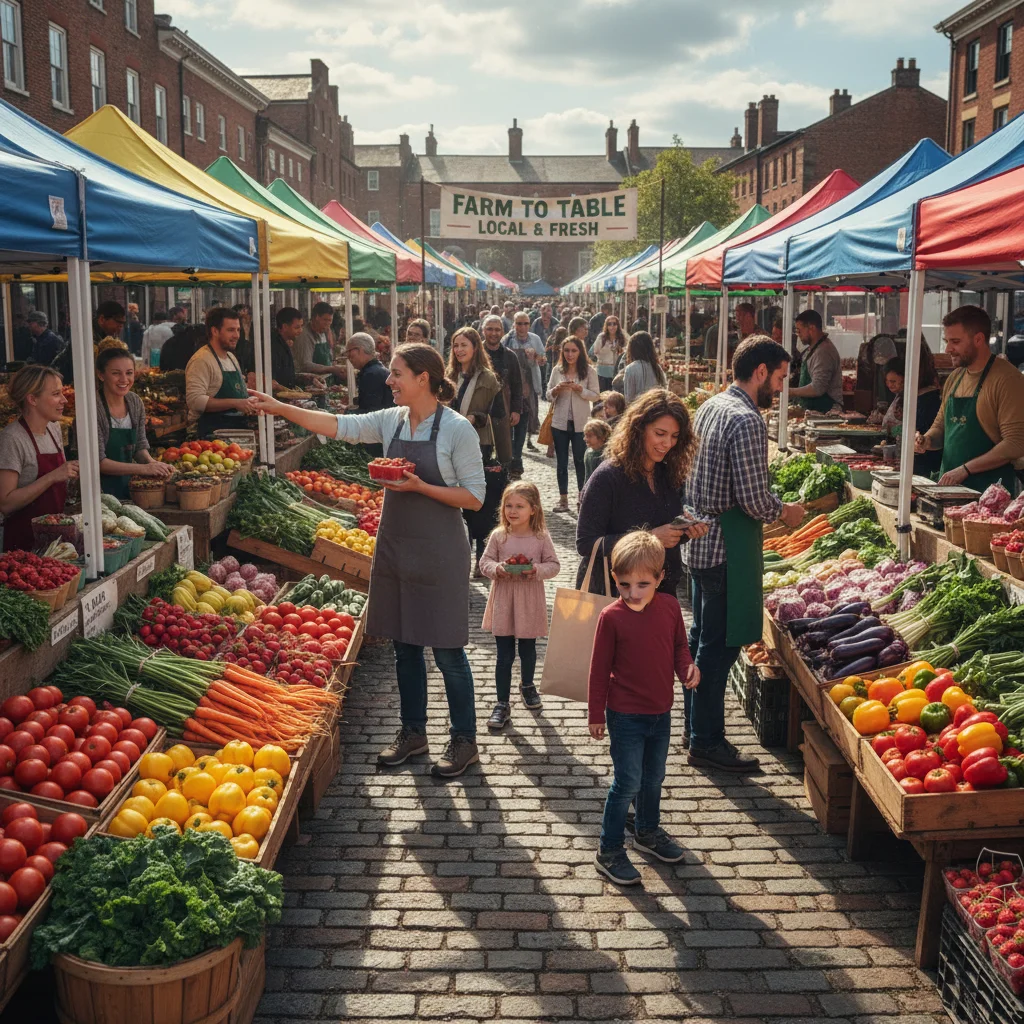
- Farmers’ Markets and Mobile Markets: Establish or expand farmers’ markets in underserved areas, making fresh, local produce directly accessible. Consider mobile markets that can travel to different neighborhoods, overcoming transportation barriers. Implement SNAP/EBT incentives at these markets to increase affordability.
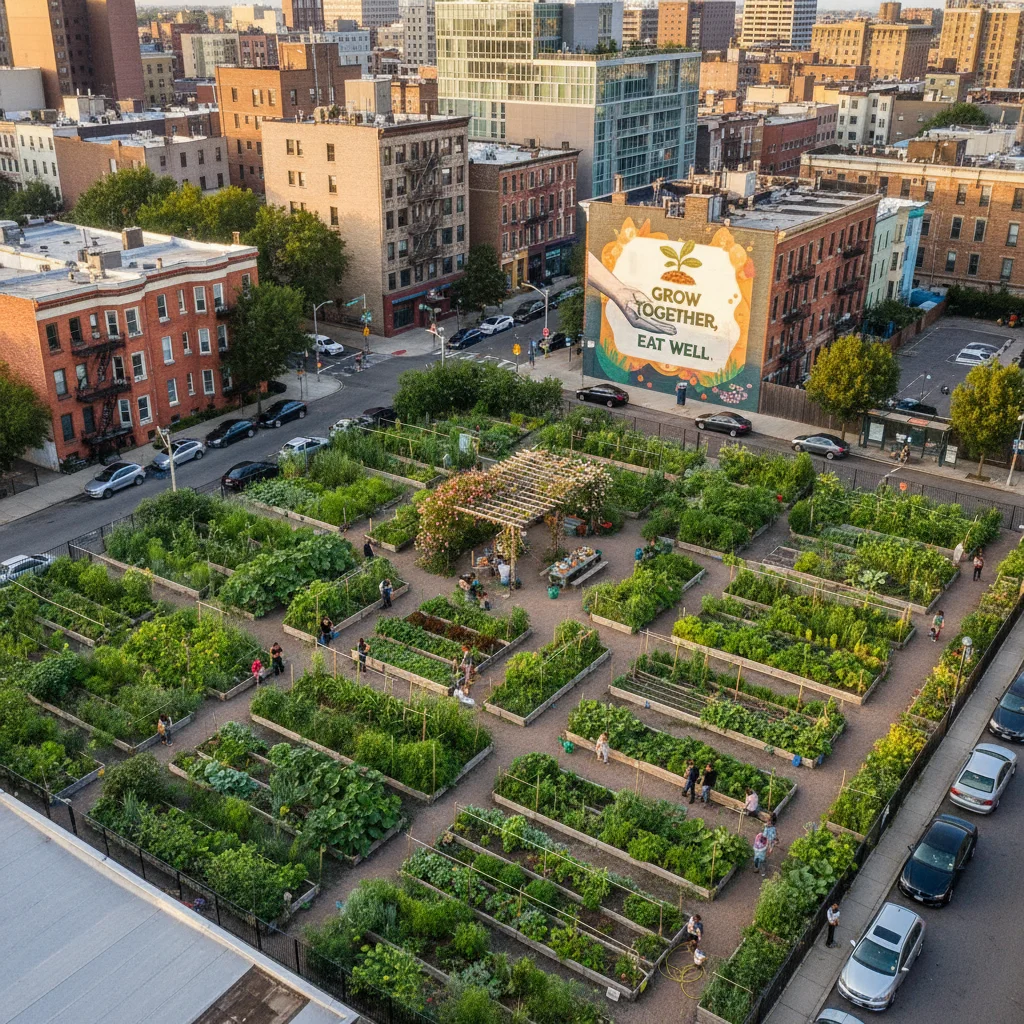
- Community Gardens and Urban Farms: Support the creation and expansion of community gardens and urban farms. These initiatives not only provide fresh food but also foster community cohesion, offer educational opportunities, and can even create local jobs. Provide training and resources for residents interested in gardening.
- Grocery Store Incentives: Work with local government to offer incentives (e.g., tax breaks, grants) to attract new full-service grocery stores to food desert areas. Support existing small businesses in stocking healthier options.
- Corner Store Conversions: Partner with existing convenience stores to encourage them to stock fresh produce and healthy staples. Provide guidance on sourcing, display, and marketing.
Enhancing Affordability and Reducing Barriers
- SNAP/EBT Expansion and Promotion: Ensure that all eligible residents are enrolled in SNAP/EBT programs and promote their use at various food outlets, including farmers’ markets.
- Food Prescription Programs: Collaborate with healthcare providers to implement ‘food prescription’ programs, where doctors can prescribe healthy food to patients, redeemable at local markets or food banks.
- Sliding Scale and Subsidized Programs: Develop programs that offer fresh food at reduced costs or on a sliding scale for low-income residents.
- Transportation Solutions: Implement shuttle services, ride-sharing programs, or expand public transportation routes to connect residents with grocery stores and food access points.
Food Education and Skill-Building
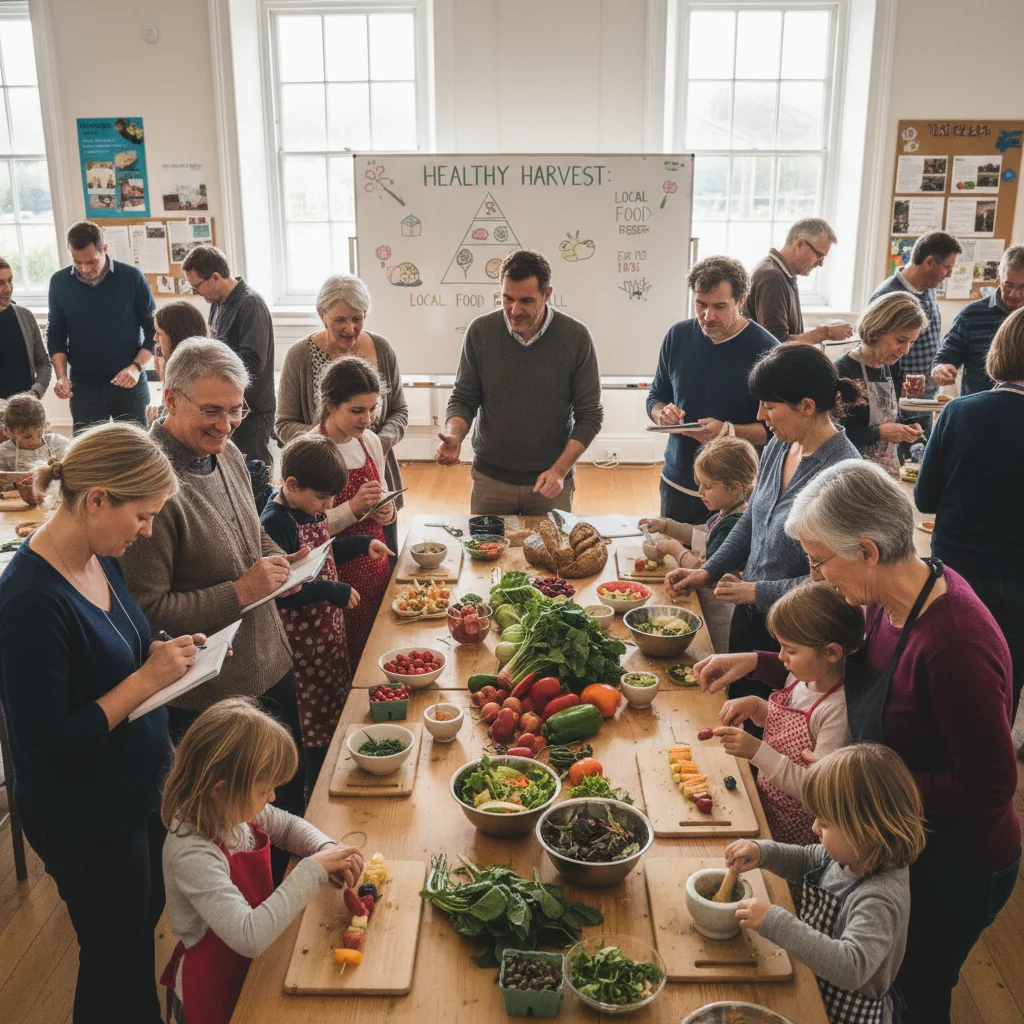
- Cooking and Nutrition Classes: Offer free or low-cost cooking and nutrition classes, focusing on practical skills for preparing healthy meals on a budget. These can be held at community centers, schools, or even grocery stores.
- Gardening Workshops: Provide workshops on how to grow food, from basic gardening techniques to composting and pest management.
- Food Literacy Programs: Educate residents on how to read food labels, understand nutritional information, and make informed food choices.
Step 4: Advocating for Policy Changes and Securing Funding
While grassroots efforts are essential, systemic change often requires supportive policies and dedicated funding. This step focuses on influencing local, state, and even national policies that can create a more equitable food environment and securing the financial resources needed to sustain food access initiatives. Strong advocacy is critical for long-term community food access.
Engaging with Local Government
Build relationships with local elected officials, city planners, and public health departments. Present data and success stories from your community food access initiatives to demonstrate impact. Advocate for policies that support food access, such as:
- Zoning changes: To allow for urban farms, community gardens, and the establishment of grocery stores in underserved areas.
- Healthy food financing initiatives: Creating dedicated funds or incentives to attract healthy food retailers.
- Food procurement policies: Encouraging local institutions (schools, hospitals) to purchase food from local farmers and healthy vendors.
- Public land use: Designating public land for community gardens or urban agriculture projects.
Seeking Grants and Funding Opportunities
Identify and apply for grants from foundations, government agencies (e.g., USDA, CDC), and corporate social responsibility programs that focus on food security, public health, and community development. Develop compelling grant proposals that clearly articulate the problem, your proposed solutions, expected outcomes, and how your initiatives will improve community food access. Explore crowdfunding platforms and local fundraising events to engage the wider community in supporting these efforts. Develop a diverse funding strategy to ensure the long-term sustainability of programs.
Building a Broader Advocacy Network
Connect with regional and national organizations working on food justice and food policy. Joining larger networks can amplify your advocacy efforts and provide access to resources, best practices, and collective lobbying power. Share your community’s story and successes to inspire others and contribute to a broader movement for food equity. Participate in policy discussions and provide expert testimony when opportunities arise. By actively engaging in policy advocacy, communities can create an enabling environment for sustainable food access solutions.
Step 5: Monitoring, Evaluation, and Scaling for Sustainability
The final step in transforming food deserts into food oases is to continuously monitor the impact of your initiatives, evaluate their effectiveness, and plan for long-term sustainability and potential scaling. This iterative process ensures that efforts remain relevant, efficient, and impactful in achieving lasting community food access.
Establishing Metrics and Data Collection
Before implementing programs, establish clear, measurable metrics to track progress. These might include:
- Access: Number of new healthy food retailers, distance to nearest grocery store, public transit routes to food sources.
- Affordability: Participation rates in SNAP/EBT incentive programs, availability of affordable healthy options.
- Health Outcomes: Changes in diet-related disease rates (e.g., obesity, diabetes), consumption of fruits and vegetables (through surveys).
- Community Engagement: Number of participants in workshops, volunteer hours, resident satisfaction.
Regularly collect data using surveys, interviews, observational studies, and administrative records. Utilize the initial mapping data as a baseline for comparison. Data collection should be an ongoing process, not a one-time event.
Evaluating Program Effectiveness
Periodically review the collected data against your established metrics and objectives. Are the programs achieving their intended goals? What’s working well, and what needs adjustment? Conduct internal evaluations with the community food coalition and consider external evaluations for a more objective assessment. Solicit feedback from residents, program participants, and stakeholders. Use this feedback to identify strengths, weaknesses, opportunities, and threats (SWOT analysis) for each initiative. Be prepared to adapt and modify programs based on evaluation findings. Flexibility is key to successful long-term initiatives for community food access.
Ensuring Long-Term Sustainability and Scaling
Sustainability is about more than just funding; it’s about building resilient systems and empowering communities to maintain progress independently. Develop diverse funding streams that combine grants, local government support, community contributions, and earned income from food enterprises. Train local residents to manage and lead food access initiatives, building local capacity. Create succession plans for leadership roles within the coalition and programs. Document best practices and lessons learned to share with other communities facing similar challenges. Once successful models are established, explore opportunities to scale up successful programs to reach more people or replicate them in other underserved areas. This might involve developing toolkits, providing technical assistance, or forming regional partnerships. The ultimate goal is to create self-sustaining systems that continuously improve community food access.
Conclusion: A Future of Food Oases by 2027
The journey from food desert to food oasis is undoubtedly challenging, requiring dedication, collaboration, and a long-term vision. However, by following this 5-step community guide – understanding the landscape, building partnerships, implementing diversified solutions, advocating for policy change, and committing to continuous evaluation – communities can achieve significant and lasting improvements in food access by 2027. This ambitious target is not merely a deadline; it’s a call to action, an invitation for every community to envision and create a future where fresh, nutritious, and affordable food is a right, not a privilege.
The societal impact of such a transformation is immense. Healthier populations lead to stronger economies, reduced healthcare burdens, and more vibrant, connected communities. Children will have better educational outcomes, adults will enjoy increased productivity, and seniors will maintain greater independence. Beyond the tangible benefits, there’s the invaluable impact on human dignity and equity. Ensuring community food access for all is a fundamental step towards social justice, empowering every individual to live a full and healthy life.
Let us begin this vital work today. Let us transform our food deserts into thriving food oases, nurturing not only our bodies but also the very spirit of our communities. The path is clear, the tools are available, and the potential for positive change is boundless. By working together, committed to this shared vision, we can make a profound difference, creating a legacy of health, equity, and sustenance for generations to come. The goal of widespread community food access by 2027 is within our reach, and it starts with concerted action, one community at a time.