Navigating 2026 US Environmental Regulations: Industrial Compliance
Navigating 2026 US Environmental Regulations: Industrial Compliance
The landscape of environmental protection in the United States is constantly evolving, driven by scientific advancements, public demand, and legislative action. As we look towards 2026, a significant shift in U.S. Environmental Protection Agency (EPA) regulations is anticipated, poised to reshape industrial practices across various sectors. For businesses, understanding these impending changes is not merely an exercise in compliance but a strategic imperative for long-term sustainability and competitiveness. This comprehensive guide delves into the projected US Environmental Regulations 2026, exploring their potential impact and offering actionable insights for businesses to prepare and thrive.
The Evolving Regulatory Framework: Why 2026 is Crucial
The EPA’s mission is to protect human health and the environment. This mission is continuously refined through new scientific discoveries, technological innovations, and a deeper understanding of environmental challenges. The year 2026 is shaping up to be a pivotal moment, with several key regulatory initiatives expected to come into full effect or undergo significant revisions. These changes are not arbitrary; they are largely a response to pressing global and national environmental concerns, including climate change, air and water quality degradation, and the sustainable management of resources.
For industries, the implications are profound. From manufacturing and energy production to agriculture and transportation, virtually every sector will feel the ripple effect of these new US Environmental Regulations 2026. Early preparation and proactive engagement will be critical for avoiding penalties, optimizing operations, and even uncovering new business opportunities in a greener economy. Ignoring these signals could lead to significant operational disruptions, legal challenges, and reputational damage.
Key Drivers Behind the 2026 Regulatory Shift
- Climate Change Mitigation: A primary driver continues to be the urgent need to reduce greenhouse gas emissions. Expect tighter regulations on carbon emissions, methane leaks, and the promotion of renewable energy sources. This will impact energy-intensive industries and those relying heavily on fossil fuels.
- Improved Air Quality Standards: The EPA regularly reviews and updates National Ambient Air Quality Standards (NAAQS). 2026 could see more stringent limits on particulate matter, ozone, and other criteria pollutants, requiring industries to invest in advanced pollution control technologies.
- Water Resource Protection: Concerns over water scarcity and contamination are leading to stricter regulations on wastewater discharge, stormwater management, and the use of certain chemicals that can impact aquatic ecosystems. Industries with significant water footprints will need to adapt.
- Waste Management and Circular Economy: There’s a growing emphasis on moving towards a circular economy, reducing waste generation, and promoting recycling and reuse. New regulations might focus on extended producer responsibility, hazardous waste reduction, and landfill diversion.
- Environmental Justice: The EPA is increasingly incorporating environmental justice considerations into its policymaking, aiming to address disproportionate environmental burdens on vulnerable communities. This could influence permitting processes and facility siting.
- Technological Advancements: As monitoring and abatement technologies improve, the EPA’s ability to set and enforce higher standards also increases. Industries will be expected to adopt the best available technologies to meet new compliance thresholds.
Anticipated Regulatory Changes and Their Industrial Impact
While the precise details of all US Environmental Regulations 2026 are still being finalized, we can anticipate several key areas of focus. Businesses should begin assessing their current operations against these potential shifts.
Air Quality and Emissions Control
The EPA’s efforts to improve air quality are relentless. For 2026, we foresee intensified scrutiny on industrial emissions. This could mean:
- Stricter Limits on VOCs and HAPs: Volatile Organic Compounds (VOCs) and Hazardous Air Pollutants (HAPs) are often byproducts of manufacturing, chemical processing, and other industrial activities. New regulations might necessitate upgrades to existing emission control systems, such as thermal oxidizers, scrubbers, or activated carbon adsorption units.
- Enhanced Monitoring Requirements: Continuous Emissions Monitoring Systems (CEMS) could become more widespread, requiring real-time data collection and reporting for a broader range of pollutants and industrial sources. This demands significant investment in monitoring technology and data management.
- Methane Emission Reductions: Particularly relevant for the oil and gas sector, new rules targeting methane leaks from production, processing, and transmission facilities are highly probable. This could involve mandatory leak detection and repair (LDAR) programs, as well as investments in more efficient equipment.
- Carbon Capture and Storage (CCS) Incentives/Mandates: While broad mandates for CCS might still be a few years off, 2026 could see increased incentives or pilot programs pushing for its adoption in heavy industries like cement, steel, and power generation to meet climate goals.
The impact on industries will be substantial, requiring not only capital expenditure for new equipment but also changes in operational procedures, staff training, and robust data reporting infrastructure. Companies that embrace these changes early can gain a competitive edge by demonstrating environmental leadership and potentially qualifying for grants or incentives.
Water Quality and Wastewater Management
Water is a finite and precious resource, and its protection remains a high priority. The US Environmental Regulations 2026 are expected to introduce more stringent requirements for industrial discharges and water usage:
- Revised Effluent Limitations Guidelines (ELGs): Specific industries, such as chemical manufacturing, food processing, and mining, may face updated ELGs that set lower limits for pollutants discharged into waterways. This will require advanced wastewater treatment technologies, such as membrane bioreactors (MBRs), advanced oxidation processes (AOPs), and improved filtration systems.
- PFAS Restrictions: Per- and Polyfluoroalkyl Substances (PFAS) are a growing concern due to their persistence in the environment and potential health impacts. Expect significant regulations on the manufacture, use, and disposal of PFAS-containing substances, impacting industries from textiles to electronics and firefighting foam production.
- Stormwater Runoff Management: Industrial facilities will likely face stricter permits and requirements for managing stormwater runoff, including enhanced best management practices (BMPs) to prevent pollutants from entering surface waters. This could involve green infrastructure solutions like permeable pavements and retention ponds.
- Water Conservation Mandates: Some regions or industries might see mandates or strong incentives for water conservation and reuse, pushing businesses to adopt closed-loop systems and optimize water-intensive processes.
Compliance in this area will demand thorough water audits, process optimization, and potentially significant investments in water treatment and recycling infrastructure. Companies that innovate in water management can realize cost savings while enhancing their environmental stewardship.
Waste Management and Hazardous Materials
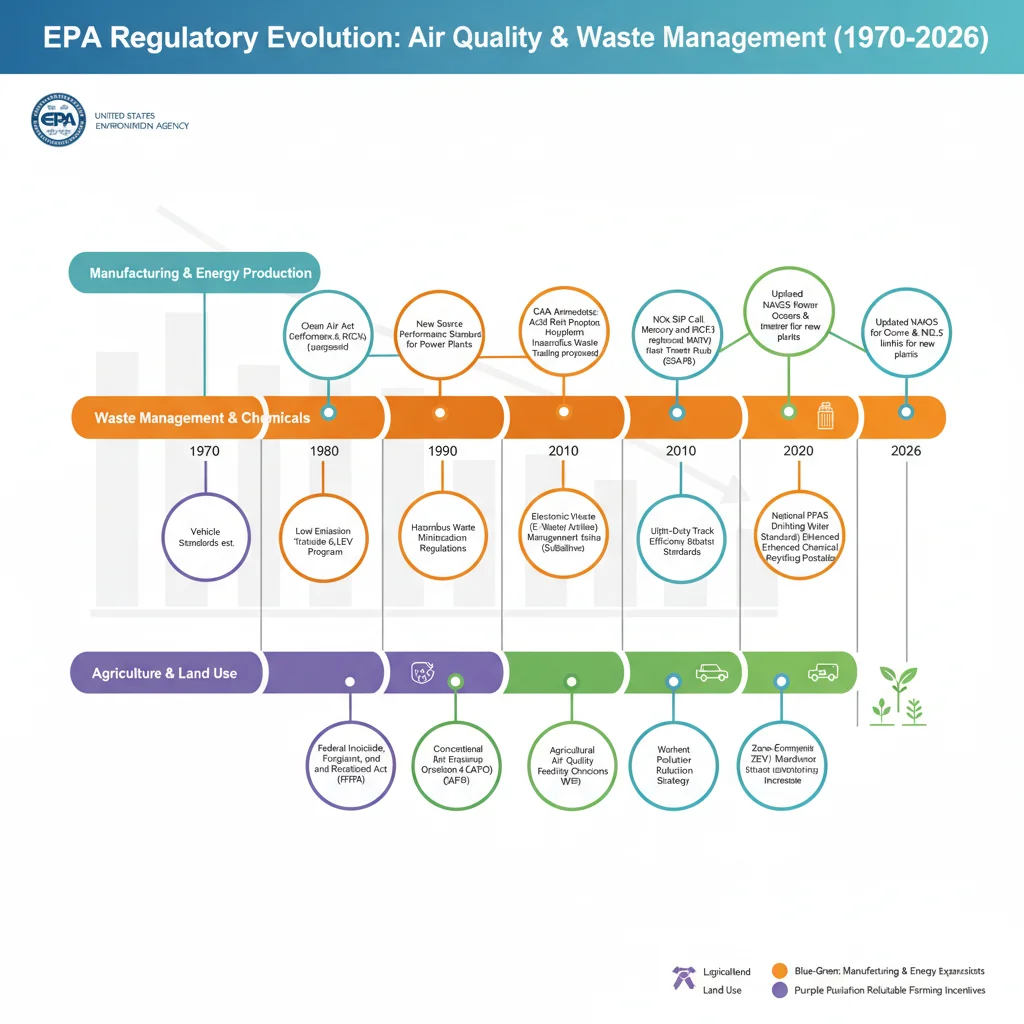
The paradigm shift towards a circular economy will profoundly influence waste management practices under the US Environmental Regulations 2026.
- Hazardous Waste Identification and Disposal: The definition of what constitutes hazardous waste may expand, and disposal requirements could become more stringent, leading to higher costs for non-compliant practices. Enhanced tracking and reporting will also be a focus.
- Extended Producer Responsibility (EPR): EPR schemes, which hold manufacturers responsible for the entire lifecycle of their products, including post-consumer waste, are likely to expand. This will impact industries producing electronics, packaging, and other consumer goods, pushing them towards more sustainable product design and material choices.
- Landfill Diversion Goals: Increased pressure to reduce waste sent to landfills will drive demand for recycling, composting, and waste-to-energy solutions. Industries will need to explore new partnerships and technologies for waste valorization.
- Chemical Safety and Management: The Toxic Substances Control Act (TSCA) continues to evolve. 2026 could see further restrictions on certain chemicals, requiring industries to find safer alternatives and improve chemical inventory management.
For businesses, this means re-evaluating supply chains, product design, and end-of-life management strategies. Investing in waste reduction technologies and exploring circular business models will be key to navigating these regulations successfully.
Strategies for Industrial Compliance and Opportunity
Preparing for the US Environmental Regulations 2026 requires a multi-faceted approach. Proactive strategies can turn potential challenges into opportunities for growth and innovation.
1. Conduct a Comprehensive Environmental Audit
Before any major changes take effect, conduct a thorough environmental audit of your operations. Identify all current emission sources, waste streams, water usage, and chemical inventories. Assess existing compliance levels against current regulations and anticipated 2026 standards. This audit will highlight areas of non-compliance and opportunities for improvement.
2. Invest in Advanced Technologies
Many of the new regulations will necessitate the adoption of cleaner, more efficient technologies. This could include:
- Pollution Control Equipment: Upgrading air scrubbers, wastewater treatment plants, and filtration systems.
- Process Optimization: Implementing lean manufacturing principles, energy-efficient machinery, and closed-loop systems to reduce resource consumption and waste generation.
- Monitoring and Reporting Systems: Investing in CEMS, advanced sensors, and digital platforms for real-time data collection, analysis, and automated reporting to the EPA.
While these investments can be significant, they often lead to long-term operational savings, improved resource efficiency, and enhanced public perception.
3. Embrace Sustainable Practices and Circular Economy Principles
Beyond mere compliance, businesses should strive for sustainability. Integrate circular economy principles into your business model by:
- Designing for Durability and Recyclability: Create products that last longer and can be easily disassembled and recycled.
- Using Renewable Resources: Prioritize materials that are renewable, recycled, or responsibly sourced.
- Minimizing Waste: Implement strategies to reduce waste at every stage of production, from raw material sourcing to end-of-life product management.
- Exploring Product-as-a-Service Models: Shift from selling products to providing services, retaining ownership of materials and facilitating reuse and recycling.
These practices not only prepare you for the US Environmental Regulations 2026 but also resonate with environmentally conscious consumers and investors.
4. Engage with Regulatory Bodies and Industry Associations
Stay informed by actively engaging with the EPA, state environmental agencies, and relevant industry associations. Participate in public comment periods for proposed rules, attend workshops, and network with peers. This proactive engagement can provide valuable insights into regulatory developments and allow your organization to influence policy where possible.
5. Train and Educate Your Workforce
Environmental compliance is a collective effort. Ensure your employees are well-versed in the new regulations, operational changes, and the importance of environmental stewardship. Training programs should cover everything from proper waste segregation to the operation of new pollution control equipment and emergency response procedures.

6. Leverage Digital Tools for Compliance Management
The complexity of environmental regulations, particularly the impending US Environmental Regulations 2026, necessitates robust data management. Environmental, Health, and Safety (EHS) software solutions can streamline compliance efforts by:
- Tracking Permits and Licenses: Centralize all environmental permits and ensure timely renewals.
- Managing Data: Collect, store, and analyze environmental data (emissions, discharges, waste generation) efficiently.
- Automating Reporting: Generate required reports for regulatory agencies, reducing manual effort and errors.
- Facilitating Audits: Provide a clear, auditable trail of compliance activities.
- Identifying Risks: Proactively flag potential non-compliance issues before they become violations.
These tools are indispensable for maintaining compliance in an increasingly regulated environment.
7. Consider Supply Chain Impacts
Your environmental footprint extends beyond your factory gates. The US Environmental Regulations 2026 may also indirectly impact your supply chain. Scrutinize your suppliers’ environmental practices and encourage them to adopt sustainable policies. A resilient and compliant supply chain is crucial for your own operational security and reputation.
The Economic and Reputational Benefits of Proactive Compliance
While the initial investment in complying with new US Environmental Regulations 2026 might seem daunting, the long-term benefits far outweigh the costs of non-compliance. Penalties for environmental violations can be severe, including hefty fines, legal battles, and even imprisonment for responsible parties. Beyond financial penalties, reputational damage can be devastating, leading to lost customers, investor distrust, and difficulties in attracting talent.
Conversely, companies that embrace environmental leadership can:
- Enhance Brand Image: Be recognized as responsible corporate citizens, attracting environmentally conscious consumers and partners.
- Improve Financial Performance: Achieve operational efficiencies through reduced resource consumption, lower waste disposal costs, and access to green financing.
- Attract and Retain Talent: Employees, particularly younger generations, are increasingly seeking employers with strong environmental values.
- Gain a Competitive Advantage: Differentiate themselves in the market by offering greener products and services, or by operating with a lower environmental impact than competitors.
- Foster Innovation: The need to comply with new regulations often spurs innovation in processes, technologies, and product design.
Conclusion: A Sustainable Future for US Industry
The upcoming US Environmental Regulations 2026 represent a critical juncture for industrial practices in the United States. They underscore a national commitment to environmental protection, public health, and a more sustainable future. While the transition may present challenges, it also offers unparalleled opportunities for innovation, efficiency, and market leadership.
By proactively understanding, preparing for, and embracing these new regulations, businesses can not only ensure compliance but also position themselves as pioneers in the green economy. The future of industry is inextricably linked to environmental stewardship. Those who recognize this and act decisively will be the ones that thrive in the years to come, contributing to both economic prosperity and a healthier planet.
Staying informed, investing wisely, and fostering a culture of environmental responsibility will be the hallmarks of successful industrial enterprises navigating the complex yet rewarding path laid out by the 2026 environmental mandates.