US Immigration Policy Changes 2026: Business Impact & Updates
The landscape of US immigration policy is in a perpetual state of flux, presenting both opportunities and formidable challenges for businesses operating within or seeking to engage with the American market. As we approach mid-2026, a series of legislative, administrative, and economic factors are converging to reshape the rules governing foreign talent, cross-border operations, and overall workforce strategy. Understanding these evolving dynamics is not merely a matter of compliance but a critical component of strategic business planning.
For organizations relying on a global talent pool, navigating the intricacies of US Immigration Policy 2026 is paramount. From the availability of high-skilled worker visas to the processing times for green cards, every adjustment can have a ripple effect on recruitment, retention, and operational efficiency. This comprehensive guide aims to dissect the anticipated changes, analyze their potential impact on businesses across various sectors, and offer actionable insights for proactive engagement.
Understanding the Current US Immigration Climate Leading to 2026
Before delving into future projections, it’s essential to grasp the foundational elements shaping the current US immigration environment. The past few years have witnessed significant shifts, including heightened scrutiny of visa applications, increased processing backlogs, and a renewed focus on national security and economic protectionism. These trends are not isolated incidents but rather part of a broader narrative that continues to influence policymaking.
Key Legislative and Administrative Drivers
Several key drivers are at play. Legislative efforts, though often slow-moving, can introduce sweeping reforms or targeted adjustments to existing immigration laws. Simultaneously, administrative actions, taken by various federal agencies like U.S. Citizenship and Immigration Services (USCIS), the Department of Labor (DOL), and the Department of State (DOS), can implement significant changes through new regulations, policy memos, and enforcement priorities. These administrative changes often have a more immediate impact on day-to-day business operations.
Economic and Geopolitical Influences
Beyond direct policy, broader economic and geopolitical forces exert considerable influence. Economic conditions, such as unemployment rates or the demand for specific skills, can dictate the political appetite for different immigration approaches. Geopolitical events, from international conflicts to global health crises, can also lead to urgent policy responses, impacting travel, refugee status, and even certain visa categories. Businesses must remain attuned to these macro trends as they directly or indirectly affect the US Immigration Policy 2026 landscape.
Anticipated Changes in US Immigration Policy by Mid-2026
Forecasting the exact trajectory of US Immigration Policy 2026 requires careful consideration of current proposals, historical patterns, and the political climate. While definitive pronouncements are yet to be made, several areas are ripe for potential reform or significant administrative adjustments.
H-1B Visa Program Reforms
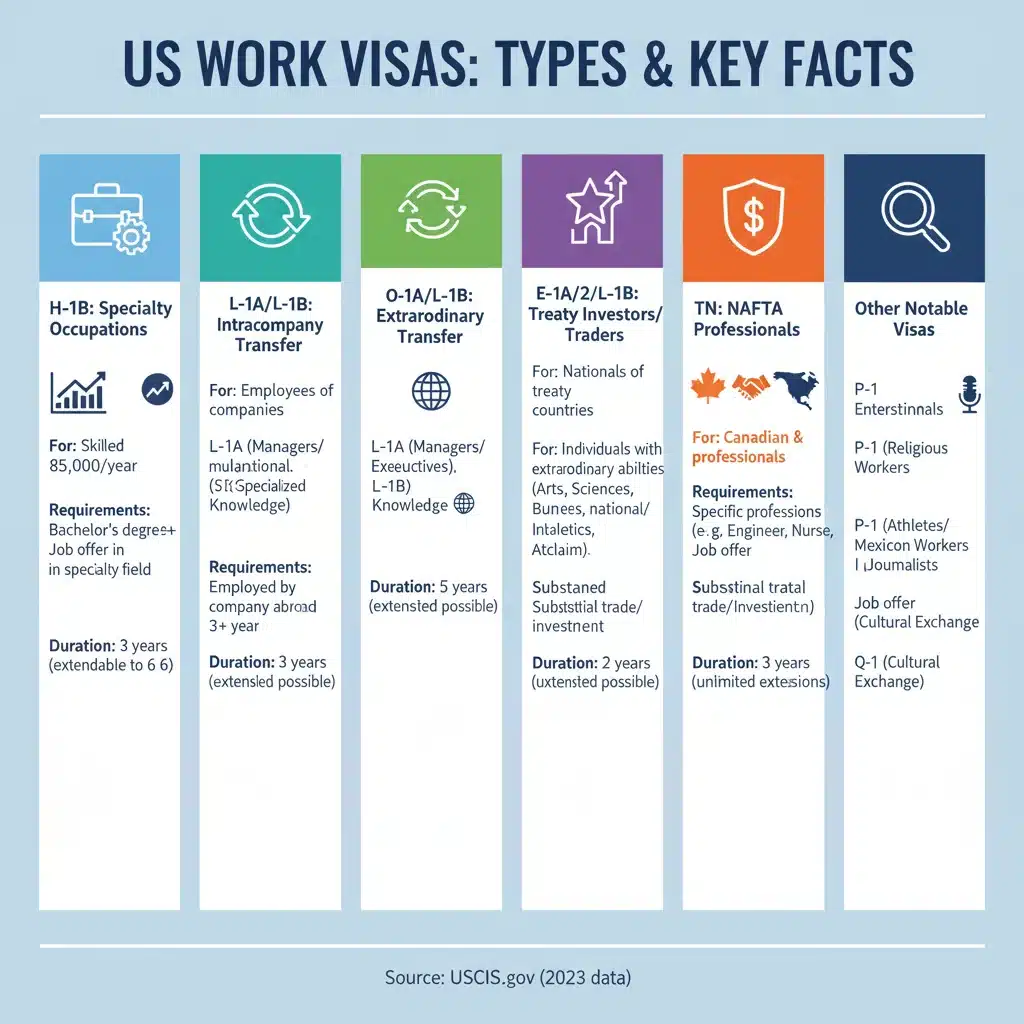
The H-1B visa program, critical for many tech and specialized industries, is consistently a focal point for reform discussions. By mid-2026, businesses should anticipate potential changes in:
- Cap and Lottery System: Ongoing debates about increasing the annual cap or reforming the lottery selection process (e.g., prioritizing higher wages, advanced degrees, or specific skill sets) are likely to continue. Any modification here could drastically alter the availability of high-skilled foreign workers.
- Wage Requirements: The Department of Labor may introduce stricter prevailing wage requirements, making it more expensive for companies to sponsor H-1B workers. This could impact cost structures and talent acquisition strategies.
- Specialty Occupation Definition: USCIS may further refine the definition of a "specialty occupation," potentially leading to increased scrutiny and denials for certain roles previously considered eligible.
- Dependency and "Body Shop" Rules: Enhanced regulations targeting H-1B dependent employers and consulting firms often referred to as "body shops" could lead to more stringent compliance requirements and audits.
Green Card Backlogs and Employment-Based Immigration
The persistent backlogs in employment-based green card categories, particularly for individuals from India and China, remain a significant challenge. While comprehensive legislative solutions are complex, administrative efforts might focus on:
- Recapturing Unused Visas: There may be renewed efforts to recapture unused green card numbers from previous fiscal years, offering temporary relief to some categories.
- Processing Efficiencies: USCIS may implement new technologies or procedural changes to streamline the adjudication process, though significant improvements often require substantial funding and systemic overhaul.
- Per-Country Limits: While a legislative fix to eliminate or significantly raise per-country limits is politically charged, discussions around this issue will likely persist, influencing advocacy efforts by businesses and immigrant communities.
L-1 Visa and Intracompany Transfers
The L-1 visa category, used for intracompany transfers of managers, executives, and specialized knowledge employees, has also faced increased scrutiny. By mid-2026, we might see:
- "Specialized Knowledge" Definition: Further tightening of the "specialized knowledge" definition, requiring more robust evidence of proprietary knowledge or advanced expertise.
- New Office Petitions: Increased challenges for "new office" L-1 petitions, demanding more compelling business plans and evidence of financial viability.
E-2 Treaty Investor/Trader Visas and EB-5 Immigrant Investor Program
These investor-based visa programs are also subject to ongoing review:
- E-2 Modernization: The E-2 treaty investor visa could see administrative updates to align with modern business practices and investment types.
- EB-5 Regional Center Program: Following past reauthorizations and reforms, the EB-5 program will likely continue to evolve, with an emphasis on job creation metrics and investment integrity.
Enforcement and Compliance Initiatives
Regardless of specific visa categories, a continuing trend is likely to be enhanced enforcement and compliance measures. Businesses should prepare for:
- Increased Audits: More frequent and rigorous audits by agencies like USCIS, ICE (Immigration and Customs Enforcement), and DOL to ensure compliance with immigration laws, wage requirements, and labor conditions.
- Form I-9 Scrutiny: Continued emphasis on Form I-9 compliance, with potential for increased penalties for errors or omissions.
- Public Charge Rule: While the "public charge" rule has seen various iterations, its underlying principle of assessing an applicant’s likelihood of becoming a public burden may see renewed focus in different forms.
Impact of US Immigration Policy Changes on Businesses
The ripple effects of these anticipated changes in US Immigration Policy 2026 will be felt across various business functions and sectors. Proactive assessment and adaptation are crucial for mitigating risks and capitalizing on any emerging opportunities.
Workforce Planning and Talent Acquisition
The most immediate and significant impact will be on workforce planning and talent acquisition strategies:
- Difficulty in Sourcing Specialized Talent: Stricter visa requirements or caps can make it harder for businesses, particularly in STEM fields, to recruit and retain highly skilled foreign professionals. This could lead to talent shortages and increased competition for domestic talent.
- Increased Recruitment Costs: Longer processing times, higher legal fees, and potential premium processing costs will inevitably increase the overall expense of hiring international employees.
- Geographic Relocation Considerations: Some companies might consider establishing or expanding operations in countries with more favorable immigration policies or where their desired talent pool resides, leading to a shift in global business strategy.
- Diversity and Inclusion Goals: Changes that restrict international talent flow could inadvertently impact diversity and inclusion initiatives, as foreign workers often bring unique perspectives and skills.
Operational Efficiency and Project Timelines
Delays and uncertainties in immigration processes can severely disrupt business operations:
- Project Delays: The inability to bring in key personnel on time can lead to project delays, missed deadlines, and contractual penalties, especially in time-sensitive industries like technology and consulting.
- Reduced Flexibility: Businesses may lose the flexibility to quickly scale up or down their workforce based on market demands if immigration pathways become more rigid or unpredictable.
- Increased Administrative Burden: Enhanced compliance requirements translate into a greater administrative burden for HR and legal departments, diverting resources from core business activities.
Innovation and Competitiveness
A restrictive immigration environment can stifle innovation and reduce competitiveness:
- Loss of Innovative Edge: Historically, immigrants have been a driving force behind innovation in the US. Restricting their access could lead to a decline in new ideas, startups, and technological advancements.
- Brain Drain: If the US becomes less attractive for top global talent, these individuals may choose to pursue opportunities in other countries, leading to a "brain drain" that undermines long-term economic growth.
- Global Market Position: A less diverse and less innovative workforce could weaken the US’s position as a global leader in various industries, impacting its overall economic competitiveness.
Legal and Financial Implications
The legal and financial risks associated with immigration compliance are significant:
- Increased Compliance Costs: Businesses will face higher costs associated with legal counsel, internal compliance audits, and potentially increased government filing fees.
- Penalties for Non-Compliance: Failure to adhere to evolving immigration regulations can result in substantial fines, debarment from government contracts, and reputational damage.
- Litigation Risk: Increased scrutiny and complex regulations can lead to a higher risk of litigation, either from employees regarding their immigration status or from government agencies alleging violations.
Strategic Preparedness: Navigating US Immigration Policy 2026
Given the anticipated shifts, proactive and strategic preparedness is not optional but essential for businesses. Here are key strategies to navigate the evolving US Immigration Policy 2026 landscape:
1. Comprehensive Workforce Planning and Talent Pipeline Development
- Diversify Sourcing Strategies: Explore alternative talent acquisition channels, including partnerships with domestic universities, vocational schools, and workforce development programs.
- Invest in Upskilling and Reskilling: Focus on internal talent development programs to reduce reliance on external hiring, particularly for roles that may become harder to fill with foreign workers.
- Global Talent Mapping: Understand where your critical talent pools exist globally and assess the feasibility of establishing operations or partnerships in those regions if US immigration becomes too restrictive.
- Long-Term Immigration Sponsorship: For essential foreign talent, consider initiating green card processes earlier to ensure long-term stability, despite potential backlogs.
2. Enhance Immigration Compliance Protocols
- Regular Internal Audits: Conduct frequent internal audits of Form I-9s, public access files for H-1B workers, and other immigration-related documentation to identify and rectify potential issues before government audits.
- Stay Updated on Regulations: Partner with experienced immigration counsel to stay abreast of the latest policy changes, administrative interpretations, and enforcement priorities.
- Employee Training: Train HR personnel, hiring managers, and relevant staff on immigration compliance requirements and best practices.
- Develop Clear Internal Policies: Establish clear internal policies and procedures for immigration sponsorship, compliance, and employee communication regarding their immigration status.
3. Leverage Technology and Automation
- Immigration Management Software: Utilize specialized software to manage immigration cases, track deadlines, store documents securely, and automate compliance tasks.
- Data Analytics: Use data analytics to forecast talent needs, identify potential immigration bottlenecks, and inform strategic workforce decisions.
4. Engage in Advocacy and Industry Collaboration
- Join Industry Associations: Collaborate with industry associations and business groups that advocate for sensible immigration reforms. A collective voice often carries more weight with policymakers.
- Provide Feedback: Participate in public comment periods for proposed immigration rules and regulations. Your business’s real-world experiences can provide valuable context to policymakers.
- Educate Stakeholders: Inform elected officials and community leaders about the critical role foreign talent plays in your business’s success and the broader economy.
5. Consider Alternative Visa Pathways and Global Mobility Strategies
- Explore Other Visa Categories: Beyond H-1B and L-1, evaluate the applicability of other visa categories such as O-1 (individuals with extraordinary ability), TN (NAFTA professionals), or E-3 (Australian specialty occupation professionals) if applicable.
- Global Mobility Framework: Develop a robust global mobility framework that allows for the strategic deployment of talent across different international offices or jurisdictions, providing flexibility if US options are limited.
- Remote Work Solutions: Investigate the feasibility of remote work arrangements for certain roles, allowing talent to contribute from outside the US where appropriate and legally permissible.

Sector-Specific Considerations for US Immigration Policy 2026
While the impact of US Immigration Policy 2026 is widespread, certain sectors will feel the effects more acutely due to their reliance on specific types of foreign talent.
Technology Sector
The tech industry, a heavy user of H-1B visas, will be particularly vulnerable to changes in this program. Companies should prepare for:
- Increased Competition for H-1B: A persistent or even reduced H-1B cap will intensify competition, making it harder to secure visas for software engineers, data scientists, and IT specialists.
- Focus on Advanced Degrees: Policies favoring US advanced degree holders may shift recruitment strategies.
- Innovation Hubs Abroad: Companies may increasingly invest in R&D and innovation hubs outside the US to access talent.
Healthcare Sector
The healthcare industry relies heavily on foreign-trained nurses, physicians, and medical researchers. Changes could impact:
- Nurse and Physician Shortages: Any restrictions on visa categories like H-1B for specialized medical professionals or EB-3 for nurses could exacerbate existing shortages in rural and underserved areas.
- Medical Research: Limits on scientific researchers and post-doctoral fellows could hinder medical advancements and pharmaceutical development.
Agriculture Sector
The agricultural sector is highly dependent on seasonal foreign workers through programs like the H-2A visa. Potential changes include:
- Wage Rule Adjustments: Changes to prevailing wage methodologies could impact labor costs for farmers.
- Program Expansion/Restriction: Debates over expanding or restricting the H-2A program will directly affect labor availability for harvesting and other agricultural tasks.
Manufacturing Sector
Manufacturing, particularly in specialized areas, utilizes foreign talent for engineering, skilled trades, and management roles. Changes to L-1 and H-1B visas could affect:
- Skilled Labor Gaps: Difficulty in bringing in skilled engineers or technicians could slow down production and expansion.
- Intracompany Transfers: Stricter L-1 rules could complicate the transfer of expertise and management within multinational manufacturing firms.
The Role of Political Landscape in US Immigration Policy 2026
The political climate, especially leading up to and following major elections, plays an undeniable role in shaping US Immigration Policy 2026. Different administrations often prioritize distinct approaches to immigration, ranging from more restrictive enforcement to more expansive pathways for legal immigration.
Executive Orders and Regulatory Changes
A new administration can swiftly implement changes through executive orders and direct agencies to prioritize certain enforcement actions or streamline specific processes. While these can be challenged in court, they often have immediate impacts.
Congressional Action
True comprehensive immigration reform requires congressional action, which is notoriously difficult to achieve given the partisan divides. However, smaller, targeted legislative efforts can still pass, addressing specific visa categories or enforcement issues. Businesses should monitor legislative proposals closely.
Public Opinion and Advocacy
Public opinion, fueled by economic conditions, social debates, and media narratives, also influences policymakers. Business advocacy, demonstrating the economic benefits of immigration, can be crucial in counterbalancing restrictive sentiments.
Conclusion: Proactive Adaptation is Key for US Immigration Policy 2026
The period leading up to and through mid-2026 promises to be dynamic for US Immigration Policy 2026. For businesses, this means that a "wait and see" approach is a risky proposition. Instead, proactive engagement, strategic planning, and continuous adaptation are the hallmarks of resilience.
By understanding the potential changes in visa programs, employment-based green card processing, and compliance requirements, businesses can better prepare their workforce strategies, mitigate operational risks, and maintain their competitive edge. Investing in robust immigration compliance frameworks, diversifying talent pipelines, and actively participating in advocacy efforts will not only help navigate the challenges but also position companies for sustainable growth in an ever-evolving global economy. The future of US immigration is complex, but with foresight and preparedness, businesses can turn potential obstacles into opportunities for innovation and success.