Opioid Epidemic Solutions: Accessing Federal Funding for Treatment & Prevention

The Opioid Epidemic: Practical Solutions for Communities to Access New Federal Funding, Expected to Increase by 15% in 2026, for Treatment and Prevention.
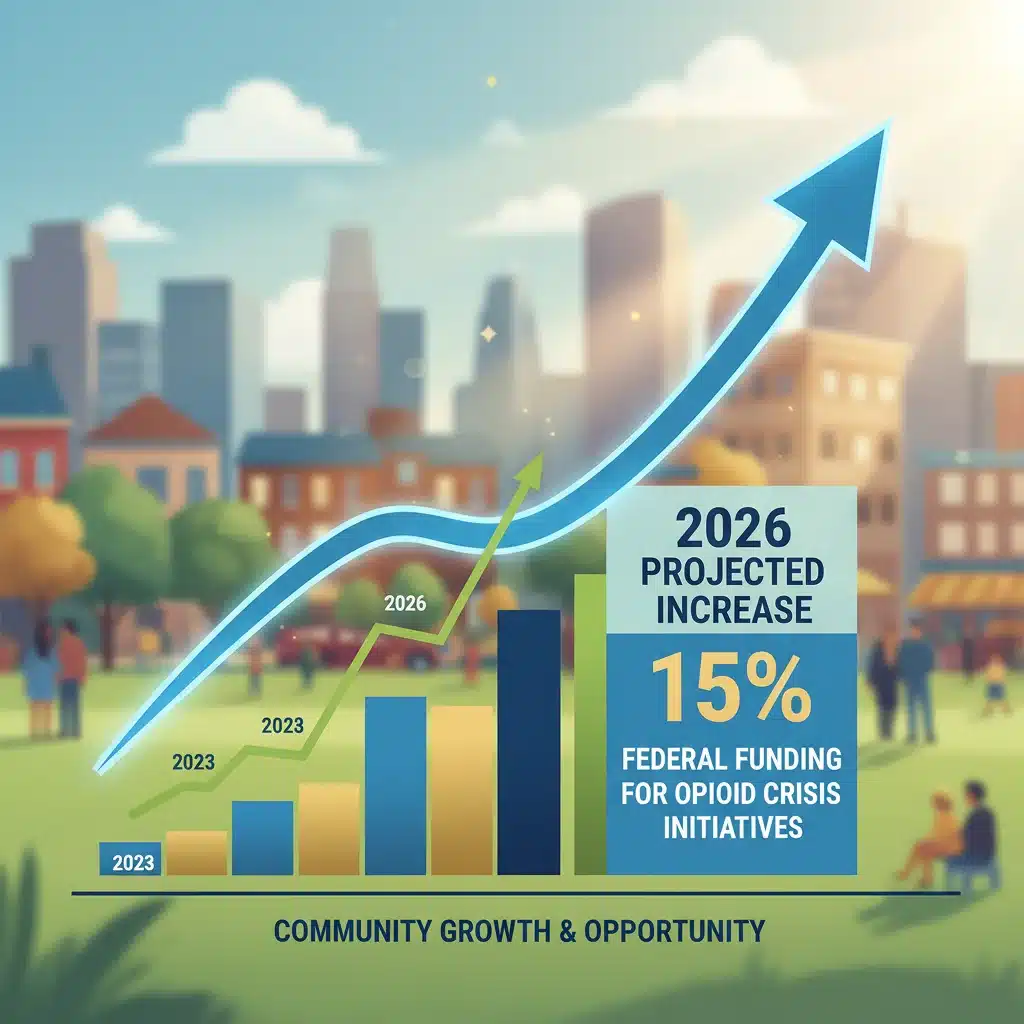
The opioid epidemic continues to be a profound public health crisis, devastating communities across the nation. Its multifaceted nature demands comprehensive, innovative, and well-funded strategies. As we look towards 2026, there’s a significant beacon of hope: a projected 15% increase in federal funding allocated to combat this crisis. This substantial boost presents an unparalleled opportunity for communities to enhance their efforts in both treatment and prevention. However, accessing and effectively utilizing these funds requires strategic planning, a deep understanding of available resources, and a commitment to evidence-based practices. This article will delve into practical solutions for communities to navigate the complexities of securing and deploying this vital federal support, transforming the landscape of opioid addiction response.
Understanding the Landscape: The Opioid Epidemic and Federal Response
Before diving into the specifics of accessing funds, it’s crucial to grasp the current state of the opioid epidemic and the overarching federal response. The crisis, fueled by prescription opioids, heroin, and increasingly potent synthetic opioids like fentanyl, has led to an alarming rise in overdose deaths. Beyond the tragic loss of life, the epidemic strains healthcare systems, impacts economic productivity, and tears at the social fabric of communities. The federal government has recognized the urgency of this crisis, allocating billions of dollars through various agencies and programs to support states and local communities.
Key federal agencies involved include the Substance Abuse and Mental Health Services Administration (SAMHSA), the Centers for Disease Control and Prevention (CDC), the National Institutes of Health (NIH), and the Department of Justice (DOJ). Each agency offers distinct funding opportunities focusing on different facets of the crisis, from prevention and treatment to recovery support and law enforcement initiatives. Understanding the mandates and priorities of these agencies is the first step in identifying relevant funding streams for your community’s needs. The anticipated 15% increase in funding by 2026 signifies a renewed and strengthened commitment, offering a critical window for communities to scale up their interventions and forge sustainable solutions.
Identifying Funding Opportunities: Navigating Federal Grants and Programs
The sheer volume and variety of federal grants can be daunting. To effectively access these resources, communities need a systematic approach to identifying the most suitable opportunities. This process begins with a thorough needs assessment. What are the specific challenges your community faces regarding opioid use disorder (OUD)? Is it a lack of treatment facilities, insufficient prevention education, gaps in harm reduction services, or inadequate recovery support? A clear understanding of these local needs will guide your search for appropriate funding.
Key Federal Funding Sources for Opioid Epidemic Solutions:
- SAMHSA Grants: SAMHSA is a primary source of funding, offering programs like the State Opioid Response (SOR) grants and Tribal Opioid Response (TOR) grants. These provide flexible funding for states and tribal entities to address the opioid crisis by increasing access to medication-assisted treatment (MAT), supporting prevention efforts, and improving recovery services. Communities often access these funds through their state health departments.
- CDC Grants: The CDC focuses on prevention and surveillance. Their grants often support data collection, public health surveillance, and evidence-based prevention programs aimed at reducing opioid overdose deaths. Programs like the Overdose Data to Action (OD2A) provide funding to states and local jurisdictions to improve data collection and implement prevention strategies.
- NIH Research Grants: While primarily focused on research, NIH grants can support innovative community-based interventions that have a strong research component. These grants are often more competitive and require a robust research design, but they can be instrumental in developing and evaluating new approaches to treatment and prevention.
- DOJ Grants: The Department of Justice offers grants related to law enforcement efforts, diversion programs, and drug courts. These can be crucial for communities looking to integrate criminal justice responses with public health approaches, diverting individuals with OUD into treatment rather than incarceration.
- HRSA (Health Resources and Services Administration) Grants: HRSA supports healthcare access in rural and underserved areas. Their grants can help expand access to opioid treatment services in communities where healthcare infrastructure is limited, often through Federally Qualified Health Centers (FQHCs).
Staying informed about new funding announcements is critical. Regularly check federal grant websites like Grants.gov, subscribe to newsletters from relevant federal agencies, and engage with state-level public health organizations that often disseminate information about upcoming opportunities. The projected 15% increase in federal funding for 2026 means that new or expanded grant programs are likely to emerge, making proactive monitoring essential for communities seeking opioid funding solutions.
Developing a Strong Grant Proposal: The Blueprint for Success
Securing federal funding is highly competitive, and a well-crafted grant proposal is paramount. This document is your community’s opportunity to articulate its needs, proposed solutions, and capacity to achieve meaningful outcomes. A strong proposal isn’t just about asking for money; it’s about demonstrating a clear understanding of the problem, a viable plan to address it, and the ability to manage funds responsibly.
Key Components of a Successful Grant Proposal:
- Executive Summary: A concise overview of your entire proposal, highlighting the problem, your proposed solution, expected outcomes, and the requested funding amount. This should be compelling enough to capture the reviewer’s attention immediately.
- Problem Statement/Needs Assessment: Clearly define the scope of the opioid crisis in your specific community using local data (overdose rates, treatment gaps, demographic impacts). This section demonstrates why your project is necessary and urgent.
- Project Goals and Objectives: State what you aim to achieve (goals) and how you will measure success (specific, measurable, achievable, relevant, time-bound objectives). For example, ‘Increase access to MAT by 25% for uninsured individuals with OUD within 18 months.’
- Program Design/Methodology: Detail the specific activities and interventions you will implement. This should be evidence-based and aligned with best practices in opioid treatment and prevention. Explain who will deliver services, where, and how.
- Organizational Capacity: Describe your organization’s (or collaborative’s) experience, expertise, and infrastructure to successfully carry out the proposed project. Highlight key personnel and their qualifications.
- Evaluation Plan: Explain how you will monitor progress, collect data, and assess the effectiveness of your program against your stated objectives. This demonstrates accountability and a commitment to continuous improvement.
- Budget and Budget Justification: Provide a detailed breakdown of how the requested funds will be spent, aligning each expense with project activities. Justify why each cost is necessary and reasonable.
- Sustainability Plan: Outline how your program will continue after the grant funding ends. This could involve diversifying funding sources, building community partnerships, or integrating services into existing systems.
Many federal grants also require letters of support from community partners, demonstrating collaboration and broad-based backing for your initiative. Seeking technical assistance from grant writing professionals or organizations specializing in federal grants can significantly increase your chances of success. They can help refine your proposal, ensure compliance with all requirements, and articulate your community’s vision effectively for opioid funding solutions.
Building Community Partnerships and Collaboration
The opioid epidemic cannot be solved by any single entity. A robust, multi-sectoral approach is essential, and federal funders often prioritize proposals that demonstrate strong community partnerships and collaboration. These partnerships not only strengthen your grant application but also enhance the effectiveness and reach of your programs on the ground.
Key Partners for Opioid Crisis Response:
- Local and State Health Departments: Crucial for data sharing, public health expertise, and often serve as conduits for state-level federal funding.
- Healthcare Providers: Hospitals, primary care physicians, mental health clinics, and substance use treatment centers are on the front lines of treatment and can provide referrals and direct services.
- Law Enforcement and First Responders: Police, fire departments, and EMS are often the first point of contact for overdose incidents and can play a vital role in harm reduction and linkage to care.
- Community-Based Organizations (CBOs): Non-profits, faith-based groups, and advocacy organizations often have deep roots in the community and can provide essential support services, outreach, and recovery support.
- Schools and Educational Institutions: Critical for prevention education among youth and identifying at-risk individuals.
- Local Government Agencies: Mayors’ offices, county commissioners, and social services departments can provide political will, coordination, and access to additional resources.
- People with Lived Experience: Individuals in recovery and their families offer invaluable insights, guidance, and peer support, making programs more relevant and effective.
Establishing formal agreements (e.g., Memorandums of Understanding – MOUs) with partners can solidify roles, responsibilities, and commitment. Collaborative efforts can lead to integrated care models, where prevention, treatment, and recovery services are seamlessly connected, providing a more holistic approach to combating the opioid epidemic. Federal grants often look for evidence of these established partnerships as a sign of a well-supported and sustainable initiative.
Implementing Evidence-Based Treatment and Prevention Strategies
Federal funding agencies increasingly emphasize evidence-based practices (EBPs). This means that programs and interventions proposed in grant applications should have demonstrated effectiveness through rigorous research. Adopting EBPs not only increases the likelihood of securing funding but also ensures that your community’s efforts are impactful and lead to better outcomes for individuals affected by OUD.
Key Evidence-Based Strategies:
- Medication-Assisted Treatment (MAT): Considered the gold standard for opioid use disorder treatment, MAT combines medications (buprenorphine, naltrexone, methadone) with counseling and behavioral therapies. Federal funding often prioritizes initiatives that expand access to MAT.
- Naloxone Distribution: Providing naloxone (Narcan) to first responders, individuals at risk of overdose, and their families is a critical harm reduction strategy that saves lives.
- Syringe Service Programs (SSPs): These programs reduce the transmission of HIV and hepatitis C among people who inject drugs and serve as a crucial point of contact for linkage to treatment and other health services.
- Evidence-Based Prevention Programs: These include school-based drug education programs, community-wide media campaigns, safe prescribing practices for healthcare providers, and proper disposal of unused medications.
- Contingency Management: A behavioral therapy that provides tangible rewards for positive behaviors, such as abstinence from drug use, shown to be effective in treating OUD.
- Cognitive Behavioral Therapy (CBT) and Motivational Interviewing (MI): Widely used therapeutic approaches that help individuals develop coping mechanisms and motivation for change.
- Recovery Support Services: Peer support, housing assistance, employment services, and mutual aid groups (e.g., Narcotics Anonymous) are vital for long-term recovery and reintegration into the community.
When developing your program design, clearly articulate how your proposed interventions align with these evidence-based practices. If you plan to implement an innovative approach, ensure you have a robust evaluation plan to demonstrate its effectiveness, potentially contributing to the evidence base. Demonstrating a commitment to EBPs will significantly strengthen your grant application for opioid funding solutions.
Measuring Impact and Ensuring Accountability
Securing federal funding is just the beginning. Grant recipients are expected to rigorously track their progress, measure outcomes, and report regularly to the funding agency. This accountability ensures that taxpayer dollars are being used effectively and that programs are achieving their intended results. A well-designed evaluation plan is crucial, not only for reporting but also for continuous program improvement.
Elements of Effective Program Evaluation:
- Data Collection: Establish clear methods for collecting relevant data, such as the number of individuals served, treatment completion rates, overdose reversals, participation in prevention activities, and changes in health outcomes.
- Performance Measures: Align your data collection with the performance measures outlined in your grant agreement. These typically relate to your project’s objectives.
- Reporting: Understand and adhere to all reporting requirements, including frequency, format, and content. Timely and accurate reporting builds trust with funders and demonstrates your organization’s capacity.
- Qualitative Data: Beyond quantitative metrics, gather qualitative data through surveys, focus groups, and success stories to understand the human impact of your programs.
- Continuous Quality Improvement (CQI): Use evaluation findings to identify areas for improvement, adapt your strategies, and enhance program effectiveness. This iterative process is key to long-term success.
Investing in data infrastructure and staff training for data collection and analysis is a wise use of grant funds. Demonstrating a commitment to rigorous evaluation not only fulfills grant requirements but also provides valuable insights that can be used to advocate for continued funding, share best practices, and refine your community’s overall strategy for combating the opioid epidemic. The increased federal funding in 2026 will likely come with heightened expectations for accountability and demonstrated impact.
Sustainability Beyond the Grant Cycle
Federal grants provide critical seed money and support for impactful programs, but they are rarely a permanent funding source. Communities must think strategically about how to sustain successful initiatives beyond the grant cycle. This foresight is often a key component of strong grant proposals and demonstrates a commitment to long-term community health.
Strategies for Program Sustainability:
- Diversify Funding Streams: Explore other funding sources, including state and local government appropriations, private foundations, corporate sponsorships, and philanthropic donations.
- Integrate Services: Weave successful grant-funded programs into existing community infrastructure, such as public health departments, community mental health centers, or local healthcare systems. This can reduce reliance on grant-specific funding.
- Billing for Services: Where appropriate, explore opportunities to bill for services through Medicaid, Medicare, or private insurance. This requires proper credentialing and billing infrastructure.
- Advocacy: Engage in policy advocacy at local, state, and federal levels to secure ongoing public funding for effective opioid treatment and prevention programs.
- Community Buy-In: Build strong community support and demonstrate the value of your programs to local stakeholders, increasing the likelihood of local investment and volunteerism.
- Capacity Building: Invest in staff development, training, and infrastructure that will serve the community beyond the specific grant project.
A well-articulated sustainability plan signals to federal funders that your community is thinking long-term and that their investment will have lasting impact. This is particularly important with the expected increase in federal funding for 2026; communities that can demonstrate a clear path to sustainability will be better positioned to secure and leverage these resources for enduring change in the fight against the opioid epidemic.
Conclusion: A Path Forward with Increased Federal Support
The opioid epidemic remains a formidable challenge, but the projected 15% increase in federal funding by 2026 offers a significant opportunity for communities to turn the tide. By understanding the funding landscape, meticulously preparing grant proposals, fostering robust community partnerships, implementing evidence-based strategies, ensuring rigorous evaluation, and planning for long-term sustainability, communities can effectively access and utilize these vital resources. This isn’t just about securing funds; it’s about building healthier, more resilient communities capable of providing comprehensive care and prevention for those affected by opioid use disorder. The time for proactive engagement and strategic planning is now, to transform this increased federal support into tangible, life-saving opioid funding solutions for every community.