
Education Reform in 2026: Examining Federal Funding Changes and Their Impact on Public Schools
The year 2026 is poised to be a pivotal moment for public education in the United States, largely due to anticipated shifts in federal education funding. These changes are not merely administrative adjustments; they represent a potential paradigm shift in how schools are resourced, how students are supported, and ultimately, the trajectory of educational equity across the nation. Understanding these impending reforms is crucial for educators, policymakers, parents, and communities alike, as they will undoubtedly reshape the landscape of learning for millions of students.
For decades, federal funding has played a critical, albeit often debated, role in supplementing state and local educational budgets. Programs like Title I, special education grants under IDEA, and various competitive grants have aimed to address disparities, support vulnerable populations, and foster innovation. However, the effectiveness and distribution of these funds are continually under scrutiny, leading to cycles of reform. The upcoming changes in 2026 are expected to be particularly significant, driven by evolving national priorities, economic realities, and a renewed focus on specific educational outcomes.
This comprehensive article will delve into the projected changes in federal education funding for 2026, exploring the likely mechanisms of these shifts, the rationale behind them, and their multifaceted implications for public schools. We will analyze how these reforms might affect different types of schools – from urban districts facing significant socio-economic challenges to rural schools struggling with resource scarcity, and suburban schools navigating evolving demographics. Our goal is to provide a detailed, forward-looking analysis that empowers stakeholders to prepare for and adapt to the new educational financial environment.
The Current Landscape of Federal Education Funding: A Foundation for Change
Before we can fully appreciate the impact of the 2026 changes, it’s essential to grasp the current structure and role of federal education funding. Historically, federal contributions typically constitute around 8-10% of total K-12 education spending, with the vast majority coming from state and local sources. While seemingly a small percentage, this federal allocation is strategically vital. It often targets specific areas that states and localities might underfund, such as:
- Supporting Disadvantaged Students (Title I): Providing financial assistance to local educational agencies (LEAs) and schools with high numbers or high percentages of children from low-income families to help ensure all children meet challenging state academic standards.
- Special Education (IDEA): Ensuring that children with disabilities have the opportunity to receive a free appropriate public education, just like other children. Federal funds help cover the additional costs associated with these services.
- Bilingual Education and English Language Learners: Funding programs designed to help students who are learning English achieve academic proficiency.
- School Improvement Grants: Aimed at turning around the lowest-performing schools.
- Career and Technical Education (CTE): Supporting programs that prepare students for high-skill, high-wage, or in-demand occupations.
- Rural Education Initiatives: Addressing the unique challenges faced by rural school districts, which often have smaller tax bases and geographic isolation.
The allocation formulas for these funds are complex, often based on factors like student enrollment, poverty rates, and specific needs. This intricate web of funding mechanisms has evolved over decades, reflecting changing educational philosophies and societal priorities. However, critiques often point to insufficient funding levels, bureaucratic hurdles, and the challenge of ensuring funds reach the students who need them most.
The upcoming 2026 reforms are likely to stem from a re-evaluation of these existing structures. Policymakers may seek to streamline processes, reallocate resources based on new data, or introduce entirely new funding streams to address emerging educational challenges. Understanding this baseline is crucial for anticipating the ripple effects of any modifications to federal education funding.
Projected Federal Funding Changes in 2026: What to Expect
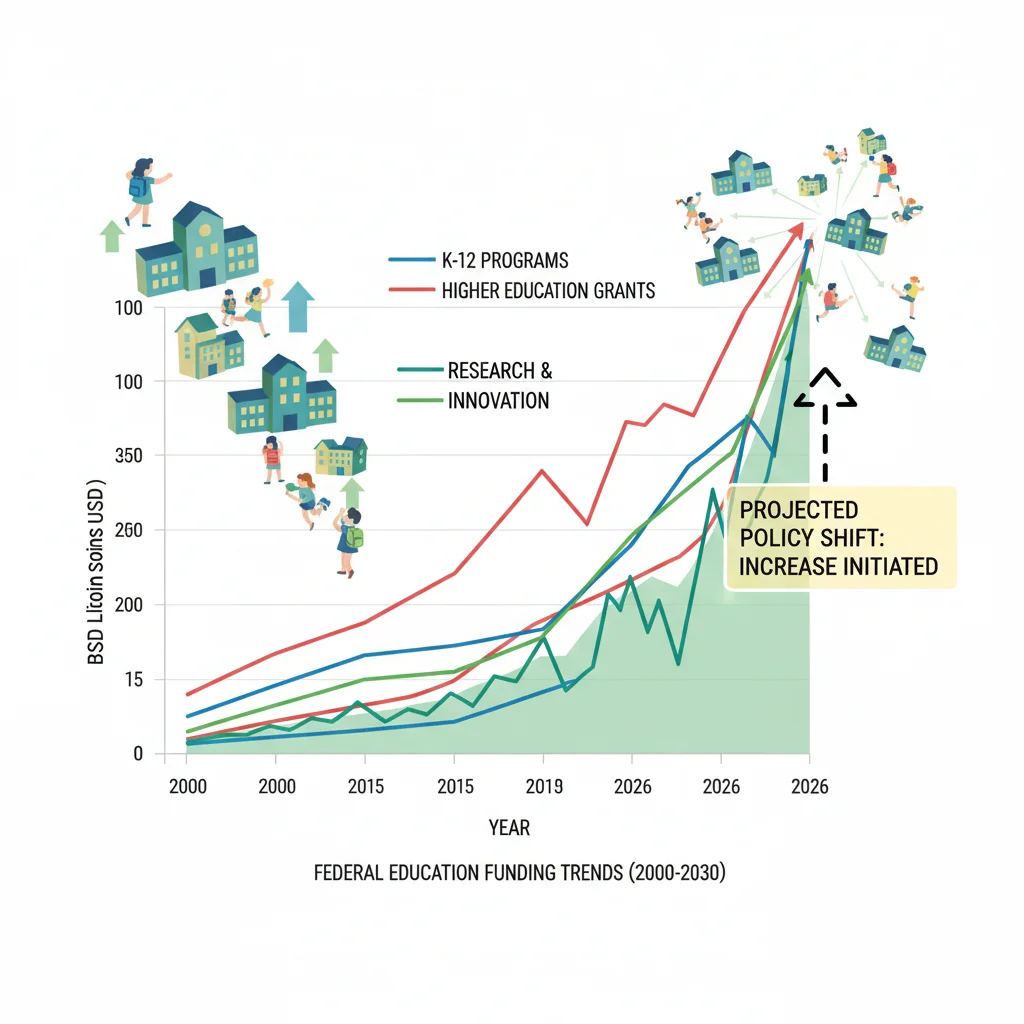
While the exact details of the 2026 changes are still coalescing, several key themes and potential shifts are emerging from policy discussions, legislative proposals, and expert analyses. These are not merely tweaks but could represent foundational adjustments to how federal money flows into public schools.
Increased Focus on Early Childhood Education
There is a growing bipartisan consensus on the importance of early childhood education (ECE). Expect to see increased federal education funding directed towards expanding access to high-quality pre-kindergarten programs, supporting early literacy initiatives, and professional development for ECE educators. This reflects research demonstrating the long-term positive impact of early learning on academic achievement and socio-emotional development. New grant programs or significant expansions of existing ones could be on the horizon, potentially creating new partnerships between schools and community-based ECE providers.
Performance-Based Funding Models
A contentious but persistent idea in education policy is the move towards performance-based funding. While direct federal funding tied to specific student outcomes has faced resistance, 2026 could see an increase in competitive grants or incentive programs that reward districts demonstrating significant improvements in student achievement, graduation rates, or other key metrics. This approach aims to encourage innovation and accountability, but critics warn it could inadvertently penalize schools serving the most challenging populations or lead to teaching to the test. The design of such programs will be critical to their success and equity.
Enhanced Support for Mental Health and Well-being
The ongoing mental health crisis among students has brought this issue to the forefront of educational policy. Expect a substantial increase in federal education funding allocated to school-based mental health services, including hiring more counselors, psychologists, and social workers, as well as implementing comprehensive social-emotional learning (SEL) programs. This could involve dedicated grants or an expansion of allowable uses for existing funds, signaling a recognition that student well-being is foundational to academic success.
Technology Integration and Digital Equity
The COVID-19 pandemic starkly highlighted the digital divide and the critical need for robust technology infrastructure in schools. While emergency funding addressed some immediate needs, 2026 could bring sustained federal education funding for technology integration, including broadband access, device provision, and professional development for digital literacy. This would aim to ensure that all students, regardless of their socio-economic background or geographic location, have equitable access to digital learning tools and resources, preparing them for a technology-driven future.
Targeted Funding for STEM and Workforce Development
Addressing national workforce needs, particularly in science, technology, engineering, and mathematics (STEM) fields, remains a high priority. We could see increased federal education funding for STEM programs, including specialized curricula, teacher training, and partnerships with industry. This ties into broader efforts to prepare students for the jobs of tomorrow and maintain national competitiveness. Vocational and technical education programs may also see a boost, with an emphasis on aligning curriculum with local and regional economic demands.
Impact on Public Schools: Opportunities and Challenges
The ripple effects of these federal education funding changes will be felt across every public school district in the nation. While many changes are designed to address existing challenges, they will also present new opportunities and, inevitably, new hurdles.
Resource Allocation and Budgeting
School districts will need to meticulously review their budgets and strategic plans to align with the new federal funding priorities. Districts that are proactive in understanding the changes and adapting their programs accordingly will be better positioned to secure and effectively utilize these funds. This might involve reallocating existing state and local funds to complement federal initiatives, or developing new programs that fit evolving grant criteria. The emphasis on specific areas like early childhood or mental health will demand a shift in resource allocation, potentially away from programs no longer prioritized by federal dictates.
Educational Equity and Disparity
A central aim of federal education funding has always been to promote equity. The 2026 reforms will likely intensify this focus. If funds are more effectively targeted towards high-need schools and students, we could see a narrowing of achievement gaps. Conversely, if performance-based models are poorly designed, they could exacerbate existing inequalities. Schools serving predominantly low-income communities or those with high populations of English Language Learners and students with disabilities stand to gain significantly if the new funding mechanisms are truly equitable and accessible. However, rural schools, often overlooked due to their smaller populations, will need specific provisions to ensure they benefit from these changes too, especially concerning technology and specialized services.
Curriculum and Program Development
With new funding priorities come shifts in curriculum and program development. Schools will likely enhance or introduce new programs in early childhood education, mental health support, STEM, and digital literacy. This could lead to a revitalization of educational offerings, but it will also require significant investment in professional development for teachers and staff to implement these new curricula effectively. For example, a surge in mental health funding might necessitate training for all school personnel in trauma-informed practices or identifying signs of distress.
Teacher Recruitment and Retention
The availability of new federal education funding could positively impact teacher recruitment and retention, particularly in high-need areas or specialized fields. For instance, increased funding for special education or STEM could allow districts to offer more competitive salaries, better professional development opportunities, or additional support staff, making these roles more attractive. However, if funding is tied to complex reporting requirements or short-term grants, it might create instability that hinders long-term strategic hiring.
Accountability and Data Reporting
With any federal funding comes increased accountability. The 2026 reforms are likely to introduce new or refined data reporting requirements to ensure funds are being used effectively and are achieving desired outcomes. While this can provide valuable insights into program effectiveness, it also places an additional administrative burden on school districts. Robust data systems and trained personnel will be essential to meet these requirements and demonstrate impact, ensuring continued access to vital federal resources.
Case Studies: Potential Scenarios Under New Federal Funding
To illustrate the potential real-world impact, let’s consider a few hypothetical scenarios:
Scenario 1: Urban District with High Poverty Rates
An urban school district, historically reliant on Title I funding, sees a significant increase in federal education funding due to a renewed emphasis on early childhood education and mental health services. This allows the district to expand its free pre-kindergarten program to all four-year-olds and hire ten additional school social workers and counselors. The impact: improved school readiness, reduced behavioral issues, and better support for students facing trauma. However, the district must quickly develop robust data collection methods to prove the effectiveness of these new programs to maintain funding.
Scenario 2: Rural District Facing Digital Divide
A sparsely populated rural district, where many students lack reliable home internet, benefits from new federal grants aimed at digital equity. This district uses the funds to provide hotspots for all students, upgrade school broadband infrastructure, and purchase new devices. They also invest in professional development for teachers to integrate technology effectively into their lessons. The impact: students gain equitable access to online learning resources, homework completion rates improve, and teachers feel more confident using digital tools. The challenge lies in sustaining these technology investments beyond the initial grant period.
Scenario 3: Suburban District with Shifting Demographics
A suburban district experiencing a rapid increase in its English Language Learner (ELL) population finds new federal education funding specifically targeted at bilingual education and newcomer programs. This allows them to hire additional ESL teachers, develop culturally responsive curricula, and provide parent outreach in multiple languages. The impact: faster academic integration for ELL students, increased parent engagement, and a more inclusive school environment. The challenge for this district is ensuring that the new programs are integrated seamlessly with existing structures and that all staff are equipped to support diverse learners.
Preparing for 2026: Strategies for Schools and Districts
The proactive approach is the most effective strategy for navigating the impending changes in federal education funding. Schools and districts that begin planning now will be better positioned to capitalize on opportunities and mitigate potential challenges.
Stay Informed and Engage with Policy Makers
Keep a close watch on legislative developments at the federal level. Engage with educational advocacy groups, professional associations, and local representatives to understand the specific proposals and their potential impact. Participating in public hearings or providing feedback on proposed regulations can help shape the final policies to better serve local needs.
Conduct a Needs Assessment
Undertake a comprehensive needs assessment to identify areas where new federal funding could be most impactful. This involves analyzing student data, identifying achievement gaps, assessing existing resources, and consulting with teachers, parents, and community members. A clear understanding of local needs will allow districts to strategically apply for and utilize funds.
Build Capacity for Grant Writing and Management
Many of the new federal initiatives may come in the form of competitive grants. Districts should invest in developing robust grant writing capabilities and ensure they have the administrative capacity to manage and report on these funds effectively. This includes understanding compliance requirements and establishing transparent financial tracking systems.

Foster Collaboration and Partnerships
The new funding landscape may encourage greater collaboration. Schools should explore partnerships with community organizations, local businesses, higher education institutions, and other school districts. For instance, early childhood funding might necessitate partnerships with local daycare centers, while STEM funding could lead to collaborations with tech companies for internships or mentorship programs. These partnerships can leverage resources and expertise, maximizing the impact of federal education funding.
Invest in Professional Development
As curriculum and program priorities shift, ongoing professional development for teachers and staff will be paramount. Whether it’s training in new instructional strategies for early literacy, trauma-informed care, or advanced digital tools, investing in human capital is crucial for successful implementation of federally funded initiatives. This ensures that the new resources translate directly into improved learning experiences for students.
Advocate for Local Flexibility
While federal funding often comes with specific guidelines, districts should advocate for flexibility in how funds can be used to meet unique local contexts. A one-size-fits-all approach rarely works in education, and local leaders are best positioned to determine the most effective use of resources within their communities.
The Long-Term Vision: What Does Success Look Like?
The ultimate goal of any reform to federal education funding is to create a more equitable, effective, and responsive public education system. Success in 2026 and beyond will not just be measured by how much money is allocated, but by the tangible improvements in student outcomes. This includes:
- Reduced Achievement Gaps: A significant narrowing of the disparities in academic performance among different student groups.
- Improved Student Well-being: A noticeable increase in student mental health, emotional resilience, and overall school climate.
- Enhanced Preparedness for the Future: Students graduating with the skills, knowledge, and critical thinking abilities needed for college, career, and civic engagement in the 21st century.
- Stronger Teacher Workforce: Attracting and retaining highly qualified educators in all schools, especially those serving high-need populations.
- Innovative Educational Practices: Schools becoming hubs of innovation, experimenting with new pedagogies and technologies to personalize learning.
Achieving this vision will require sustained commitment from all levels of government, coupled with dedicated efforts from school leaders, educators, parents, and communities. The 2026 reforms offer a renewed opportunity to move closer to an ideal where every child has access to a high-quality education, irrespective of their background or zip code.
Conclusion: Navigating the Future of Public Education
The anticipated changes in federal education funding for 2026 represent a critical juncture for public schools across the United States. These reforms are likely to bring both significant opportunities for growth and innovation, as well as complex challenges related to implementation and accountability. From an increased emphasis on early childhood education and mental health to potential shifts towards performance-based models and enhanced technology integration, the educational landscape is set for a substantial transformation.
For school districts, the imperative is clear: proactive engagement, strategic planning, and a deep understanding of the evolving federal priorities will be key to success. By staying informed, conducting thorough needs assessments, building capacity for grant management, and fostering collaborative partnerships, schools can effectively leverage new funding streams to benefit their students and communities. The ultimate aim is to ensure that these federal investments translate into tangible improvements in educational equity, student achievement, and overall well-being.
The journey through 2026 and beyond will require adaptability, foresight, and a shared commitment to the future of public education. By working together, stakeholders can navigate these changes to build a more resilient, equitable, and high-performing educational system for all American children. The conversation around federal education funding will continue to evolve, but the groundwork laid now will determine the success of future generations.