Future of Streaming: Top Services & 2026 Innovations
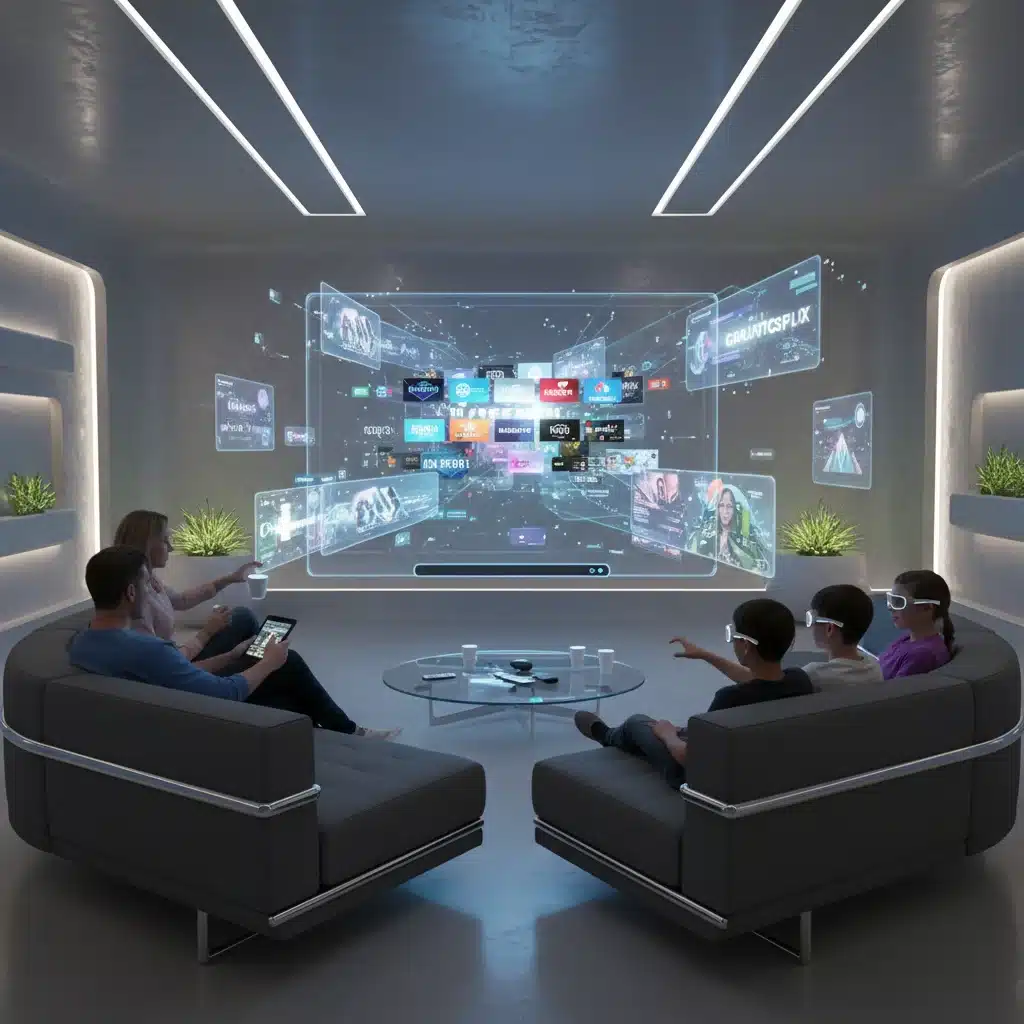
The Evolution of Streaming: Comparing Top Services and Their 2026 Feature Rollouts
The landscape of home entertainment is in a constant state of flux, driven by technological advancements and shifting consumer demands. What began as a convenient alternative to traditional cable is rapidly evolving into a sophisticated ecosystem offering unparalleled personalization and immersion. As we hurtle towards 2026, the competition among streaming giants is hotter than ever, with each service vying for subscriber attention by promising a glimpse into the future streaming services experience. This article delves deep into the strategic roadmaps of the top 5 streaming platforms, examining their current offerings and forecasting the innovative features expected to redefine our viewing habits by 2026.
The Current State of Streaming: A Competitive Arena
Before we project into the future, it’s crucial to understand the current positioning of the major players. Netflix, Disney+, Max (formerly HBO Max), Amazon Prime Video, and Peacock each hold unique strengths and cater to distinct audiences. Netflix, the pioneer, still boasts a massive global subscriber base, fueled by its vast library and aggressive original content strategy. Disney+ leverages its iconic franchises and family-friendly appeal, while Max stands out with its premium, critically acclaimed series and Warner Bros. film catalog. Amazon Prime Video offers a unique value proposition, bundling streaming with other Prime benefits, and Peacock, though a newer entrant, is making strides with its NBCUniversal content and live sports.
However, the current market is also characterized by challenges: content fatigue, subscription stacking, and the constant battle for exclusive rights. These pressures are forcing services to innovate beyond just content libraries, pushing them towards a future where technology, interactivity, and personalization become paramount. The race to define the next generation of future streaming services is on, and the strategies being developed now will dictate who leads the pack in 2026.
Netflix: Hyper-Personalization and Interactive Storytelling by 2026
Netflix has always been at the forefront of innovation, from its DVD-by-mail origins to pioneering the binge-watching phenomenon. By 2026, expect Netflix to double down on its data-driven approach, transforming personalization into hyper-personalization. This isn’t just about recommending shows you might like; it’s about anticipating your moods, predicting your viewing patterns across different times of day, and even tailoring intros and outros to your preferences.
One of the most exciting areas for Netflix’s future streaming services is the expansion of interactive content. Building on the success of titles like ‘Bandersnatch,’ expect a new wave of choose-your-own-adventure narratives, not just in niche categories but across mainstream genres. Imagine influencing plotlines in your favorite drama or making decisions for characters in a rom-com. This level of engagement could significantly increase viewer retention and create truly unique, replayable experiences. Furthermore, Netflix is likely to invest heavily in AI-generated content snippets, dynamic ad placements (for its ad-supported tiers), and even personalized subtitles or audio descriptions that adapt to individual user needs and learning styles. Their global reach also positions them perfectly to experiment with real-time, localized interactive events, blurring the lines between live television and on-demand streaming.
Disney+: Immersive Universes and Experiential Viewing
Disney+’s strength lies in its unparalleled intellectual property: Marvel, Star Wars, Pixar, and the extensive Disney animation library. By 2026, Disney+ is poised to evolve beyond passive viewing into an immersive, experiential platform. Think less about watching a movie and more about stepping into a universe.
Anticipate deeper integration with augmented reality (AR) and virtual reality (VR) technologies. While full VR headsets might not be mainstream by 2026, AR overlays on mobile devices or smart TVs could allow viewers to bring characters into their living rooms or explore digital extensions of their favorite worlds. Imagine scanning a QR code during a Marvel series to unlock a 3D model of Iron Man’s suit in your living room, or participating in a Star Wars trivia game that dynamically pauses the show and projects questions onto your screen. Disney+’s strategy for future streaming services will likely focus on creating a cohesive ecosystem, linking content with merchandise, theme park experiences, and even educational modules. Expect more ‘second screen’ experiences, where your tablet or phone can provide supplementary information, behind-the-scenes content, or even interactive games that sync with the main program. This approach aims to deepen engagement and transform viewing into a multi-sensory journey, capitalizing on the emotional connection audiences have with its beloved franchises.
Max: Premium Content, Curated Experiences, and Early Access
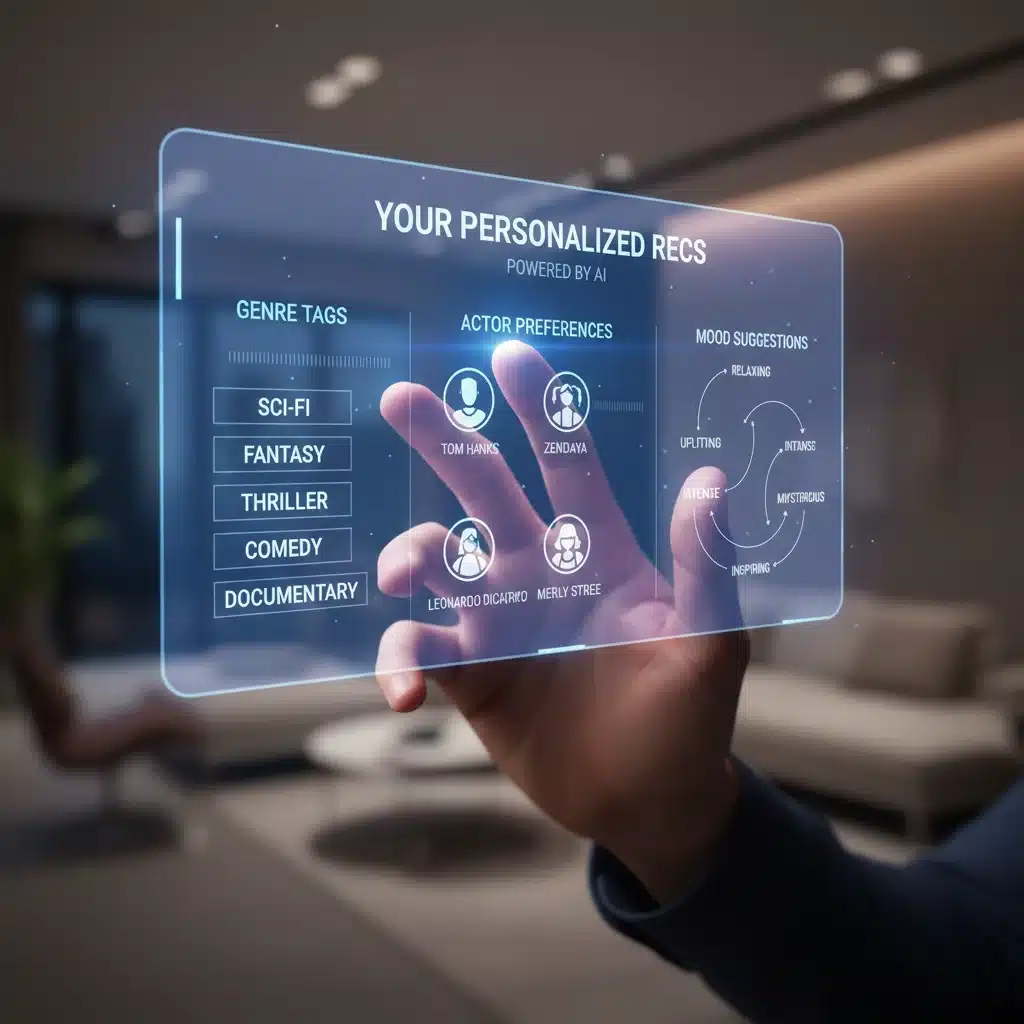
Max has carved out a niche for high-quality, prestige content. Its evolution towards 2026 will likely focus on enhancing this premium perception through curated experiences and exclusive access. While other services chase volume, Max will prioritize quality and a refined user journey.
One significant trend for Max’s future streaming services will be early access windows for subscribers. Imagine being able to stream new Warner Bros. films days or even weeks before their theatrical release, or getting exclusive behind-the-scenes documentaries and director’s cuts that aren’t available anywhere else. Max could also leverage its extensive catalog of classic films and TV shows by introducing AI-curated ‘mood’ playlists or ‘director’s cut’ channels that offer a more guided, cinematic experience. Expect enhanced audio-visual fidelity, pushing the boundaries of 4K, 8K, and spatial audio technologies to deliver a truly theatrical experience at home. Furthermore, Max might explore more sophisticated ‘companion content’ – not just bonus features, but interactive scripts, historical context, or even real-time expert commentary that enriches the viewing of complex dramas or documentaries. The goal is to make subscribers feel like they are part of an exclusive club, receiving unparalleled access and a meticulously crafted viewing environment.
Amazon Prime Video: Integrated Ecosystem and Live Event Dominance
Amazon Prime Video’s unique position within the broader Amazon ecosystem gives it a distinct advantage. By 2026, expect Prime Video to fully leverage this integration, becoming less of a standalone streaming service and more of a central entertainment hub within your digital life.
The expansion of live events, particularly sports, will be a major focus. Amazon has already made significant inroads here, and by 2026, expect Prime Video to be a dominant player in live sports broadcasting, offering enhanced features like multiple camera angles, real-time statistics overlays, and interactive fan engagement during games. Beyond sports, expect more live concerts, exclusive product launches, and even interactive shopping events directly integrated into the viewing experience. Imagine seeing an item worn by a character in a show and being able to purchase it instantly through Prime, or participating in a live Q&A with a show’s creators while watching an episode. AI will play a crucial role in personalizing these experiences, from recommending specific live events based on your interests to tailoring product suggestions. Prime Video’s future streaming services will also likely see deeper integration with smart home devices, allowing for voice-activated controls, personalized lighting schemes that match the on-screen content, and even contextual notifications delivered through Alexa, creating a truly interconnected entertainment environment.
Peacock: Niche Content, Ad Innovation, and Hybrid Models
As a relatively newer entrant, Peacock has the flexibility to experiment with different models. By 2026, Peacock’s strategy will likely center on cementing its position as a go-to for specific niche content (NBCUniversal library, WWE, Olympics) and pioneering new ad-supported and hybrid subscription models.
Expect significant innovation in advertising. Rather than traditional, disruptive commercials, Peacock’s future streaming services could lead the way with highly personalized, non-intrusive ad experiences. This might include interactive ads where viewers can choose to learn more about a product, shoppable ads that allow for direct purchases, or even ‘branded content’ that feels more like short-form entertainment than traditional advertising. They might also explore dynamic pricing models, offering micro-subscriptions for specific events or content bundles, or even ‘freemium’ tiers with enhanced features available for a small upgrade. The integration of live news and local content, leveraging NBCUniversal’s vast network, will also be a key differentiator, providing a more comprehensive entertainment and information hub. Peacock could also become a leader in ‘contextual viewing,’ where AI analyzes what you’re watching and provides related news clips, interviews, or even local event information, making the viewing experience more informative and relevant to your daily life. Their approach will be about offering flexibility and value, catering to a broader spectrum of consumer preferences than their more established rivals.
Common Threads: AI, Interactivity, and the Metaverse
While each service has its unique trajectory, several overarching themes will define the future streaming services experience across the board by 2026:
- Artificial Intelligence (AI): Beyond recommendations, AI will power dynamic content creation (e.g., personalized trailers, scene variations), advanced content discovery based on emotional response, and hyper-efficient content delivery. AI will be the invisible hand guiding your personalized entertainment journey.
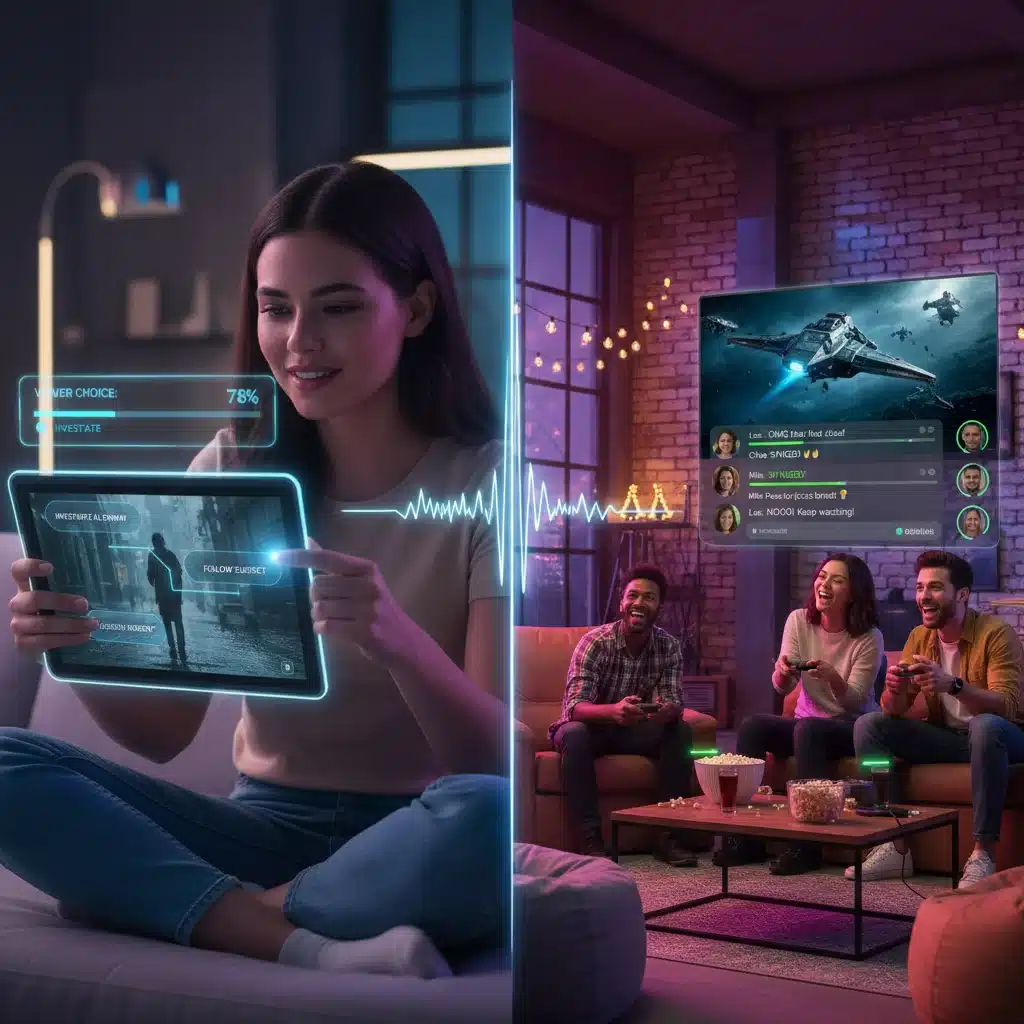
- Interactivity and Gamification: Viewers will move from passive consumption to active participation. This includes choosing plotlines, participating in polls, competing in quizzes related to shows, and engaging in real-time events. Gamified elements will reward engagement and foster community.
- Spatial Computing & Metaverse Integration: While a full-blown metaverse might still be nascent, expect streaming services to lay the groundwork. This could mean virtual watch parties where avatars interact in a shared digital space, virtual merchandise stores, or even accessing content within 3D virtual environments.
- Seamless Cross-Platform Experiences: Content will flow effortlessly between devices – from your smart TV to your phone, tablet, and even car entertainment systems. Progress will sync instantly, and viewing preferences will follow you wherever you go.
- Subscription Flexibility: The era of one-size-fits-all subscriptions is fading. Expect more tiered options, micro-subscriptions, and bundled packages that allow consumers to pay only for what they truly want, potentially even integrating with other digital services beyond entertainment.
- Enhanced Accessibility: AI will dramatically improve accessibility features, offering more sophisticated real-time translation, personalized captioning styles, and audio descriptions that adapt to individual needs, making content truly universal.
Challenges and Opportunities for Future Streaming Services
The road to 2026 isn’t without its hurdles. Content production costs are soaring, leading to a constant need for services to justify their value proposition. The battle against password sharing will intensify, as will the need to find a balance between ad revenue and user experience in ad-supported tiers. Data privacy and security will also become even more critical as services collect more granular information about user habits.
However, the opportunities are immense. The global market for streaming is still growing, particularly in emerging economies. The ability to create truly unique, personalized, and interactive experiences will be a powerful differentiator. Furthermore, the integration of new technologies like AI, AR, and VR opens up entirely new revenue streams and forms of content that are yet to be fully explored. The services that can master these challenges and capitalize on these opportunities will be the ones that thrive.
Conclusion: A New Era of Entertainment Awaits
The future streaming services promise a viewing experience far beyond anything we’ve known. By 2026, expect a landscape dominated by hyper-personalized content, deeply immersive experiences, and unprecedented levels of interactivity. Netflix will lead with AI-driven engagement, Disney+ will transport us into its iconic universes, Max will redefine premium access, Prime Video will integrate entertainment into our daily lives, and Peacock will innovate with flexible models and targeted content.
As consumers, we stand on the cusp of an exciting new era where our entertainment is not just delivered to us, but actively shaped by our preferences, moods, and even our direct input. The evolution of streaming is a testament to human ingenuity and the relentless pursuit of more engaging, more personal, and ultimately, more magical ways to tell stories. Get ready to press play on a future that’s more dynamic and enthralling than ever before.