Navigating the Modern World: Your Essential Playbook for Digital Engagement

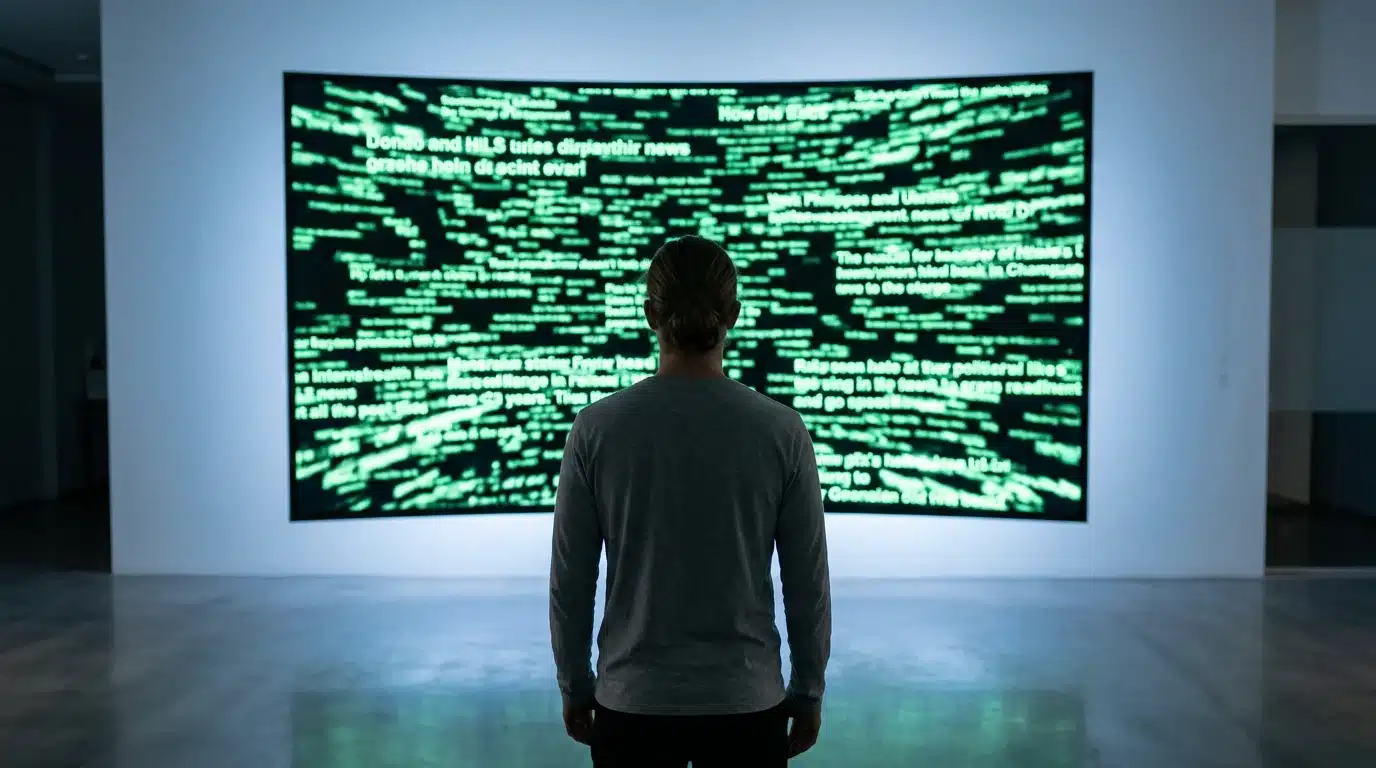
You scroll through your phone, absorbing headlines, notifications, and social media updates, feeling simultaneously connected to everything and overwhelmed by it all. It’s the great paradox of our time: we have access to more information than any generation in history, yet deep understanding often feels more elusive than ever. The sensation is less like drinking from a fountain of knowledge and more like trying to take a sip from a firehose, leaving us saturated but not nourished.
This phenomenon, known as information overload, isn’t just a personal inconvenience; it’s a profound societal challenge with real cognitive consequences. The constant barrage of data increases our cognitive load, making it difficult to engage in critical thinking and nuanced analysis. As our brains default to mental shortcuts to cope, we become more vulnerable to misinformation and the subtle influence of algorithms designed to capture our attention, not necessarily to inform us. This isn’t just about feeling distracted; it’s about how our digital environment is actively reshaping our perception of the world.
So, how can we navigate this complex landscape without simply disconnecting? This guide serves as your primary playbook, moving beyond simplistic ‘digital detox’ advice to offer a sustainable framework for mindful engagement. We will explore how to decode the modern information ecosystem, from the 24/7 news cycle to the power of social media trends. You’ll discover practical strategies for curating your information diet, leveraging tools to filter out the noise, and establishing digital boundaries that protect your mental clarity and well-being. It’s time to move from being a passive consumer to an active architect of your digital life.
Decoding the Digital Landscape: Understanding Information Overload
You wake up, grab your phone, and within minutes you’ve scrolled through international headlines, local news alerts, and a dozen social media updates. This constant stream of data is a defining feature of modern life. A recent study from the University of California, San Diego suggests the average person consumes over 34 gigabytes of information daily — a staggering amount that would have been unimaginable just a few decades ago. This relentless flow creates a phenomenon known as information overload, where our ability to process and comprehend events becomes impaired.
It feels like trying to take a sip of water from a firehose.
The Constant News Cycle: Friend or Foe?
The 24/7 news cycle promises to keep us perpetually informed, which seems like a clear benefit. We have instant access to events as they unfold across the globe. But this immediate access comes with a hidden cost. The sheer volume can lead to anxiety and a distorted view of the world, as negative or sensational stories are often amplified by algorithms. The underrated factor here is how this constant barrage influences our perception, subtly shaping what we believe to be true without us even realizing it.
Our brains simply aren’t built for this level of input. Dr. Lena Petrov, a cognitive scientist at the Global Neuroscience Institute, explains that excessive information dramatically increases our “cognitive load.” She states, “When cognitive load is high, our capacity for critical thinking and deep analysis plummets. We default to mental shortcuts, making us more susceptible to misinformation and less able to make nuanced judgments.” So what is the actual trade-off for this constant connectivity?
This situation forces us to skim headlines rather than read articles, consuming summaries instead of wrestling with complex ideas. It’s a bit like snacking on junk food all day instead of eating a proper meal; you feel full, but you’re not actually nourished. Developing strong digital literacy skills is no longer optional — it is the primary tool for navigating current affairs in an age of constant connectivity and making sense of it all.
The challenge, then, is not about disconnecting entirely (a nearly impossible task for most) but about learning how to filter the noise and find the signal. This requires a conscious shift in our consumption habits.
Crafting Your Digital Ecosystem: Tools for Focused Engagement
After acknowledging the sheer volume of information coming at us daily, the next logical step is to build a better filter. Think of it like being a chef in your own kitchen; you wouldn’t just throw every ingredient you find into a pot. You carefully select high-quality items that work together. Building your digital information diet requires the same deliberate curation.
The goal isn’t to block out the world, but to engage with it on your own terms. This means consciously choosing what enters your field of view and what doesn’t. It’s about moving from a passive consumer to an active participant in your own information intake.
Selecting Your Information Sources Wisely
The foundation of a healthy digital ecosystem is the quality of your sources. A mix of established news organizations with strong editorial standards, independent journalists with proven track records, and niche publications that offer deep expertise is a great start. It’s also helpful to distinguish between primary sources (like official reports or direct quotes) and the commentary built around them. Pay attention to how different outlets frame the same event; this practice alone reveals a lot about potential bias and how technology shapes global narratives.
But how do you keep track of them all without visiting dozens of websites a day? This is where news aggregators and RSS readers become required. Instead of letting algorithms on social media platforms decide what you see, you are in control. You subscribe directly to the sources you trust, creating a single, streamlined feed of content that matters to you.
Leveraging AI for Personalized News Feeds
Many modern tools use AI to help you discover new sources based on your interests, but the key is to find one that offers transparency and control. While a Pew Research Center report indicates that a majority of adults get news from social media, dedicated aggregators offer a more focused experience. They are designed to serve you content, not to keep you scrolling endlessly for engagement.
Choosing the right tool depends entirely on your needs. Are you a casual reader looking for a beautiful interface, or a researcher who needs powerful filtering options? Here’s a breakdown of a few popular choices:
| Tool | Best For | Pros | Cons |
|---|---|---|---|
| Feedly | The Power User | Highly customizable; integrates with many other apps; powerful AI assistant (“Leo”) for filtering. | The best features are behind a paywall; can feel overwhelming for beginners. |
| The Visual Browser | Magazine-style layout is visually appealing; easy to set up and browse topics. | Less control over specific sources; more algorithmic and can feel like a social media feed. | |
| Inoreader | The Researcher | Excellent free tier; allows for complex rule-based filtering and monitoring of keywords. | The interface is more functional than beautiful; can be complex to master. |
The underrated factor here is finding a tool that fits your workflow, not forcing yourself to adapt to a popular but clunky app. Experiment with a few free trials to see what feels right. Your goal is to find a system that reduces the noise, preventing you from falling into the algorithmic echo chamber that can quietly shape opinions.
Mindful Consumption: Setting Digital Boundaries
Having the right tools is only half the battle. You also need to establish habits that protect your focus and mental well-being. This isn’t about a “digital detox” — a concept that often leads to binging afterward. Instead, it’s about mindful integration.
Start by setting specific times for checking the news, just as you would schedule a meeting. For instance, you might check your aggregator for 20 minutes in the morning and 20 minutes in the evening, rather than reacting to push notifications all day. Using your phone’s built-in focus modes or screen time limiters can be surprisingly effective for enforcing these boundaries. Many people find that turning off all notifications from news and social media apps is the single most impactful change they can make.
Ultimately, a well-crafted digital ecosystem reflects a conscious choice about how your digital life interacts with global events. It acknowledges that your attention is a finite and valuable resource, and it puts you in the driver’s seat for how that resource is spent.
When cognitive load is high, our capacity for critical thinking and deep analysis plummets. We default to mental shortcuts, making us more susceptible to misinformation and less able to make nuanced judgments.
— Dr. Lena Petrov, Cognitive Scientist at the Global Neuroscience Institute
| Strategy Category | Key Action | Expected Outcome |
|---|---|---|
| Information Curation | Use RSS readers (e.g., Feedly) to subscribe directly to trusted sources. | A controlled, algorithm-free news feed that reduces noise and sensationalism. |
| Boundary Setting | Schedule specific ‘check-in’ times for news/social media and disable non-essential notifications. | Reduced anxiety and fewer interruptions, allowing for deeper focus on other tasks. |
| Mindful Engagement | Practice single-tasking by closing extra tabs and focusing on one piece of content at a time. | Improved comprehension and retention of information; less mental fragmentation. |
| Privacy Hygiene | Regularly review app permissions and use private browsing for sensitive searches. | Greater peace of mind and reduced cognitive load from background anxiety about data tracking. |
Navigating Societal Shifts: Identifying Key Trends and Their Drivers
Understanding major societal changes often feels like trying to predict the weather without any instruments. But the truth is, these shifts rarely happen in a vacuum. They are frequently driven by technological advancements that alter how we communicate, work, and organize. Think of it like a commuter train; once a new, faster line is built, people’s daily habits and even where they choose to live begin to change around it. The rise of remote work, for instance, wasn’t just a response to a global event but an acceleration of a trend already made possible by high-speed internet and collaboration software.
To spot these trends, you have to look at the intersection of technology and human behavior. A recent case study is the #GreenCityNow movement, a local environmental initiative that started with a single viral video. The campaign used targeted social media ads and a simple, shareable hashtag to organize city-wide cleanups, eventually pressuring local government into passing new recycling legislation. According to a Stanford Social Innovation Review report, campaigns using such digital-first tactics see a 43% higher engagement rate from younger demographics. This highlights how technology reshapes current affairs and empowers collective action.
The underrated factor here is the speed at which these digitally-fueled movements can grow. What once took years of grassroots organizing can now achieve critical mass in a matter of weeks (or even days). Does this mean every online trend becomes a lasting societal shift? Of course not. But it does mean that the forces shaping global narratives operate on a much faster timeline, requiring us to pay closer attention to the digital currents that precede the real-world waves.
Practical Strategies for Digital Wellbeing and Mental Clarity
Living in this era of constant connectivity can feel like trying to have a quiet conversation in the middle of a rock concert. The constant pings, notifications, and endless scrolls contribute to a state of digital overload that drains focus and frays nerves. But taking back control doesn’t require a dramatic escape to a remote cabin without Wi-Fi. It’s about building smarter, more intentional habits.
The goal is to use technology as a tool, not let it become the master of your attention. Surprisingly, what many people miss is that digital wellbeing isn’t about total abstinence; it’s about mindful engagement. It’s about setting boundaries that work for you. Simple changes can make a huge difference.
The Art of the Digital Detox
The term “digital detox” often sounds extreme, but a practical version is much more achievable. Think of it less like a crash diet and more like building a sustainable, healthy eating plan for your brain. It starts with creating intentional friction between you and your devices. A study from the University of California, Irvine, found it can take over 23 minutes to refocus after a digital interruption, highlighting the high cost of a single notification.
A great first step is scheduling your screen time. Instead of reacting to every buzz, you decide when to engage. This puts you back in the driver’s seat. Here are a few small habits that have a big impact:
- Establish Tech-Free Zones: Make the dinner table or the bedroom a phone-free area. This simple rule helps reconnect with people in the physical world and improves sleep quality.
- Turn Off Non-required Notifications: Do you really need to know immediately when someone likes your post from three days ago? Go into your settings and disable alerts for social media, games, and shopping apps. Keep only the essentials, like calls or messages from key contacts.
- Schedule “Check-In” Times: Designate specific times—say, 15 minutes after breakfast and 15 minutes after work—to check emails and social media. Outside of these windows, keep those apps closed.
Mindfulness in a Connected World
Beyond simply reducing screen time, you can also change how you interact with technology. Practicing mindfulness in the digital sphere means paying full attention to one task at a time. This means closing those 27 browser tabs you have open—yes, we all do it—and focusing on a single activity. When you read an article, just read the article. When you watch a video, just watch the video. It sounds simple, but it’s a powerful way to combat the mental fragmentation caused by multitasking.
This approach also requires you to be a more conscious consumer of information. Before clicking on a headline or diving down a rabbit hole, ask yourself: “Is this genuinely useful or just a distraction?” Understanding the influence of algorithmic echo chambers is critical here, as platforms are designed to keep you clicking, not necessarily informed. By making a conscious choice, you reclaim your agency from the algorithm.
Protecting Your Privacy: required Digital Habits
A significant, yet often overlooked, part of mental clarity is feeling secure online. Constant low-grade anxiety about data breaches and surveillance adds to our cognitive load. Strengthening your digital privacy isn’t just a technical task; it’s a form of mental self-care. Many of the tools that track us are enabled by default settings we never think to question.
Taking a few minutes to conduct a quick privacy check-up can alleviate this background stress. Consider it digital hygiene, just as important as clearing your cache. Here are some primary habits:
- Regularly Review App Permissions: On your smartphone, check which apps have access to your microphone, camera, location, and contacts. Does that simple game really need to know your location? Revoke permissions that aren’t necessary for the app’s function.
- Use Private Browsing with Purpose: Use incognito or private browsing modes for sensitive searches to prevent them from being tied to your main profile. For even greater protection, consider browsers focused on privacy.
- Be Skeptical of “Free” Services: Always remember the adage: if you’re not paying for the product, you are the product. Be mindful of the personal information you trade for access to free platforms, as this is central to how technology reshapes societal norms and economies.
These personal strategies provide a strong defense against digital overload, but the landscape is constantly changing. The real test will be adapting these habits as technology continues to integrate even more deeply into our lives.
From Observer to Participant: Engaging Responsibly in Digital Discourse
Moving beyond simply consuming content to actively participating in online conversations is a major step. It’s the difference between watching a game from the stands and getting on the field. Suddenly, your actions have consequences, influencing the tone and direction of the discussion. This transition requires a conscious commitment to digital citizenship, an idea that’s become necessary for navigating online spaces without contributing to the noise and division.
Many people mistake digital participation for just having an opinion. The underrated factor here is the responsibility that comes with it. Dr. Anya Sharma, a researcher at the Stanford Social Media Lab, defines it simply: “Digital citizenship is about recognizing that our virtual interactions have real-world impact. It’s the practice of ethical, respectful, and safe engagement within any online community.” It’s a simple but powerful idea.
Adopting this mindset changes how you interact. Before jumping into a debate about how technology reshapes global current affairs, consider a few ground rules for constructive engagement:
- Read to understand, not just to reply. Absorb the original point and the comments that follow before formulating your own response.
- Focus on the argument, not the person. Avoid ad hominem attacks. Challenge the idea, not the individual’s character or intelligence.
- Acknowledge valid points from others. Conceding a point doesn’t mean you lose the argument; it shows you’re engaging in good faith.
This approach helps prevent discussions from spiraling into unproductive shouting matches, which is especially important given how digital life shapes societal consensus by often rewarding the loudest voices.
Fact-Checking in the Age of Misinformation
One of the biggest hurdles to responsible online discourse is the sheer volume of misinformation. Emotionally charged headlines and shocking claims are designed to be shared instantly, often bypassing our critical thinking. A well-known study from the MIT Initiative on the Digital Economy revealed that false stories on social media are about 70% more likely to be shared than true ones. Why? Because they are often more novel and surprising.
This makes personal fact-checking a non-negotiable skill. It’s like being your own quality control inspector before you pass something along. Before you share that compelling post, take a moment to investigate. Look at the source of the information—is it a reputable news organization or a personal blog with a clear bias? Search for other outlets reporting the same story, as corroboration is a key sign of validity.
Websites like PolitiFact, Snopes, and the AP Fact Check provide dedicated resources for verifying claims. Taking these extra 30 seconds can be the difference between adding to a constructive conversation and amplifying harmful falsehoods, a critical skill when considering tech’s role in shaping global narratives. Your individual credibility, and the health of the entire digital ecosystem, depends on these small acts of due diligence.
Looking Ahead: Future-Proofing Your Digital Acumen
The digital landscape changes faster than fashion trends. What feels like a permanent fixture today can become obsolete tomorrow. This constant evolution makes continuous learning not just a good habit, but an required survival skill for modern life. It’s less about becoming an expert in every new app and more about developing a flexible mindset. Think of it like a commuter adjusting their route for unexpected traffic; you don’t need to know every backroad, just how to find a new path when needed.
Staying informed doesn’t have to be a full-time job. The key is to build small, consistent habits. Following a few trusted tech journalists on social media or subscribing to a weekly digest can keep you aware of major shifts. According to a recent report from Forrester Research, the average professional is exposed to over 15 new digital tools annually through their work alone. The underrated factor here is not mastering all of them, but understanding the broader trends they represent and how technology reshapes societal norms. How do you decide what’s worth your attention?
The goal is to cultivate curiosity and adaptability.
Experiment with one new platform or tool each quarter, focusing on those that seem relevant to your interests or profession. This hands-on approach provides a much deeper understanding than just reading about tomorrow’s digital frontier. It also helps you discern hype from genuine utility — a critical skill when navigating a world full of digital noise and the influence of the algorithmic echo chamber. Ultimately, future-proofing your digital acumen is about staying engaged and open to change, ensuring you remain a capable participant, not just a passive observer.
The Next Frontier: From Digital Literacy to Digital Wisdom
Mastering the strategies in this playbook marks a important step toward reclaiming your focus and achieving mental clarity. the digital landscape is not static. As we adapt, so do the technologies that demand our attention. The next great challenge is already on the horizon: the proliferation of advanced AI-generated content, deepfakes, and hyper-personalized realities that will test our discernment in ways we are only beginning to imagine. Our current digital literacy skills will need to evolve into a deeper form of digital wisdom.
This evolution raises a underlying question about our shared future. How much of the responsibility for navigating this complex world should fall on the individual, and how much should be demanded of the platforms that design these immersive, often manipulative, environments? As we each work to build our personal fortresses of focus, the larger conversation about architectural accountability and ethical design in technology has never been more critical.
Frequently Asked Questions
How can I effectively filter news in a world of constant updates?
To effectively filter news, shift from passive scrolling on social media to active curation. Use an RSS aggregator like Feedly or Inoreader to create a personalized feed of sources you trust. schedule specific, limited times each day for checking news to prevent constant interruptions and information overload.
What are the best apps or tools for managing screen time and digital distractions?
Start with the tools built into your phone, such as Apple’s ‘Screen Time’ or Google’s ‘Digital Wellbeing,’ to set limits on specific apps. For more strong control, apps like Forest gamify focus by growing a virtual tree when you stay off your phone, while Freedom allows you to block distracting websites and apps across all your devices simultaneously.
How can I distinguish reliable news sources from misinformation online?
Distinguishing reliable sources involves a few key steps. Look for organizations with clear editorial standards, a history of corrections, and named authors. Cross-reference claims with multiple, independent sources, especially for major events. Be wary of emotionally charged headlines and websites that lack professional contact information or an ‘About Us’ section.
What role do social media algorithms play in shaping my understanding of current events?
Social media algorithms personalize your feed based on your past engagement (likes, shares, comments). This can create a ‘filter bubble’ or ‘echo chamber’ where you primarily see content that confirms your existing beliefs, limiting exposure to diverse perspectives. This process can inadvertently distort your perception of public opinion and the complexity of current events.
How can I contribute to online discussions about current affairs respectfully and constructively?
To contribute constructively, focus your arguments on the topic, not the person you’re debating. Ask clarifying questions to understand their perspective rather than immediately trying to rebut it. It’s also notable to know when to disengage from a conversation that is unproductive or being conducted in bad faith.