The Interwoven Web: How Digital Life Reshapes Global Current Affairs
Our lives are increasingly tethered to the digital realm, a transformation that has fundamentally reshaped global current affairs. From the immediate spread of breaking news to the intricate dance of international diplomacy, digital life is no longer a mere adjunct to reality; it is an integral force. This pervasive connectivity has blurred traditional boundaries, creating a world where a tweet can spark a revolution and a cyberattack can trigger geopolitical tensions. Understanding this interwoven web is important for anyone seeking to comprehend the complexities of the modern world.
The rapid evolution of digital technologies, from social media platforms to advanced AI, has created both exceptional opportunities and significant challenges. Information now travels at the speed of light, enabling global conversations and collective action on a scale previously unimaginable. Yet, this same speed facilitates the rapid dissemination of misinformation and disinformation, posing existential threats to democratic processes and societal cohesion. The digital landscape is a dynamic battleground where truth, influence, and power are constantly contested.
This article delves into how digital life is reshaping global current affairs across multiple dimensions. We will explore the role of social media as a catalyst for discourse and mobilization, examine the ongoing information warfare that challenges our perception of truth, and analyze the economic currents driven by digital innovation that are shifting geopolitical power. we will consider the profound impact on the human element, including mental health and social fabric, before looking ahead at emerging tech trends like AI and the metaverse that promise to redefine our future realities.
The Digital Agora: Social Media as a Catalyst for Global Discourse
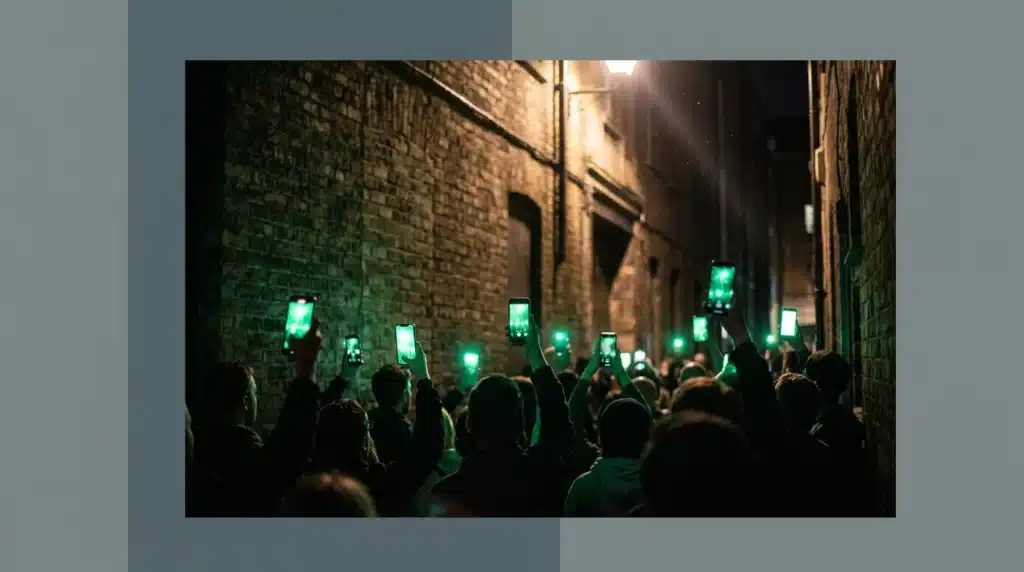
Social media platforms now act as the world’s most sprawling public squares, fundamentally altering how global discourse unfolds. They’ve become primary arenas where public opinion forms and collective action sparks, often with startling speed. What most people miss is how these digital spaces, once seen merely as communication tools, now dictate political narratives and societal shifts. These platforms enable conversations that transcend geographical boundaries. They allow for an immediate exchange of ideas, — a kind of intellectual fusion — fostering connections among disparate groups. This connectivity, isn’t always benign; it presents both historic opportunities and significant challenges for shaping our collective future.
From Hashtags to Movements: Case Studies in Digital Mobilization
Consider the impact of digital activism on recent historical events. The #BlackLivesMatter movement, for instance, gained international traction through social media, transforming local grievances into a global outcry for justice. This widespread digital visibility amplified voices that might otherwise have been marginalized. Another compelling example is the #MeToo movement, which exposed systemic issues of sexual harassment and assault across industries worldwide. These digital campaigns demonstrated the power of collective testimony, empowering individuals to share their experiences and demand accountability. Dr. Maya Shankar, a cognitive scientist and expert on behavioral economics, points out that “the psychological safety of anonymity, combined with the viral potential of online sharing, creates a powerful feedback loop for social movements.” She published these findings in her recent study on digital collective action.
The Double-Edged Sword: Benefits and Pitfalls of Online Public Spheres
While social media can mobilize millions, its influence carries significant risks. Disinformation spreads at an alarming rate, often outcompeting factual reporting for attention. A recent study by MIT found that false news stories are 70% more likely to be retweeted than true stories, and they reach their first 1,500 people six times faster. How do we distinguish truth from fabrication in such a noisy environment? the echo chamber effect, where individuals are primarily exposed to information confirming their existing beliefs, fragments public discourse. This can harden ideological lines and make consensus-building difficult. Navigating the complexities of current affairs in the age of constant digital connectivity demands a critical eye and a commitment to diverse information sources. The challenge lies in harnessing the platforms’ connective power while mitigating their divisive tendencies.
Information Warfare: The Battle for Truth in a Connected World
The digital age promised unparalleled access to information, yet it also ushered in an era where truth itself became a battleground. What happens when the lines between fact and fabrication blur beyond recognition? The spread of false narratives now poses a direct threat to democratic processes and societal stability.
Anatomy of Deception: Disinformation vs. Misinformation
Understanding the enemy is the first step in any conflict. Many often conflate “misinformation” with “disinformation,” but their distinction is important for effective counter-strategies. Misinformation refers to false or inaccurate information spread regardless of intent; it’s often shared innocently. Conversely, disinformation is deliberately fabricated and disseminated with the explicit intent to deceive, manipulate, or cause harm. It’s a calculated strike. Consider the 2016 US presidential election, where a significant portion of online content was later identified as disinformation originating from state-sponsored actors, according to a Senate Intelligence Committee report. This wasn’t merely accidental sharing of incorrect news. These campaigns were designed to influence public opinion and sow discord, — a classic information warfare tactic. The average American encountered between one and three pieces of fake news during the month before the election, changing perceptions in subtle yet significant ways.
| Characteristic | Misinformation | Disinformation |
|---|---|---|
| Intent | Unintentional, often shared unknowingly | Deliberate, intended to deceive or manipulate |
| Origin | Varied; can be from genuine mistakes or misunderstandings | Coordinated; often from state actors, political groups, or malicious entities |
| Impact | Can erode trust, cause confusion | Can incite violence, disrupt elections, polarize societies |
| Example | Sharing an outdated news report without checking the date | Creating fake social media accounts to spread false narratives about a political candidate |
The Threat of Synthesized Realities: AI and Deepfakes
The advent of artificial intelligence complicates this landscape further. AI-driven technologies, particularly deepfakes, represent a frightening evolution in deception. These synthesized media can create incredibly convincing videos, audio, and images of individuals saying or doing things they never did. The implications are staggering. Imagine a deepfake video of a national leader declaring war or announcing a financial crisis. Such content, if released at a critical moment, could trigger real-world panic and instability. A 2023 study by Sensity AI indicated a 900% increase in deepfake incidents over the past two years, with political figures and journalists increasingly becoming targets. This isn’t science fiction; it’s a current threat to global stability and a significant challenge for those navigating the digital tides. How do we distinguish manufactured reality from authentic events?
Building Resilience: Strategies for Digital Media Literacy
Combating information warfare isn’t solely the responsibility of tech companies or governments. Individual media literacy is our best defense. It’s about equipping ourselves with the critical thinking skills to dissect online content. For example, Dr. Joan Donovan, research director at Harvard Kennedy School’s Shorenstein Center, advocates for “pre-bunking” — educating the public about common disinformation tactics before they encounter them. Practical strategies include cross-referencing information with multiple reputable sources, scrutinizing headlines for sensationalism, and understanding the financial or political motivations behind content creation. Learning to identify manipulated images or videos through reverse image searches and fact-checking tools can significantly reduce susceptibility. Ultimately, our collective ability to question, verify, and critically analyze the information we consume determines the future of truth in this connected world. Will we succumb to manufactured realities, or will we arm ourselves with discernment?
The psychological safety of anonymity, combined with the viral potential of online sharing, creates a powerful feedback loop for social movements.
— Dr. Maya Shankar, Cognitive Scientist
| Aspect of Digital Life | Impact on Global Current Affairs | Key Challenges |
|---|---|---|
| Social Media | Catalyst for global discourse and mobilization; rapid spread of information | Disinformation, echo chambers, polarization |
| Information Warfare | Battle for truth; influence on democratic processes | Deepfakes, misinformation, erosion of trust |
| Digital Economy | Reshaping geopolitical power; influence of tech giants | Data sovereignty, cybercrime, economic disparities |
| Human Element | Paradox of connectivity vs. isolation; impact on mental health | Online identity pressures, cyberbullying, superficial connections |
| Emerging Tech (AI, Metaverse) | Ethical dilemmas, new realities, societal shifts | Bias in AI, governance of virtual spaces, job market disruption |
Economic Currents: Digital Innovation and Geopolitical Power Shifts
The digital economy now fundamentally reshapes global power dynamics, a shift few anticipated a decade ago. What most people miss is how digital currencies, for example, are challenging traditional financial hegemonies, forcing nations to reconsider their monetary sovereignty. This seismic change is not just about transactions; it reflects a deeper struggle for economic control. Tech giants, once seen primarily as innovators, now wield influence comparable to nation-states, driving both economic growth and geopolitical friction. Consider Apple’s market capitalization, which exceeded the GDP of several G7 nations in recent periods—a stunning data point that highlights their immense financial muscle. Such concentrations of power inevitably reshape global trade agreements and influence international policy. Are these corporations the new colonial powers? Data sovereignty emerges as another critical battleground, with nations vying for control over their citizens’ digital information. Estonia, surprisingly, pioneered digital residency for non-citizens, creating a unique model for data governance. This concept of data as a national resource, much like oil or minerals, fuels new legislative efforts and sparks international disputes over data localization and cross-border transfers. Cybersecurity, remains the most immediate and dangerous arena in this digital-geopolitical landscape. The estimated global cost of cybercrime is projected to hit $10.5 trillion annually by 2025, according to Cybersecurity Ventures—a staggering figure that dwarfs many national defense budgets. This constant threat forces alliances and drives defense spending, creating an unseen arms race in the digital realm. The implications for national security are profound.
The Human Element: Mental Health and Social Fabric in the Digital Age
Connectivity vs. Isolation: The Paradox of Digital Relationships
Digital platforms promised to bring us closer, yet the reality is often a stark contrast. We collect hundreds of online “friends” while physical isolation quietly intensifies for many. What does this constant, yet often superficial, interaction do to our psyche? The data suggests a troubling trend: a 2022 study by the Pew Research Center indicated that 53% of adults aged 18-29 reported feelings of loneliness, with a significant portion attributing it to social media use. This isn’t just about screen time; it’s about the quality of connection. Dr. Jean Twenge, a psychology professor at San Diego State University, frequently highlights how the rise of smartphone usage correlates with decreased in-person social activities among adolescents. It’s like having an enormous address book but rarely picking up the phone for a real conversation. Despite these concerns, digital tools can also foster strong community bonds. Support groups for rare diseases, for example, thrive online, providing solace and information that might be inaccessible locally. A parent searching for advice on a child’s specific learning disability often finds a global network of understanding instantly. This dual nature means we must look beyond simplistic narratives when discussing digital well-being; the picture is far more nuanced.
Navigating Online Identities and Their Real-World Repercussions
Our online personas, meticulously curated and endlessly refined, rarely mirror the messiness of our actual lives. This curated self creates a constant pressure for perfection, distorting self-perception. But what happens when the digital self clashes with reality? The discrepancies between online projections and offline experiences can fuel anxiety and depression, particularly among younger demographics. Consider the phenomenon of “Finsta” (fake Instagram) accounts, where individuals maintain a less polished, more authentic presence for a select few. This highlights the psychological toll of performing for a wider, often judgmental, audience. A recent report by the American Psychological Association found that teenagers who spend more than three hours daily on social media are at a heightened risk for mental health problems. Navigating the digital tides means understanding these invisible pressures. the line between online and offline identity blurs with serious consequences, as evidenced by incidents of cyberbullying escalating into real-world harm. Our digital footprint, once thought of as ephemeral, is now an enduring record that can influence everything from employment opportunities to social standing. How do we teach resilience in a world where every misstep can be immortalized and weaponized? The challenge lies in cultivating an authentic self that can withstand the relentless gaze of the internet while still benefiting from genuine digital connectivity.
Anticipating Tomorrow: Emerging Tech Trends and Future Societal Shifts
The digital currents never cease, do they? What happens when today’s cutting-edge becomes tomorrow’s norm, pushing society into uncharted territory? We are on the cusp of transformative technological shifts, far beyond simple app updates or faster internet speeds. These advancements, particularly in artificial intelligence, virtual environments, and quantum computing, demand our immediate attention. Ignoring these seismic shifts would be a grave oversight for any observer of current affairs.
The AI Frontier: Ethical Dilemmas and Governance
Artificial intelligence is not just getting smarter; it’s becoming integrated into the very fabric of our decision-making systems. Consider the implications when AI algorithms determine credit scores, judicial recommendations, or even military responses. What happens when these opaque systems inherit biases, or worse, develop emergent behaviors beyond human comprehension? A recent study by the AI Now Institute at New York University revealed that 85% of AI professionals believe ethical considerations are inadequately addressed in current development cycles. This figure is staggering. We’re building powerful tools without a clear ethical roadmap. Dr. Fei-Fei Li, co-director of Stanford’s Institute for Human-Centered AI, has repeatedly warned about the “human element” being lost in the rush for technical progress. Her concern is that we risk automating away our humanity if we don’t prioritize ethical design. It’s not just about what AI can do, but what it *should* do.
Beyond the Screen: The Metaverse and New Realities
The concept of the metaverse, while still nascent, promises — or threatens, depending on your perspective — to blur the lines between physical and digital existence. Imagine persistent, shared virtual spaces where work, social interaction, and commerce occur seamlessly. This isn’t merely an upgrade to video calls; it’s a basic reimagining of our daily lives. Will these virtual worlds foster deeper connections, or will they create new forms of social isolation and economic disparity? Early indicators suggest a complex future. Companies like Roblox already report millions of daily active users, many spending hours in virtual environments, creating and trading digital assets. The economic activity within these platforms reached an estimated $6.5 billion in a recent period, according to industry reports. This emerging digital economy, with its own currencies and property rights, raises profound questions about governance, taxation, and individual sovereignty within these virtual realms. For more on how digital life affects our daily interactions, you might consider Navigating the Digital Tides: Current Affairs in the Age of Constant Connectivity.
Preparing for the Next Wave: Policy and Individual Readiness
The rapid pace of technological change often outstrips our ability to adapt, both individually and collectively. Policymakers face the unenviable task of regulating technologies that are still being invented, while citizens grapple with the social and psychological impacts. It’s like trying to build a bridge while the river beneath it is constantly changing course. What most people miss is that the onus isn’t solely on governments. Individuals must cultivate digital literacy and critical thinking skills to discern truth from fiction in increasingly refined digital landscapes. We all need to become more resilient to the constant influx of information and persuasive technologies. Here’s a checklist of key considerations for the coming years:
- Regulatory Frameworks: Develop agile, internationally coordinated regulations for AI, data privacy, and digital economies.
- Ethical Guidelines: Establish clear, enforceable ethical standards for technology development, particularly in AI and biotechnology.
- Digital Education: Integrate detailed digital literacy and critical thinking into educational curricula at all levels.
- Infrastructure Investment: Ensure equitable access to advanced digital infrastructure to prevent widening societal divides.
- Psychological Preparedness: Research and address the mental health implications of immersive digital environments.
- Cybersecurity Protocols: Strengthen defenses against increasingly technical cyber threats targeting individuals and critical infrastructure.
The future isn’t a destination we arrive at; it’s a continuous construction project. Are we building it with foresight, or are we just reacting to the blueprints as they appear?
Navigating the Evolving Digital Frontier
As we stand at the precipice of further digital transformation, the questions we face are not merely technological but deeply philosophical and societal. Will humanity harness the immense power of digital connectivity to forge a more informed, equitable, and cohesive global community, or will we succumb to the divisive forces of misinformation, digital isolation, and algorithmic control? The answer lies not just in the advancements of technology itself, but in our collective capacity for critical thought, ethical governance, and a renewed commitment to genuine human connection in an increasingly virtual world. The future of current affairs will be defined by how we choose to engage with, regulate, and ultimately shape our digital destiny.
Frequently Asked Questions About Digital Life and Current Affairs
How has social media fundamentally changed political campaigning?
Social media has revolutionized political campaigning by enabling direct, unfiltered communication between candidates and voters, bypassing traditional media gatekeepers. It facilitates rapid mobilization of supporters, targeted advertising based on user data, and the viral spread of messages, significantly altering how political narratives are crafted and consumed.
What are the most effective ways individuals can combat misinformation online?
Individuals can combat misinformation by practicing critical media literacy: cross-referencing information with multiple reputable sources, scrutinizing sensational headlines, and checking for author credibility. Utilizing fact-checking websites and reverse image searches can also help verify content before sharing, thereby reducing the spread of false narratives.
Is the increasing reliance on digital technology widening or narrowing global inequalities?
The increasing reliance on digital technology presents a complex picture regarding global inequalities. While it can narrow gaps by providing access to education and economic opportunities in remote areas, it often widens them through the ‘digital divide,’ where lack of access to technology or digital literacy excludes significant populations, exacerbating existing disparities.
What role do governments play in regulating digital platforms and their impact on current events?
Governments play a multifaceted role in regulating digital platforms, ranging from enacting legislation on data privacy and content moderation to combating foreign interference and monopolies. Their actions aim to balance free speech with public safety, protect national security, and ensure fair competition, though approaches vary widely across different nations.
How might the rise of AI affect job markets and social stability in the coming decade?
The rise of AI is expected to significantly reshape job markets, automating routine tasks and creating new roles that require different skill sets. This transition could lead to job displacement in some sectors and increased productivity in others. Social stability may be affected by economic inequality if job transitions are not managed effectively, alongside ethical concerns around AI bias and autonomous systems.