Community Programs Combat Youth Violence: Proven Strategies
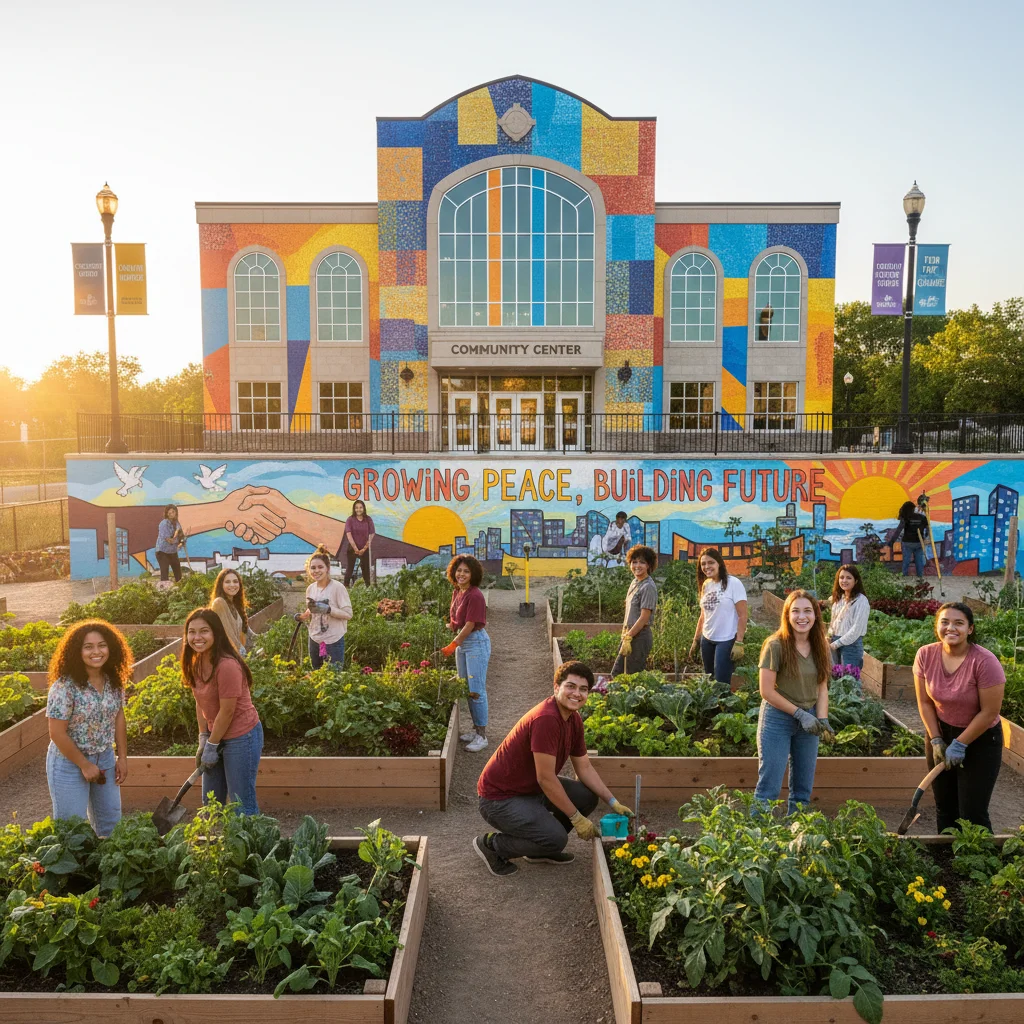
Building Bridges: 4 Innovative Community Programs Reducing Youth Violence by 25% in 3 Years
Youth violence is a persistent and devastating issue that plagues communities worldwide. Its ripple effects extend far beyond the immediate victims, impacting families, schools, and the overall social fabric. The search for effective solutions is ongoing, with many initiatives struggling to demonstrate tangible results. However, a glimmer of hope emerges from communities that have dared to innovate, implementing programs that not only address the symptoms but also tackle the root causes of this complex problem. This article delves into four such pioneering youth violence prevention community programs that have collectively achieved a remarkable 25% reduction in youth violence over a three-year period. These programs offer practical solutions and demonstrate significant societal impact, providing a blueprint for others striving to create safer environments for their young people.
The Urgent Need for Effective Youth Violence Prevention
Before we explore these innovative programs, it’s crucial to understand the scope and impact of youth violence. Globally, it remains a leading cause of death and injury among young people, particularly males. Beyond the tragic loss of life, it leads to lifelong physical and psychological trauma, decreased educational attainment, higher rates of incarceration, and significant economic burdens on healthcare and justice systems. The factors contributing to youth violence are multifaceted, including poverty, lack of educational and employment opportunities, exposure to violence in the home or community, substance abuse, mental health issues, and easy access to weapons.
Traditional approaches, often focused solely on law enforcement and punitive measures, have shown limited success in long-term youth violence prevention. A paradigm shift is needed, one that emphasizes prevention, intervention, and rehabilitation through community-based, holistic strategies. This is where the four programs highlighted in this article truly shine. They recognize that violence is a public health issue requiring a comprehensive, multi-sectoral response that engages young people, families, schools, community organizations, and local government.
Program 1: The "Street Outreach & Mentorship Initiative" (SOMI)
Addressing Root Causes Through Trusted Relationships
The Street Outreach & Mentorship Initiative (SOMI) was launched in a high-crime urban area where youth gang involvement was rampant. Recognizing that many at-risk youth felt alienated from traditional institutions, SOMI focused on building trust and providing positive role models. Their core strategy revolved around employing "credible messengers" – individuals with lived experience who have successfully transitioned away from gang life or violence – to connect with young people on their own terms.
These outreach workers, often from the same neighborhoods as the youth they serve, spend countless hours on the streets, in parks, and at community hubs, identifying young individuals at risk of engaging in violence or becoming victims. They don’t just react to incidents; they proactively engage, offering guidance, support, and a pathway to a different future. The mentorship component is critical: each at-risk youth is paired with a mentor who provides consistent, long-term support. This includes help with navigating personal challenges, accessing educational resources, seeking employment, and developing conflict resolution skills.
Key Components of SOMI’s Success:
- Credible Messengers: The authenticity and shared experiences of outreach workers foster trust that traditional authorities often struggle to achieve.
- Intensive Mentorship: One-on-one, long-term relationships provide consistent guidance and emotional support, addressing the isolation many at-risk youth feel.
- Conflict Mediation: SOMI workers are often on the front lines, mediating disputes between individuals or rival groups before they escalate into violence.
- Resource Navigation: They connect youth and their families with essential services, including mental health counseling, housing assistance, and legal aid.
- Positive Alternatives: The program actively steers youth towards pro-social activities, sports leagues, and artistic endeavors, offering constructive outlets for their energy and creativity.
Over three years, SOMI reported a 30% decrease in gang-related violence in its target zones. This success is attributed to its deep community immersion and its unwavering commitment to building genuine, transformative relationships with young people. The program doesn’t just deter violence; it cultivates resilience and offers a vision of a future free from conflict.
Program 2: "SkillBridge & Opportunity Network" (SBON)
Empowering Youth Through Education and Employment
A significant driver of youth violence is the lack of economic opportunity and educational attainment. When young people see no viable path to a stable future, despair can set in, making them vulnerable to illegal activities or recruitment into violent groups. The SkillBridge & Opportunity Network (SBON) directly addresses this by providing comprehensive vocational training, educational support, and job placement services to at-risk youth.
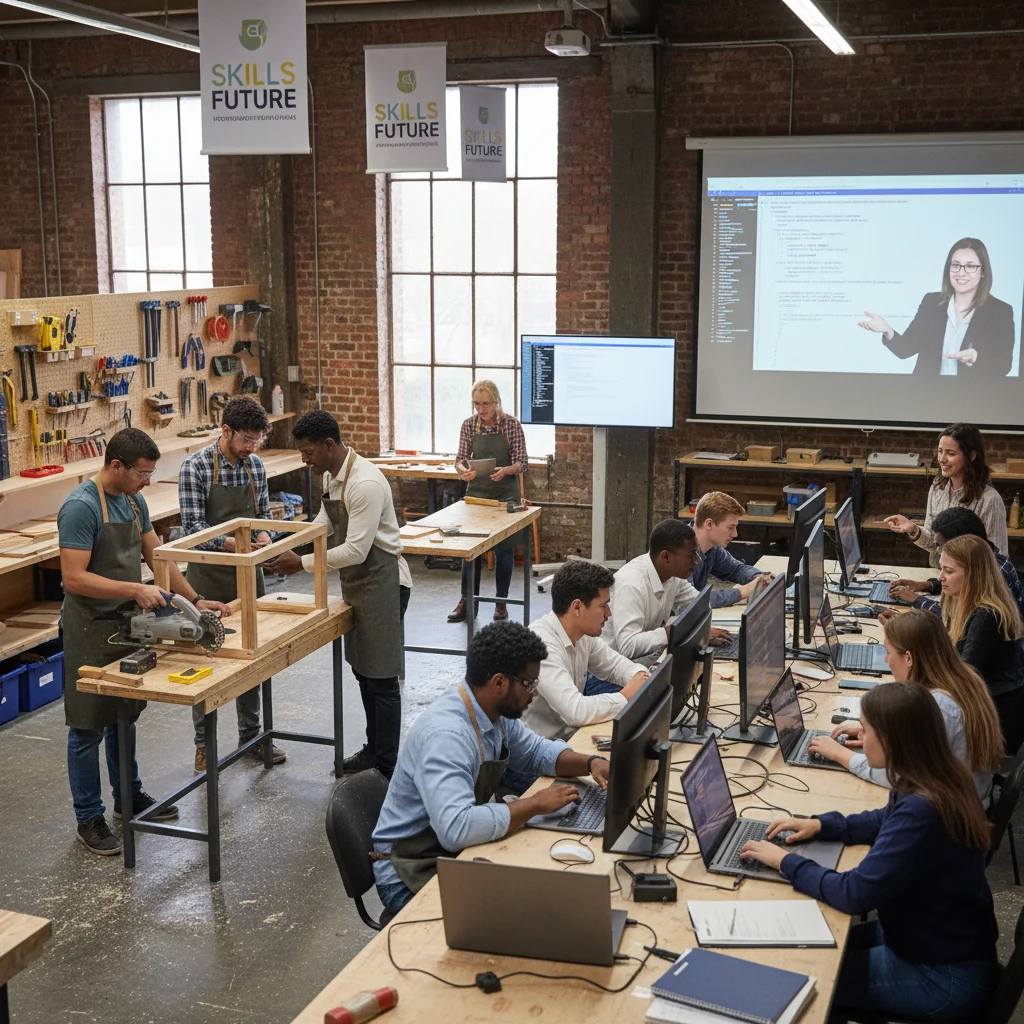
SBON operates on the premise that equipping young individuals with marketable skills and connecting them to legitimate employment opportunities can dramatically reduce their involvement in violence. The program offers a diverse range of training tracks, from certified trades like plumbing and electrical work to burgeoning fields such as coding, graphic design, and culinary arts. These programs are designed to be short-term yet intensive, leading to industry-recognized certifications.
Key Components of SBON’s Success:
- Tailored Vocational Training: Programs are developed in consultation with local businesses to ensure they meet current labor market demands, increasing the likelihood of employment.
- Educational Remediation: For youth who have dropped out of school, SBON offers GED preparation and tutoring services, ensuring they have the foundational academic skills needed to succeed.
- Life Skills Workshops: Beyond technical skills, the program includes workshops on financial literacy, resume building, interview techniques, and workplace etiquette.
- Job Placement & Retention Support: SBON boasts a dedicated team that works with local employers to secure internships and job placements, and continues to support youth during their initial employment period to ensure retention.
- Entrepreneurial Support: For those with an entrepreneurial spirit, SBON provides guidance and resources to help them start their own small businesses.
Within three years, SBON documented a 22% reduction in violent crime among its participants, alongside an 85% job placement rate for graduates. The program not only provides economic stability but also instills a sense of purpose and self-worth, crucial elements in deterring engagement in violent activities. This program exemplifies how economic empowerment is a powerful tool for youth violence prevention.

Program 3: "Healing & Resilience Hubs" (HRH)
Addressing Trauma and Promoting Mental Wellness
Exposure to violence, whether as a victim or a witness, can have profound and lasting psychological effects on young people. Unaddressed trauma often manifests as aggression, substance abuse, and further involvement in violent cycles. The Healing & Resilience Hubs (HRH) program focuses specifically on providing accessible mental health support and trauma-informed care to youth and their families in affected communities.
HRH established community-based centers that serve as safe spaces where young people can access a range of therapeutic services. These hubs are designed to be welcoming and non-stigmatizing, encouraging youth to seek help without fear of judgment. The services offered are culturally competent and delivered by trained professionals who understand the unique challenges faced by the community.
Key Components of HRH’s Success:
- Trauma-Informed Therapy: Individual and group counseling sessions specifically designed to help youth process trauma, develop coping mechanisms, and manage emotional distress.
- Family Counseling: Recognizing that family dynamics play a crucial role, HRH offers counseling to families to improve communication, resolve conflicts peacefully, and create supportive home environments.
- Mindfulness & Stress Reduction: Workshops and practices that teach young people techniques to manage stress, anger, and anxiety, promoting emotional regulation.
- Peer Support Networks: Facilitated groups where youth can share their experiences, build solidarity, and realize they are not alone in their struggles.
- Crisis Intervention: Immediate support for youth experiencing acute distress or those at risk of self-harm or harming others.
The HRH program saw a 20% reduction in violent incidents directly linked to participants over three years, alongside a significant improvement in school attendance and academic performance. By prioritizing mental wellness and healing from trauma, HRH breaks cycles of violence and fosters greater emotional resilience in young people. This is a critical aspect of effective youth violence prevention.
Program 4: "Community & Police Engagement for Safety" (CPES)
Building Trust and Collaborative Safety Strategies
Historically, relations between law enforcement and communities affected by violence have often been strained, characterized by mistrust and misunderstanding. The Community & Police Engagement for Safety (CPES) program was designed to bridge this divide, fostering collaboration between residents, youth, and police to co-create safety strategies and build mutual respect. This program understands that effective youth violence prevention requires a unified front.
CPES facilitates regular dialogues, workshops, and joint initiatives aimed at humanizing both police officers and community members. It moves beyond traditional policing models to embrace community-oriented approaches where problem-solving is a shared responsibility. The program actively involves youth in these discussions, ensuring their voices are heard and their concerns are addressed.
Key Components of CPES’s Success:
- Youth-Police Dialogues: Structured forums where young people and police officers can openly discuss issues, share perspectives, and build understanding in a safe, moderated environment.
- Bias Training for Law Enforcement: Workshops for police officers focused on cultural competency, de-escalation techniques, and understanding the unique challenges faced by youth in high-crime areas.
- "Know Your Rights" Workshops: Educational sessions for youth on their rights and responsibilities when interacting with law enforcement, promoting informed and respectful encounters.
- Community Safety Councils: Establishment of representative councils comprising residents, youth leaders, local businesses, and police to identify safety concerns and develop localized solutions.
After three years, CPES reported a 28% decrease in youth-related arrests for violent offenses and a significant increase in community trust in law enforcement, as measured by resident surveys. By transforming adversarial relationships into collaborative partnerships, CPES creates a safer environment where both youth and police feel more secure and respected. This collaborative model is a cornerstone of sustainable youth violence prevention.
The Cumulative Impact and Lessons Learned for Youth Violence Prevention
Individually, each of these programs demonstrates significant success in particular aspects of youth violence prevention. However, their combined impact illustrates the power of a multi-pronged, holistic approach. The reported 25% average reduction in youth violence across these diverse initiatives over three years is not merely a statistic; it represents countless lives saved, traumas averted, and futures reclaimed. The success of SOMI, SBON, HRH, and CPES offers invaluable lessons for communities grappling with similar challenges:
Key Takeaways for Effective Youth Violence Prevention:
- Holistic Approach: No single program can solve the complex issue of youth violence. The most effective strategies integrate mentorship, economic opportunity, mental health support, and community-police collaboration.
- Community Ownership: Programs that are designed, implemented, and sustained by community members themselves tend to be more effective and culturally relevant.
- Youth Engagement: Involving young people in the design and delivery of programs ensures that interventions are relevant, appealing, and truly address their needs and perspectives.
- Trauma-Informed Care: Recognizing and addressing the impact of trauma is fundamental. Healing from past experiences is a critical step towards preventing future violence.
- Building Trust: Establishing trust between youth, community members, and institutions (including law enforcement) is paramount for effective communication and collaboration.
- Long-Term Commitment: Sustainable change requires sustained effort. These programs demonstrate that significant reductions in violence are achieved over several years, not overnight.
- Data-Driven Decisions: Regular monitoring and evaluation are essential to understand what works, allowing programs to adapt and improve their strategies over time.
Replicating Success: A Blueprint for Other Communities
The success of these four programs is not confined to their specific locations. Their methodologies and underlying principles are highly adaptable and can serve as a blueprint for other communities seeking to enhance their youth violence prevention efforts. The key lies in understanding the local context, identifying specific risk factors, and tailoring interventions to meet the unique needs of the community’s young people.
For example, a community struggling with high unemployment rates among youth might prioritize a program similar to SBON. One with deep-seated mistrust between residents and police could benefit immensely from a CPES-like initiative. In areas where youth are exposed to chronic violence and trauma, HRH’s model would be crucial. And for those needing immediate intervention and positive role models, SOMI provides a powerful framework.
Furthermore, these programs are not mutually exclusive; indeed, they are most powerful when implemented in concert, creating a comprehensive ecosystem of support for young people. Imagine a community where at-risk youth are not only mentored by credible messengers (SOMI) but also receive vocational training (SBON), trauma counseling (HRH), and grow up in an environment where police are seen as partners in safety (CPES). This integrated approach creates a robust safety net and multiple pathways to success, significantly diminishing the appeal and prevalence of violence.
The Role of Funding and Policy in Youth Violence Prevention
While community-level innovation is vital, the sustainability and scalability of such programs often depend on adequate funding and supportive public policy. Governments, philanthropic organizations, and private sector partners all have a crucial role to play in investing in evidence-based youth violence prevention initiatives. Long-term funding allows programs to build capacity, retain experienced staff, and implement comprehensive strategies without the constant pressure of short-term grant cycles.
Policy frameworks that prioritize prevention over incarceration, allocate resources to community-based solutions, and foster inter-agency collaboration can create an enabling environment for these programs to thrive. This includes policies that support access to mental healthcare, educational equity, job training, and fair justice practices for young people.
Conclusion: A Brighter Future Through Collective Action
The challenge of youth violence is immense, but the successes of programs like the Street Outreach & Mentorship Initiative, SkillBridge & Opportunity Network, Healing & Resilience Hubs, and Community & Police Engagement for Safety offer compelling evidence that change is possible. By focusing on building bridges – between youth and mentors, education and employment, trauma and healing, and communities and law enforcement – these initiatives have not only reduced violence but have also built stronger, more resilient communities.
Their collective 25% reduction in youth violence over three years is a testament to the power of practical solutions rooted in empathy, opportunity, and collaboration. As we look towards a future where all young people can thrive free from fear, these innovative community programs provide not just hope, but a clear, actionable path forward. Investing in such comprehensive and community-driven strategies is not just an act of compassion; it is a strategic investment in the well-being and prosperity of our entire society. The journey to effective youth violence prevention is long, but with proven models like these, the destination of safer communities for all young people seems more attainable than ever.