Mental Health in the Digital Age: Comparing 3 Community-Based Support Models for Adolescents in 2026
Mental Health in the Digital Age: Comparing 3 Community-Based Support Models for Adolescents in 2026
The landscape of adolescent mental health has undergone a profound transformation, significantly accelerated by the pervasive influence of the digital age. As we look towards 2026, the challenges adolescents face are increasingly complex, often intertwined with online pressures, social media dynamics, and a pervasive sense of global uncertainty. Traditional mental health services, while vital, often struggle to keep pace with these evolving needs, particularly in terms of accessibility, relatability, and cultural competence. This necessitates a shift towards innovative, community-based support models that are not only responsive but also anticipatory of future trends. The focus on Adolescent Mental Health has never been more critical, demanding a nuanced understanding of how support systems can be effectively implemented and scaled.
Community-based mental health support models offer a promising avenue for addressing these challenges. By rooting services within the very fabric of adolescents’ lives – their schools, neighborhoods, and online spaces – these models can reduce barriers to access, foster a sense of belonging, and provide support that is culturally relevant and contextually appropriate. These approaches move beyond the clinical setting, embracing holistic well-being and preventative strategies. The digital age, while presenting its own set of stressors, also offers unprecedented opportunities for delivering mental health support through virtual platforms, online communities, and innovative digital tools. Understanding how these elements converge is key to developing effective interventions for Adolescent Mental Health.
In this comprehensive article, we will delve into a comparative analysis of three distinct community-based support models for adolescent mental health, projected to be at the forefront in 2026. Our objective is to examine their core philosophies, methodologies, integration of digital technologies, and their potential for societal impact. By dissecting these models, we aim to provide valuable insights for policymakers, educators, healthcare providers, and community leaders seeking to enhance support systems for young people. The discussion will highlight best practices, identify potential pitfalls, and explore the future trajectory of Adolescent Mental Health services in an increasingly digitized world.
The Urgent Need for Evolved Adolescent Mental Health Support
Before diving into specific models, it’s crucial to acknowledge the current state of Adolescent Mental Health. Statistics consistently show a rising prevalence of mental health disorders among young people, including anxiety, depression, and eating disorders. Factors contributing to this increase are multifaceted: academic pressure, family dynamics, societal expectations, and critically, the omnipresent digital environment. Social media, in particular, has been identified as a double-edged sword, offering connection and information while simultaneously exposing adolescents to cyberbullying, unrealistic comparisons, and a constant pressure to perform and present an idealized self. The need for robust Adolescent Mental Health support is undeniable.
Traditional mental health services often face significant limitations. Stigma remains a considerable barrier, deterring many adolescents from seeking help. Long waiting lists, high costs, and a shortage of specialized child and adolescent mental health professionals further exacerbate the problem. Moreover, conventional therapy settings may not always resonate with young people, who might prefer more informal, peer-led, or digitally-integrated forms of support. These systemic gaps underscore the necessity for innovative, community-driven solutions that are more accessible, engaging, and attuned to the unique developmental stage of adolescence.
The digital age, while a contributor to some mental health challenges, also offers powerful tools for solutions. Telehealth, mental health apps, online peer support groups, and AI-powered therapeutic interventions are rapidly becoming integral components of modern mental healthcare. The challenge lies in integrating these digital modalities thoughtfully and ethically into community-based frameworks, ensuring they complement rather than replace human connection and professional guidance. This blend of high-tech and high-touch approaches is central to the future of Adolescent Mental Health support.
Model 1: The Integrated School-Community Hub
Core Philosophy and Structure
The Integrated School-Community Hub model represents a holistic approach to Adolescent Mental Health, positioning schools not just as educational institutions but as central points for comprehensive well-being services. This model envisions schools as vibrant hubs where mental health support, physical health services, social development programs, and academic assistance are seamlessly integrated and easily accessible to adolescents and their families. The underlying philosophy is that by embedding support within a familiar and trusted environment, stigma is reduced, and early intervention becomes more feasible. This model is built on strong partnerships between schools, local mental health agencies, community organizations, and primary care providers.
In 2026, these hubs are expected to feature dedicated spaces within school premises or closely co-located facilities. These spaces would house a multidisciplinary team including school counselors, social workers, psychologists, peer support specialists, and potentially primary care physicians. Services would range from individual and group therapy to psychoeducational workshops, crisis intervention, and referrals to more specialized care. The emphasis is on prevention and early intervention, with proactive screening and universal mental health literacy programs for all students.
Digital Integration and Societal Impact
Digital integration is a cornerstone of the Integrated School-Community Hub model. Each hub would utilize a secure digital platform for appointment scheduling, resource sharing, and anonymous symptom tracking. Mental health apps, vetted by professionals, would be recommended and integrated into students’ well-being plans. Telehealth options would allow for remote consultations, particularly beneficial for students in rural areas or those with scheduling conflicts. Furthermore, the model would incorporate digital educational modules on topics like digital citizenship, online safety, and healthy social media use, directly addressing the digital stressors affecting Adolescent Mental Health.
The societal impact of this model is projected to be significant. By making mental health support an intrinsic part of the school experience, it normalizes seeking help and fosters a culture of openness around mental well-being. Early identification and intervention can prevent minor issues from escalating into chronic conditions, leading to improved academic outcomes, reduced school absenteeism, and enhanced overall life satisfaction for adolescents. The collaborative nature of the hub also strengthens community bonds and resource sharing, creating a more resilient support network for young people. This model directly addresses the accessibility crisis in Adolescent Mental Health by bringing services directly to where young people spend a significant portion of their time.
Model 2: The Digital Peer Support Network (DPSN)
Core Philosophy and Structure
The Digital Peer Support Network (DPSN) model places the power of shared experience and peer connection at its core, leveraging digital platforms to facilitate these interactions. Recognizing that adolescents often turn to their peers for support and understanding, this model formalizes and professionalizes peer-led initiatives within a safe and moderated online environment. The philosophy is grounded in destigmatization through shared vulnerability and the belief that support from someone who has navigated similar challenges can be profoundly impactful for Adolescent Mental Health.
In 2026, DPSNs are envisioned as sophisticated, moderated online platforms (apps, secure social networks) specifically designed for adolescents. These platforms would host trained peer mentors – young adults or older adolescents who have lived experience with mental health challenges and have undergone rigorous training in active listening, empathy, crisis de-escalation, and referral pathways. The structure would include various levels of engagement: moderated discussion forums, one-on-one chat functions with peer mentors, scheduled virtual group sessions, and a curated library of mental health resources. The emphasis is on creating a non-judgmental space where adolescents can openly discuss their struggles, receive validation, and learn coping strategies from peers who truly understand.
Digital Integration and Societal Impact
As the name suggests, digital integration is fundamental to the DPSN model. These networks are entirely digital, accessible via smartphones, tablets, and computers. Advanced AI algorithms could be employed for content moderation, identifying potential crisis situations, and recommending relevant resources, all while maintaining user privacy and ethical guidelines. Gamification elements might be introduced to encourage engagement and learning. The platforms would also integrate seamlessly with professional mental health services, allowing peer mentors to easily refer users to licensed therapists or crisis hotlines when needed. The digital nature ensures 24/7 accessibility, overcoming geographical barriers and providing support at times when traditional services might not be available, which is crucial for Adolescent Mental Health in a fast-paced world.
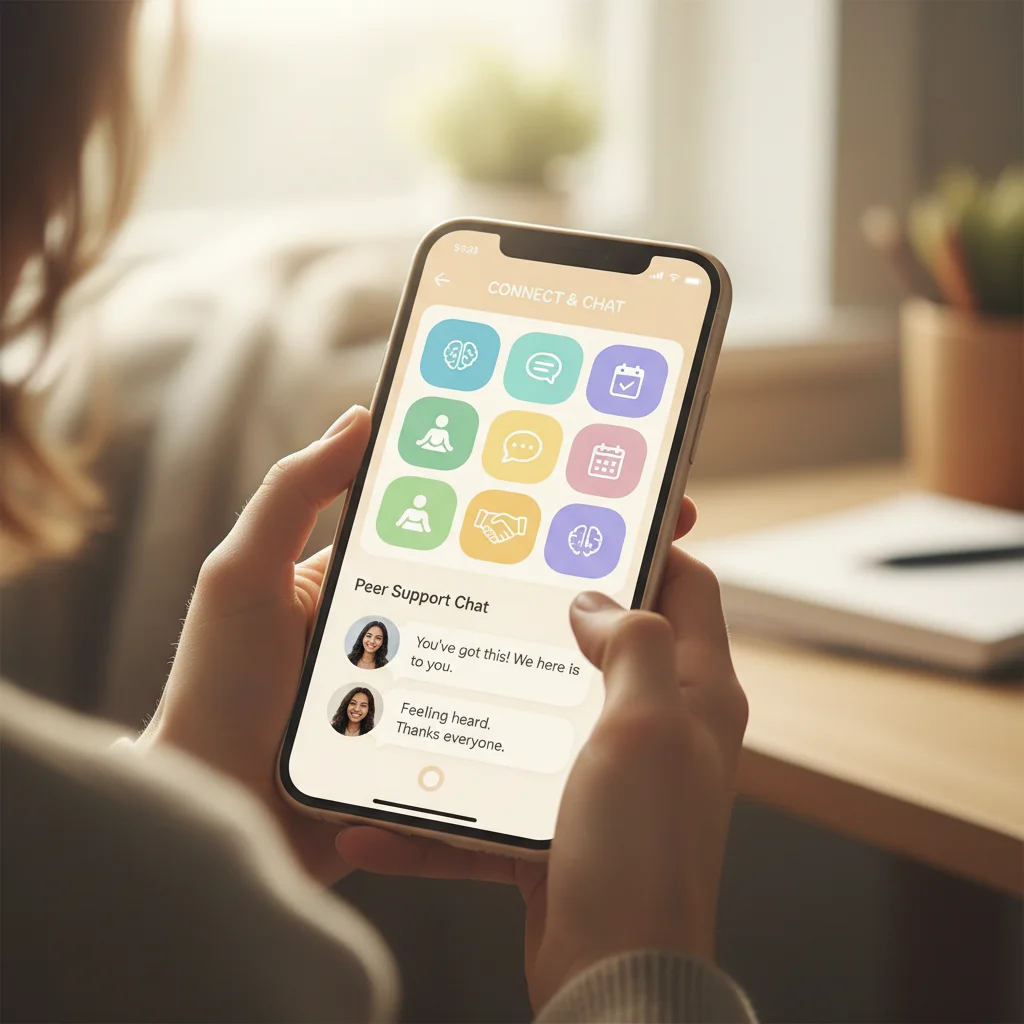
The societal impact of DPSNs is transformative. By providing an accessible, anonymous, and peer-led avenue for support, these networks can significantly reduce the stigma associated with mental health issues. They empower adolescents to become agents of their own well-being and to support their peers, fostering a sense of community and collective resilience. For many young people, the informal, relatable nature of peer support is a crucial first step towards addressing their mental health concerns, potentially preventing escalation and encouraging engagement with professional services down the line. This model democratizes access to support for Adolescent Mental Health, making it available to a wider demographic than ever before.
Model 3: The Multi-Generational Community Mentorship Program (MCMP)
Core Philosophy and Structure
The Multi-Generational Community Mentorship Program (MCMP) model seeks to bridge generational divides and harness the wisdom and experience of older community members to support Adolescent Mental Health. This model is founded on the belief that meaningful intergenerational connections can provide adolescents with invaluable guidance, a sense of purpose, and a stable support system beyond their immediate family and peer group. It recognizes the loss of extended family networks in many modern societies and aims to recreate these supportive structures within the community.
In 2026, MCMPs would involve carefully matched mentorship pairs or small groups, connecting adolescents with trained adult mentors from diverse backgrounds within the community. These mentors, often retirees or experienced professionals, undergo comprehensive training in youth development, active listening, boundaries, and basic mental health first aid. The program structure would include regular one-on-one meetings (in person or virtually), group activities, skill-building workshops, and community service projects. The focus is not on therapeutic intervention but on providing emotional support, life guidance, skill development, and fostering a sense of belonging and contribution. Activities might range from academic tutoring and career exploration to shared hobbies and cultural activities, all designed to build trust and rapport, directly impacting Adolescent Mental Health.
Digital Integration and Societal Impact
While fundamentally focused on human connection, the MCMP model also incorporates strategic digital integration. Secure online platforms could be used for mentor-mentee matching, scheduling, communication (e.g., supervised chat or video calls), and tracking progress. Digital tools might also facilitate shared learning experiences, such as online courses, virtual museum tours, or collaborative digital projects. Mentors could leverage digital resources to find relevant information or activities for their mentees. Furthermore, the program could utilize digital storytelling or blogging to allow mentees to share their experiences and reflect on their growth, fostering self-expression and reinforcing positive mental well-being practices. This thoughtful use of technology enhances, rather than replaces, the core human connection essential for Adolescent Mental Health.

The societal impact of MCMPs is profound. By fostering intergenerational relationships, this model strengthens community cohesion and reduces social isolation for both adolescents and older adults. Adolescents gain positive role models, expanded perspectives, and a sense of being valued within their community, which can significantly boost self-esteem and resilience. Mentors, in turn, find purpose and fulfillment in contributing to the next generation’s success. This model contributes to a more connected, empathetic, and supportive society, addressing the often-overlooked benefits of intergenerational solidarity for Adolescent Mental Health and overall community well-being. It helps young people navigate identity, purpose, and future aspirations with trusted guidance.
Comparative Analysis of the Models
Each of these three community-based models offers distinct strengths and addresses different facets of Adolescent Mental Health support. A comparative analysis reveals their unique contributions and potential synergies.
Accessibility and Reach
- Integrated School-Community Hub: High accessibility due to co-location within schools, making services a natural part of daily life. Reach is broad within the school population but limited to those attending the specific school or within its immediate catchment area.
- Digital Peer Support Network (DPSN): Exceptionally high accessibility and reach, transcending geographical barriers. Available 24/7, making it ideal for immediate, informal support. Its digital nature makes it appealing to tech-savvy adolescents.
- Multi-Generational Community Mentorship Program (MCMP): Accessibility depends on community engagement and mentor availability. Reach can be localized but offers deep, sustained relationships. Virtual components can extend its reach beyond immediate neighborhoods.
Nature of Support
- Integrated School-Community Hub: Comprehensive and clinical, offering a range of professional services from therapy to crisis intervention, alongside preventative programs. Focus on holistic well-being within an educational context.
- Digital Peer Support Network (DPSN): Peer-led, empathetic, and relatable. Focus on shared experiences, validation, and informal coping strategies. Less clinical but highly effective for destigmatization and early informal support.
- Multi-Generational Community Mentorship Program (MCMP): Guidance-oriented, relational, and developmental. Focus on life skills, emotional support, role modeling, and fostering a sense of belonging. Non-clinical but deeply impactful for character development and long-term well-being.
Digital Integration
- Integrated School-Community Hub: Strategic integration for efficiency and expanded access (telehealth, digital resources, platforms). Digital tools complement in-person services.
- Digital Peer Support Network (DPSN): Fully digital at its core, leveraging technology for primary delivery of support. Relies heavily on advanced digital features for moderation, engagement, and safety.
- Multi-Generational Community Mentorship Program (MCMP): Selective digital integration to enhance communication, scheduling, and shared learning. Technology supports and facilitates the human connection rather than being the primary mode of interaction.
Potential Challenges
- Integrated School-Community Hub: Funding, staffing shortages, maintaining confidentiality within a school setting, and overcoming bureaucratic hurdles in inter-agency collaboration.
- Digital Peer Support Network (DPSN): Ensuring rigorous moderation and safety, managing crisis situations remotely, maintaining user engagement, and preventing burnout among peer mentors.
- Multi-Generational Community Mentorship Program (MCMP): Mentor recruitment and retention, ensuring appropriate mentor-mentee matching, safeguarding vulnerable adolescents, and securing consistent funding for training and oversight.
Synergies and a Hybrid Future for Adolescent Mental Health
While each model presents a unique approach, the most effective future for Adolescent Mental Health support likely lies in a hybrid approach, combining elements from all three. Imagine an ecosystem where:
- An adolescent first encounters universal mental health literacy and early screening within an Integrated School-Community Hub.
- They then find immediate, relatable support and a sense of community through a Digital Peer Support Network, accessible anytime, anywhere.
- For sustained guidance, life skills, and a deeper sense of belonging, they connect with a trusted adult through a Multi-Generational Community Mentorship Program.
- Should a more significant need arise, the DPSN or MCMP can seamlessly refer them back to the professional services available within the School-Community Hub.
This multi-layered approach leverages the strengths of each model, creating a robust, resilient, and responsive support system. It offers multiple entry points for help, caters to diverse preferences and needs, and builds a comprehensive safety net around young people. The digital age, far from being a solely negative force, becomes an invaluable ally in weaving these threads of support together, creating a truly integrated and accessible network for Adolescent Mental Health.
Policy Recommendations and Future Directions
To realize the full potential of these models by 2026 and beyond, several policy and practical considerations are paramount:
- Sustainable Funding: Governments and philanthropic organizations must commit to long-term, sustainable funding for the development, implementation, and evaluation of these innovative models.
- Workforce Development: Investment in training and retaining a diverse workforce, including mental health professionals, peer support specialists, and community mentors, is crucial. This includes specific training in digital mental health literacy.
- Data-Driven Evaluation: Robust research and evaluation frameworks are needed to assess the effectiveness of these models, identify best practices, and allow for continuous improvement. Data on outcomes, engagement, and cost-effectiveness will be vital.
- Ethical Digital Integration: Clear guidelines and regulations for the ethical use of digital technologies in mental health support, focusing on privacy, data security, and responsible AI integration, are essential.
- Community Engagement: Successful implementation requires active involvement from adolescents themselves, their families, and broader community stakeholders to ensure services are relevant and culturally sensitive.
- Policy Harmonization: Creating policies that facilitate collaboration between education, health, and social services sectors is key to enabling integrated models to flourish.
The journey towards optimal Adolescent Mental Health in the digital age is ongoing. By embracing these forward-thinking, community-based models and fostering a spirit of innovation and collaboration, we can create a future where every young person has access to the support they need to thrive. The challenges are significant, but so too is the potential for positive transformation.
Conclusion
The imperative to support Adolescent Mental Health in the digital age is more pressing than ever. As we’ve explored, traditional approaches, while foundational, often fall short in addressing the multifaceted and evolving needs of today’s youth. The three community-based models – the Integrated School-Community Hub, the Digital Peer Support Network, and the Multi-Generational Community Mentorship Program – offer distinct yet complementary pathways to enhancing adolescent well-being by 2026.
The School-Community Hub provides institutional accessibility and professional clinical support within a familiar setting. The Digital Peer Support Network offers immediate, anonymous, and relatable peer-led connection, leveraging the ubiquity of digital platforms. The Multi-Generational Community Mentorship Program re-establishes vital intergenerational bonds, providing guidance and a sense of belonging through trusted adult relationships. Each model, with its unique strengths and strategic digital integration, contributes significantly to a comprehensive ecosystem of care.
Ultimately, the most effective strategy for Adolescent Mental Health in the coming years will likely involve a synergistic integration of these models, creating a seamless web of support that is accessible, responsive, and deeply rooted in community. By prioritizing sustainable investment, fostering inter-sectoral collaboration, and continuously adapting to the evolving digital landscape, we can collectively build a future where adolescents are not only resilient in the face of modern challenges but are also equipped to flourish and contribute meaningfully to society. The time for proactive, innovative, and community-centric approaches to Adolescent Mental Health is now.