2026 Agricultural Outlook: Federal Subsidies & Climate Initiatives
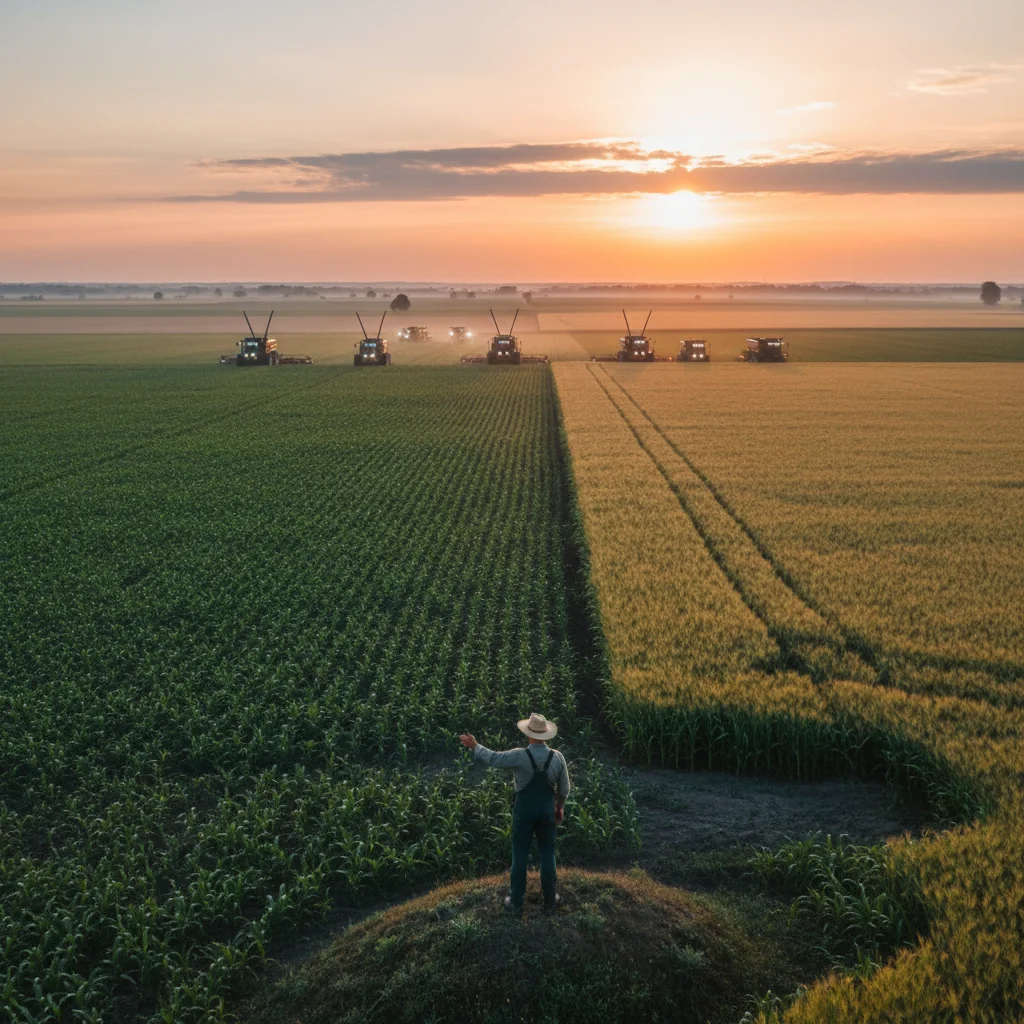
The agricultural sector stands at a pivotal juncture as we approach 2026. A confluence of new federal subsidies and ambitious climate initiatives is poised to redefine food production, farmer livelihoods, and environmental stewardship. Understanding the nuances of this agricultural outlook 2026 is crucial for policymakers, farmers, consumers, and investors alike. This comprehensive analysis delves into the anticipated shifts, challenges, and opportunities that will shape the future of farming in the coming years.
The Shifting Landscape: Federal Subsidies in the 2026 Agricultural Outlook
Federal subsidies have long been a cornerstone of agricultural policy, providing a safety net for farmers and influencing market dynamics. However, the agricultural outlook 2026 suggests a significant recalibration of these financial mechanisms. The focus is shifting from traditional commodity-based payments to incentives that promote sustainable practices, climate resilience, and equitable access to resources. This evolution is not merely an adjustment; it’s a fundamental rethinking of how government support can best serve the agricultural community and the nation as a whole.
Redefining Farm Support: Beyond Traditional Payments
Historically, federal subsidies often centered on direct payments for specific crops, crop insurance, and disaster relief. While these remain important, the 2026 landscape is expected to see an expansion of programs designed to reward environmental stewardship. This includes incentives for soil health improvement, water conservation, biodiversity enhancement, and carbon sequestration. The goal is to move towards a system where farmers are compensated not just for what they produce, but also for how they produce it, recognizing their vital role as land stewards.
Targeted Investments: Research, Infrastructure, and Technology
A significant portion of the new federal subsidies will likely be channeled into agricultural research and development. This includes funding for climate-resilient crop varieties, precision agriculture technologies, and innovative farming methods that reduce environmental impact while increasing yields. Furthermore, investments in rural infrastructure, such as broadband internet access, will be critical to enable farmers to adopt and utilize these new technologies effectively. The agricultural outlook 2026 emphasizes a proactive approach to equipping farmers with the tools they need for future success.
Equity and Access: Supporting Underserved Farmers
Another crucial aspect of the evolving subsidy framework is a renewed commitment to equity and access. Programs are being designed to better support beginning farmers, small and medium-sized farms, and historically underserved communities. This includes technical assistance, mentorship programs, and financial aid tailored to address the unique challenges faced by these groups. Ensuring a diverse and resilient agricultural workforce is paramount for the long-term health of the sector, and the agricultural outlook 2026 reflects this imperative.
Climate Initiatives: A New Era for Food Production in 2026
The urgency of climate change has propelled environmental considerations to the forefront of agricultural policy. The 2026 agricultural outlook is heavily influenced by a suite of ambitious climate initiatives aimed at mitigating agriculture’s contribution to greenhouse gas emissions and enhancing the sector’s resilience to extreme weather events. These initiatives are not just about compliance; they represent a fundamental shift towards more sustainable and regenerative farming practices.
Carbon Sequestration and Soil Health Programs
One of the most prominent climate initiatives involves programs promoting carbon sequestration in agricultural soils. Healthy soils act as significant carbon sinks, reducing atmospheric CO2 levels. Farmers will be incentivized to adopt practices such as no-till farming, cover cropping, and diversified crop rotations. These practices not only sequester carbon but also improve soil fertility, reduce erosion, and enhance water retention, offering multiple benefits for both the environment and farm productivity. The agricultural outlook 2026 anticipates widespread adoption of these methods.
Water Management and Drought Resilience
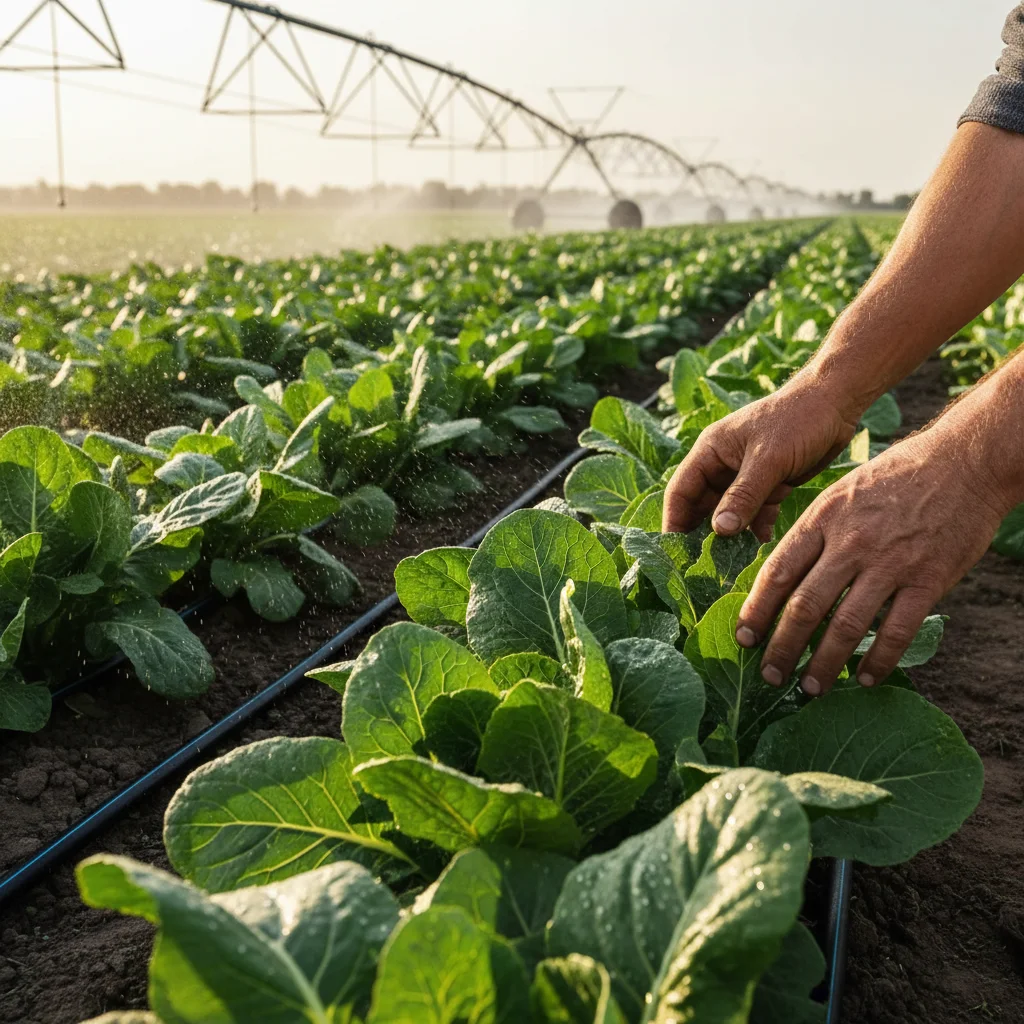
With increasing frequency and intensity of droughts and floods, water management is a critical component of the 2026 agricultural outlook. New initiatives will support farmers in implementing efficient irrigation systems, water harvesting techniques, and drought-resistant crop varieties. Furthermore, funding will be available for restoring wetlands and riparian buffers, which play a vital role in natural water filtration and flood control. These measures are essential for ensuring a stable water supply for agriculture in a changing climate.
Reducing Agricultural Emissions: Livestock and Energy
Beyond soil-based carbon initiatives, efforts are underway to reduce greenhouse gas emissions from other agricultural sources. This includes supporting innovations in livestock management to reduce methane emissions, promoting renewable energy adoption on farms (such as solar and wind power), and encouraging practices that minimize the use of synthetic fertilizers, which are a source of nitrous oxide. The agricultural outlook 2026 aims for a more energy-independent and lower-emission agricultural sector.
Impact on Food Production: Quality, Quantity, and Diversity
The combined effect of new federal subsidies and climate initiatives will have a profound impact on food production. The 2026 agricultural outlook suggests shifts in what is grown, how it is grown, and ultimately, the quality and diversity of food available to consumers.
Enhanced Productivity Through Sustainable Methods
While some fear that environmental regulations might hinder productivity, the long-term vision of the 2026 agricultural outlook is quite the opposite. By investing in soil health, water efficiency, and climate-resilient crops, these initiatives are designed to build a more robust and productive agricultural system. Farmers who adopt these practices often see improved yields over time, reduced input costs, and greater resilience to environmental stressors.
Diversification of Crops and Farming Systems
The new policies are expected to encourage greater diversification in crop production. Incentives for cover cropping, agroforestry, and integrated farming systems will lead to a broader array of crops being grown, moving away from monoculture. This diversification not only enhances biodiversity but also improves ecological stability and provides farmers with more diverse income streams, a key element of the agricultural outlook 2026.
Food Quality and Consumer Preferences
As sustainable and organic farming practices become more widespread due to these initiatives, consumers can expect a greater availability of high-quality, sustainably produced food. There is a growing consumer demand for products that are not only healthy but also environmentally friendly and ethically sourced. The 2026 agricultural outlook aligns with these evolving consumer preferences, fostering a food system that better meets societal values.
Challenges and Opportunities for Farmers in 2026
Navigating the transition to this new agricultural paradigm will present both challenges and significant opportunities for farmers. Adaptation will be key, but the potential rewards are substantial.
Overcoming Initial Adoption Barriers
One of the primary challenges will be the initial investment and learning curve associated with adopting new technologies and practices. Farmers may need to acquire new equipment, gain new knowledge, and adjust their operational strategies. Federal subsidies and technical assistance programs are designed to ease this transition, but proactive engagement from the farming community will be essential for realizing the vision of the agricultural outlook 2026.
Accessing New Markets and Value Chains
The shift towards sustainable and climate-smart agriculture will open up new market opportunities. Consumers and businesses often pay a premium for sustainably produced goods, creating new value chains for farmers. Additionally, carbon credit markets could provide a new revenue stream for farmers who actively sequester carbon in their soils. Exploring and leveraging these emerging markets will be a significant opportunity in the 2026 agricultural outlook.
Building Resilience Against Climate Shocks
Perhaps the most critical opportunity lies in building greater resilience against the impacts of climate change. By adopting practices that improve soil health, conserve water, and diversify crops, farmers can better withstand droughts, floods, and other extreme weather events. This enhanced resilience translates into greater long-term stability and profitability, moving the agricultural sector towards a more secure future as envisioned in the agricultural outlook 2026.
The Role of Technology and Innovation
Technology and innovation will be indispensable drivers in shaping the 2026 agricultural outlook. From precision agriculture to biotechnology, these advancements will empower farmers to meet the demands of a changing climate and evolving policy landscape.
Precision Agriculture and Data Analytics
Precision agriculture tools, including GPS-guided machinery, drones, and sensor networks, will become even more sophisticated and ubiquitous. These technologies enable farmers to apply inputs like water, fertilizer, and pesticides with unprecedented accuracy, reducing waste and environmental impact. Data analytics will help farmers make informed decisions about planting, harvesting, and resource management, optimizing efficiency and sustainability. This technological integration is a cornerstone of the agricultural outlook 2026.
Biotechnology and Genetic Engineering
Advances in biotechnology and genetic engineering will also play a crucial role in developing climate-resilient crops. Scientists are working on creating varieties that are more tolerant to drought, heat, and pests, and that can thrive in diverse environmental conditions. While ethical considerations surrounding GMOs remain, the potential for these technologies to enhance food security and sustainability is undeniable in the context of the 2026 agricultural outlook.

Renewable Energy Integration on Farms
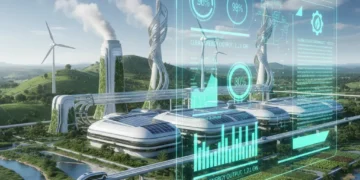
The integration of renewable energy sources on farms will accelerate. Solar panels on barns, wind turbines in fields, and anaerobic digesters converting farm waste into biogas will reduce operational costs and carbon footprints. Federal incentives will likely support these transitions, making farms more self-sufficient and environmentally friendly, a key aspect of the agricultural outlook 2026.
Policy Implementation and Collaboration
The success of the 2026 agricultural outlook hinges on effective policy implementation and robust collaboration among all stakeholders. This includes federal and state governments, agricultural organizations, research institutions, and individual farmers.
Streamlining Programs and Providing Technical Assistance
For new federal subsidies and climate initiatives to be effective, they must be easily accessible and understandable to farmers. Streamlined application processes, clear guidelines, and ample technical assistance will be critical. Extension services and local agricultural agencies will play an even more vital role in disseminating information and providing hands-on support to farmers as they adopt new practices. This collaborative approach is central to the agricultural outlook 2026.
Public-Private Partnerships
Collaboration between the public and private sectors will be essential for driving innovation and scaling sustainable solutions. Private companies can bring capital, technology, and market expertise, while public institutions can provide research, policy frameworks, and outreach. These partnerships can accelerate the development and adoption of climate-smart agricultural practices, ensuring a more resilient future for food production.
Monitoring and Evaluation
To ensure that these initiatives are achieving their intended outcomes, robust monitoring and evaluation frameworks will be necessary. This includes tracking environmental metrics, economic impacts on farms, and overall food system resilience. Regular assessment will allow for adaptive management, ensuring that policies can be adjusted as needed to maximize their effectiveness in shaping the agricultural outlook 2026.
Conclusion: A Sustainable and Resilient Agricultural Future
The 2026 agricultural outlook presents a transformative period for the sector, driven by a new generation of federal subsidies and targeted climate initiatives. These policies aim to foster a more sustainable, resilient, and equitable food production system. While challenges in adoption and implementation will undoubtedly arise, the opportunities for innovation, enhanced productivity, and environmental stewardship are immense.
Farmers are at the heart of this transformation, and with the right support, resources, and collaborative spirit, they are poised to lead the way towards a more secure and sustainable agricultural future. The decisions made and actions taken in the coming years will not only impact the livelihoods of millions but also determine the health of our planet and the availability of nutritious food for generations to come. The agricultural outlook 2026 is not just a forecast; it’s a call to action for a greener, more productive agricultural landscape.