Blended Learning: Reshaping Education for the Next Decade
The Future of Education: How Blended Learning Models Adopted by 40% of US Schools are Reshaping Student Outcomes for the Next Decade
The landscape of education is undergoing a profound transformation, driven by technological advancements, evolving pedagogical approaches, and a growing understanding of diverse student needs. At the forefront of this revolution are blended learning models, a dynamic educational approach that combines online digital media with traditional face-to-face classroom methods. This innovative synthesis offers students a personalized, flexible, and engaging learning experience, moving beyond the confines of conventional instruction. The statistics are compelling: a significant 40% of US schools have already adopted various forms of blended learning, a testament to its perceived effectiveness and adaptability. This widespread integration signals a clear shift in educational paradigms, hinting at a future where learning is more accessible, tailored, and effective for a broader spectrum of learners.
The adoption of blended learning models is not merely a trend; it represents a strategic investment in the future of education. As educators and policymakers grapple with the challenges of preparing students for an increasingly complex and digital world, blended learning offers a powerful solution. It addresses critical issues such as student engagement, equitable access to resources, and the development of essential 21st-century skills. By allowing students to control aspects of their learning path, pace, and place, blended learning fosters autonomy and self-directed learning, qualities highly valued in today’s global economy. This article will delve deep into the intricacies of these models, exploring their various forms, the benefits they offer, the challenges they present, and their profound impact on student outcomes as we look towards the next decade of educational innovation.
Understanding the Core of Blended Learning Models
At its heart, blended learning is about leveraging the best of both worlds: the structured guidance of a classroom environment and the flexibility and rich resources of digital learning. It’s more than just using computers in class; it’s a fundamental restructuring of the learning experience. There isn’t a single, monolithic ‘blended learning model’; rather, it encompasses a spectrum of approaches, each designed to meet specific educational goals and student needs. Understanding these variations is crucial for appreciating the versatility and potential of this pedagogical shift.
The Four Pillars of Blended Learning
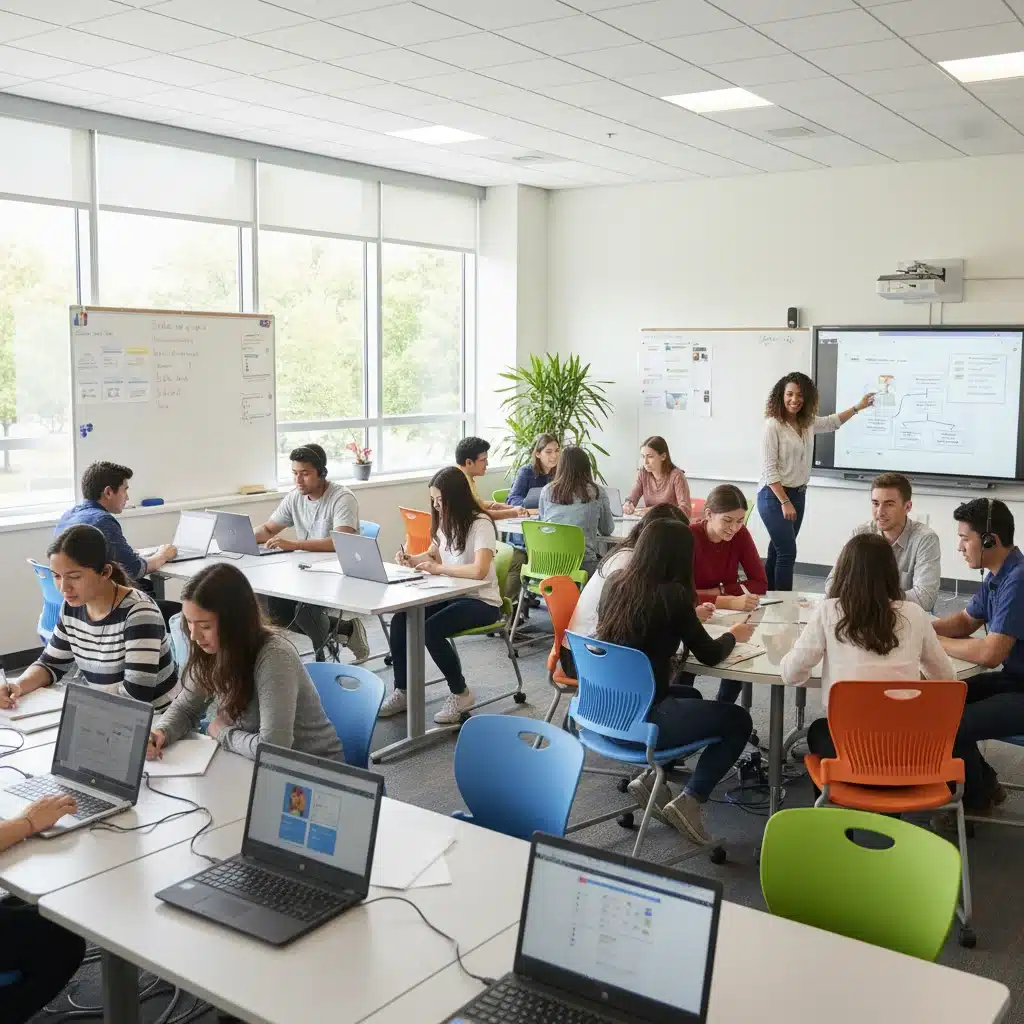
- Face-to-Face Driver Model: In this model, the teacher remains the primary instructor, but they integrate online learning resources and activities into their curriculum. Students primarily learn in a traditional classroom setting, but periodically rotate to a computer lab or use devices in the classroom for supplemental online work. This model is often an entry point for schools new to blended learning, as it maintains a familiar structure while introducing digital components. The online activities might include research, interactive simulations, or online assessments.
- Rotation Model: This is one of the most common and flexible blended learning models. Students rotate on a fixed schedule or at the teacher’s discretion among different learning stations, at least one of which is an online learning station. Other stations might include small-group instruction, project-based learning, or individual tutoring. The rotation model can take several forms:
- Station Rotation: Students rotate through various stations within a single classroom.
- Lab Rotation: Students rotate between a traditional classroom and a computer lab.
- Flipped Classroom: Students access lecture content and direct instruction online at home, then use class time for hands-on activities, discussions, and problem-solving with teacher support. This model effectively ‘flips’ the traditional classroom dynamic.
- Individual Rotation: Students rotate through stations on an individualized, flexible schedule set by the teacher or a software algorithm.
- Flex Model: In this model, online learning forms the backbone of the curriculum, delivering most of the content and instruction. Students work primarily from a remote location or within a school computer lab, with teachers providing on-site support as needed through small-group instruction, projects, and individual tutoring. The learning path is highly individualized, and students move at their own pace, leveraging technology to guide their progress. This model offers significant flexibility and personalization.
- Online Driver Model: This model is almost entirely online, with students completing their coursework remotely. Face-to-face interaction is minimal, often limited to optional check-ins or proctored exams. This model is frequently used for credit recovery, advanced placement courses, or for students in remote areas. While highly flexible, it demands significant self-discipline and motivation from students.
Each of these blended learning models offers distinct advantages, allowing schools to choose an approach that best aligns with their resources, educational philosophy, and student demographics. The key is thoughtful implementation and continuous adaptation to ensure optimal learning outcomes.
The Compelling Benefits of Adopting Blended Learning Models
The rapid adoption of blended learning by 40% of US schools is not accidental; it’s a response to the undeniable benefits these models offer. From enhancing student engagement to fostering critical 21st-century skills, blended learning is proving to be a powerful catalyst for positive change in education.
Personalized Learning Experiences
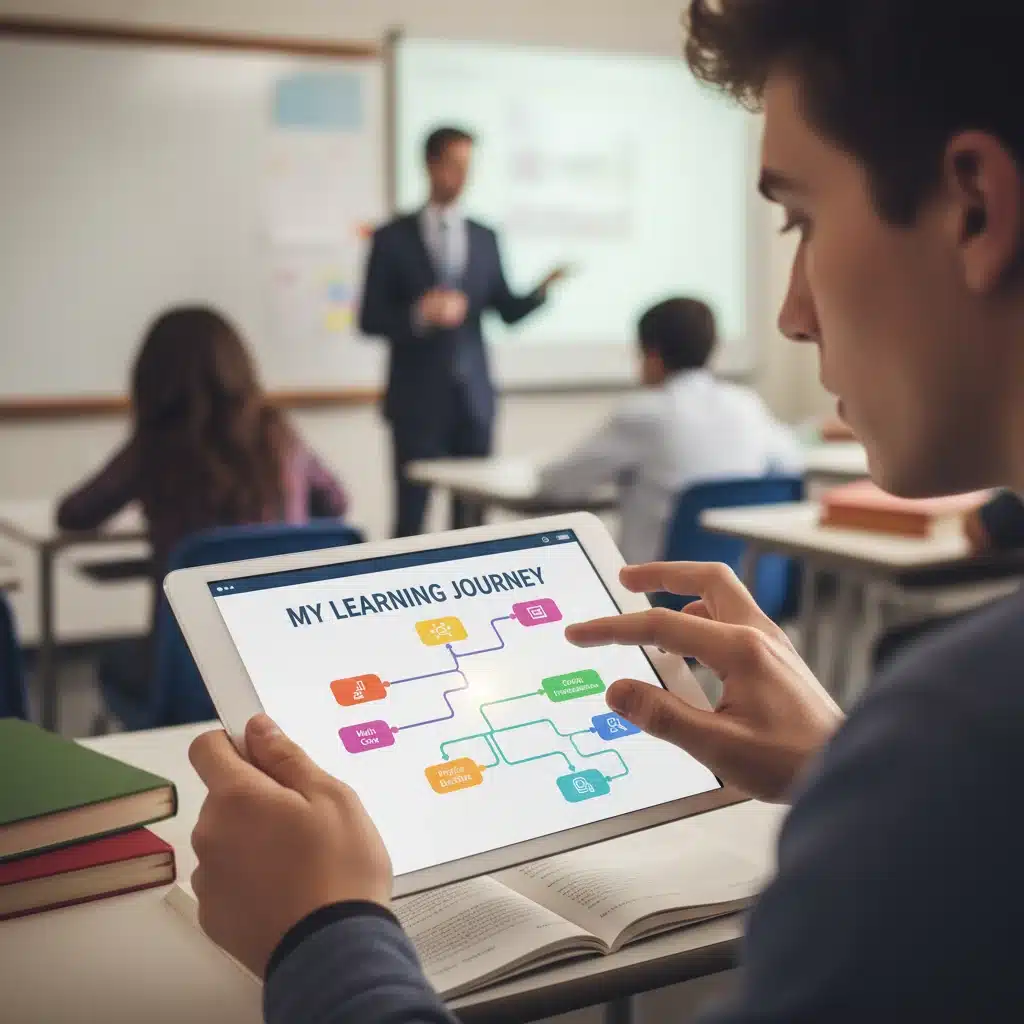
One of the most significant advantages of blended learning models is their ability to deliver personalized learning. Traditional classrooms often struggle to cater to the diverse learning paces and styles of individual students. Blended learning, however, allows students to progress at their own speed, revisiting difficult concepts or accelerating through material they’ve mastered. Adaptive learning technologies, often integrated into online components, can tailor content and assessments to each student’s specific needs, providing targeted support and enrichment. This personalization can lead to deeper understanding and greater academic success.
Increased Student Engagement and Motivation
Today’s students are digital natives, accustomed to interacting with technology in nearly every aspect of their lives. Blended learning harnesses this familiarity, integrating interactive digital tools, multimedia content, and gamified learning experiences that can significantly boost engagement. When students have agency over their learning – choosing how, when, and where they learn – their motivation naturally increases. The variety inherent in rotation and flex models keeps learning fresh and dynamic, preventing the monotony often associated with purely traditional instruction. This increased engagement translates directly into improved attendance, participation, and a more positive attitude towards learning.
Development of 21st-Century Skills
In an increasingly digital and interconnected world, students need more than just content knowledge; they need critical 21st-century skills. Blended learning models are uniquely positioned to cultivate these competencies. Students develop digital literacy by navigating online platforms and utilizing various software. They hone problem-solving skills through interactive simulations and online projects. Collaboration is fostered through online discussion forums and group projects, while self-direction and time management become essential as students manage their learning paths. These skills are not just beneficial for academic success but are crucial for future careers and active citizenship.
Enhanced Data-Driven Instruction
The digital component of blended learning generates a wealth of data on student performance, progress, and engagement. Teachers can access real-time analytics to identify areas where students are struggling or excelling. This data empowers educators to make informed instructional decisions, intervene proactively, and adjust their teaching strategies to meet specific student needs. Instead of waiting for summative assessments, teachers can continuously monitor learning and provide timely feedback, making instruction more responsive and effective. This data-driven approach is a cornerstone of modern pedagogical excellence.
Flexibility and Accessibility
Blended learning offers unparalleled flexibility, which is particularly beneficial for diverse student populations. It can accommodate different learning styles, schedules, and even physical locations. For students with special needs, blended learning can provide customized accommodations and resources. For those in rural areas, it can bridge geographical gaps to access high-quality instruction. During unforeseen circumstances, such as health crises or natural disasters, blended learning models provide a robust framework for continuity of education, as demonstrated by their critical role during the recent global pandemic. This adaptability makes education more resilient and inclusive.
Challenges and Considerations in Implementing Blended Learning Models
While the benefits of blended learning are substantial, successful implementation is not without its challenges. Schools and educators must address several key areas to ensure these models truly enhance student outcomes.
Technological Infrastructure and Access
A fundamental requirement for any blended learning program is robust technological infrastructure. This includes reliable internet access, sufficient devices (laptops, tablets), and up-to-date software. The ‘digital divide‘ remains a significant concern, as not all students have equitable access to technology and high-speed internet at home. Schools must invest in ensuring that all students have the necessary tools to participate fully in online learning components. This may involve providing devices, hotspots, or creating accessible learning hubs within the community.
Teacher Training and Professional Development
Transitioning to blended learning models requires a significant shift in pedagogical approach for many educators. Teachers need comprehensive training not only in using new technologies but also in designing effective blended lessons, facilitating online discussions, interpreting data analytics, and managing a dynamic, often multi-station, classroom environment. Ongoing professional development and support are crucial to empower teachers to confidently and effectively implement blended learning strategies, moving beyond simply using technology to truly integrating it for deeper learning.
Curriculum Design and Content Development
Simply porting traditional classroom materials online is not effective blended learning. It requires thoughtful curriculum redesign that strategically integrates online and offline components. Content must be engaging, interactive, and aligned with learning objectives. Developing or curating high-quality digital resources can be time-consuming and requires expertise. Schools may need to invest in learning management systems (LMS) and digital content platforms that support blended learning methodologies, ensuring seamless transitions between online and offline activities.
Assessment and Evaluation
Assessing student learning in a blended environment requires a nuanced approach. Traditional paper-and-pencil tests may not fully capture the breadth of skills developed through blended learning. Educators need to utilize a variety of assessment methods, including online quizzes, project-based assessments, digital portfolios, and performance tasks. Furthermore, evaluating the effectiveness of the blended learning model itself requires collecting data on student engagement, academic progress, and teacher satisfaction to continuously refine and improve the program.
Maintaining Human Connection and Social-Emotional Learning
While technology offers many benefits, it’s crucial to ensure that blended learning models do not diminish the vital human connection in education. Teachers play an indispensable role in fostering a supportive learning community, building relationships with students, and addressing their social-emotional needs. Blended learning should be designed to enhance, not replace, these interactions. Strategies such as small-group discussions, collaborative projects, and regular one-on-one check-ins can help maintain a strong sense of community and support within a blended environment.
Success Stories and the Impact on Student Outcomes
The growing adoption of blended learning models by 40% of US schools is backed by an increasing body of evidence demonstrating their positive impact on student outcomes. These models are not just changing how students learn, but also what they achieve.
Improved Academic Performance
Numerous studies and school reports indicate that students in well-implemented blended learning programs often show improved academic performance. The ability to revisit material, receive personalized feedback, and learn at an optimal pace contributes to a deeper understanding of concepts. For example, schools employing the ‘flipped classroom’ model often report higher test scores in subjects like mathematics and science, as class time is optimized for problem-solving and application rather than passive listening. Students are more actively involved in constructing their knowledge, leading to better retention and application of learned material.
Increased Student Agency and Self-Regulation
Blended learning empowers students to take a more active role in their education. By offering choices in how they learn and allowing them to manage their learning pace, these models foster student agency. This leads to the development of crucial self-regulation skills, such as time management, goal setting, and self-assessment. Students learn to become independent learners, a skill that is invaluable not only in higher education but throughout their professional lives. The ability to monitor one’s own progress and seek help when needed is a hallmark of successful, lifelong learning.
Greater Equity and Access
For many schools, blended learning has been a powerful tool for promoting equity. By providing access to high-quality online resources, it can level the playing field for students who might not otherwise have access to diverse learning materials or specialized instruction. This is particularly true for students in underserved communities or those with unique learning needs. Blended models can offer differentiated instruction more effectively, ensuring that every student receives the support and challenge they need to succeed, regardless of their background or learning profile. This democratizes access to educational excellence.
Enhanced Teacher Effectiveness
While blended learning models empower students, they also transform the role of the teacher. Instead of being solely a dispenser of information, teachers become facilitators, mentors, and instructional designers. With online content delivering foundational knowledge, teachers can dedicate more in-class time to individualized support, small-group interventions, and fostering deeper discussions and project-based learning. The data generated by online platforms provides teachers with insights they never had before, allowing them to tailor their instruction with unprecedented precision and respond to student needs more effectively. This shift often leads to greater job satisfaction for educators and more impactful teaching.
The Next Decade: The Evolution of Blended Learning Models
As we look towards the next decade, blended learning models are poised for further evolution and refinement. The foundation laid by current implementations will undoubtedly lead to more sophisticated and integrated approaches.
Integration of Artificial Intelligence and Machine Learning
The future of blended learning will likely see a deeper integration of Artificial Intelligence (AI) and Machine Learning (ML). AI-powered adaptive learning platforms will become even more sophisticated, offering truly personalized learning paths that adjust in real-time to a student’s cognitive load, learning style, and emotional state. AI tutors could provide instant feedback and support, while ML algorithms could identify learning gaps and recommend resources before a student even realizes they need help. This will push the boundaries of personalization, making learning incredibly efficient and effective.
Emphasis on Social-Emotional Learning (SEL) in Blended Environments
While technology will advance, the importance of social-emotional learning (SEL) will remain paramount. Future blended learning models will increasingly incorporate explicit SEL components, leveraging digital tools for mindfulness exercises, collaborative problem-solving, and virtual community building, alongside in-person activities. The goal will be to develop well-rounded individuals who are not only academically proficient but also emotionally intelligent and socially adept, capable of thriving in a complex world. Blended learning can offer unique opportunities to foster these skills through diverse interaction formats.
Flexible Learning Spaces and Micro-Credentials
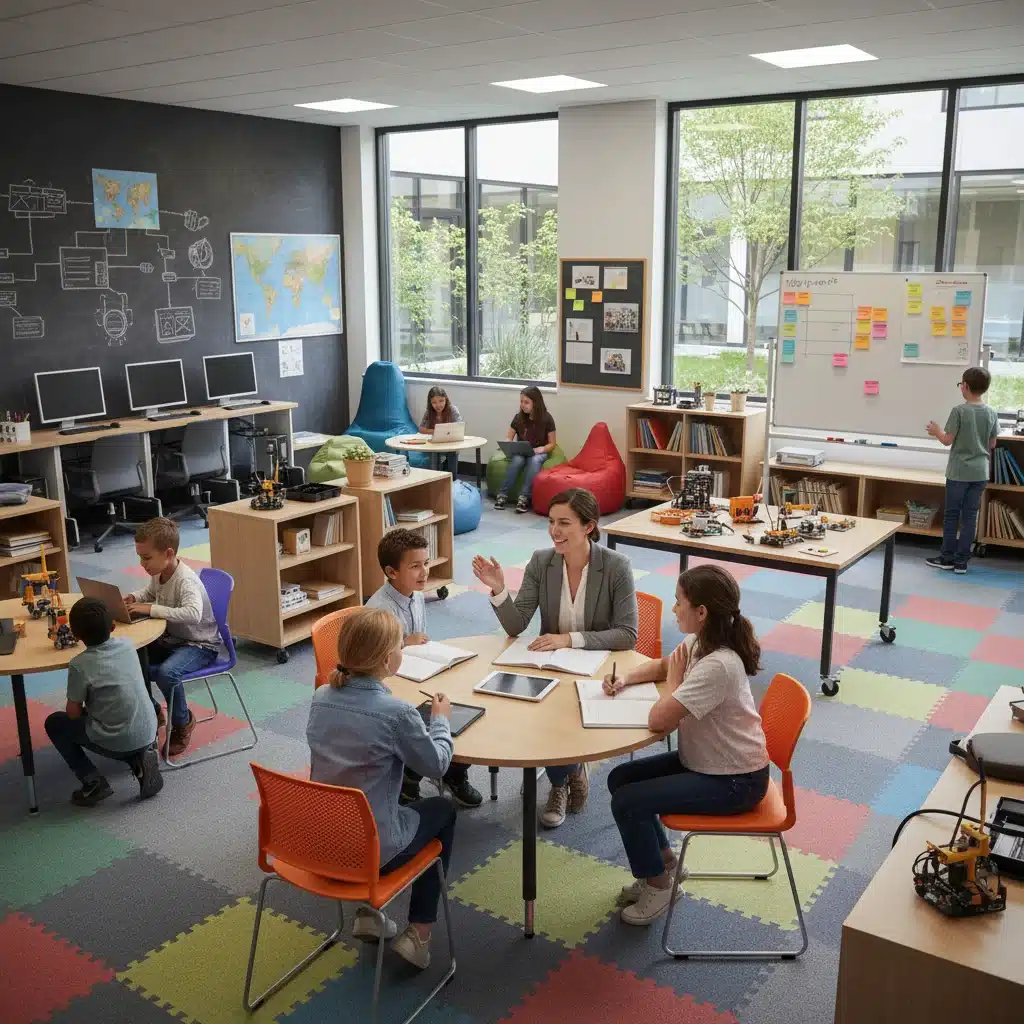
The concept of the classroom itself will continue to evolve, with more flexible and dynamic learning spaces designed to support various blended activities. Schools will move towards environments that easily accommodate individual online work, small group collaboration, and whole-class instruction. Furthermore, the rise of micro-credentials and competency-based learning will align perfectly with blended models, allowing students to demonstrate mastery of specific skills and earn recognition for them, moving beyond traditional grade-level progression. This will make learning more modular, flexible, and directly relevant to future career pathways.
Global Collaboration and Open Educational Resources (OER)
Blended learning inherently breaks down geographical barriers. The next decade will likely see an increase in global collaboration projects, where students from different countries work together on shared challenges, leveraging online tools. The proliferation of high-quality Open Educational Resources (OER) will also provide educators with an ever-expanding library of free and adaptable digital content, reducing the burden of content creation and ensuring equitable access to diverse learning materials for all schools adopting blended learning models.
Conclusion: Embracing the Blended Future of Education
The adoption of blended learning models by 40% of US schools is a clear indicator of a paradigm shift in education. These models are not just about integrating technology; they are about reimagining the learning experience to be more personalized, engaging, and effective. From improving academic outcomes and fostering 21st-century skills to enhancing equity and preparing students for an unpredictable future, the benefits are profound and far-reaching.
While challenges in infrastructure, teacher training, and curriculum design remain, continuous innovation and dedicated investment are paving the way for even more sophisticated and impactful blended learning environments. As we look ahead to the next decade, blended learning models will continue to evolve, powered by AI, a focus on holistic development, and a commitment to flexible, accessible, and globally connected education. The future of learning is undoubtedly blended, promising a more dynamic and empowering educational journey for every student.