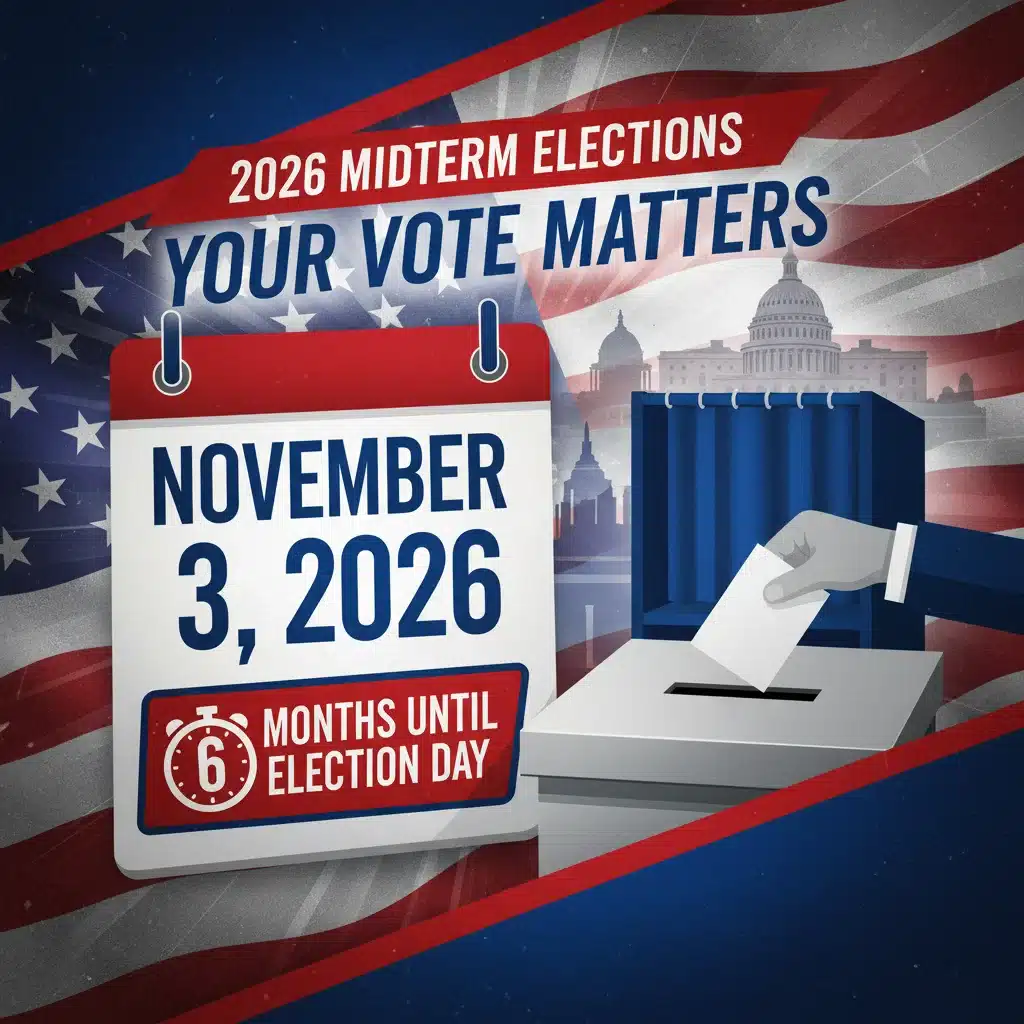
The political landscape of the United States is in a perpetual state of flux, and no event underscores this dynamism quite like the midterm elections. As we embark on a 6-month countdown to the 2026 Midterm Elections, the anticipation, strategizing, and campaigning are already well underway. These elections, often seen as a referendum on the incumbent presidential administration, hold immense power to reshape Congress, influence state-level governance, and ultimately, dictate the trajectory of national policy for the latter half of the decade. Understanding the nuances of these upcoming races, the key battlegrounds, and the potential policy implications is not just for political junkies; it’s essential for every engaged citizen.
The 2026 Midterm Elections are more than just a series of individual contests; they are a complex tapestry woven with local concerns, national narratives, economic pressures, and evolving social dynamics. Every two years, all 435 seats in the House of Representatives and approximately one-third of the 100 Senate seats are up for grabs. Additionally, numerous gubernatorial races, state legislative contests, and local elections add layers of complexity and significance. The outcomes will directly impact everything from healthcare and education to environmental regulations and economic policy. This comprehensive guide will delve deep into what to expect as the 2026 Midterm Elections draw nearer, providing a strategic overview for the next six months.
The stakes couldn’t be higher. Control of Congress can shift, leading to either legislative gridlock or a surge in policy initiatives, depending on which party gains or maintains power. Statehouses can flip, altering the landscape of voting rights, reproductive healthcare, and other critical issues at the local level. As we count down the final six months, the intensity will only grow, with campaigns ramping up, debates becoming more frequent, and voter engagement reaching its peak. Let’s explore the critical aspects that will define the 2026 Midterm Elections.
The Historical Context of Midterm Elections
To fully appreciate the significance of the upcoming 2026 Midterm Elections, it’s crucial to understand their historical context. Midterms traditionally present a challenge for the party occupying the White House. Since World War II, the president’s party has lost seats in the House of Representatives in all but three midterm elections (1934, 1998, and 2002). Senate losses are less consistent but still lean towards the incumbent party losing ground. This historical trend is often attributed to several factors: a drop in presidential approval ratings, voter fatigue, and the electorate’s desire for a check on presidential power.
However, past performance is not a guarantee of future results. Each election cycle is unique, shaped by the prevailing political climate, economic conditions, and specific issues that resonate with voters. The 2026 Midterm Elections will undoubtedly be influenced by the performance of the current administration, the state of the economy, and significant national or international events that may unfold in the coming months. Understanding these historical patterns provides a framework, but the specifics of the current political environment will ultimately determine the outcomes of the 2026 Midterm Elections.
Factors like voter turnout, which is typically lower in midterms compared to presidential elections, also play a significant role. The demographics of who turns out to vote can dramatically alter the results, often favoring more motivated, partisan voters. Both major parties are acutely aware of these dynamics and will be pouring resources into voter mobilization efforts, particularly in swing districts and competitive states. The narrative spun by each party in the lead-up to the 2026 Midterm Elections will be critical in motivating their base and swaying independent voters.
Key Congressional Races to Watch
As the 2026 Midterm Elections approach, attention will naturally gravitate towards a handful of congressional races that are expected to be particularly competitive and consequential. These races, often in swing districts or states, will determine the balance of power in both the House and Senate. Identifying these key races involves looking at several indicators: historical voting patterns, demographic shifts, incumbent vulnerability, fundraising numbers, and the overall political environment.
In the Senate, several seats currently held by the party in power, or those in states with a history of close elections, will be high-priority targets for both sides. For instance, states like Pennsylvania, Arizona, Georgia, and Nevada have consistently delivered tight Senate races in recent cycles, and 2026 will likely be no different. The outcomes in these states could dictate which party controls the Senate, a critical factor for judicial appointments, cabinet confirmations, and legislative priorities.
The House of Representatives, with all 435 seats contested, offers even more battlegrounds. Redistricting after the 2020 census has already created some new swing districts, and demographic changes continue to shift the political leanings of others. Races in suburban areas, particularly around major metropolitan centers, are often bellwethers for national sentiment. These districts are frequently home to independent voters who can swing elections. Both parties will invest heavily in these areas, understanding that every single seat counts towards securing a majority. The fight for control of the House in the 2026 Midterm Elections will be fierce and often decided by razor-thin margins.
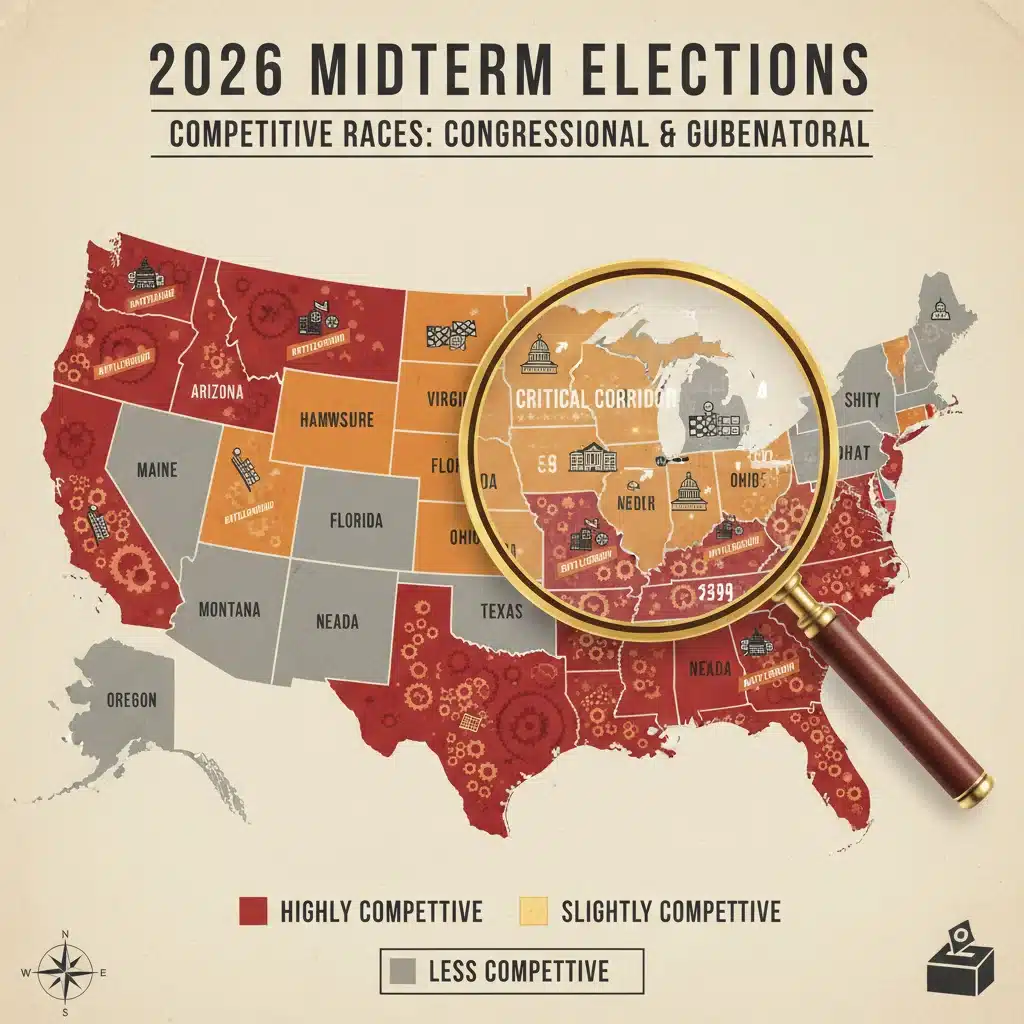
Beyond the raw numbers, the personalities of the candidates and the local issues they champion will also play a significant role. A charismatic challenger or a particularly vulnerable incumbent can dramatically alter the dynamics of a race, regardless of national trends. Campaign messaging, ground game operations, and the ability to connect with voters on a personal level will be paramount in these competitive districts and states as we head into the 2026 Midterm Elections.
Gubernatorial and State Legislative Contests
While much of the national spotlight focuses on congressional races, the gubernatorial and state legislative contests in the 2026 Midterm Elections are equally, if not more, impactful on the daily lives of citizens. Governors hold immense power, overseeing state budgets, appointing officials, and shaping policy on issues ranging from education and healthcare to infrastructure and environmental protection. Control of state legislatures dictates which laws are passed and how electoral districts are drawn, influencing future elections.
In 2026, a significant number of governorships will be up for election. Many of these races will be in states where the current governor is term-limited or where the incumbent faces a tough re-election battle. These contests often reflect local political dynamics and can be less influenced by national trends than congressional races. However, they can also serve as crucial proving grounds for emerging political talent and policy ideas that may eventually scale to the national level. The outcomes of these gubernatorial races will set the agenda for states for the next four years.
State legislative elections, though often receiving less media attention, are foundational to the American political system. Control of state houses dictates the legislative agenda, influences court appointments, and, critically, impacts the redistricting process that will follow the 2030 census. A shift in party control in just a few state legislative chambers could have long-lasting implications for political power and policy implementation. Both national parties recognize this and will be investing in grassroots efforts to support their candidates in these vital state-level contests during the 2026 Midterm Elections.
These state-level battles are often where the most significant policy innovations or retrenchments occur. From reproductive rights to climate change initiatives, many of the most contentious issues are debated and decided in state capitals. Therefore, paying close attention to these races is essential for understanding the full scope of the 2026 Midterm Elections‘ impact.
Key Policy Implications and Legislative Agendas
The results of the 2026 Midterm Elections will have profound policy implications, directly influencing the legislative agenda for the remainder of the current presidential term and beyond. Depending on which party controls Congress, we could see a push for specific legislative priorities, or alternatively, a period of legislative gridlock.
Economic Policy
Economic issues are almost always central to midterm elections. Voters will be considering inflation, job growth, wages, and the overall health of the economy. If one party gains significant ground, they may push for changes in fiscal policy, tax reform, or regulatory frameworks. For example, a shift in congressional power could lead to renewed debates on tax cuts, infrastructure spending, or adjustments to trade policies. The economic performance leading up to the 2026 Midterm Elections will undoubtedly be a major talking point for all campaigns.
Healthcare
Healthcare remains a perennial issue of concern for voters. The future of the Affordable Care Act (ACA), prescription drug costs, and access to healthcare services will likely be prominent topics. Depending on the election outcomes, there could be attempts to expand or repeal aspects of current healthcare legislation, or to introduce new reforms. State-level elections will also impact healthcare policy, particularly concerning Medicaid expansion and reproductive rights.
Environmental Policy and Climate Change
With increasing awareness of climate change and environmental concerns, these issues are expected to play a significant role. The 2026 Midterm Elections could determine the fate of environmental regulations, investments in renewable energy, and international climate agreements. A shift in congressional control could lead to either more aggressive climate action or a rollback of existing environmental protections, reflecting the stark differences between the parties on these issues.
Social Issues and Cultural Debates
Social issues, including reproductive rights, LGBTQ+ rights, gun control, and education policy, are often highly charged and can mobilize voters. Recent Supreme Court decisions and ongoing cultural debates mean these issues will likely be front and center in many campaigns. The outcomes of the 2026 Midterm Elections will directly impact legislative efforts at both federal and state levels concerning these sensitive topics.
Foreign Policy and National Security
While often less directly impacted by midterms than domestic policy, congressional control can influence foreign policy. Funding for defense, international aid, and the approach to global conflicts and alliances can all be shaped by the composition of Congress. The 2026 Midterm Elections could therefore indirectly affect the nation’s standing and actions on the global stage.
The Role of Campaign Finance and Digital Strategy
In modern elections, campaign finance and digital strategy are inextricably linked and play a colossal role in determining outcomes. The 2026 Midterm Elections will be no exception. The ability to raise funds allows candidates to reach more voters, hire staff, and produce compelling advertisements. Digital strategy, encompassing social media, targeted online advertising, and data analytics, has revolutionized how campaigns communicate and persuade.
Massive amounts of money will be poured into these elections from individual donors, political action committees (PACs), and super PACs. This funding fuels television ads, digital campaigns, and ground operations. The disclosure of these funds provides insight into which races are considered most competitive and where special interests are focusing their efforts. As we move through the 6-month countdown, fundraising reports will be closely scrutinized as indicators of a campaign’s viability and momentum.
Digital strategy is no longer a supplementary tool; it is central to modern campaigning. Campaigns will utilize sophisticated data analytics to identify potential voters, tailor messages to specific demographics, and mobilize supporters. Social media platforms will be battlegrounds for narratives, with candidates and their surrogates engaging directly with the public, often in real-time. The effective use of micro-targeting, online fundraising, and rapid response communication will be critical for success in the 2026 Midterm Elections. Misinformation and disinformation campaigns, often amplified through digital channels, will also be a challenge that campaigns and voters will have to navigate.
Voter Engagement and Turnout
Ultimately, the outcomes of the 2026 Midterm Elections will hinge on voter engagement and turnout. While presidential elections typically draw higher numbers, midterm turnout can vary significantly. Factors influencing turnout include the competitiveness of races, the salience of key issues, the effectiveness of voter mobilization efforts, and the overall political mood of the electorate.
Both parties will deploy extensive voter registration drives, canvassing operations, and get-out-the-vote (GOTV) initiatives in the months leading up to Election Day. Historically, the party out of power has often been more energized in midterms, viewing them as an opportunity to express dissatisfaction with the current administration. However, the incumbent party will also be highly motivated to defend its positions and prevent legislative setbacks. The ground game – the door-to-door and phone-banking efforts – remains a crucial component, especially in close races.

The role of independent and swing voters cannot be overstated. These voters, who do not consistently align with one party, often decide the closest contests. Campaigns will invest heavily in messaging designed to appeal to these undecided voters, often focusing on moderate positions and practical solutions to everyday problems. Understanding the concerns and motivations of these swing voters will be a key factor in predicting the direction of the 2026 Midterm Elections.
The Impact of National Narratives and Presidential Approval
National narratives and the approval rating of the sitting president are powerful forces in midterm elections. The 2026 Midterm Elections will be no different. The performance and popularity of the president will inevitably cast a long shadow over every race, from the top of the ticket down to local contests. A president with high approval ratings can be a significant asset to their party’s candidates, providing a coattail effect that helps them win. Conversely, a low approval rating can be a considerable drag, forcing candidates to distance themselves from the national party or focus exclusively on local issues.
The prevailing national narrative – whether it’s about economic prosperity, social unrest, or international crises – will also shape how voters perceive candidates and parties. Campaigns will work tirelessly to frame these narratives in their favor, attempting to connect their opponents to unpopular national trends or to highlight their own party’s successes. Media coverage, both traditional and social, will play a critical role in amplifying these narratives and influencing public opinion.
Furthermore, major national events or crises that occur in the six months leading up to the 2026 Midterm Elections could dramatically alter the political landscape. An unexpected economic downturn, a significant foreign policy event, or a major domestic issue could shift voter priorities and reshape the electoral map. Political strategists on both sides will be keenly aware of these potential disruptors and will be prepared to adapt their campaigns accordingly.
Looking Ahead: The Final Six Months
As we enter the final six months before the 2026 Midterm Elections, the political intensity will only escalate. This period will be characterized by a flurry of activity:
- Primary Elections: Many states will still be holding primary elections to finalize their candidates, which can sometimes be as contentious as the general election.
- Debates: Candidate debates will become more frequent, offering direct comparisons between contenders and opportunities for viral moments.
- Advertising Blitz: Expect an unprecedented volume of political advertisements across all media platforms, each vying for voter attention and attempting to define opponents.
- Polling and Projections: Pollsters and political analysts will be working overtime, releasing regular surveys and updated projections, which will influence campaign strategies and media narratives.
- Voter Registration and Mobilization: Both parties will intensify their efforts to register new voters and ensure their supporters turn out on Election Day.
- National Conventions and Rallies: While not as prominent as presidential election years, national parties will host events and rallies to energize their base and present a united front.
For citizens, these six months present an opportunity to become deeply engaged. Researching candidates, understanding their platforms, following debates, and participating in the electoral process are crucial. The outcomes of the 2026 Midterm Elections will not just be decided by politicians and strategists; they will be decided by the informed choices of millions of voters.
Conclusion
The 2026 Midterm Elections are poised to be a pivotal moment in American politics. With a 6-month countdown now officially underway, the focus shifts to the key races, the compelling policy implications, and the strategies that will define this critical electoral cycle. From the battle for congressional control to the significant impact of gubernatorial and state legislative contests, every election will contribute to the broader political narrative.
Understanding the historical context, the influence of national narratives, the power of campaign finance and digital strategy, and the ultimate importance of voter engagement are all crucial elements for comprehending what lies ahead. As citizens, our role in staying informed and participating actively becomes ever more vital. The next six months will be a whirlwind of political activity, culminating in decisions that will shape the nation’s direction for years to come. The 2026 Midterm Elections are not just about who wins or loses; they are about the future of policy, governance, and the very fabric of American society.