Autonomous Vehicles US Regulations 2026: Navigating the Future

The dawn of autonomous vehicles (AVs) promises a revolutionary transformation in transportation, offering the potential for enhanced safety, reduced congestion, and increased accessibility. However, this future is intricately linked to the development and implementation of robust regulatory frameworks. As we rapidly approach 2026, the landscape of Autonomous Vehicles US Regulations is a dynamic and critical area of focus for manufacturers, policymakers, and consumers alike. The United States, with its diverse legal systems across states and a complex federal structure, faces unique challenges and opportunities in harmonizing these regulations to foster innovation while ensuring public safety. Understanding the current trajectory and anticipated changes in Autonomous Vehicles US Regulations is paramount for anyone involved in or impacted by this groundbreaking technology.
The Current State of Autonomous Vehicles US Regulations
Currently, the regulatory environment for autonomous vehicles in the US is a patchwork of state and federal guidelines, often leading to confusion and hindering widespread deployment. At the federal level, the National Highway Traffic Safety Administration (NHTSA) plays a crucial role in vehicle safety standards, but their approach to AVs has primarily been through voluntary guidelines and research, rather than prescriptive regulations. This hands-off approach has allowed for rapid innovation but has also created a void that states have attempted to fill, often with varying degrees of success and consistency. The lack of a unified federal framework means that a company testing or deploying AVs might face different rules regarding licensing, operational design domains (ODDs), and liability across state lines. This fragmented approach to Autonomous Vehicles US Regulations presents significant operational and legal hurdles for companies aiming for nationwide scalability.
Many states have enacted their own legislation regarding AV testing and deployment. Some states, like California and Arizona, have been at the forefront, establishing detailed permit processes, reporting requirements, and even specific rules for human supervision. Other states have adopted more permissive stances, while some have yet to address AVs explicitly in their statutes. This disparity underscores the urgent need for a more cohesive national strategy to govern Autonomous Vehicles US Regulations. Without it, the industry risks Balkanization, slowing down progress and potentially compromising safety standards due to differing interpretations and enforcement mechanisms.
The federal government’s role has largely been focused on encouraging the development of voluntary safety assessments and best practices. While valuable, these voluntary measures do not carry the force of law, leaving a gap in enforceable safety standards specifically tailored for AVs. The industry has largely self-regulated in many aspects, relying on internal safety protocols and rigorous testing. However, as AVs become more sophisticated and their deployment expands beyond controlled environments, the demand for clear, legally binding Autonomous Vehicles US Regulations will only intensify.
Key Regulatory Challenges for 2026
As 2026 approaches, several critical regulatory challenges demand attention to facilitate the safe and efficient integration of autonomous vehicles into daily life. One of the foremost challenges is the establishment of clear safety standards. How do we define and measure an AV’s safety performance? What constitutes an acceptable level of risk? These questions are central to developing effective Autonomous Vehicles US Regulations. Traditional vehicle safety standards often rely on human driver behavior and performance, which are not directly applicable to AI-driven systems. New metrics and methodologies are needed to assess the safety of AV software, hardware, and operational capabilities under a vast array of driving conditions.
Another significant hurdle is liability. In the event of an accident involving an autonomous vehicle, who is at fault? Is it the vehicle manufacturer, the software developer, the sensor supplier, the vehicle owner, or a combination thereof? Existing liability laws are ill-equipped to handle the complexities introduced by AV technology. Crafting comprehensive Autonomous Vehicles US Regulations that clearly define liability will be crucial for building public trust and providing legal clarity for all stakeholders. This involves potentially re-evaluating tort law principles and considering new insurance models tailored for AVs.
Data privacy and cybersecurity also present formidable challenges. Autonomous vehicles collect vast amounts of data about their surroundings, occupants, and operational performance. Protecting this sensitive data from breaches and ensuring its ethical use is paramount. Furthermore, AVs are highly connected systems, making them potential targets for cyberattacks. Robust cybersecurity frameworks must be integrated into Autonomous Vehicles US Regulations to prevent malicious actors from compromising vehicle control, data integrity, or passenger safety. This includes standards for software updates, data encryption, and intrusion detection systems.
Interoperability and communication standards are also vital. For AVs to operate seamlessly and safely, especially in mixed-traffic environments alongside human-driven vehicles and other AVs, common communication protocols are essential. This includes vehicle-to-vehicle (V2V) and vehicle-to-infrastructure (V2I) communication. Developing and enforcing these standards will be a significant undertaking for future Autonomous Vehicles US Regulations, ensuring that different AV systems can communicate effectively and share critical information to prevent accidents and optimize traffic flow.
Finally, public acceptance and ethical considerations cannot be overlooked. Even with robust regulations, public trust is essential for widespread AV adoption. Addressing concerns about job displacement, algorithmic bias, and the ethical dilemmas inherent in autonomous decision-making will be critical. While not strictly regulatory, these factors will undoubtedly influence the political will and public support for evolving Autonomous Vehicles US Regulations.
Opportunities for a Harmonized Federal Approach by 2026
Despite the challenges, the period leading up to 2026 presents a significant opportunity for the US to establish a more harmonized and comprehensive federal approach to Autonomous Vehicles US Regulations. A unified federal framework would provide much-needed clarity for manufacturers, encouraging greater investment and accelerating the deployment of AV technology. It would also ensure a consistent level of safety across all states, preventing a ‘race to the bottom’ where some states might adopt lax regulations to attract AV testing.

One key opportunity lies in developing a national certification process for autonomous vehicles. Similar to how aircraft are certified, a federal agency could establish a rigorous testing and approval process for AV systems before they are allowed on public roads. This would move beyond voluntary guidelines and provide a clear pathway for manufacturers to demonstrate compliance with safety standards. Such a system would streamline the process for companies and instill greater confidence in the public regarding the safety of AVs, directly impacting the effectiveness of Autonomous Vehicles US Regulations.
Furthermore, a federal framework could address the issue of data collection and privacy more effectively. By setting national standards for how AV data is collected, stored, and used, the government could protect consumer privacy while still allowing for data sharing that is essential for ongoing research and development. This would involve collaboration between regulatory bodies like NHTSA and privacy-focused agencies to create a balanced approach within Autonomous Vehicles US Regulations.
Another area of opportunity is the development of a national AV testing program. While many states currently have their own testing guidelines, a coordinated federal program could standardize testing methodologies, data collection, and incident reporting. This would allow for more efficient data analysis, faster identification of potential safety issues, and the sharing of best practices across the industry. A unified testing framework would be a cornerstone of effective Autonomous Vehicles US Regulations, fostering innovation while maintaining a high bar for safety.
The federal government also has the capacity to lead international harmonization efforts. As AV technology is global, aligning US regulations with those of other leading nations could facilitate global trade, reduce development costs for manufacturers, and ensure consistent safety standards worldwide. This proactive engagement in international dialogue would strengthen the global impact of Autonomous Vehicles US Regulations and position the US as a leader in AV policy.
Finally, a harmonized federal approach can foster public education and engagement. By providing clear, consistent information about AV technology, its benefits, and its limitations, the federal government can help build public understanding and trust. This includes addressing common misconceptions and engaging with communities to ensure that AV deployment is equitable and addresses societal needs, thereby creating a more receptive environment for the implementation of Autonomous Vehicles US Regulations.
Technological Advancements Driving Regulatory Needs
The rapid pace of technological advancement in autonomous vehicles is a primary driver behind the evolving need for robust Autonomous Vehicles US Regulations. As AV systems become more sophisticated, integrating advanced sensors, artificial intelligence, and machine learning, the regulatory frameworks must adapt to these new capabilities and complexities. For instance, the development of Level 4 and Level 5 autonomous vehicles, which can operate without human intervention in specific or all conditions, respectively, introduces entirely new regulatory considerations compared to earlier, more supervised levels of autonomy.
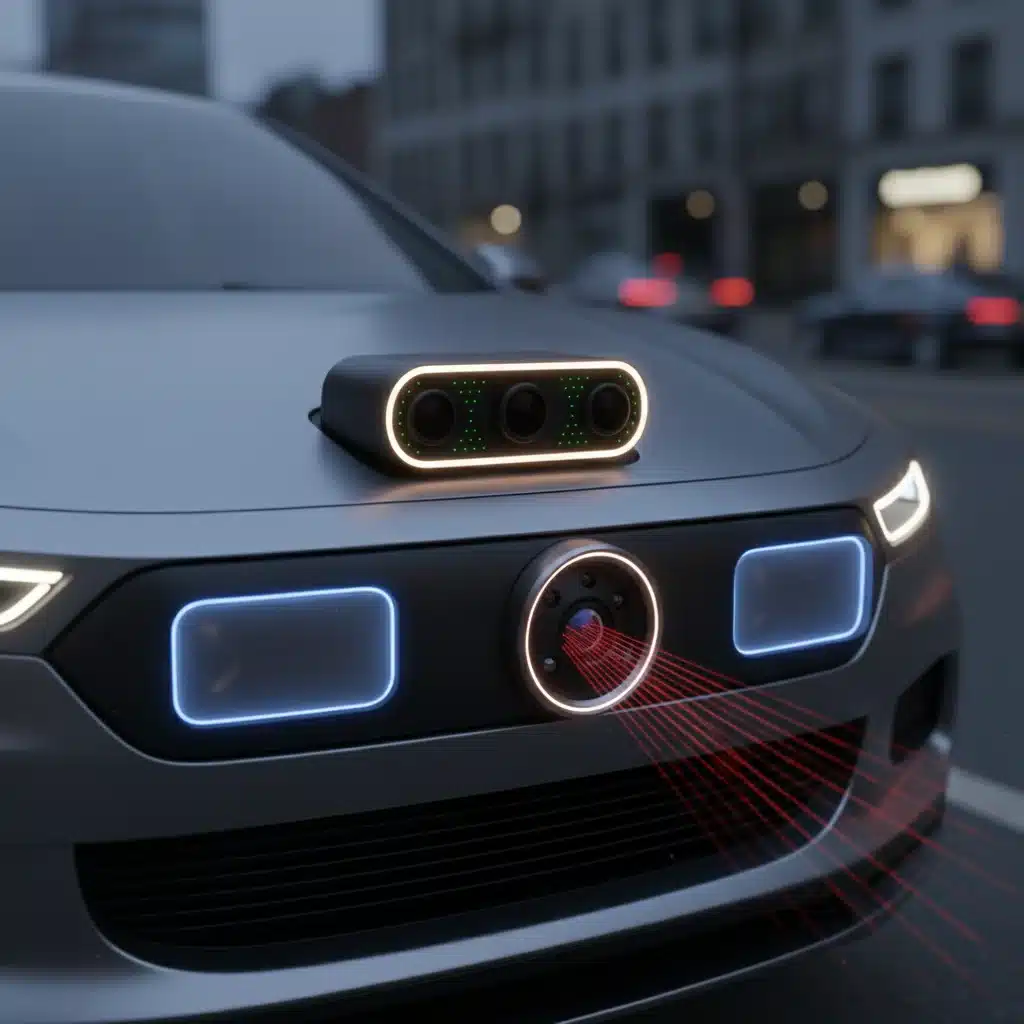
Artificial intelligence and machine learning algorithms are at the heart of modern AVs, enabling them to perceive their environment, predict the behavior of other road users, and make complex driving decisions. Regulating these AI systems is challenging because their decision-making processes can be opaque (‘black box’ problem) and their behavior can evolve over time through continuous learning. Future Autonomous Vehicles US Regulations will need to address how to ensure the safety, fairness, and transparency of these AI systems, potentially requiring new methods for auditing and validating their performance.
The increasing integration of vehicle-to-everything (V2X) communication technologies, including V2V and V2I, further complicates the regulatory landscape. While V2X promises to enhance safety and efficiency by allowing vehicles to communicate with each other and with infrastructure, it also introduces new vulnerabilities related to cybersecurity and data privacy. Autonomous Vehicles US Regulations will need to establish standards for V2X communication protocols, data encryption, and secure network architectures to prevent unauthorized access or manipulation.
Another area of rapid technological change is sensor technology. Lidar, radar, cameras, and ultrasonic sensors are continually improving in accuracy, range, and reliability. These advancements enhance an AV’s ability to perceive its surroundings, even in challenging weather conditions or low light. However, regulations must keep pace by establishing performance standards for these sensors, ensuring their robustness and reliability under various operating conditions. This includes defining acceptable levels of sensor redundancy and fallback systems in case of sensor failure, directly influencing the stringency of Autonomous Vehicles US Regulations.
The development of advanced mapping and localization technologies also plays a crucial role. High-definition maps, combined with precise GPS and inertial measurement units, allow AVs to accurately position themselves within their environment. Regulations may need to address the accuracy, currency, and maintenance of these maps, as well as the protocols for sharing and updating map data across different AV platforms. The integrity of these mapping systems is fundamental to the safe operation of autonomous vehicles, making them a key consideration for future Autonomous Vehicles US Regulations.
Economic and Societal Impact of AV Regulations
The regulatory framework for autonomous vehicles in the US will have profound economic and societal implications. Clear and consistent Autonomous Vehicles US Regulations can unlock significant economic benefits by fostering innovation, attracting investment, and creating new industries and jobs. Conversely, a fragmented or overly burdensome regulatory environment could stifle progress, delay deployment, and put the US at a disadvantage compared to other nations with more streamlined policies.
Economically, the AV industry is projected to be a multi-trillion-dollar market. Effective Autonomous Vehicles US Regulations are essential to realize this potential, providing the stability and predictability that businesses need to make long-term investments in research, development, and manufacturing. This includes regulations that support the commercialization of AV technology, from autonomous ride-hailing services to self-driving logistics and delivery. The clarity provided by well-defined regulations can significantly reduce the cost of compliance for companies, allowing them to focus resources on innovation rather than navigating a labyrinth of state-specific rules.
Societally, AVs have the potential to dramatically improve road safety by eliminating human error, which is a factor in over 90% of all traffic accidents. Robust Autonomous Vehicles US Regulations that prioritize safety are therefore critical to realizing this life-saving potential. Beyond safety, AVs could enhance mobility for elderly individuals, people with disabilities, and those without access to personal vehicles, thereby increasing social equity. Regulations should consider these societal benefits and aim to facilitate equitable access to AV technology, ensuring that its advantages are shared broadly across the population.
However, the economic and societal impacts also present challenges. The potential for job displacement in the transportation sector, particularly for professional drivers, is a significant concern. Autonomous Vehicles US Regulations might need to incorporate provisions or support programs to address these workforce transitions, such as retraining initiatives or unemployment benefits tailored to affected workers. Addressing these social impacts proactively can help build public support for AV deployment and minimize negative consequences.
Urban planning and infrastructure development will also be influenced by AV regulations. As AVs become more common, cities may need to adapt their infrastructure to support these vehicles, including dedicated lanes, charging stations for electric AVs, and V2I communication systems. Regulations could incentivize or mandate such infrastructure upgrades, shaping the future of urban mobility. This holistic approach to Autonomous Vehicles US Regulations, considering both the vehicles and the environment they operate in, is essential for successful integration.
The Path Forward: Collaboration and Adaptability
The successful navigation of Autonomous Vehicles US Regulations by 2026 and beyond will require an unprecedented level of collaboration and adaptability. Collaboration among federal agencies, state governments, industry stakeholders, academia, and consumer advocacy groups is crucial. A unified federal strategy should not override state and local concerns but rather provide a foundational framework that allows for local flexibility where appropriate. This means fostering ongoing dialogue and information sharing to ensure that regulations are informed by real-world data and technological advancements.
The regulatory framework must also be inherently adaptable. Given the rapid evolution of AV technology, prescriptive, rigid regulations could quickly become outdated and stifle innovation. Instead, Autonomous Vehicles US Regulations should adopt a performance-based approach, setting clear safety goals and outcomes rather than dictating specific technological solutions. This allows manufacturers the flexibility to innovate while still being held accountable for safety performance. Regular review cycles and mechanisms for updating regulations in response to new data and technological breakthroughs will be essential.
Public engagement and education will continue to be vital. As regulations are developed and refined, actively involving the public in the conversation can help address concerns, build trust, and ensure that the regulatory framework reflects societal values and expectations. This includes transparent communication about AV capabilities, limitations, and the measures being taken to ensure safety. The success of Autonomous Vehicles US Regulations ultimately hinges on public acceptance and confidence in the technology.
Investment in research and development, both by the public and private sectors, will also be critical to inform regulatory decisions. Understanding the nuances of AV safety, cybersecurity, and human-machine interaction requires continuous scientific inquiry. Regulators need access to the latest data and expertise to make informed decisions that are both effective and fair. This includes funding for independent research into AV safety metrics and performance validation.
Finally, learning from international experiences can provide valuable insights. Many countries are grappling with similar regulatory challenges for autonomous vehicles. Studying their approaches, successes, and failures can help the US refine its own Autonomous Vehicles US Regulations, adopting best practices and avoiding pitfalls. This global perspective is increasingly important in an interconnected world where technology transcends national borders.
Conclusion: Shaping the Future of Mobility with Sound Regulations
The journey towards a future dominated by autonomous vehicles is exciting and fraught with complexities. By 2026, the progress made in establishing clear, consistent, and adaptable Autonomous Vehicles US Regulations will largely determine the pace and safety of this transformation. The challenges are significant, ranging from defining new safety standards and resolving liability issues to addressing data privacy and cybersecurity concerns. However, the opportunities for economic growth, enhanced safety, and improved mobility are equally immense.
A harmonized federal approach, built on collaboration between all stakeholders and a commitment to continuous adaptation, is the most promising path forward. By prioritizing performance-based regulations, investing in research, and engaging the public, the United States can create a regulatory environment that fosters innovation while ensuring the highest standards of safety and public trust. The decisions made regarding Autonomous Vehicles US Regulations in the coming years will not only shape the future of transportation but also set a precedent for how society integrates other transformative technologies. The time to act decisively and strategically is now, to unlock the full potential of autonomous mobility for generations to come.