Augmented Reality in Manufacturing: 20% Training Time Reduction by 2026
Augmented Reality in Manufacturing: U.S. Firms Project a 20% Reduction in Training Time by 2026
The landscape of manufacturing is undergoing a profound transformation, driven by technological advancements that are reshaping every facet of production, from design to delivery. Among these groundbreaking innovations, Augmented Reality (AR) stands out as a powerful catalyst for change, particularly in the realm of workforce training and skill development. In the United States, manufacturing firms are increasingly recognizing the immense potential of AR, with projections indicating a remarkable 20% reduction in training time by 2026. This isn’t merely an incremental improvement; it signifies a paradigm shift in how industrial skills are acquired, refined, and deployed, promising unprecedented levels of efficiency, safety, and productivity across the sector.
The manufacturing industry has historically faced significant challenges in training its workforce. The complexity of modern machinery, the need for precision in assembly, and the constant evolution of production processes demand continuous learning and adaptation. Traditional training methods, often relying on manuals, classroom lectures, and on-the-job shadowing, can be time-consuming, resource-intensive, and sometimes less effective in conveying intricate procedures. This is where AR manufacturing training emerges as a game-changer, offering immersive, interactive, and highly effective learning experiences that accelerate skill acquisition and reduce the learning curve.
This comprehensive article will delve into the transformative power of AR in U.S. manufacturing. We will explore the core benefits that drive the projected reduction in training time, examine the diverse applications of AR across various manufacturing processes, and discuss the technological underpinnings that make these advancements possible. Furthermore, we will address the challenges associated with AR implementation, provide insights into successful deployment strategies, and cast a forward-looking gaze at the future trends that will continue to shape the integration of augmented reality into industrial training and operations. Understanding the nuances of AR manufacturing training is crucial for any firm looking to stay competitive and agile in the rapidly evolving global market.
Understanding the Core of Augmented Reality in Manufacturing Training
Augmented Reality (AR) is a technology that overlays digital information onto the real world, enhancing a user’s perception of their physical environment. Unlike Virtual Reality (VR), which creates an entirely artificial environment, AR maintains the user’s connection to reality while augmenting it with virtual elements. In the context of manufacturing, this means workers can see digital instructions, 3D models, performance data, and other critical information directly superimposed onto the equipment or products they are working on. This direct, context-aware information delivery is the cornerstone of effective AR manufacturing training.
The fundamental principle behind AR’s effectiveness in training lies in its ability to provide experiential learning. Humans learn best by doing, and AR facilitates this by guiding trainees through real-world tasks with immediate, visual feedback. Instead of reading a manual or watching a video, a trainee can put on an AR headset and see exactly where to place a component, how to perform a delicate weld, or which tool to use for a specific repair. This hands-on, guided approach significantly reduces ambiguity and accelerates the mastery of complex procedures, making AR manufacturing training incredibly powerful.
Moreover, AR training modules can be highly standardized and repeatable. This ensures that every trainee receives consistent, high-quality instruction, regardless of the individual trainer’s experience or teaching style. This standardization is particularly valuable in industries where precision and adherence to strict protocols are paramount. By leveraging AR, manufacturing firms can build a highly skilled and uniformly trained workforce, leading to fewer errors, improved product quality, and enhanced operational safety.
The technology itself encompasses various forms, from smartphone and tablet-based AR applications to sophisticated head-mounted displays (HMDs) like smart glasses. Each form factor offers different levels of immersion and practicality, depending on the specific training needs. For complex assembly or maintenance tasks, HMDs provide a hands-free experience, allowing workers to interact directly with machinery while receiving visual cues. For simpler tasks or initial familiarization, tablet-based AR can be effective. The versatility of AR technology allows for tailored training solutions that cater to the diverse requirements of modern manufacturing environments, further solidifying the case for widespread adoption of AR manufacturing training.
The Projected 20% Reduction: How AR Drives Efficiency in Training
The projection of a 20% reduction in training time by 2026 is not an arbitrary figure; it’s a testament to the tangible benefits that Augmented Reality brings to the manufacturing sector. This efficiency gain stems from several key areas where AR significantly outperforms traditional training methodologies. The impact of AR manufacturing training on the learning curve is truly transformative.
Accelerated Skill Acquisition
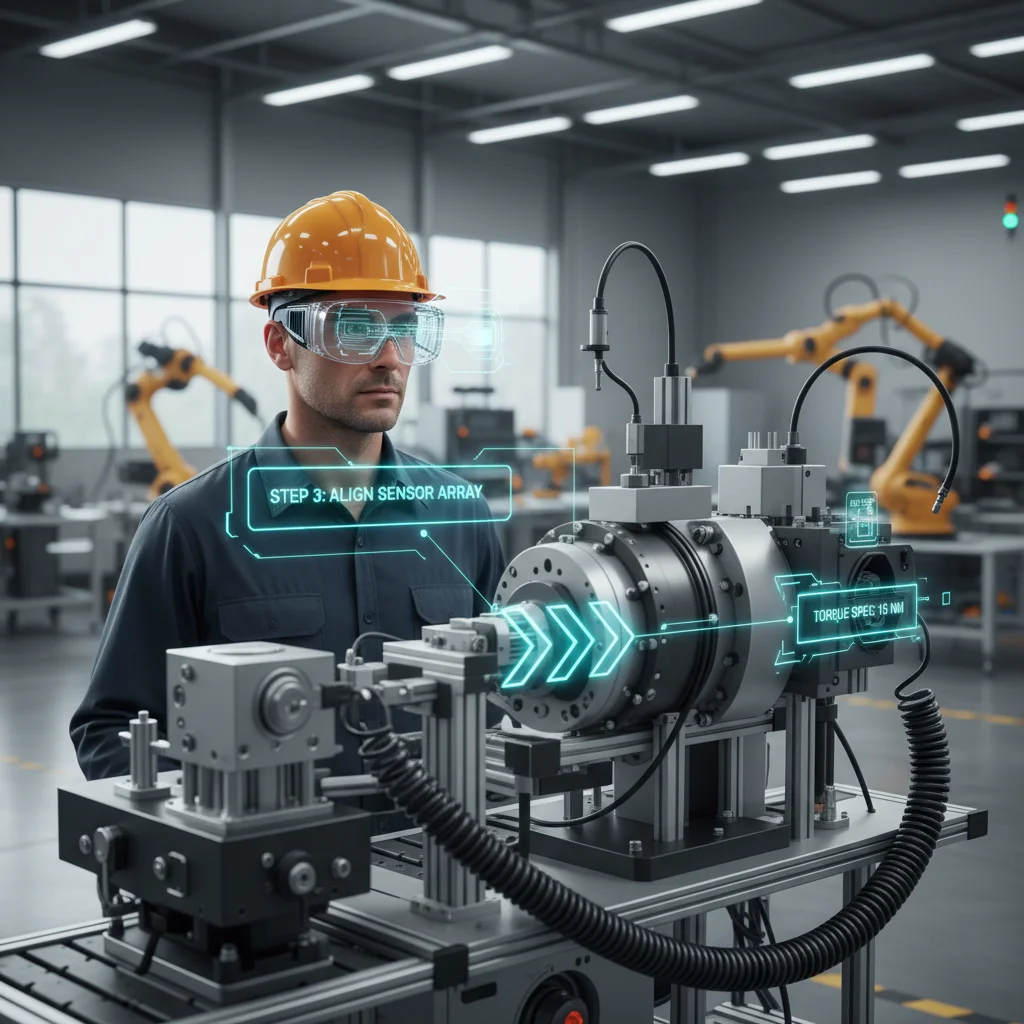
One of the most significant contributions of AR is its ability to accelerate skill acquisition. By providing real-time, context-sensitive guidance, AR allows trainees to grasp complex procedures much faster. Imagine an apprentice learning to assemble a intricate engine component. Instead of flipping through a manual or constantly asking a supervisor, the AR headset projects a 3D overlay of the component, highlighting the exact placement, torque specifications, and sequence of steps. This immediate visual feedback and guided execution mean fewer mistakes, less frustration, and a quicker path to proficiency. This directness in learning is a core driver for the observed reduction in training durations through AR manufacturing training.
Reduced Error Rates and Rework
Mistakes during training can be costly, leading to damaged materials, wasted time, and potential safety hazards. AR minimizes these risks by guiding trainees precisely through each step, effectively acting as an intelligent co-pilot. If a step is missed or performed incorrectly, the AR system can immediately flag the error and provide corrective instructions. This proactive error prevention not only saves resources but also instills confidence in trainees, allowing them to learn without the fear of making critical mistakes. The reduction in rework directly translates into saved time and resources, contributing to the overall efficiency boost from AR manufacturing training.
Improved Knowledge Retention
Experiential learning, facilitated by AR, has a profound impact on knowledge retention. When trainees actively engage with the material in a hands-on, interactive manner, the information is processed and stored more effectively in long-term memory. Unlike passive learning methods, AR creates a memorable experience, linking theoretical knowledge with practical application. This improved retention means less need for repetitive training sessions and quicker recall of procedures when needed, making the investment in AR manufacturing training highly beneficial in the long run.
On-Demand Training and Support
AR also enables on-demand training and performance support. Experienced workers can quickly refresh their memory on a specific procedure without needing to consult lengthy documentation. New workers can access training modules whenever and wherever they need them, facilitating flexible learning schedules. This flexibility is particularly valuable in dynamic manufacturing environments where production lines might change or new equipment is introduced. The ability to pull up relevant training content instantly significantly reduces downtime and keeps the workforce agile, underscoring the adaptability of AR manufacturing training.
Standardization and Consistency
As mentioned earlier, AR ensures a consistent training experience for every employee. This standardization guarantees that all workers are trained to the same high level of proficiency, adhering to company best practices and safety protocols. This consistency is vital for maintaining product quality and operational integrity across the entire manufacturing footprint. By removing variability in instruction, AR manufacturing training builds a more reliable and predictable workforce.
Key Applications of AR in Manufacturing Training
The versatility of AR allows for its application across a wide spectrum of training scenarios within manufacturing. From onboarding new hires to continuous upskilling of experienced personnel, AR offers tailored solutions that address specific learning needs. The diverse applications showcase the breadth of impact of AR manufacturing training.
Onboarding and New Hire Training
Bringing new employees up to speed quickly and efficiently is a critical challenge for manufacturing firms. AR can dramatically streamline the onboarding process by providing interactive, self-paced training modules for workstation familiarization, safety procedures, and initial assembly tasks. New hires can learn at their own pace, with immediate feedback and guidance, reducing the burden on experienced supervisors and accelerating their integration into the production team. This initial exposure through AR manufacturing training sets a strong foundation.
Complex Assembly and Disassembly Procedures
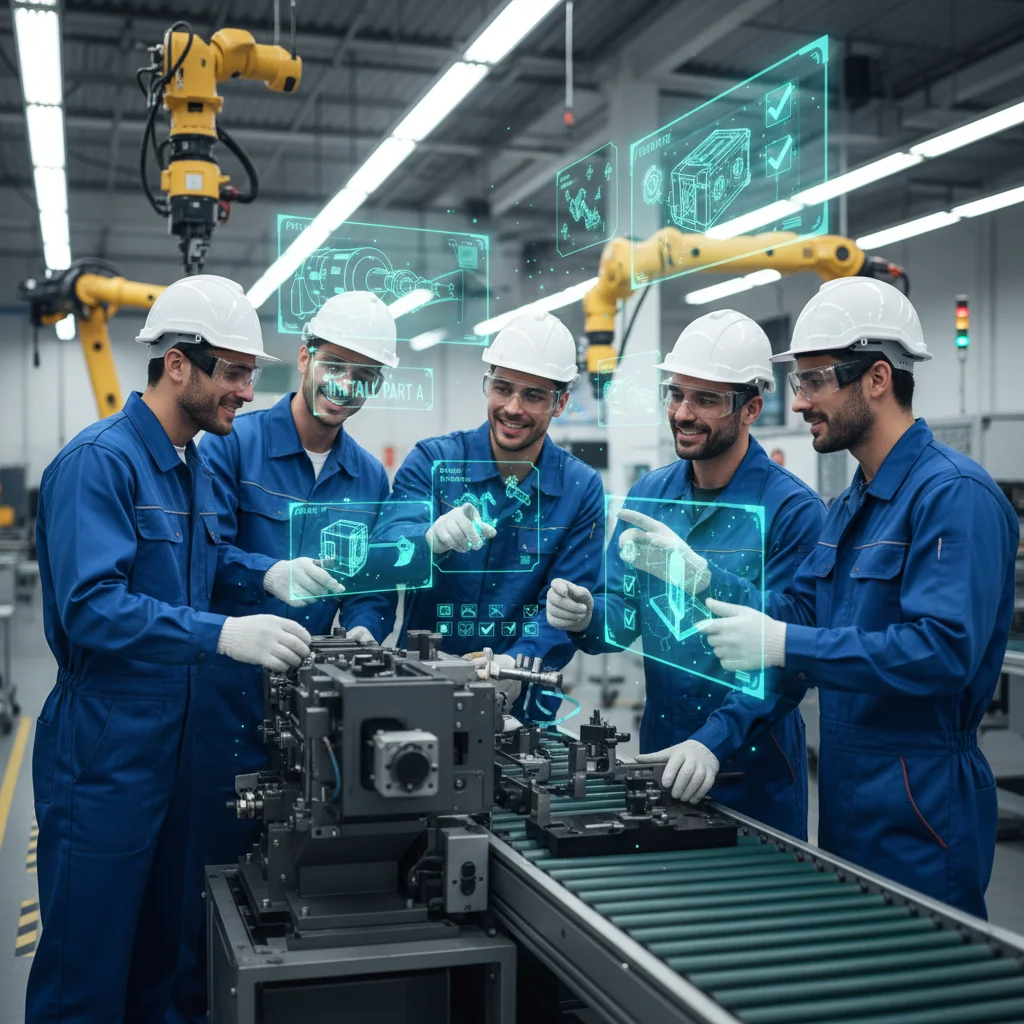
Many manufacturing processes involve intricate assembly or disassembly sequences that require precise movements and knowledge of numerous components. AR overlays can guide workers through these complex steps, showing exactly where each part goes, the correct orientation, and the tools required. This visual guidance is invaluable for tasks in aerospace, automotive, and electronics manufacturing, where errors can be costly and time-consuming. The precision offered by AR manufacturing training in these scenarios is unparalleled.
Maintenance and Repair Operations
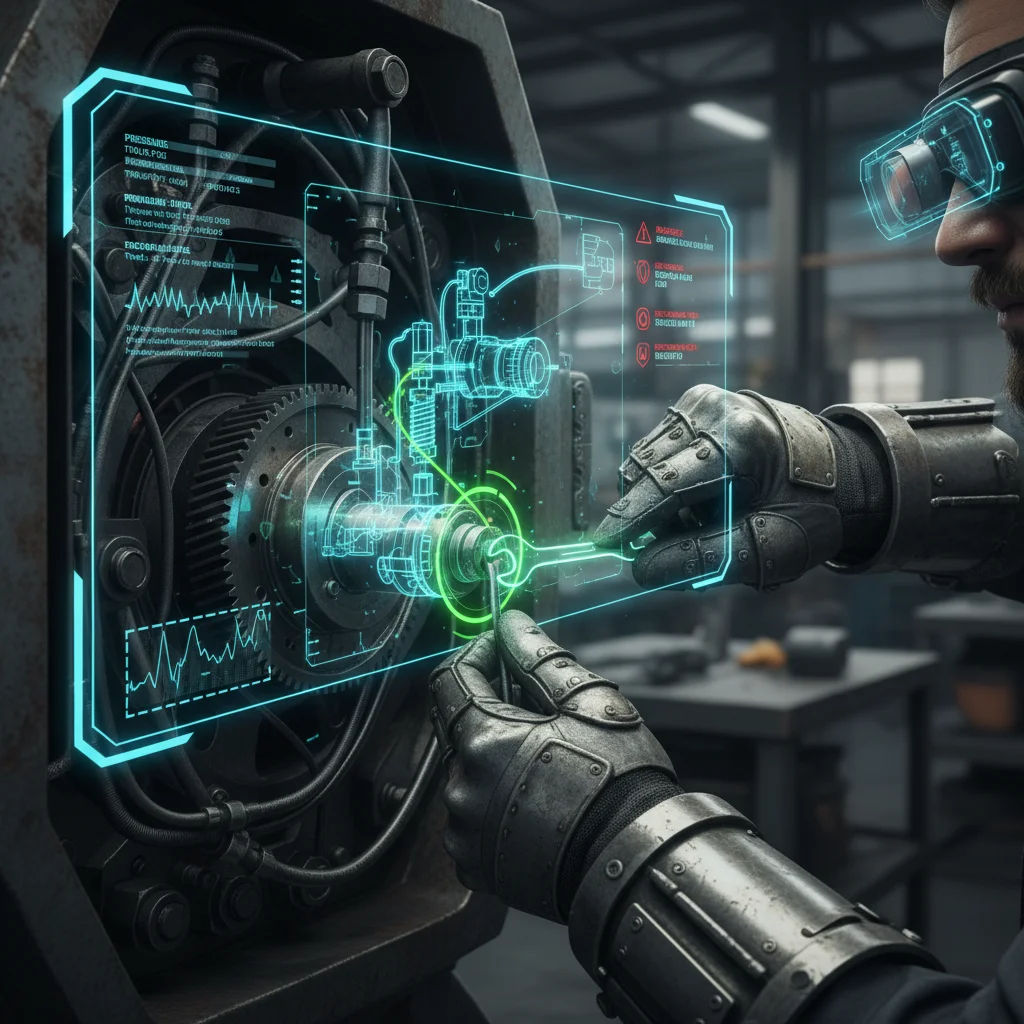
Troubleshooting and repairing industrial machinery often requires access to schematics, manuals, and expert knowledge. AR can superimpose digital schematics, real-time diagnostic data, and step-by-step repair instructions directly onto the equipment. This empowers technicians to perform repairs more quickly and accurately, reducing downtime and improving overall equipment effectiveness (OEE). Remote expert assistance via AR allows off-site specialists to guide on-site technicians, further enhancing efficiency. This makes AR manufacturing training essential for maintenance teams.
Quality Control and Inspection
Ensuring product quality is paramount in manufacturing. AR can assist in quality control and inspection processes by highlighting areas for inspection, providing checklists, and even overlaying acceptable tolerance ranges onto physical products. This helps inspectors identify defects more consistently and accurately, reducing human error and improving overall product quality. Training new quality control personnel with AR manufacturing training ensures a standardized and rigorous approach.
Safety and Compliance Training
Workplace safety is non-negotiable. AR can create immersive safety training simulations, allowing workers to practice responding to hazardous situations in a safe, controlled environment. From identifying potential risks to practicing emergency shutdown procedures, AR can reinforce safety protocols more effectively than traditional methods, leading to a safer working environment and better compliance. This critical application of AR manufacturing training protects both employees and assets.
Machine Operation and Programming
Operating and programming advanced machinery, such as CNC machines or robotic arms, requires specialized skills. AR can provide interactive tutorials for machine setup, operation, and programming, allowing trainees to practice in a virtual overlay before interacting with the physical equipment. This reduces the risk of costly mistakes and accelerates the learning curve for new and complex machinery. The role of AR manufacturing training in mastering advanced machinery is only growing.
Technological Foundations and Implementation Strategies
The successful integration of AR into manufacturing training relies on a robust technological foundation and well-thought-out implementation strategies. Understanding these aspects is crucial for firms looking to leverage AR manufacturing training effectively.
Hardware Considerations
The choice of AR hardware is critical. Options range from consumer-grade smartphones and tablets, which are accessible and cost-effective for simpler applications, to industrial-grade smart glasses and head-mounted displays (HMDs) designed for rugged environments and hands-free operation. Factors such as field of view, battery life, processing power, and environmental durability must be considered based on the specific training needs and working conditions. Investing in the right hardware for AR manufacturing training is a foundational step.
Software Platforms and Content Creation
Developing AR training content requires specialized software platforms. These platforms often provide tools for creating 3D models, animating sequences, and integrating digital information with real-world objects. Some platforms offer drag-and-drop interfaces for easier content creation, while others require more advanced programming skills. The ability to easily create, update, and manage AR content is vital for the long-term sustainability of AR manufacturing training programs.
Connectivity and Data Integration
For AR to deliver real-time data and insights, seamless connectivity (e.g., Wi-Fi, 5G) and integration with existing enterprise systems (e.g., MES, ERP, PLM) are essential. This allows AR applications to pull relevant information, such as work instructions, sensor data, or inventory levels, and push training progress data back into learning management systems. Robust data integration ensures that AR manufacturing training is dynamic and responsive to real-world conditions.
Pilot Programs and Scalability
Successful implementation often begins with pilot programs in specific areas or departments. This allows firms to test the technology, gather feedback from users, and refine their strategies before a wider rollout. Scalability is also a key consideration; the chosen AR solution should be able to expand to accommodate a growing workforce and evolving training requirements. A phased approach to implementing AR manufacturing training can mitigate risks and ensure smooth adoption.
Change Management and User Adoption
Introducing new technology always comes with the challenge of user adoption. Effective change management strategies, including clear communication, comprehensive training on how to use the AR devices, and demonstrating the benefits to employees, are crucial. Involving workers in the selection and design process can foster a sense of ownership and increase acceptance of AR manufacturing training.
Challenges and Considerations for AR Implementation
While the benefits of AR in manufacturing training are substantial, firms must also be aware of potential challenges and considerations during implementation. Addressing these proactively will ensure a smoother transition and maximize the return on investment for AR manufacturing training.
Initial Investment Costs
The upfront cost of AR hardware (especially industrial-grade HMDs) and software licenses can be significant. Firms need to conduct a thorough cost-benefit analysis to justify the investment, considering the long-term savings from reduced training time, improved efficiency, and lower error rates. The ROI for AR manufacturing training often becomes clear over time.
Technical Complexity
Developing and deploying AR solutions can be technically complex, requiring expertise in areas such as 3D modeling, software development, and data integration. Firms may need to invest in training existing IT staff or hiring new talent with specialized AR skills. Partnering with experienced AR solution providers can also help overcome this hurdle for complex AR manufacturing training systems.
Data Privacy and Security
AR systems often handle sensitive operational data and potentially personal employee data. Ensuring robust data privacy and security measures is paramount to protect proprietary information and comply with regulations. Secure data transmission and storage protocols are essential for any AR manufacturing training deployment.
Ergonomics and User Comfort
Wearing AR headsets for extended periods can sometimes lead to discomfort or fatigue. Manufacturers of AR devices are continuously improving ergonomics, but it’s important to consider user comfort during device selection and to implement breaks during extended training sessions. User feedback is vital for optimizing the comfort of AR manufacturing training equipment.
Integration with Existing Systems
Integrating AR platforms with existing legacy systems (e.g., ERP, MES, PLM) can be challenging. Ensuring seamless data flow and interoperability is crucial for AR applications to function effectively and provide real-time information. A well-planned integration strategy is key to the success of AR manufacturing training.
Content Creation and Maintenance
Creating high-quality AR training content requires effort and resources. Furthermore, as products and processes evolve, the AR content needs to be updated regularly to remain accurate and relevant. Firms must allocate resources for ongoing content creation and maintenance to keep their AR manufacturing training programs effective.
The Future of AR in U.S. Manufacturing Training
The trajectory for Augmented Reality in U.S. manufacturing training is one of continued growth and innovation. As the technology matures and becomes more accessible, its integration into industrial operations will deepen, leading to even more significant gains in efficiency and skill development. The future of AR manufacturing training is bright and dynamic.
Enhanced Realism and Haptic Feedback
Future AR systems will likely offer even greater realism, with higher resolution displays and more sophisticated tracking capabilities. The integration of haptic feedback, allowing users to ‘feel’ virtual objects or actions, will further enhance the immersive quality of training simulations, making them almost indistinguishable from real-world tasks. This will elevate the effectiveness of AR manufacturing training to new heights.
AI-Powered Adaptive Learning
The combination of AR with Artificial Intelligence (AI) will revolutionize personalized training. AI algorithms will analyze a trainee’s performance, identify areas of weakness, and adapt the AR training modules in real-time to focus on those specific areas. This adaptive learning approach will optimize individual learning paths, further reducing training time and maximizing skill development. The synergy between AI and AR manufacturing training promises unprecedented personalization.
Remote Collaboration and Expert Assistance
While already in use, remote collaboration capabilities in AR will become even more sophisticated. Experts will be able to virtually ‘teleport’ into a factory floor, guiding technicians through complex procedures from anywhere in the world, complete with shared annotations, 3D models, and real-time data overlays. This will be invaluable for global operations and specialized tasks requiring rare expertise, making AR manufacturing training a global endeavor.
Integration with Digital Twins
The concept of digital twins – virtual replicas of physical assets – will increasingly converge with AR. Workers will be able to interact with a digital twin of a machine via AR, performing virtual maintenance or assembly tasks before applying their skills to the physical counterpart. This integration will provide a risk-free environment for practicing complex operations, further enhancing the effectiveness of AR manufacturing training.
Democratization of AR Tools
As AR technology becomes more widespread and development tools become more user-friendly, the creation of AR training content will become more accessible to non-technical users. This democratization will empower manufacturing firms to rapidly develop and deploy their own customized AR training solutions without extensive reliance on external developers, further accelerating the adoption of AR manufacturing training.
Conclusion: A New Era for U.S. Manufacturing Workforce
The projection of a 20% reduction in training time by 2026 for U.S. manufacturing firms due to Augmented Reality is a powerful indicator of the technology’s transformative potential. AR is not just a tool; it’s a strategic imperative that is reshaping how the industrial workforce is trained, skilled, and supported. By offering immersive, interactive, and highly efficient learning experiences, AR manufacturing training addresses critical challenges related to skill gaps, operational efficiency, and workplace safety.
From accelerating skill acquisition and reducing error rates to enabling on-demand support and ensuring training consistency, the benefits of AR are manifold and far-reaching. While challenges related to investment, technical complexity, and integration exist, proactive planning and strategic implementation can mitigate these hurdles, paving the way for successful adoption. The future promises even more advanced AR capabilities, driven by AI, enhanced realism, and seamless integration with other Industry 4.0 technologies.
For U.S. manufacturing firms, embracing AR manufacturing training is not merely about staying current with technological trends; it’s about investing in a more capable, efficient, and resilient workforce. It’s about empowering employees with the tools they need to excel in an increasingly complex industrial landscape, ultimately driving innovation, productivity, and global competitiveness. The journey towards a fully augmented manufacturing workforce is well underway, and the projected benefits are set to redefine the very essence of industrial training for years to come.