Climate Migration: Practical Solutions for Community Adaptation by 2030
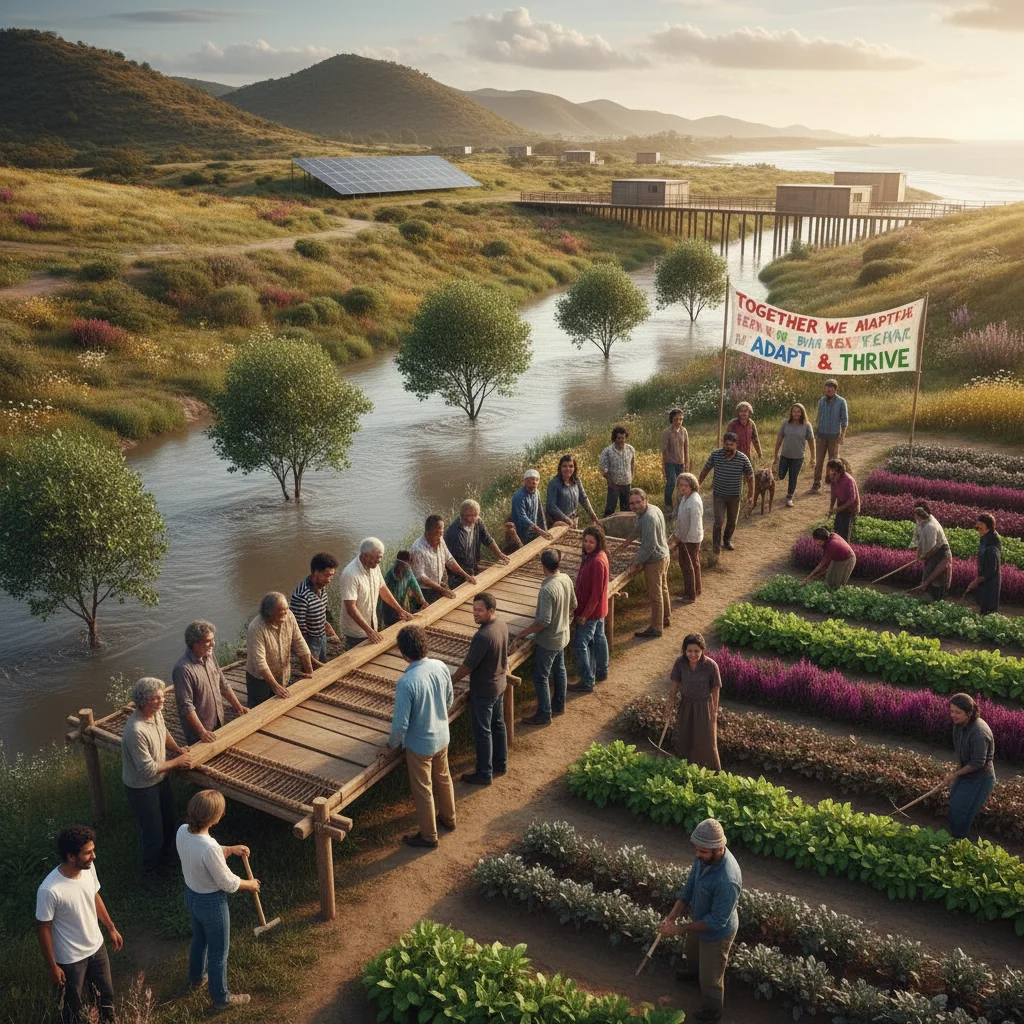
Mapping the Future: Practical Solutions for Communities to Adapt to 5 Major Climate-Induced Migrations by 2030
The specter of climate change looms large over our planet, manifesting in increasingly extreme weather events, rising sea levels, and ecological disruptions. While the scientific community has long warned of these consequences, one of the most profound and immediate impacts is the increasing likelihood of climate-induced migration. By 2030, millions of people are projected to be displaced from their homes, seeking refuge from uninhabitable conditions. This isn’t a distant future; it’s a reality unfolding before our eyes. Understanding and preparing for these migrations is no longer optional; it’s a critical imperative for global stability and human well-being. This article delves into five major climate-induced migration scenarios anticipated by 2030 and, more importantly, offers practical, actionable climate migration solutions that communities can implement to adapt and thrive in a rapidly changing world.
The Impending Challenge: Understanding Climate Migration
Climate migration refers to the movement of people away from their usual place of residence due to sudden or gradual changes in climate that negatively affect their lives or living conditions. These changes can range from slow-onset events like desertification and sea-level rise to rapid-onset disasters such as floods, hurricanes, and wildfires. The reasons for migration are complex and often multifaceted, but climate change acts as a powerful accelerant, exacerbating existing vulnerabilities and forcing communities to make difficult choices about their future.
The scale of this challenge is unprecedented. The World Bank estimates that over 200 million people could become internal climate migrants by 2050 if no concrete climate action is taken. While 2050 seems far off, the groundwork for these movements is being laid now, with significant shifts expected by 2030. These migrations will not only strain resources in receiving communities but also pose significant humanitarian, economic, and social challenges. Proactive planning and the implementation of effective climate migration solutions are paramount to mitigating these impacts and fostering resilient societies.
Defining the Five Major Climate-Induced Migration Scenarios by 2030
To effectively address the challenge, we must first understand its contours. Here are five major climate-induced migration scenarios that communities need to prepare for by 2030:
- Coastal Displacement due to Sea-Level Rise and Storm Surges: Low-lying coastal areas and small island nations face an existential threat from rising sea levels and more intense storm surges. Communities in regions like Southeast Asia, parts of the United States (e.g., Florida, Louisiana), and island nations in the Pacific and Caribbean are already experiencing increased flooding, saltwater intrusion into freshwater sources, and erosion. By 2030, many areas will become uninhabitable, forcing large-scale relocation.
- Drought and Desertification in Arid and Semi-Arid Regions: Extended droughts and the relentless spread of deserts are devastating agricultural lands and water resources in regions such as the Sahel in Africa, parts of the Middle East, and Central Asia. This leads to food insecurity, loss of livelihoods, and increased competition for dwindling resources, pushing populations to migrate in search of more hospitable environments.
- Extreme Heat and Water Scarcity in Urban Centers: While often associated with rural areas, climate change will also profoundly impact urban centers. Extreme heatwaves, exacerbated by the urban heat island effect, will make certain cities unbearable and dangerous, especially for vulnerable populations. Coupled with increasing water scarcity, this will lead to internal migration within countries, as people seek cooler, more water-secure areas.
- Glacial Melt and Water Stress in Mountainous Regions and Downstream Communities: The rapid melting of glaciers in regions like the Himalayas, Andes, and Arctic is initially leading to increased water availability but will eventually result in severe water stress as these natural reservoirs disappear. This will impact millions who rely on glacial meltwater for drinking, agriculture, and hydropower, forcing downstream communities to adapt or move.
- Increased Frequency and Intensity of Extreme Weather Events: Beyond specific regional impacts, the general increase in the frequency and intensity of hurricanes, typhoons, floods, and wildfires globally will create episodic but significant migration events. Communities repeatedly hit by these disasters may find it unsustainable to rebuild, leading to permanent displacement.
Practical Climate Migration Solutions for Community Adaptation
Addressing these complex migration dynamics requires a multi-faceted approach, focusing on both mitigating the drivers of migration and adapting to its consequences. Here are practical climate migration solutions that communities can implement:
1. Enhancing Infrastructure and Urban Planning for Resilience
One of the most immediate and tangible ways communities can adapt is by bolstering their physical infrastructure and rethinking urban planning. This involves a shift from reactive disaster response to proactive, resilience-focused development.
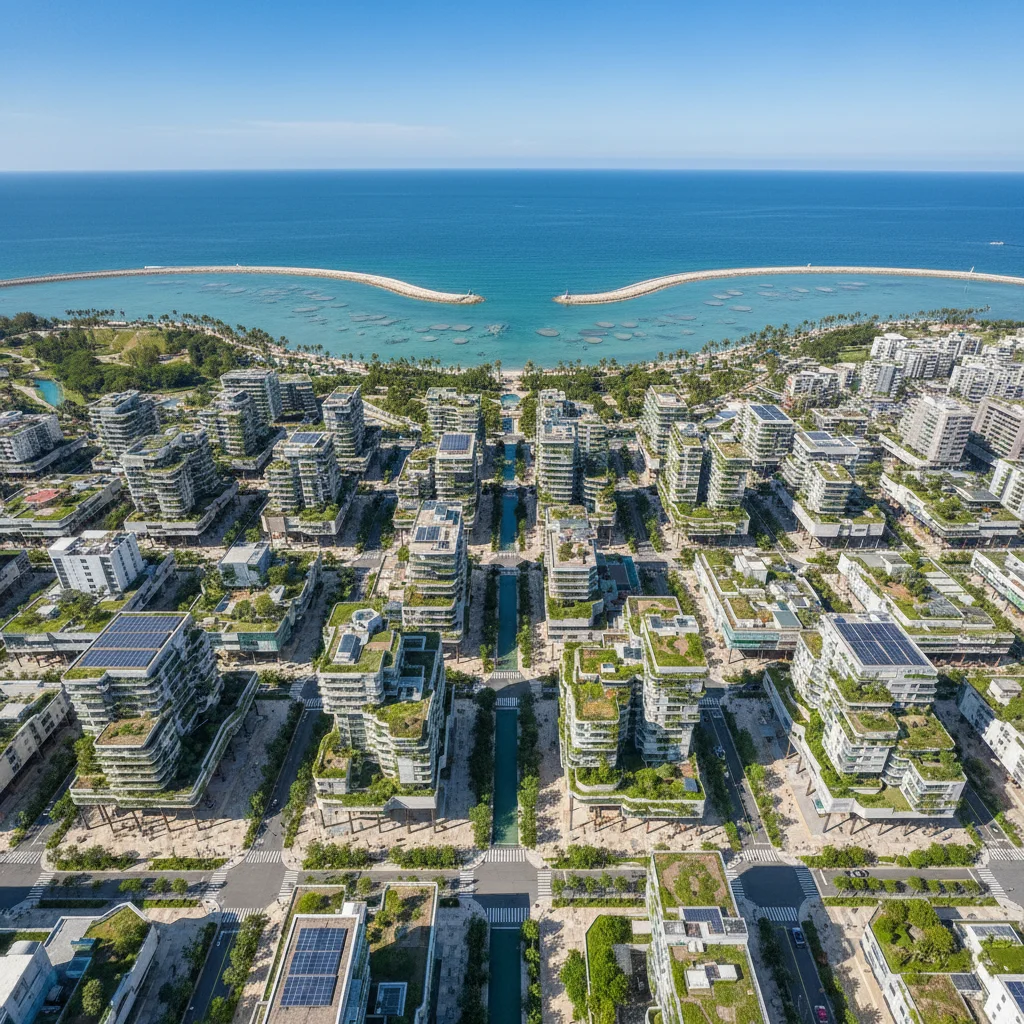
- Green Infrastructure Development: Implementing natural systems like wetlands, urban forests, and permeable pavements can absorb excess water, reduce urban heat, and protect against storm surges. For instance, mangrove restoration along coastlines provides a natural buffer against rising tides and storms, offering a cost-effective and ecologically beneficial solution.
- Elevated and Flood-Resistant Construction: In coastal and flood-prone areas, building codes must be updated to mandate elevated structures and flood-resistant materials. This includes retrofitting existing buildings where feasible and planning new developments in less vulnerable locations. The Netherlands offers a prime example with its extensive dike systems and innovative floating architecture.
- Improved Drainage Systems: Investing in advanced storm drainage systems, including “sponge city” concepts that allow cities to absorb and reuse rainwater, is crucial for managing increased precipitation and preventing urban flooding.
- Strategic Relocation and Land-Use Planning: For communities facing unavoidable threats, planned relocation may be necessary. This requires careful, community-led processes that prioritize dignity, cultural preservation, and equitable resettlement. Land-use planning must also integrate climate risk assessments, designating no-build zones in high-risk areas and promoting development in safer regions.
2. Strengthening Livelihoods and Economic Diversification
Climate change often hits the most vulnerable populations hardest, particularly those whose livelihoods are directly tied to natural resources. Diversifying economic opportunities and strengthening existing livelihoods are crucial climate migration solutions.
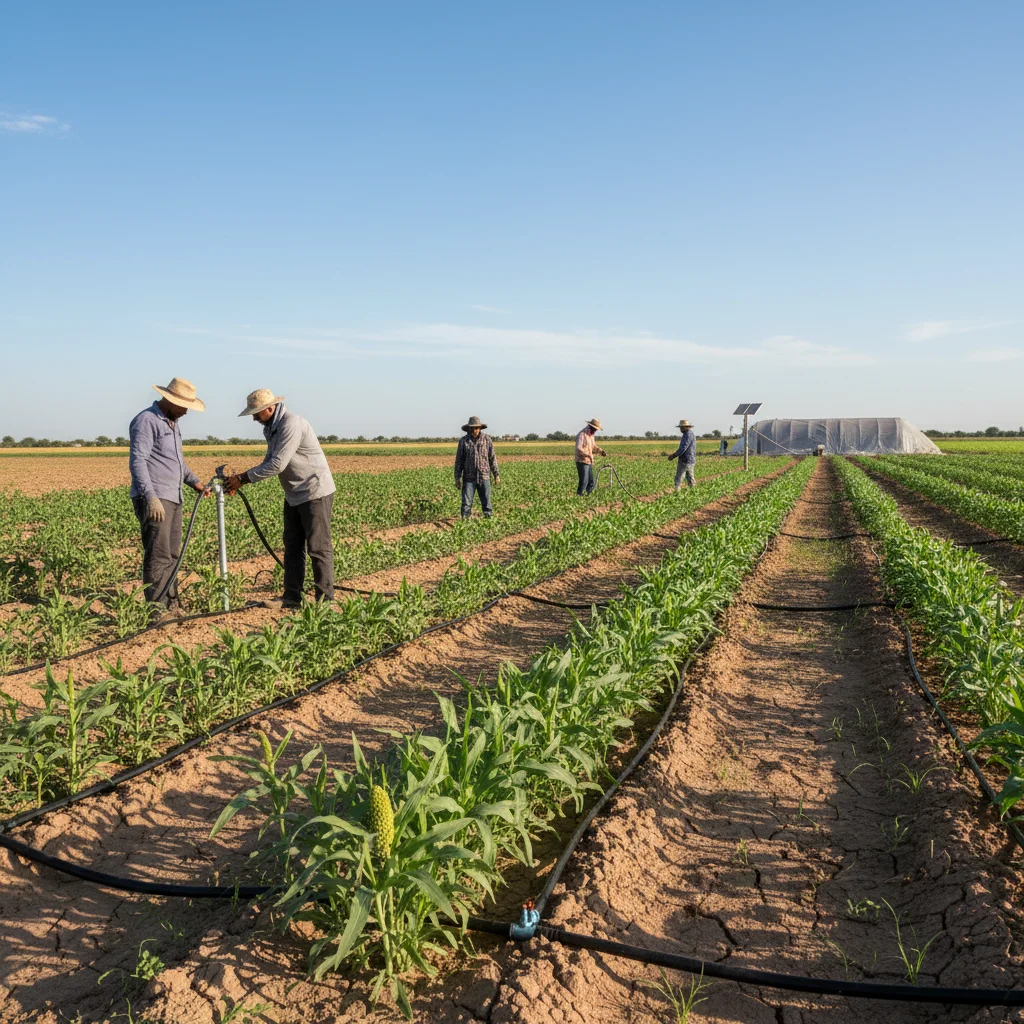
- Climate-Smart Agriculture: Promoting agricultural practices that are resilient to changing climatic conditions is vital. This includes adopting drought-resistant crops, efficient irrigation techniques (e.g., drip irrigation, rainwater harvesting), agroforestry, and soil conservation methods. Supporting farmers in transitioning to these practices through training and subsidies can prevent displacement due to crop failure.
- Developing Alternative Livelihoods: Investing in education and vocational training programs that equip individuals with skills for non-agricultural sectors can create alternative employment opportunities. This is particularly important in regions facing desertification or fishery collapse, enabling people to earn a living without relying solely on climate-sensitive resources.
- Microfinance and Insurance Schemes: Providing access to microfinance, low-interest loans, and climate-indexed insurance can help communities recover from climate shocks and invest in adaptive measures. These financial tools can act as safety nets, preventing distress migration when livelihoods are threatened.
- Ecotourism and Sustainable Resource Management: In areas with unique natural environments, developing sustainable ecotourism can provide economic alternatives while incentivizing environmental conservation. Similarly, sustainable forestry and fishery management can ensure long-term resource availability and community stability.
3. Enhancing Social Protection and Community Support Systems
The social fabric of communities can be severely strained by climate migration. Robust social protection and community support systems are essential for both those who stay and those who are forced to move.
- Early Warning Systems and Disaster Preparedness: Implementing effective early warning systems for extreme weather events allows communities to prepare, evacuate, and minimize loss of life and property. Regular disaster drills and community-level preparedness plans empower residents to act swiftly and decisively.
- Access to Basic Services: Ensuring that all community members, including migrants, have access to essential services such as healthcare, education, clean water, and sanitation is fundamental. This requires expanding existing services and establishing new ones in areas experiencing influxes of people.
- Mental Health and Psychosocial Support: Climate-induced displacement and the loss of homes and livelihoods can have severe mental health impacts. Providing accessible mental health services and psychosocial support is crucial for helping individuals and communities cope with trauma and build resilience.
- Community Integration Programs: For receiving communities, fostering successful integration of climate migrants is key. This includes promoting cultural exchange, addressing potential tensions, and ensuring equitable access to resources and opportunities for newcomers. Programs that facilitate language learning, job placement, and social networking can be highly effective.
4. Improving Governance and Policy Frameworks
Effective climate migration solutions require strong governance, clear policies, and collaborative action at local, national, and international levels.
- National Climate Migration Policies: Governments need to develop comprehensive national policies that address climate migration, including provisions for internal and cross-border displacement, legal frameworks for migrants’ rights, and funding mechanisms for adaptation and resettlement.
- International Cooperation and Burden Sharing: Climate migration is a global challenge that requires international cooperation. Developed nations, historically larger contributors to climate change, have a responsibility to support developing countries in their adaptation efforts and in managing displacement. This includes financial aid, technology transfer, and facilitating safe and legal pathways for migration where necessary.
- Data Collection and Research: Robust data on climate migration patterns, drivers, and impacts are essential for informed policy-making. Investing in research and monitoring systems can help predict future movements and identify areas most in need of intervention.
- Participatory Decision-Making: Engaging affected communities in the planning and implementation of adaptation strategies is critical. Local knowledge and priorities must be at the forefront of decision-making processes to ensure solutions are context-specific and effective.
5. Investing in Renewable Energy and Decarbonization
While adaptation is crucial, the most effective long-term climate migration solutions involve addressing the root cause: climate change itself. Accelerating the transition to renewable energy and drastically reducing greenhouse gas emissions are paramount.
- Transition to Renewable Energy: Investing heavily in solar, wind, hydro, and geothermal energy sources can reduce reliance on fossil fuels, thereby curbing emissions and slowing the pace of climate change. This also creates new economic opportunities and can enhance energy security for communities.
- Energy Efficiency Measures: Implementing energy-efficient technologies and practices in homes, industries, and transportation sectors can significantly reduce overall energy consumption and emissions.
- Carbon Sequestration and Reforestation: Protecting existing forests and undertaking large-scale reforestation and afforestation projects can absorb significant amounts of atmospheric carbon dioxide, acting as natural climate regulators.
- Promoting Sustainable Consumption and Production: Shifting towards more sustainable patterns of consumption and production can reduce the environmental footprint of human activities, lessening the pressure on natural resources and ultimately mitigating climate change.
Challenges and Opportunities in Implementing Climate Migration Solutions
Implementing these climate migration solutions is not without its challenges. Financial constraints, political will, social resistance, and the sheer scale of the problem can be daunting. However, these challenges also present opportunities for innovation, collaboration, and building more equitable and resilient societies.
- Funding Gaps: Many vulnerable communities lack the financial resources to implement necessary adaptation measures. International climate finance mechanisms, public-private partnerships, and innovative financing models are crucial to bridge this gap.
- Knowledge and Capacity Building: There is a need to build capacity at all levels, from local communities to national governments, in understanding climate risks and developing effective adaptation strategies. Knowledge sharing and technical assistance are vital.
- Political Will and Governance: Sustained political commitment is essential for developing and implementing long-term climate migration policies. This often requires overcoming short-term political cycles and fostering cross-sectoral collaboration.
- Social Equity and Justice: Climate migration disproportionately affects marginalized groups. Solutions must be designed with a strong focus on social equity, ensuring that the most vulnerable are protected and empowered in adaptation processes.
The opportunities, however, are immense. By investing in resilient infrastructure, sustainable livelihoods, and robust social systems, communities can not only adapt to climate migration but also emerge stronger and more sustainable. These efforts can stimulate local economies, foster social cohesion, and lead to a more just and equitable distribution of resources.
The Path Forward: A Call to Action
The year 2030 is not far off, and the trends in climate-induced migration are accelerating. The time for contemplation is over; the time for decisive action is now. Communities, governments, non-governmental organizations, and the private sector must collaborate to develop and implement comprehensive climate migration solutions. This involves:
- Proactive Planning: Shifting from reactive responses to proactive, long-term planning that integrates climate risk into all development strategies.
- Investing in Resilience: Prioritizing investments in resilient infrastructure, sustainable agriculture, and diversified economies.
- Protecting the Vulnerable: Ensuring that social protection systems are robust and accessible, especially for marginalized populations who are most at risk of displacement.
- Global Solidarity: Fostering international cooperation and burden-sharing to support communities most affected by climate change and migration.
- Decarbonization: Doubling down on efforts to reduce greenhouse gas emissions to mitigate the ultimate drivers of climate change.
The future of millions depends on the choices we make today. By embracing these practical climate migration solutions, we can help communities adapt, build resilience, and navigate the profound challenges of climate-induced migration, ensuring a more stable and sustainable future for all.
Conclusion
Climate-induced migration is one of the defining humanitarian and developmental challenges of our era. By 2030, its impacts will be felt globally, demanding urgent and innovative responses. The five major scenarios outlined—coastal displacement, drought, urban heat and water scarcity, glacial melt, and extreme weather events—underscore the diverse nature of this threat. However, as this article has demonstrated, practical and effective climate migration solutions exist. From investing in green infrastructure and climate-smart agriculture to strengthening social safety nets and fostering international cooperation, communities have the tools to adapt.
The success of these efforts hinges on a collective commitment to long-term planning, equitable resource allocation, and a fundamental shift towards sustainable practices. By acting decisively and collaboratively, we can transform the challenge of climate migration into an opportunity to build more resilient, inclusive, and prosperous societies for generations to come. The journey will be arduous, but with foresight and determination, we can map a future where migration is a choice, not a necessity forced by an unlivable climate.