Aging America: Policy Changes for Seniors’ Future

Aging America: How 3 Recent Policy Changes in the Past 6 Months are Addressing the Needs of the Growing Senior Population, Projected to Reach 70 Million by 2030
The demographic landscape of the United States is undergoing a profound transformation. With the baby boomer generation continuing to age, the senior population is expanding at an unprecedented rate. Projections indicate that by 2030, America’s senior population will swell to an estimated 70 million individuals, representing a significant portion of the total populace. This demographic shift presents both immense opportunities and formidable challenges, demanding proactive and comprehensive policy responses. The needs of this burgeoning senior demographic are multifaceted, encompassing everything from accessible healthcare and robust financial security to adequate social support systems and dignified living arrangements. Recognizing the urgency of this impending demographic reality, policymakers have been actively working to implement changes that can better serve and support our aging citizens. In the past six months alone, several critical policy adjustments have been introduced, aiming to lay a stronger foundation for the well-being of older Americans. This article delves into three significant recent policy changes that directly address the evolving needs of aging America policies, examining their potential impact and implications for the future.
Understanding the Demographic Shift: Why Aging America Policies are Crucial Now
The aging of America is not a distant future event; it is a present reality with far-reaching consequences. For decades, demographers have warned about the ‘silver tsunami,’ a metaphor for the impending surge in the elderly population. This phenomenon is primarily driven by two factors: increased life expectancy due to advances in medicine and public health, and declining birth rates. As a result, the ratio of older adults to younger working-age individuals is shifting, placing new demands on social security, healthcare systems, and economic productivity. By 2030, nearly one in five Americans will be 65 or older. This demographic shift isn’t just a statistical anomaly; it represents a fundamental change in the fabric of society, requiring a comprehensive re-evaluation of how we support and integrate our senior citizens. The traditional models of care, retirement, and community engagement are being challenged, necessitating innovative and adaptive policy solutions. Without targeted and effective aging America policies, the nation risks facing immense strain on its resources, with potential impacts on economic stability, intergenerational equity, and the overall quality of life for seniors.
The implications of this demographic shift extend beyond just healthcare and retirement benefits. It influences housing markets, transportation infrastructure, workforce participation, and even social connection. A larger senior population means an increased demand for age-friendly communities, accessible public spaces, and opportunities for continued engagement and contribution. It also highlights the growing need for specialized services, from geriatric care to elder abuse prevention. Therefore, the recent policy changes are not merely incremental adjustments; they represent a concerted effort to proactively shape a future where older adults can thrive, maintain their independence, and continue to be valued members of society. These policies aim to mitigate the potential challenges while simultaneously harnessing the wisdom, experience, and contributions that a vibrant senior population can offer. Understanding the profound scope of this demographic shift underscores the absolute necessity of robust and forward-thinking aging America policies.
Policy Change 1: Enhancing Access to Affordable Healthcare and Prescription Drugs
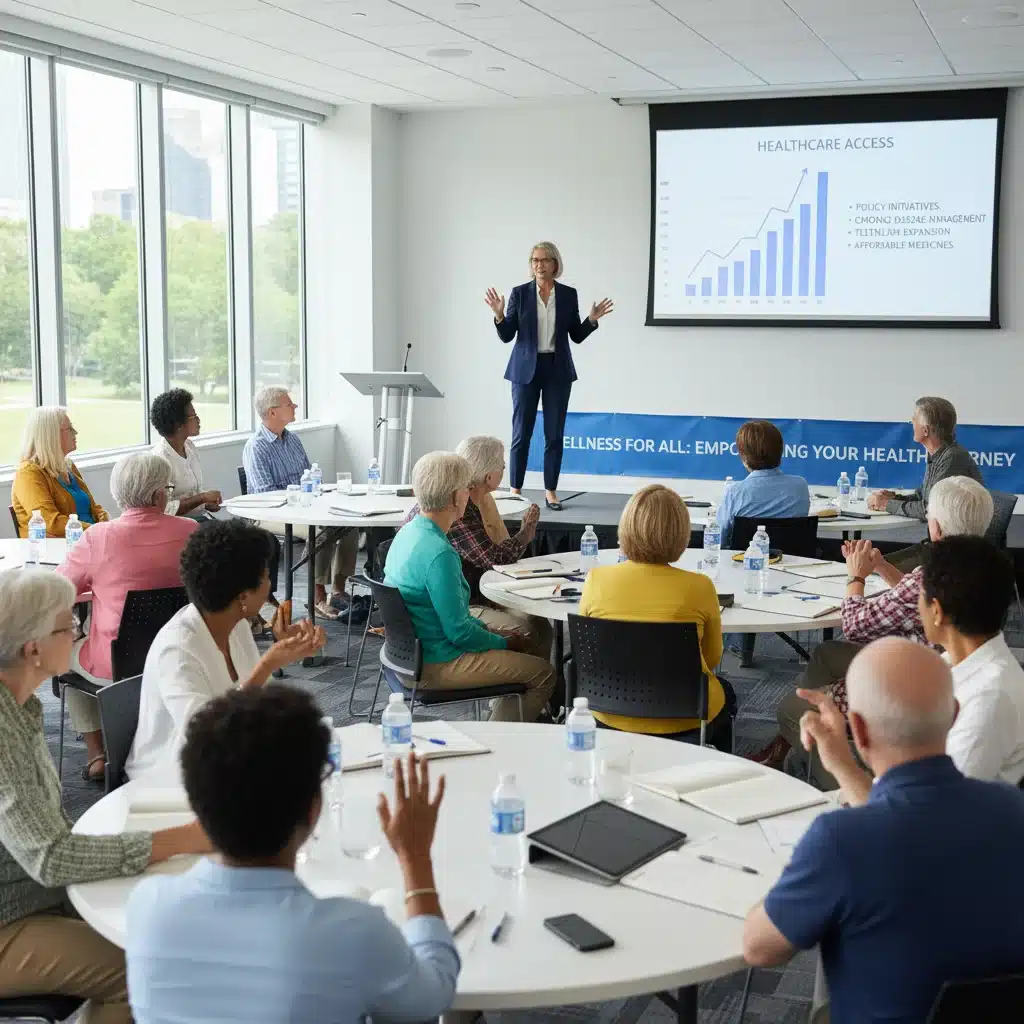
One of the most pressing concerns for older Americans is the escalating cost of healthcare and prescription drugs. As individuals age, their healthcare needs typically increase, making affordability a critical factor in maintaining their health and quality of life. Recognizing this burden, a significant policy change implemented in the past six months has focused on enhancing access to affordable healthcare and prescription medications for seniors. This initiative, often a complex tapestry of legislative amendments and administrative actions, aims to reduce out-of-pocket expenses, expand coverage options, and streamline access to essential medical services. While specific details can vary, the overarching goal is to alleviate the financial strain that healthcare costs impose on fixed-income seniors, ensuring they can access the care they need without compromising their financial stability.
Key components of this policy shift often include provisions such as caps on annual out-of-pocket prescription drug costs for Medicare beneficiaries. For many seniors, the unpredictable and often exorbitant cost of medications has been a major source of anxiety and a barrier to adherence. By setting a maximum limit on these expenses, the policy provides a crucial safety net, allowing seniors to budget more effectively and prioritize their health without fear of catastrophic drug costs. Furthermore, some changes have focused on expanding the scope of preventive care services covered by Medicare, emphasizing early detection and management of chronic conditions. This proactive approach not only improves health outcomes but can also lead to long-term cost savings by preventing more severe and expensive health issues down the line. The policy also addresses the negotiation power for certain high-cost drugs, aiming to drive down prices through federal negotiation, a move that has been advocated for by senior advocacy groups for years. These combined efforts are designed to create a more equitable and accessible healthcare system for older adults, directly responding to the urgent need for more affordable healthcare in aging America policies.
The impact of these changes is expected to be substantial. For millions of seniors, these policies could mean the difference between affording life-saving medications and going without, or between seeking timely medical attention and delaying care due to cost concerns. Beyond the immediate financial relief, these measures also contribute to improved health equity, ensuring that seniors from all socioeconomic backgrounds have a better chance at maintaining their health. However, the implementation and long-term effectiveness of such policies will require continuous monitoring and adjustment. Stakeholders, including healthcare providers, pharmaceutical companies, and senior advocacy organizations, will play crucial roles in ensuring these benefits reach those who need them most. The success of these healthcare reforms is paramount to the overall well-being of the growing senior population and is a cornerstone of effective aging America policies.
Policy Change 2: Strengthening Social Security and Retirement Security Measures
Financial security in retirement is a cornerstone of a dignified life for older adults. For many, Social Security benefits represent a significant, if not primary, source of income. However, concerns about the long-term solvency of the Social Security trust funds have been a recurring topic of national debate. In response to these concerns and the growing number of retirees, recent policy changes have aimed to strengthen Social Security and enhance overall retirement security for aging America policies. These measures are not about radical overhauls but rather strategic adjustments designed to ensure the stability and adequacy of benefits for current and future generations of retirees. The goal is to provide peace of mind to seniors who rely on these programs, assuring them that their hard-earned benefits will be there when they need them.
One key aspect of recent policy adjustments involves shoring up the Social Security trust funds through various mechanisms. While specific legislative actions can be complex, they often include a combination of revenue enhancements, such as adjustments to the taxable earnings cap, and minor benefit adjustments that ensure the program’s long-term viability without drastically impacting current beneficiaries. These changes are crucial for maintaining public confidence in Social Security, a program that has served as a bedrock of American retirement for decades. Beyond direct Social Security adjustments, other policies have focused on encouraging and improving access to private retirement savings vehicles. This includes initiatives to expand eligibility for tax-advantaged retirement accounts, simplify enrollment processes for small businesses, and promote financial literacy among workers. The idea is to create a multi-pronged approach to retirement security, where Social Security provides a foundational safety net, complemented by robust personal savings.
Furthermore, some policy discussions have revolved around protecting seniors from financial exploitation and fraud, a growing concern as the elderly population expands. New regulations and increased funding for agencies tasked with combating elder fraud are vital components of a comprehensive retirement security strategy. These efforts aim to safeguard the assets and incomes of seniors, ensuring that their financial well-being is protected from predatory practices. The cumulative effect of these policy changes is intended to create a more secure financial landscape for older Americans. By strengthening Social Security, promoting private savings, and combating financial exploitation, these initiatives directly address critical aspects of retirement security. As the number of retirees continues to climb, these proactive measures become increasingly important for ensuring that aging America policies provide a stable and prosperous future for its senior citizens.
Policy Change 3: Expanding Access to Home and Community-Based Care Services
A significant majority of older adults express a strong desire to age in place, remaining in their homes and communities rather than moving to institutional settings like nursing homes. This preference not only enhances quality of life but can also be more cost-effective than long-term institutional care. Recognizing this, a third pivotal policy change in the last six months has focused on expanding access to home and community-based care (HCBS) services. These services encompass a wide range of support, including in-home assistance with daily activities, personal care, skilled nursing, therapy, and social programs, all designed to help seniors maintain independence and avoid unnecessary institutionalization. This shift reflects a broader understanding that supporting seniors in their familiar environments is not just a matter of personal choice but also a smart public health and economic strategy for aging America policies.
The expansion of HCBS typically involves increased funding for state Medicaid programs that offer these services, as well as initiatives to streamline the application process and reduce waiting lists. Many states have struggled to meet the growing demand for HCBS due to budgetary constraints and administrative hurdles. The recent policy adjustments aim to alleviate these pressures, making it easier for eligible seniors to access the care they need in their homes. This often includes boosting reimbursement rates for care providers, which can help attract and retain a skilled workforce, a critical component of delivering quality in-home care. Additionally, policies may include provisions for caregiver support, offering resources, training, and respite care for family members who often bear the primary responsibility for caring for their elderly loved ones. Supporting these informal caregivers is crucial, as they form the backbone of the HCBS system.
Beyond direct care services, the policy changes also often address broader community infrastructure that supports aging in place. This can include funding for senior centers, transportation services, and technological solutions that enhance safety and connectivity for older adults living independently. The goal is to create truly age-friendly communities where seniors have access to the resources and support necessary to live full and active lives. The long-term benefits of expanding HCBS are numerous. It can lead to better health outcomes for seniors, reduced healthcare costs by preventing hospitalizations and institutionalizations, and improved quality of life. Moreover, it empowers seniors to maintain their dignity and autonomy, fostering a sense of belonging and purpose within their communities. These comprehensive efforts to bolster home and community-based care are fundamental to addressing the holistic needs of aging America policies, ensuring that our seniors can live comfortably and independently for as long as possible.

Challenges and Future Outlook for Aging America Policies
While the recent policy changes represent significant strides in addressing the needs of America’s aging population, it is crucial to acknowledge that challenges persist and the work is far from over. Implementing these policies effectively requires continuous effort, adaptation, and collaboration across various sectors. One of the primary challenges lies in the sheer scale of the demographic shift. The projected increase to 70 million seniors by 2030 means that even well-intentioned policies must be robust enough to handle an ever-growing demand for services and resources. This necessitates ongoing funding commitments, innovative service delivery models, and a flexible approach to policy adjustments as new needs emerge.
Another significant hurdle is the workforce shortage in critical areas, particularly in healthcare and elder care. Expanding access to home and community-based services, for instance, relies heavily on the availability of qualified caregivers. Without adequate training programs, competitive wages, and supportive working conditions, it will be difficult to attract and retain the workforce needed to meet the escalating demand. Policymakers must therefore consider integrated approaches that not only fund services but also invest in the human capital required to deliver them. Furthermore, addressing disparities in access to care and resources remains a critical challenge. Seniors in rural areas, those from minority communities, and individuals with lower incomes often face greater barriers to accessing quality healthcare, financial planning resources, and social support. Future aging America policies must explicitly address these inequities to ensure that all seniors, regardless of their background or location, benefit from these advancements.
The political landscape also presents an ongoing challenge. Sustaining support for long-term initiatives that benefit seniors requires bipartisan consensus and a commitment to intergenerational equity. As the senior population grows, so too does its political influence, but ensuring that policies are both fiscally responsible and adequately responsive to needs will always be a balancing act. Looking ahead, the future of aging America policies will likely involve a continued focus on innovation. This includes leveraging technology to enhance remote care, improve social connectivity, and provide educational resources. It also means fostering age-friendly communities that integrate seniors into all aspects of civic life, promoting active aging, and recognizing the invaluable contributions older adults can make. The goal is not just to manage an aging population but to empower it, transforming the challenges of demographic change into opportunities for a more inclusive, supportive, and vibrant society for all.
The Economic Impact of Proactive Aging America Policies
It’s easy to view policies supporting an aging population primarily through a lens of social welfare or healthcare costs. However, a crucial aspect often overlooked is the significant economic impact of proactive aging America policies. Investing in the well-being of seniors is not merely an expenditure; it is an investment that can yield substantial economic returns, both directly and indirectly. When seniors are healthy, financially secure, and socially engaged, they contribute to the economy in numerous ways, mitigating potential burdens and fostering growth.
Firstly, improved access to affordable healthcare and prescription drugs can lead to a healthier senior population. Healthier seniors are more likely to remain active, volunteer, and even continue working part-time, contributing to the workforce and local economies. Reduced chronic disease management costs, fewer hospitalizations, and a greater emphasis on preventive care also alleviate the strain on the national healthcare budget in the long run. The economic benefit of keeping seniors out of expensive institutional care through robust home and community-based services is immense. Studies have consistently shown that HCBS is significantly more cost-effective than nursing home care. By enabling seniors to age in place, these policies free up resources that can be allocated to other critical areas, while also stimulating local economies through the demand for in-home care providers, accessible housing modifications, and related services.
Secondly, strengthening Social Security and retirement security measures has a direct impact on consumer spending and economic stability. When retirees have a reliable income stream, they are more confident in spending on goods and services, which fuels local businesses and contributes to the overall economy. Financial stability also reduces the likelihood of seniors falling into poverty, which can place additional burdens on social safety nets and public assistance programs. Furthermore, protecting seniors from financial exploitation helps preserve their wealth, which can then be passed down through generations or reinvested in the economy. The economic ripple effect of these policies extends to job creation. The expansion of the care economy, driven by increased demand for home health aides, social workers, and geriatric specialists, creates new employment opportunities. The development of age-friendly products and services also stimulates innovation and entrepreneurship. Therefore, aging America policies are not just about care; they are about building a resilient and dynamic economy that can support and benefit from its senior citizens. Recognizing these economic advantages underscores the importance of continued investment in and refinement of these crucial policies.
The Role of Technology in Supporting Aging America Policies
As America’s senior population grows, technology is emerging as an indispensable tool in supporting and enhancing the effectiveness of aging America policies. From improving healthcare delivery to fostering social connection and ensuring safety, technological innovations offer scalable and often cost-effective solutions to many of the challenges associated with an aging demographic. Integrating technology into policy frameworks is not just an option; it’s becoming a necessity for a future-proof approach to senior care and well-being.
In healthcare, telehealth and remote monitoring technologies are revolutionizing access to care, particularly for seniors in rural areas or those with mobility limitations. Policy changes that support the reimbursement of telehealth services and promote the adoption of wearable health monitors allow seniors to receive medical consultations, manage chronic conditions, and monitor vital signs from the comfort of their homes. This reduces the need for frequent, often costly, in-person visits and can lead to earlier detection of health issues, aligning perfectly with the goal of affordable and accessible healthcare. Furthermore, digital platforms can streamline prescription management, ensuring seniors receive their medications on time and adhere to their treatment plans.
For home and community-based care, assistive technologies play a crucial role in enabling seniors to age in place safely and independently. Smart home devices, such as automated lighting, voice-activated assistants, and fall detection sensors, can enhance safety and provide peace of mind for seniors and their caregivers. Transportation apps and ride-sharing services, when made accessible and user-friendly, can help seniors maintain their independence and participate in community activities, addressing a common barrier to social engagement. Policies that incentivize the development and deployment of these technologies, and provide training for seniors on how to use them, are vital.
Beyond practical applications, technology can also combat social isolation, a significant issue among older adults. User-friendly communication platforms and social media can help seniors stay connected with family and friends, participate in online communities, and access virtual recreational activities. Policies that promote digital literacy programs for seniors and ensure affordable broadband access are essential to bridging the digital divide and ensuring that all older adults can benefit from these technological advancements. The integration of technology into aging America policies is not about replacing human interaction but about augmenting it, creating a more efficient, accessible, and supportive ecosystem for our growing senior population. As we move forward, harnessing the power of innovation will be key to successfully navigating the demographic shifts and ensuring a high quality of life for all older Americans.
Conclusion: A Holistic Approach to Aging America Policies
The journey of addressing the needs of America’s rapidly expanding senior population is a continuous and evolving one. The three recent policy changes discussed – enhancing access to affordable healthcare and prescription drugs, strengthening Social Security and retirement security measures, and expanding access to home and community-based care services – represent critical steps forward. These initiatives reflect a growing national understanding that a proactive, comprehensive, and compassionate approach is essential to support the projected 70 million seniors by 2030. They aim to tackle the core pillars of senior well-being: health, financial stability, and the ability to age with dignity in preferred environments.
However, the success of these policies, and indeed the future welfare of aging America policies, hinges on more than just their initial implementation. It requires ongoing evaluation, adaptation to emerging needs, and a commitment to addressing persistent challenges such as workforce shortages, disparities in access, and the ever-present political complexities. The economic benefits of investing in our senior population are clear, transforming what might seem like expenditures into valuable societal contributions and economic stimuli. Furthermore, the strategic integration of technology into these policy frameworks offers exciting avenues for innovation, efficiency, and enhanced quality of life for older adults.
Ultimately, creating a society that truly supports its aging citizens demands a holistic approach. This means not only robust government policies but also active participation from communities, families, healthcare providers, and the private sector. It requires fostering an environment where seniors are not just cared for but are celebrated for their wisdom, experience, and continued contributions. As America continues to age, the policies we enact today will shape the lives of millions tomorrow. By committing to sustained effort, thoughtful innovation, and a deep understanding of the diverse needs of our seniors, we can ensure that aging America policies lead to a future where every older adult can thrive with health, security, and dignity.