Understanding the 2026 Supreme Court Docket: Key Cases and Societal Impact
Understanding the 2026 Supreme Court Docket: Key Cases and Their Potential Societal Impact
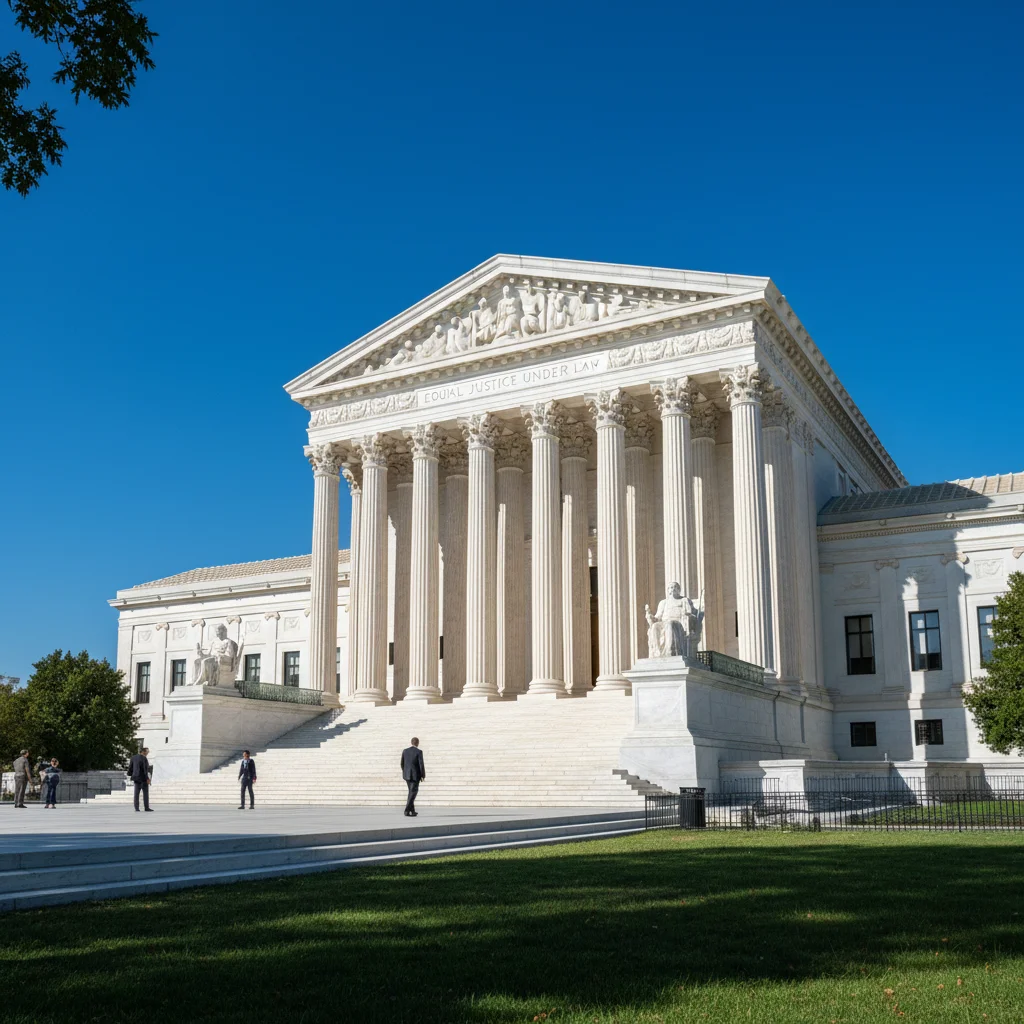
The United States Supreme Court stands as the pinnacle of the American judicial system, its decisions shaping the very fabric of the nation. Each term brings with it a fresh set of legal challenges, and the Supreme Court Docket 2026 is already generating considerable anticipation among legal scholars, policy makers, and the general public. As we look ahead, understanding the potential cases, their underlying legal principles, and their far-reaching societal implications becomes paramount. The decisions rendered by the nine justices can alter constitutional interpretations, redefine civil liberties, influence economic policies, and reshape the balance of power within the government. This comprehensive analysis aims to explore the landscape of the Supreme Court Docket 2026, examining the types of cases likely to emerge and their potential ramifications.
The Supreme Court’s docket is not merely a list of legal disputes; it is a reflection of the most pressing social, economic, and political issues facing the nation. Cases often originate from lower federal courts or state supreme courts, reaching the highest court through petitions for certiorari. The Court grants cert to only a small fraction of the cases it receives, typically those involving significant constitutional questions, conflicts between lower courts, or issues of national importance. The Supreme Court Docket 2026 will undoubtedly feature cases that touch upon fundamental aspects of American law and life, demanding careful scrutiny and informed discussion.
The Process of Docket Formation: A Glimpse into the Future
Before diving into specific areas, it’s essential to understand how the Supreme Court Docket 2026 will likely take shape. Cases typically take several years to wend their way through the lower courts before reaching the Supreme Court. This means that many of the cases that will be heard in 2026 are already in various stages of litigation today. Legal experts and court watchers often monitor circuit court splits and significant rulings from state supreme courts as early indicators of what might eventually land on the Supreme Court’s doorstep. Petitions for certiorari are filed, and the justices, through their conference discussions, decide which cases to hear. This selection process is critical, as it determines the legal battlegrounds for the coming term. The Court’s composition, the prevailing legal philosophies of its members, and broader societal trends all play a role in shaping the ultimate Supreme Court Docket 2026. Understanding these dynamics is key to anticipating the Court’s future direction and the potential impact of its rulings.
Anticipated Areas of Focus for the Supreme Court Docket 2026
While predicting the exact cases for the Supreme Court Docket 2026 is impossible, we can identify several broad legal areas that are consistently fertile ground for Supreme Court review. These include, but are not limited to, constitutional law, administrative law, civil rights, environmental law, and the ongoing interplay between federal and state powers. Each of these areas presents complex questions that often divide lower courts and demand definitive guidance from the nation’s highest judicial body. The specific issues within these categories can shift based on societal developments, technological advancements, and legislative actions, but the fundamental principles remain a constant source of legal debate. As we analyze the potential contours of the Supreme Court Docket 2026, it is helpful to consider the historical patterns and contemporary pressures that influence judicial decision-making.
Constitutional Law: Enduring Debates and New Interpretations
Constitutional law remains at the heart of the Supreme Court’s work, and the Supreme Court Docket 2026 will undoubtedly feature cases that challenge or reaffirm existing constitutional interpretations. Issues related to the First Amendment (freedom of speech, religion, and the press), the Fourth Amendment (search and seizure), the Fifth Amendment (due process and self-incrimination), the Fourteenth Amendment (equal protection and due process), and the separation of powers are perennial subjects of litigation. For instance, in the realm of free speech, the rise of artificial intelligence and social media platforms continues to generate novel questions about censorship, misinformation, and the extent of protected expression. The Court may be asked to delineate the boundaries of online speech, particularly concerning content moderation and the responsibilities of platform providers. Such cases on the Supreme Court Docket 2026 could have profound implications for how information is disseminated and consumed in the digital age.
Another area of constitutional contention frequently involves the balance between individual liberties and government interests. Cases related to religious freedom, for example, often pit the free exercise clause against other constitutional principles or state interests. Similarly, challenges to gun control legislation, rooted in the Second Amendment, continue to emerge from various jurisdictions, and it is plausible that a significant Second Amendment case could reach the Supreme Court Docket 2026, further clarifying the scope of gun rights in the wake of recent landmark decisions. The Court’s approach to these issues often reflects the prevailing legal philosophies of its justices, making each decision a potential turning point in constitutional jurisprudence. The impact of such rulings extends far beyond the immediate parties, setting precedents that influence countless future legal disputes and public policy debates.
Administrative Law: The Scope of Agency Power
Administrative law, while perhaps less visible to the general public than constitutional law, is profoundly influential in the daily lives of Americans. It governs the powers and procedures of federal agencies, which are responsible for implementing a vast array of laws, from environmental regulations to healthcare policies. The Supreme Court Docket 2026 is likely to include cases that challenge the authority of these agencies, particularly concerning the scope of their rulemaking powers and their interpretations of statutory mandates. The Chevron deference doctrine, which instructs courts to defer to agency interpretations of ambiguous statutes, has been a frequent target of legal challenges. Any significant modification or overturning of Chevron deference by the Supreme Court would fundamentally alter the balance of power between the judiciary and the executive branch, potentially leading to increased judicial oversight of agency actions. This could have widespread effects on regulatory frameworks across all sectors, making administrative law cases on the Supreme Court Docket 2026 critically important for businesses and individuals alike.
Furthermore, challenges to specific agency regulations, particularly in areas like environmental protection, consumer safety, or financial oversight, are consistently brought before the courts. These cases often involve complex scientific or economic questions, requiring the justices to grapple with technical details in addition to legal principles. The Court’s decisions in these areas can have significant economic consequences, influencing industries, investment decisions, and the cost of compliance for businesses. The ongoing debate over climate change policy, for instance, could generate cases on the Supreme Court Docket 2026 that question the Environmental Protection Agency’s authority to regulate greenhouse gas emissions, building on past precedents and potentially setting new directions for environmental law. The outcome of such cases could determine the future trajectory of environmental policy in the United States.
Civil Rights and Equality: Continuing the Struggle for Justice
The Supreme Court has historically played a pivotal role in defining and protecting civil rights, and this trend is expected to continue with the Supreme Court Docket 2026. Issues related to racial equality, gender equality, LGBTQ+ rights, voting rights, and disability rights are constantly evolving and frequently lead to legal challenges that ultimately reach the highest court. For instance, cases involving affirmative action in education or employment, despite previous rulings, continue to emerge as societal views and legal arguments evolve. The Court may be asked to revisit the permissible scope of diversity initiatives, potentially refining or restricting their application. Such decisions on the Supreme Court Docket 2026 would have profound implications for educational institutions and workplaces across the nation, affecting opportunities and access for millions.

Voting rights, a cornerstone of democratic participation, also remain a contentious area. Challenges to electoral maps (gerrymandering), voter ID laws, and other restrictions on access to the ballot box are frequently litigated. The Court’s interpretation of the Voting Rights Act and its application to modern electoral practices will be crucial in shaping the future of American democracy. Similarly, issues related to LGBTQ+ rights, particularly concerning religious exemptions or protections against discrimination in housing, employment, and public accommodations, are likely to continue to appear on the Supreme Court Docket 2026. The Court’s rulings in these areas can either expand or contract the protections afforded to marginalized groups, directly impacting their ability to participate fully and equally in society. These cases are often emotionally charged and reflect deep societal divisions, making the Court’s role particularly sensitive and impactful.
Federalism and State Sovereignty: The Enduring Tension
The balance of power between the federal government and state governments—the principle of federalism—is another recurring theme in Supreme Court jurisprudence. The Supreme Court Docket 2026 is likely to feature cases that test the boundaries of federal authority versus state sovereignty. This can manifest in various forms, such as disputes over federal mandates imposed on states, challenges to federal preemption of state laws, or questions regarding the scope of congressional power under the Commerce Clause. For example, as states continue to experiment with different approaches to issues like cannabis regulation or healthcare policy, conflicts with federal law are inevitable. The Court may be called upon to clarify which level of government has ultimate authority in these contested domains. Such decisions can significantly alter the legal and political landscape, empowering either states or the federal government to take the lead on critical policy issues.
Furthermore, cases involving interstate compacts or disputes between states themselves can also reach the Supreme Court. These often involve shared resources, such as water rights, or cross-border environmental concerns. While less frequent, such cases are of immense importance to the states involved and can set precedents for inter-state relations. The Court’s interpretations of the Tenth Amendment, which reserves powers not delegated to the federal government to the states or the people, will be central to many of these federalism disputes. The ongoing evolution of federal-state relations, driven by diverse state policies and shifting national priorities, ensures that federalism will remain a vital component of the Supreme Court Docket 2026, influencing governance and policy implementation across the nation.
Technology and the Law: Navigating Uncharted Territory
The rapid pace of technological advancement consistently outstrips the evolution of legal frameworks, creating novel challenges for the judiciary. The Supreme Court Docket 2026 will almost certainly include cases that grapple with the legal implications of emerging technologies. This could involve issues related to data privacy, cybersecurity, artificial intelligence, and the digital economy. For instance, questions about the Fourth Amendment’s application to digital surveillance, data collection by private companies, or the use of AI in law enforcement are increasingly prevalent. The Court may need to adapt existing constitutional principles to new technological realities, a task that requires careful consideration of both individual rights and public safety concerns.
Beyond privacy, intellectual property law is also being reshaped by technology. Disputes over software patents, digital copyrights, and the ownership of AI-generated content are likely to escalate. The Court’s rulings in these areas could have significant implications for innovation, economic growth, and the creative industries. Furthermore, the regulation of online platforms, particularly concerning issues like net neutrality, antitrust concerns, and content liability, remains a hot topic. As digital platforms become increasingly central to communication and commerce, the Court’s decisions on their regulation could redefine the internet’s future. These technologically driven cases on the Supreme Court Docket 2026 highlight the Court’s crucial role in ensuring that legal principles remain relevant and effective in an ever-changing world.
Economic Policy and Business Regulation: Impact on Commerce
The Supreme Court’s decisions also have a profound impact on the economy and the regulatory environment for businesses. The Supreme Court Docket 2026 is likely to feature cases related to antitrust law, corporate governance, financial regulation, and taxation. For example, as concerns about market concentration grow, the Court may be asked to interpret antitrust statutes in ways that could reshape major industries. Rulings on mergers, acquisitions, and anti-competitive practices can significantly affect competition, consumer prices, and innovation. Similarly, challenges to financial regulations, particularly those enacted in response to economic crises, are common. The Court’s stance on the authority of agencies like the Securities and Exchange Commission or the Federal Reserve can influence market stability and investor confidence.
Taxation is another area where the Court can play a significant role. Disputes over federal or state tax policies, particularly those impacting interstate commerce or specific industries, could appear on the Supreme Court Docket 2026. The Court’s interpretations of the Commerce Clause and the Taxing and Spending Clause of the Constitution are central to these cases. Furthermore, cases involving contract law, property rights, and commercial disputes between large entities can also reach the highest court, setting precedents that guide business transactions and legal obligations. The economic implications of these decisions are substantial, influencing corporate strategies, investment decisions, and the overall economic health of the nation. Businesses and economists alike will be closely watching the Supreme Court Docket 2026 for any cases that could redefine the legal landscape of commerce.
The Broader Societal Impact of the Supreme Court Docket 2026
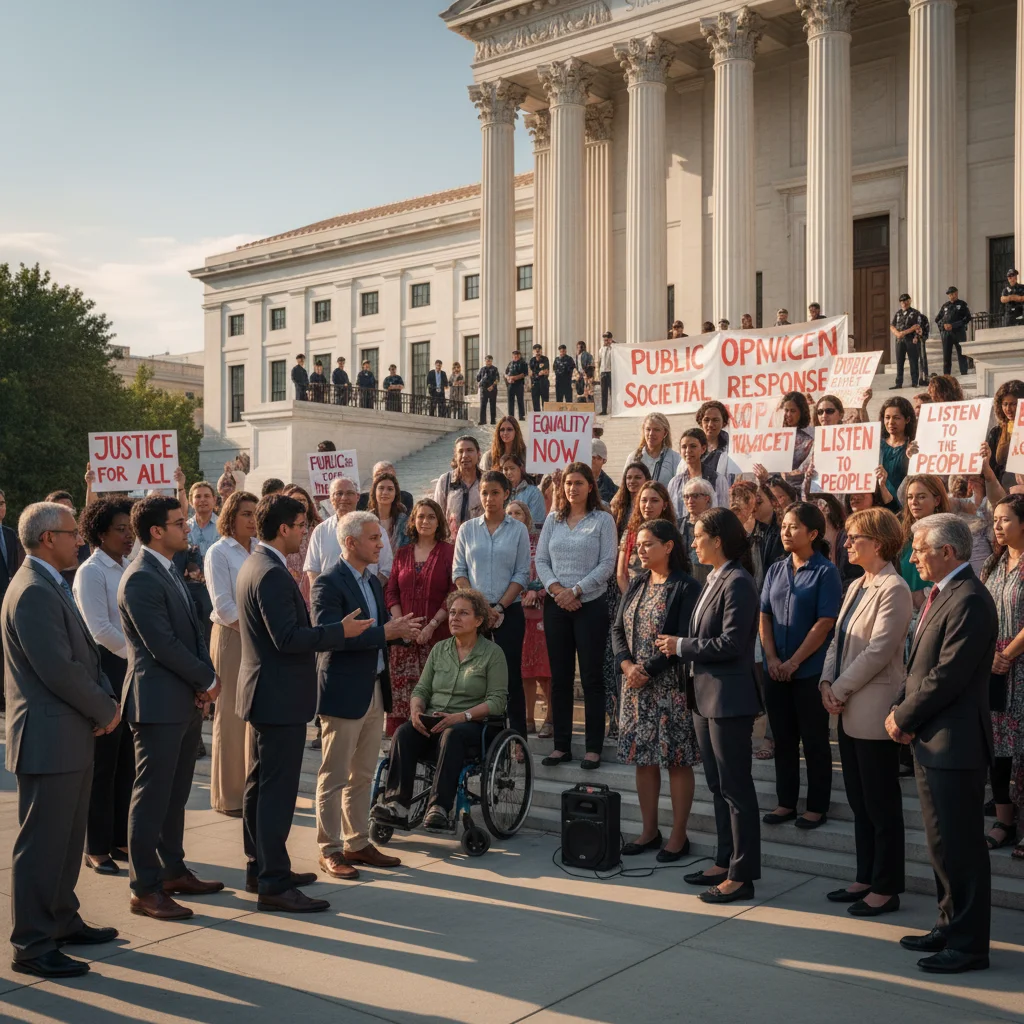
Beyond the specific legal outcomes, the cases on the Supreme Court Docket 2026 will collectively contribute to the ongoing narrative of American justice and governance. Each decision sends ripples through society, influencing legislative debates, state-level policy-making, and the daily lives of citizens. A ruling on voting rights, for example, can determine who can vote and how easily, directly impacting election outcomes and the representative nature of government. A decision on environmental regulations can affect public health, industrial practices, and the nation’s response to climate change. Similarly, rulings on civil liberties can expand or contract fundamental rights, shaping individual freedoms and societal norms.
The Court’s role as an interpreter of the Constitution means that its decisions are not merely about resolving disputes; they are about defining the meaning of foundational legal principles for generations to come. The composition of the Court, with its lifetime appointments, means that the legal philosophies of the sitting justices have a lasting impact. As new cases emerge on the Supreme Court Docket 2026, the public’s attention will be drawn to the arguments presented, the questions posed by the justices, and ultimately, the judgments rendered. These discussions are vital for a healthy democracy, fostering informed civic engagement and holding the judiciary accountable. The collective impact of the Supreme Court Docket 2026 will be a crucial chapter in the ongoing story of American law and society, reflecting the nation’s values, priorities, and evolving understanding of justice.
Conclusion: Preparing for a Pivotal Term
The Supreme Court Docket 2026 promises to be a term filled with significant legal challenges and potentially transformative decisions. From perennial constitutional debates to novel questions posed by technological advancements and evolving societal norms, the Court will once again stand at the epicenter of American legal and political life. The cases discussed, whether they involve civil rights, administrative power, federalism, or economic regulation, each carry the potential to reshape fundamental aspects of the nation. As these cases progress through the legal system and ultimately reach the highest court, it is imperative for citizens, legal professionals, and policymakers to remain informed and engaged. Understanding the issues at stake, the arguments presented, and the potential implications of the Court’s rulings is crucial for navigating the complex legal landscape of the United States. The Supreme Court Docket 2026 will not just be a collection of legal disputes; it will be a testament to the enduring power of the law to shape society and define the future of the nation.
The decisions from the Supreme Court Docket 2026 will undoubtedly be analyzed, debated, and discussed for years to come, influencing legal education, judicial appointments, and legislative efforts. The Court’s ability to maintain its legitimacy and public trust hinges on its adherence to legal principles and its careful consideration of the far-reaching consequences of its rulings. As we anticipate the formal unveiling of the docket, the groundwork laid by ongoing litigation and societal shifts provides a clear indication that the 2026 term will be a pivotal one, shaping the trajectory of American law and society for the foreseeable future. Staying abreast of these developments is not just for legal scholars; it is a civic responsibility for all who wish to understand the forces that govern their lives and the direction of their nation.