Remote Work’s Societal Impact on US Communities 2026
The landscape of work in the United States has undergone a seismic shift, fundamentally altering not just how we earn a living, but also how we live, interact, and build communities. As we look towards 2026, the societal impact of increased remote work is becoming clearer, presenting both unprecedented opportunities and complex challenges for US communities. This isn’t merely a temporary adjustment; it’s a profound transformation with long-lasting repercussions on everything from urban planning and local economies to social dynamics and individual well-being.
The COVID-19 pandemic acted as an unforeseen catalyst, accelerating a trend that was already nascent. What began as a necessity quickly evolved into a preferred mode of operation for millions of Americans and countless businesses. Now, three years later, the "new normal" of work is firmly established, and its ripple effects are permeating every corner of society. This comprehensive exploration delves into the multifaceted societal impact of remote work on US communities, examining the economic shifts, demographic reconfigurations, infrastructural demands, and evolving social fabric that define this era.
The Economic Repercussions: Shifting Landscapes of Commerce and Taxation
One of the most immediate and tangible societal impacts of increased remote work is on the economic fabric of US communities. Traditional urban centers, once vibrant hubs of commerce and employment, are experiencing a recalibration. The daily influx of commuters, who supported a vast ecosystem of restaurants, retail stores, and service providers, has diminished significantly. This has led to a mixed bag of outcomes.
Decline of Central Business Districts (CBDs) and the Rise of "15-Minute Cities"
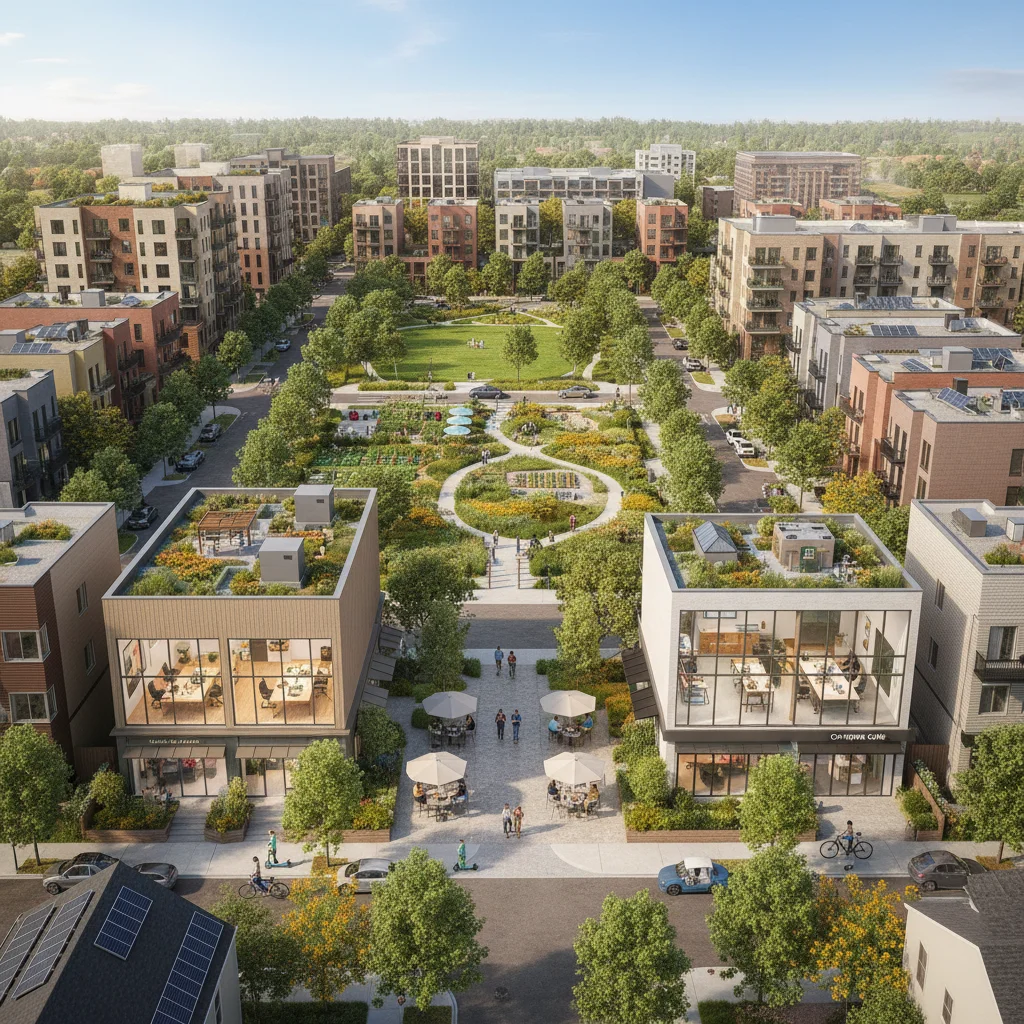
Many CBDs are grappling with increased commercial vacancy rates. Businesses that relied heavily on office workers are struggling, leading to job losses in these sectors and a reduction in local tax revenues. However, this decline isn’t uniform. Some cities are proactively reimagining their CBDs, transforming office buildings into residential units, mixed-use spaces, and cultural attractions, aiming to create "15-minute cities" where residents can access most of their daily needs within a short walk or bike ride.
Conversely, suburban and rural communities are witnessing an economic resurgence. As remote workers relocate from expensive metropolitan areas in search of more affordable housing, better quality of life, and more space, they bring their incomes and spending power with them. This influx is stimulating local economies, leading to the growth of new businesses, increased demand for housing, and a revitalization of Main Streets that were once struggling. Small towns are experiencing a "brain gain" as highly skilled professionals move in, enriching the local talent pool and fostering innovation.
Tax Revenue Volatility and Public Services
The shifting demographics and economic activity pose significant challenges for municipal finance. Cities that relied heavily on commercial property taxes and sales taxes generated by commuters are facing budget shortfalls. This can impact the provision of essential public services, from schools and infrastructure maintenance to public safety.
Conversely, newly popular remote work destinations may see an increase in their tax bases, but they also face increased demands on their infrastructure and services. Roads, utilities, schools, and recreational facilities in these areas may not be equipped to handle a sudden population surge, necessitating significant investment and strategic planning. The equitable distribution of tax revenues across different jurisdictions, especially for remote workers whose employers are based in different states or cities, remains a complex policy issue that is still being ironed out in 2026.
Demographic Shifts and Urban Planning: Reshaping the American Landscape
The ability to work from anywhere has unleashed a wave of demographic shifts, fundamentally altering the population distribution across the US. This presents both opportunities for equitable development and challenges for existing urban planning paradigms.
Rural and Suburban Revitalization
Remote work has democratized access to desirable living environments. Individuals and families are no longer tethered to expensive metropolitan areas solely for career advancement. This has led to a significant migration towards suburban and rural areas, particularly those offering natural beauty, lower costs of living, and a slower pace of life. This trend is breathing new life into communities that have experienced decades of decline, bringing in new residents, diverse perspectives, and renewed economic activity.
However, this revitalization is not without its drawbacks. Rapid population growth in previously quiet areas can strain local resources, escalate housing costs, and alter the character of existing communities. Gentrification, once primarily a metropolitan phenomenon, is now a concern in some desirable rural locales, potentially displacing long-term residents.
The Future of Major Metropolises
Major cities are adapting to this new reality. While some residents have left, many still value the cultural amenities, diverse opportunities, and vibrant energy that only large cities can offer. Urban planners are focusing on creating more resilient, livable, and sustainable cities that cater to a hybrid workforce. This includes developing more green spaces, improving public transportation, and fostering mixed-use developments that blend residential, commercial, and recreational spaces.
The emphasis is shifting from attracting daily commuters to retaining and attracting residents who choose to live in the city, even if they work remotely. This requires a fundamental rethinking of urban infrastructure and public services to support a more resident-centric urban experience.
Social Dynamics and Community Fabric: Reimagining Connection
Perhaps the most profound, yet often subtle, societal impact of remote work is on the social fabric of US communities. The way people interact, form connections, and participate in civic life is undergoing a significant transformation.
Strengthening Local Ties
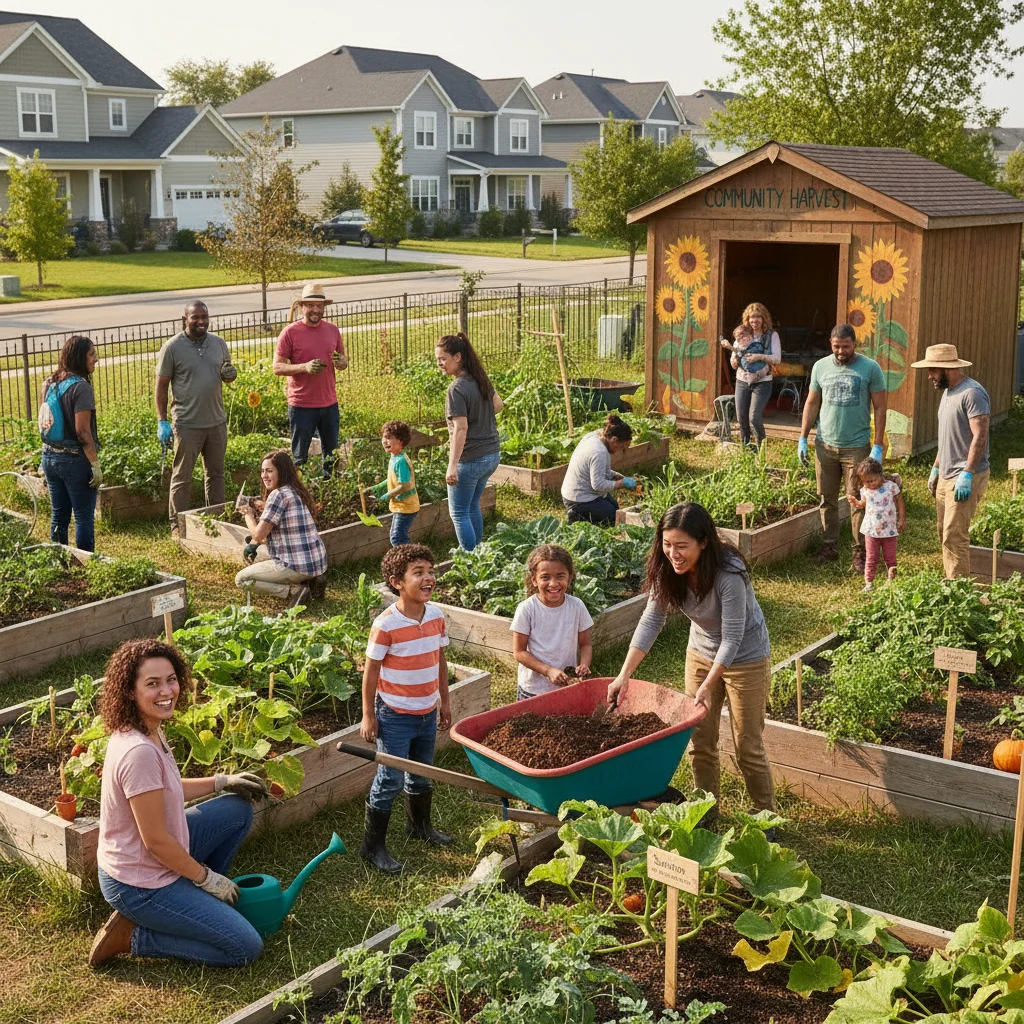
With less time spent commuting and more flexibility in their schedules, remote workers often have more opportunities to engage with their local communities. This can manifest in various ways: increased participation in local events, volunteering for community initiatives, supporting local businesses, and forming stronger bonds with neighbors. This heightened local engagement can lead to more cohesive communities, a stronger sense of belonging, and a more robust local democracy.
Parents working remotely may have more time to participate in school activities, fostering stronger parent-teacher associations. Individuals may spend more time in local parks, libraries, and community centers, transforming these spaces into more vibrant social hubs.
Challenges to Social Cohesion and Professional Networking
However, remote work also presents challenges to social cohesion. The decline of physical office spaces can reduce serendipitous interactions and the informal networking that often leads to professional growth and personal friendships. For some, particularly younger workers or those new to a community, establishing social connections can be more difficult without the built-in social structure of a traditional workplace.
The digital divide also plays a crucial role here. Communities with inadequate broadband infrastructure can leave remote workers isolated and unable to fully participate in the digital economy. This exacerbates existing inequalities and can hinder the social and economic integration of remote workers in certain areas.
Mental Health and Well-being
The impact on mental health and well-being is a mixed bag. While many remote workers report improved work-life balance, reduced stress from commuting, and greater autonomy, others struggle with feelings of isolation, blurred boundaries between work and home life, and increased screen time. Communities need to invest in mental health resources and foster environments that encourage physical activity and social interaction to mitigate these potential negative effects.
Infrastructural Demands and Technological Advancements
The widespread adoption of remote work places unprecedented demands on existing infrastructure and accelerates the need for technological advancements.
Broadband as a Basic Utility
Reliable, high-speed internet is no longer a luxury; it is a fundamental utility for remote workers. Communities without robust broadband infrastructure risk being left behind in the new economy. Federal, state, and local governments are increasingly recognizing this and investing in initiatives to expand broadband access, particularly in underserved rural areas. The digital infrastructure now directly impacts a community’s economic viability and attractiveness to remote workers.
Transportation and Housing
While commuting patterns have shifted, transportation infrastructure remains critical. Public transit systems in urban areas may need to adapt to lower ridership during traditional peak hours and potentially serve new routes as populations disperse. In suburban and rural areas experiencing growth, road networks and public transportation options may need significant upgrades to accommodate increased traffic and demand.
Housing markets are also profoundly affected. Increased demand in desirable remote work locations has led to rising housing prices, making affordability a major concern. Developers are responding by building more diverse housing options, including smaller, more flexible units and co-living spaces, to cater to the changing needs of the remote workforce.
Recent Updates and Future Trends for 2026 and Beyond
As we navigate 2026, several key trends and recent developments are shaping the future societal impact of remote work:
Hybrid Work Models Dominating
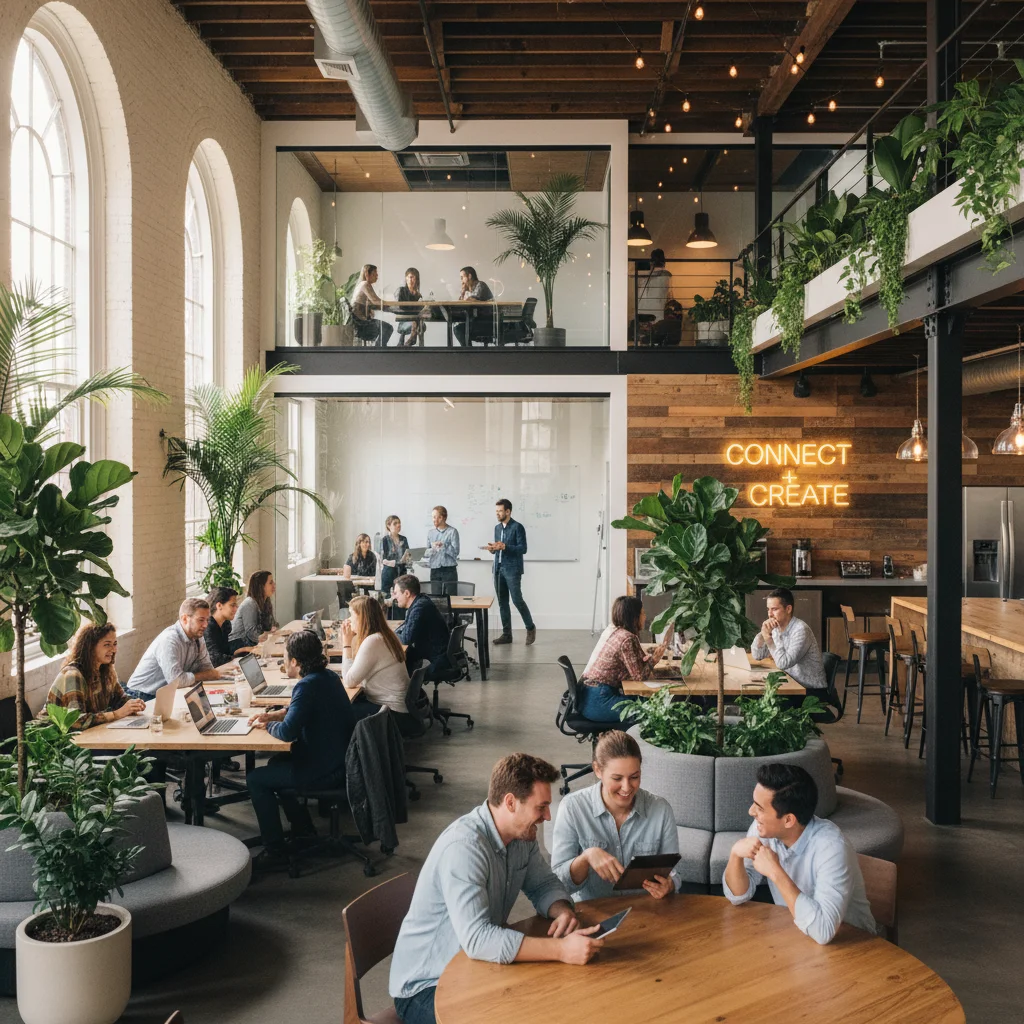
Purely remote work is giving way to hybrid models, where employees split their time between home and office. This trend is influencing urban planning, as companies seek smaller, more flexible office spaces designed for collaboration rather than individual work. Communities are adapting by offering versatile co-working spaces and community hubs that cater to this hybrid demand.
The "Work from Anywhere" Movement and Digital Nomadism
Beyond remote work, the "work from anywhere" movement is gaining traction, with a growing number of digital nomads exploring different communities and even countries for extended periods. This presents unique opportunities for tourism-dependent economies and challenges for tax jurisdictions and social service provision.
Policy and Regulatory Frameworks
Governments are catching up to the realities of remote work. Discussions around remote work taxation, labor laws for distributed teams, and incentives for companies to establish remote hubs in specific regions are becoming more prevalent. The goal is to create equitable and supportive frameworks that maximize the benefits of remote work while mitigating its potential downsides.
Focus on "Quality of Life" Amenities
Communities are increasingly competing for remote workers by emphasizing quality of life. This includes investments in green spaces, recreational facilities, cultural attractions, and vibrant downtown areas. Access to nature, good schools, and a strong sense of community are becoming powerful magnets for attracting and retaining remote talent.
Conclusion: Adapting to a Permanently Altered Landscape
The societal impact of increased remote work on US communities in 2026 is undeniable and far-reaching. It is a phenomenon that has reshaped our economic landscapes, reconfigured our demographics, and redefined our social interactions. While it has presented significant challenges, particularly for traditional urban centers and communities unprepared for rapid growth, it has also unlocked immense potential for revitalization, innovation, and a reimagining of what constitutes a thriving community.
For communities to successfully navigate this new era, proactive planning, adaptable policies, and a commitment to investing in both physical and social infrastructure are paramount. This involves fostering robust broadband networks, rethinking urban and suburban development, supporting local businesses, and creating spaces that encourage social connection and well-being. The future success of US communities will largely depend on their ability to embrace this transformation, leverage its opportunities, and creatively address its complexities.
The journey towards understanding and optimizing the societal impact of remote work is ongoing. As 2026 unfolds, continuous research, policy innovation, and community engagement will be essential to ensure that the benefits of this new mode of work are widely shared, leading to more resilient, equitable, and vibrant communities across the United States.