Metaverse Business Opportunities US 2026: A Deep Dive

Navigating the Metaverse: 4 U.S. Business Opportunities by December 2026
The concept of the metaverse, once a staple of science fiction, is rapidly transitioning into a tangible reality, reshaping how we interact, work, and conduct business. For enterprises in the United States, this burgeoning digital frontier presents an unparalleled landscape of innovation and economic growth. As we hurtle towards December 2026, the foundational technologies underpinning the metaverse—virtual reality (VR), augmented reality (AR), blockchain, and artificial intelligence (AI)—are maturing at an astonishing pace, creating fertile ground for groundbreaking business models and revenue streams. Understanding these shifts and identifying key opportunities is paramount for businesses aiming to remain competitive and relevant in the coming years. This comprehensive article delves into four primary metaverse business opportunities in the US, offering insights into their potential and strategic considerations for tapping into this revolutionary market.
The metaverse is not merely a game or a social platform; it’s an interconnected network of persistent, real-time rendered 3D virtual worlds that can be experienced synchronously by an effectively unlimited number of users, each with an individual sense of presence. It’s a convergence of physical and digital realities, offering immersive experiences that transcend traditional internet interactions. For businesses, this means new avenues for customer engagement, product development, service delivery, and brand building. The US, with its robust technological infrastructure, innovative spirit, and significant venture capital investment, is poised to be a global leader in metaverse development and adoption. Analysts predict that the metaverse economy could reach trillions of dollars in the next decade, making early entry and strategic positioning critical for long-term success. Let’s explore the most promising sectors.
1. Virtual Real Estate and Digital Infrastructure Development
One of the most talked-about and rapidly expanding metaverse business opportunities in the US is virtual real estate. Just as in the physical world, digital land within prominent metaverse platforms like Decentraland, The Sandbox, and Somnium Space has become a valuable asset. Businesses and individuals are buying, selling, and leasing virtual plots, speculating on future appreciation, and developing them into functional spaces. By December 2026, the demand for virtual real estate is expected to skyrocket, driven by brands seeking to establish a presence, creators building immersive experiences, and individuals looking for digital homes or social hubs.
The opportunity extends beyond simply owning digital land. The true value lies in the development of this virtual infrastructure. This includes designing and building virtual storefronts, event venues, art galleries, entertainment complexes, and even entire virtual cities. Companies specializing in 3D modeling, architectural design for virtual spaces, and smart contract development for property transactions will find themselves in high demand. Furthermore, the need for robust digital infrastructure—server space, networking solutions, and security protocols—to support these persistent virtual worlds will create significant opportunities for tech companies. Think of it as the digital equivalent of urban planning and construction, but without the physical constraints.
Early movers in this space are already seeing substantial returns. Brands are acquiring prime virtual locations to host product launches, virtual concerts, and interactive marketing campaigns. Real estate agencies are emerging purely to facilitate virtual property transactions. Investors are pooling resources to acquire large tracts of digital land, akin to traditional real estate development funds. The challenge, and thus the opportunity, lies in creating compelling and functional virtual environments that attract and retain users, thereby increasing the value of the underlying digital assets. Businesses entering this sector must understand the nuances of different metaverse platforms, their unique economies, and the preferences of their user bases. Strategic partnerships with existing metaverse developers and communities will be crucial for successful ventures in this rapidly evolving digital frontier.
Moreover, the concept of virtual real estate is not limited to static plots. It encompasses dynamic, programmable spaces that can adapt to user needs and interactive elements. This opens doors for businesses to offer customization services, maintenance, and even virtual property management. Imagine an enterprise that manages a portfolio of virtual retail spaces for multiple brands, ensuring their digital storefronts are always up-to-date, secure, and engaging. The potential for recurring revenue streams from such services is immense, solidifying virtual real estate and its associated infrastructure development as a cornerstone of the metaverse business landscape in the US by 2026.
2. Immersive Entertainment and Experiential Marketing
The metaverse is fundamentally an experiential medium, making immersive entertainment and experiential marketing prime areas for growth. Traditional forms of entertainment—music concerts, art exhibitions, sporting events—are being reimagined for virtual spaces, offering unprecedented levels of engagement and accessibility. By December 2026, we can expect a significant increase in metaverse-native entertainment experiences, attracting millions of users and creating substantial revenue streams for creators and platforms alike.
For businesses, this translates into opportunities to create, host, and monetize virtual events. Think virtual music festivals with millions of attendees, interactive movie premieres where users can influence the narrative, or educational experiences that transport learners to historical sites or scientific environments. The technology for these experiences, including advanced VR headsets, haptic feedback suits, and sophisticated 3D audio, is becoming more accessible and refined. Companies that can leverage these technologies to deliver truly captivating and memorable experiences will capture a significant share of the metaverse entertainment market.
Experiential marketing within the metaverse offers brands a powerful new way to connect with consumers. Instead of passive advertisements, brands can create interactive experiences that allow users to engage with products and services in novel ways. Imagine a car manufacturer allowing potential customers to test drive a new model in a hyper-realistic virtual environment, customizing every feature before committing to a purchase. Or a fashion brand hosting a virtual runway show where attendees can instantly try on and purchase digital versions of outfits for their avatars. These immersive marketing campaigns foster deeper brand loyalty and provide valuable data on consumer preferences and behaviors.
The development of tools and platforms for creating these experiences also presents a significant opportunity. Game engines like Unity and Unreal Engine are becoming increasingly crucial for metaverse content creation. Companies offering services in 3D asset creation, virtual world design, avatar customization, and interactive narrative development will be in high demand. Furthermore, the integration of NFTs (Non-Fungible Tokens) allows for the monetization of unique digital assets within these entertainment experiences, from limited-edition virtual merchandise to exclusive access passes. The convergence of entertainment, marketing, and digital ownership within the metaverse will redefine how brands interact with their audience, making immersive experiences a critical metaverse business opportunity in the US by 2026.

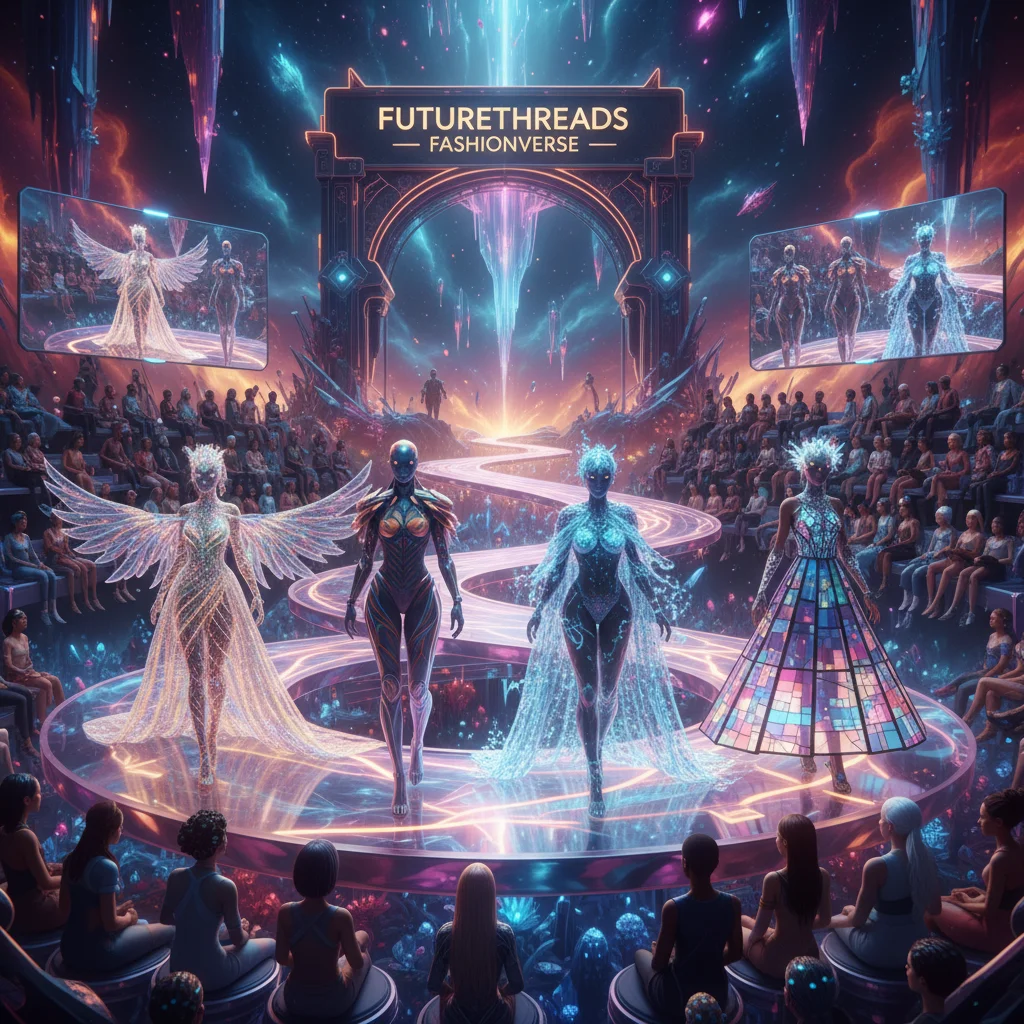
3. Digital Fashion and Virtual Goods Economy
The digital fashion and virtual goods economy is another explosive metaverse business opportunity that is rapidly gaining traction. As individuals spend more time in virtual worlds, their digital identity—represented by their avatar—becomes increasingly important. Just as in the physical world, people desire to express themselves through their clothing and accessories, leading to a burgeoning market for digital fashion. By December 2026, the sale of virtual clothing, accessories, and other digital goods for avatars is expected to be a multi-billion dollar industry in the US.
Traditional fashion brands are already entering this space, designing virtual collections that can be worn by avatars across various metaverse platforms. These digital garments can be sold as NFTs, providing authenticity, scarcity, and ownership. The beauty of digital fashion is that it transcends the limitations of the physical world; designers can create impossible-in-real-life outfits with dynamic textures, glowing elements, and fantastical forms. This opens up a new realm of creative expression for designers and consumers alike.
Beyond established brands, there’s a significant opportunity for independent digital fashion designers and artists. Platforms that facilitate the creation, showcasing, and sale of user-generated digital fashion will thrive. This decentralized approach to fashion design allows for greater diversity and innovation, empowering a new generation of creators. Furthermore, the concept extends beyond clothing to include virtual furniture for digital homes, unique avatar features, and even virtual pets or companions.
The monetization models for digital fashion are diverse, including direct sales, subscriptions for exclusive digital wardrobes, and partnerships with gaming platforms where virtual items can be used. The growing interoperability between different metaverse platforms will further fuel this economy, allowing users to carry their digital assets and identities across various virtual worlds. This portability will increase the perceived value and utility of digital fashion, making it a more attractive investment for consumers. Businesses looking to capitalize on this trend should focus on innovative design, leveraging NFT technology for ownership, and building strong communities around their digital fashion brands. The digital fashion and virtual goods economy is not just a niche market; it’s a fundamental aspect of digital identity and self-expression in the metaverse, presenting a colossal metaverse business opportunity in the US.
4. Enterprise Metaverse Solutions and Virtual Workspaces
While much of the public discourse around the metaverse focuses on consumer applications, the enterprise sector represents an equally, if not more, significant metaverse business opportunity. The pandemic accelerated the adoption of remote work, and the metaverse offers the next evolution of virtual collaboration and productivity. By December 2026, we anticipate widespread adoption of enterprise metaverse solutions and virtual workspaces in the US, transforming how businesses operate, train employees, and interact with clients.
Imagine virtual meeting rooms that feel as immersive and engaging as in-person gatherings, complete with spatial audio, interactive whiteboards, and 3D data visualization. Companies like Meta (with Horizon Workrooms) and Microsoft (with Mesh for Teams) are already pioneering this space. These platforms can reduce the need for business travel, improve team cohesion in distributed workforces, and facilitate more effective brainstorming and problem-solving sessions. The ability to interact with 3D models of products or architectural designs in a shared virtual space can revolutionize fields like manufacturing, engineering, and construction.
Beyond meetings, the metaverse offers powerful tools for training and simulation. Employees can undergo realistic training exercises in a safe, virtual environment, whether it’s practicing complex surgical procedures, operating heavy machinery, or handling customer service scenarios. This reduces costs, minimizes risks, and allows for repeatable, standardized training that was previously difficult to achieve. Businesses specializing in developing custom metaverse training modules and simulation software will find a vast market within the US enterprise sector.
Furthermore, the metaverse can transform customer service and client engagement. Imagine virtual showrooms where customers can explore products with a virtual assistant, or interactive support centers where technical issues can be resolved with 3D diagnostics. The ability to offer personalized, immersive experiences to clients can significantly enhance satisfaction and loyalty. Companies that develop these B2B metaverse solutions, focusing on security, scalability, and integration with existing enterprise systems, are poised for massive growth. The efficiency gains, cost reductions, and enhanced collaboration offered by enterprise metaverse solutions make this a compelling and practical metaverse business opportunity for the US economy by 2026.
Challenges and Considerations for US Businesses
While the metaverse presents immense opportunities, businesses venturing into this space must also be cognizant of the challenges. Technical hurdles, such as ensuring seamless interoperability between different platforms, developing robust security measures against cyber threats, and improving hardware accessibility (e.g., more affordable and comfortable VR/AR devices), are still being addressed. Scalability will be a continuous concern as user numbers grow exponentially.
Regulatory and ethical considerations are also paramount. Issues surrounding data privacy, digital identity, intellectual property rights in virtual assets, and the potential for digital harm (e.g., harassment in virtual spaces) require thoughtful solutions. US businesses must work closely with policymakers and industry leaders to establish clear guidelines and best practices that foster a safe, inclusive, and equitable metaverse. Adherence to emerging standards, such as those from the Metaverse Standards Forum, will be crucial for long-term success and widespread adoption.
Another significant consideration is user adoption and education. While younger generations are more naturally inclined towards virtual worlds, broader adoption will require intuitive interfaces, compelling content, and clear value propositions. Businesses will need to invest in educating their target audiences about the benefits and functionalities of their metaverse offerings. Marketing strategies will need to adapt to reach consumers within these new digital environments, requiring creativity and a deep understanding of metaverse culture.
Talent acquisition is also a growing challenge. The demand for skilled professionals in 3D design, blockchain development, AI integration, and virtual world creation far outstrips the current supply. US businesses will need to invest in training programs, attract top talent, and foster interdisciplinary teams that can navigate the complexities of metaverse development. Universities and educational institutions will play a vital role in preparing the next generation of metaverse architects and innovators.
The Future is Virtual: Seizing the Metaverse Business Opportunity
The metaverse is not a passing fad; it represents a fundamental shift in how we interact with technology and with each other. For US businesses, the period leading up to December 2026 will be a critical window to establish a foothold in this new digital frontier. The four opportunities highlighted—virtual real estate, immersive entertainment, digital fashion, and enterprise solutions—are merely the tip of the iceberg, but they represent the most immediate and impactful avenues for growth.
Success in the metaverse will require a blend of technological innovation, creative vision, and strategic foresight. Businesses that embrace experimentation, prioritize user experience, and build strong communities around their virtual offerings will be the ones to thrive. It’s about more than just replicating physical experiences in a digital space; it’s about leveraging the unique capabilities of the metaverse to create entirely new forms of value.
Moreover, collaboration will be key. No single company can build the entire metaverse. Partnerships between tech giants, startups, content creators, and traditional businesses will be essential to foster an open, interoperable, and vibrant metaverse ecosystem. US businesses have a unique advantage with a strong legacy of technological innovation and a dynamic market. By proactively exploring these metaverse business opportunities, investing in the necessary infrastructure and talent, and adapting their strategies to the virtual paradigm, they can secure a leading position in the next era of digital commerce and human interaction.
The journey into the metaverse will be complex and filled with unforeseen challenges, but the potential rewards are immense. For those willing to innovate and adapt, the metaverse represents not just a new market, but a new frontier for human ingenuity and economic prosperity. December 2026 is not far off, and the time for US businesses to engage with the metaverse is now.