Understanding Digital Rights Management: A 2026 Update for US Content Creators
In the rapidly evolving digital landscape, the protection of creative works is paramount for content creators. As we navigate 2026, the intricacies of Digital Rights Management (DRM) have become more sophisticated, offering both new challenges and innovative solutions for safeguarding intellectual property. For US content creators, staying abreast of these developments is not just beneficial, but essential for maintaining control over their creations and ensuring fair compensation.
This comprehensive guide delves into the current state of Digital Rights Management, exploring its legal underpinnings, technological advancements, and practical implications for artists, musicians, writers, filmmakers, and all creators operating within the United States. We will examine how DRM has evolved, what new threats have emerged, and most importantly, how creators can effectively leverage DRM strategies to protect their work in the digital age.
The Evolving Landscape of Digital Rights Management
Digital Rights Management (DRM) refers to a set of technologies used to control access to copyrighted material and restrict its usage. Its primary goal is to prevent unauthorized distribution, modification, and reproduction of digital content. While the concept isn’t new, its application and effectiveness are constantly being refined in response to technological progress and shifts in consumer behavior.
Historically, DRM has been a contentious topic, often criticized for restricting legitimate user access and sometimes failing to deter determined pirates. However, the 2026 landscape presents a more nuanced picture. Advances in cryptography, artificial intelligence, and blockchain technology are empowering DRM systems to be more robust, adaptable, and user-friendly, moving towards a balance between protection and accessibility.
For US content creators, understanding this evolution is critical. The shift from rigid, often frustrating DRM systems to more intelligent, adaptive ones means creators have better tools at their disposal. However, it also means staying informed about the latest techniques employed by those seeking to circumvent these protections.
The Legal Framework: Copyright and DRM in the US
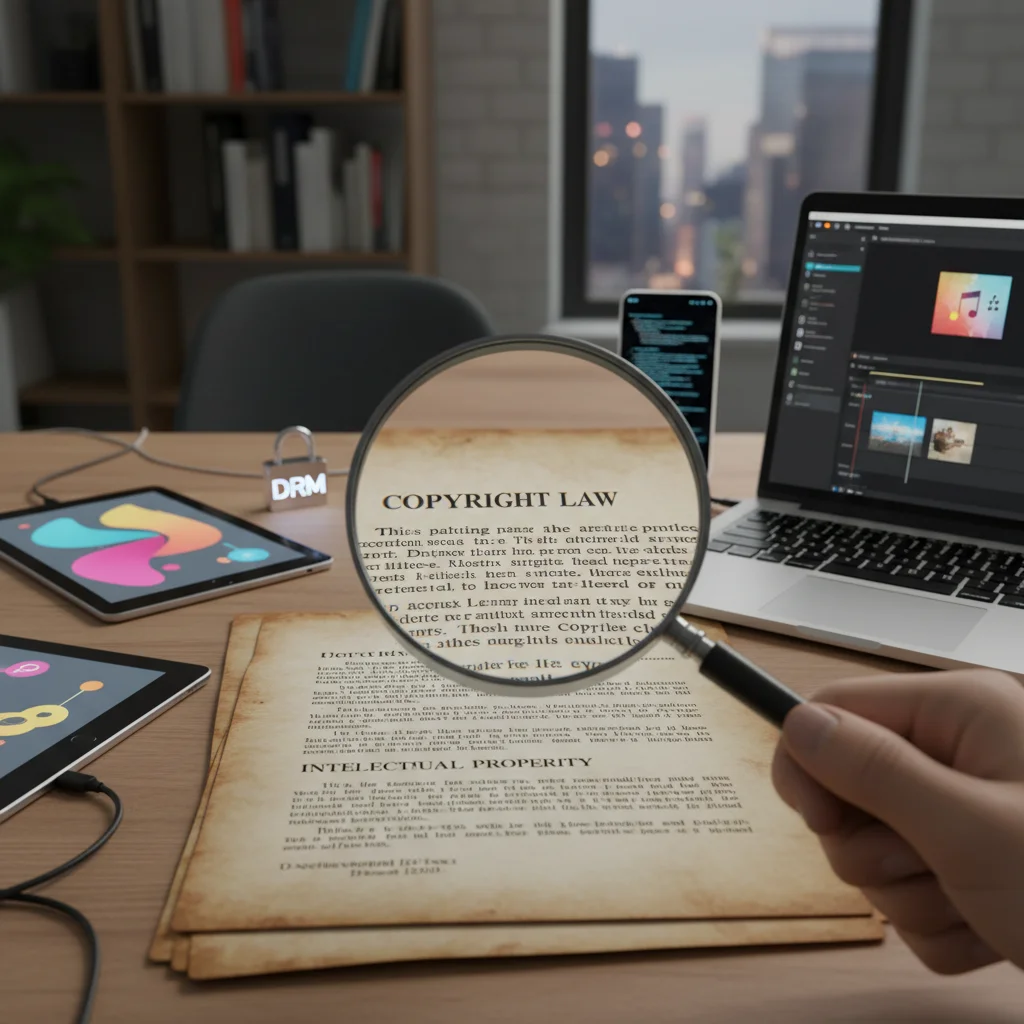
The foundation of Digital Rights Management in the US rests firmly on copyright law, primarily governed by the Copyright Act of 1976 and its subsequent amendments, including the Digital Millennium Copyright Act (DMCA) of 1998. The DMCA is particularly relevant to DRM, as it criminalizes the production and dissemination of technology, devices, or services intended to circumvent measures that control access to copyrighted works (commonly known as anti-circumvention provisions).
In 2026, interpretations and challenges to the DMCA continue to shape the DRM landscape. Content creators must be aware of how these laws protect their rights and, equally important, what limitations exist. For instance, fair use doctrines still apply, allowing for certain uses of copyrighted material without permission, even if protected by DRM. The ongoing debate surrounding the balance between copyright holder rights and public access to information remains a key area of legal development.
Furthermore, international treaties and agreements, such as the WIPO Copyright Treaty, influence US copyright law and DRM practices, especially for creators whose work reaches a global audience. Understanding these interconnected legal frameworks is paramount for comprehensive content protection strategies.
Technological Advancements in Digital Rights Management for 2026
The technological backbone of Digital Rights Management has seen significant innovation. In 2026, several key technologies are shaping how content is secured and distributed:
- Advanced Encryption Techniques: Stronger cryptographic algorithms make it increasingly difficult for unauthorized parties to decrypt and access protected content. These are often combined with dynamic key management systems that frequently change encryption keys, adding another layer of security.
- Watermarking and Fingerprinting: These techniques embed invisible or barely perceptible identifiers into digital content. Watermarking can track the origin of unauthorized copies, while fingerprinting can uniquely identify each legitimate copy distributed, allowing creators to pinpoint leaks.
- Blockchain Technology: While still maturing, blockchain offers revolutionary potential for DRM. Its decentralized, immutable ledger can record content ownership, licensing agreements, and usage rights securely. Smart contracts on blockchain can automatically enforce terms of use, providing transparent and tamper-proof protection.
- Artificial Intelligence (AI) and Machine Learning (ML): AI is being employed to monitor for copyright infringement across vast digital networks, identify patterns of abuse, and even predict potential vulnerabilities in DRM systems. ML algorithms can also personalize DRM based on user behavior and access patterns, enhancing both security and user experience.
- Hardware-Based DRM: Increasingly, DRM is integrated directly into hardware components, such as secure enclaves in processors or dedicated DRM chips. This offers a more robust form of protection that is harder to bypass through software means alone.
These advancements collectively provide a more formidable defense against piracy and unauthorized use. For US content creators, integrating these technologies requires careful consideration of cost, complexity, and compatibility with existing distribution platforms.
Challenges and Threats to Digital Rights Management
Despite technological progress, Digital Rights Management faces persistent challenges. The cat-and-mouse game between content creators and those seeking to circumvent protections continues:
- Sophisticated Circumvention Tools: As DRM evolves, so do the tools and methods used to bypass it. Online communities dedicated to cracking DRM systems are constantly sharing new techniques.
- Piracy-as-a-Service (PaaS): The rise of services that facilitate large-scale content piracy, often operating from jurisdictions with lax copyright enforcement, poses a significant threat.
- Screen Recording and Analog Hole: DRM primarily protects digital files. However, content can still be captured via screen recording software or by playing it on one device and recording it with another (the “analog hole”). While not a direct circumvention of digital protection, it’s a common method of unauthorized reproduction.
- User Experience vs. Security: Overly restrictive DRM can frustrate legitimate users, leading to a poor user experience and potentially driving them to find pirated versions. Balancing strong protection with seamless accessibility remains a critical design challenge.
- Interoperability Issues: Different DRM systems can create compatibility problems, limiting how content can be accessed across various devices and platforms. This fragmentation can hinder content distribution and adoption.
- Deepfakes and AI-Generated Content: The proliferation of advanced AI tools capable of generating highly realistic audio, video, and text content presents new challenges for authenticity and copyright. Distinguishing original works from AI-generated copies, or unauthorized modifications, becomes increasingly complex.
Addressing these challenges requires a multi-faceted approach, combining robust DRM technologies with legal enforcement, education, and fostering a culture of respect for intellectual property.
Implementing Effective Digital Rights Management Strategies for US Creators
For US content creators, adopting a strategic approach to Digital Rights Management is crucial. It’s not just about installing a piece of software; it’s about integrating DRM into your overall content strategy. Here are key considerations and best practices for 2026:
Choosing the Right DRM Solution
The ideal DRM solution depends on the type of content, target audience, distribution channels, and budget. Creators should evaluate:
- Content Type: E-books, music, video, software, and images each have specific DRM requirements.
- Distribution Platform: Many platforms (e.g., streaming services, e-commerce sites) offer built-in DRM. Creators need to understand their capabilities and limitations.
- Scalability: The solution should be able to handle growing content libraries and user bases.
- User Experience: Opt for DRM that is as unobtrusive as possible to avoid alienating legitimate customers.
- Security Features: Look for strong encryption, watermarking, and anti-tampering measures.
- Analytics and Reporting: Good DRM systems provide insights into content usage, helping creators understand their audience and identify potential infringements.
Legal Protections and Enforcement
DRM technologies are most effective when backed by strong legal protections. US content creators should:
- Register Copyrights: Registering your work with the U.S. Copyright Office provides a public record of ownership and is a prerequisite for filing a copyright infringement lawsuit.
- Utilize DMCA Takedowns: The DMCA provides a mechanism for copyright holders to request that online service providers remove infringing material. Creators should be proactive in issuing takedown notices.
- Consider Licensing Agreements: Clearly defined licensing terms can grant specific usage rights while retaining overall control, often negating the need for highly restrictive DRM in certain contexts.
- Monitor for Infringement: Regularly search for unauthorized use of your content across the internet. Tools exist to automate this process.
- Seek Legal Counsel: For significant infringement or complex cases, consulting with an intellectual property lawyer is essential.
Balancing Protection and Accessibility
The goal of Digital Rights Management is to protect your work without unduly hindering its legitimate consumption. Striking this balance is key to success:
- Tiered DRM: Implement different levels of DRM based on the value or sensitivity of the content. For example, a preview might have lighter DRM than a final, high-resolution release.
- Educate Your Audience: Inform your users about why DRM is in place and how it benefits creators. Foster a community that values original content.
- Offer Value-Added Features: Provide exclusive content, higher quality, or interactive experiences to legitimate purchasers, making the authorized version more appealing than pirated alternatives.
- Subscription Models: Many creators find success with subscription-based models that offer easy, legal access to content for a recurring fee, often reducing the incentive for piracy.

The Future of Digital Rights Management: 2026 and Beyond
The trajectory of Digital Rights Management is towards more intelligent, adaptable, and user-centric solutions. Looking beyond 2026, we can anticipate several key trends:
- Interoperable DRM Standards: Greater collaboration among technology providers and content industries to establish universal DRM standards could alleviate fragmentation and improve user experience.
- AI-Powered Proactive Protection: AI systems will become even more sophisticated at identifying potential vulnerabilities, predicting piracy trends, and automatically enforcing rights in real-time.
- Decentralized DRM with Blockchain: Blockchain’s role in managing content rights, tracking usage, and facilitating micro-payments for content will likely expand, offering unprecedented transparency and control to creators.
- Privacy-Preserving DRM: As privacy concerns grow, future DRM systems will need to balance content protection with user data privacy, leveraging technologies like zero-knowledge proofs.
- Adaptive and Contextual DRM: DRM might become more dynamic, adjusting its level of restrictiveness based on user behavior, location, or device, providing a more personalized and less intrusive experience.
- The Metaverse and Web3: As creators increasingly operate in virtual worlds and decentralized web environments, DRM will need to adapt to protect digital assets (NFTs, virtual goods, immersive experiences) within these new ecosystems. This will involve novel approaches to ownership verification and usage rights in persistent virtual spaces.
For US content creators, these future trends underscore the importance of continuous learning and adaptation. Engaging with emerging technologies and understanding their implications for copyright protection will be vital for long-term success.
Conclusion: Empowering US Content Creators in the Digital Age
Digital Rights Management in 2026 is a complex but indispensable aspect of content creation and distribution. For US content creators, a thorough understanding of current legal frameworks, technological advancements, and strategic implementation is crucial for protecting their intellectual property and ensuring the longevity of their creative endeavors. While challenges persist, the innovative tools and evolving legal landscape offer more robust solutions than ever before.
By embracing a proactive approach to DRM, staying informed about legal developments, and thoughtfully integrating appropriate technologies, creators can safeguard their work, maintain control over its distribution, and ensure they receive fair compensation for their invaluable contributions to the digital world. The future of content creation is digital, and effective Digital Rights Management is the key to unlocking its full potential while preserving the rights of those who bring it to life.