Civic Engagement in the Digital Age: 2026 Voter Trends & Tech Influence

The landscape of civic engagement is undergoing a profound transformation, driven largely by the relentless march of technological innovation. As we cast our gaze towards 2026, it’s clear that the traditional modes of political participation are evolving, giving way to a more interconnected, immediate, and often digital form of activism and involvement. The phrase Digital Civic Engagement encapsulates this shift, highlighting how technology is not just a tool but a fundamental platform for shaping public discourse, mobilizing communities, and influencing electoral outcomes. This comprehensive analysis will delve into the anticipated trends in voter participation for 2026, with a particular focus on how technology is influencing the civic behavior of young adults, a demographic increasingly central to future political trajectories.
The digital age has ushered in an era where information is abundant, communication is instantaneous, and the barriers to participation are ostensibly lower. For young adults, who have grown up in a hyper-connected world, the internet and social media are not just supplementary tools but primary arenas for expressing their views, organizing, and engaging with political processes. Understanding these dynamics is crucial for anyone interested in the future of democracy and the role of the citizenry within it. We will explore the mechanisms through which technology fosters Digital Civic Engagement, the challenges it presents, and the opportunities it creates for a more inclusive and representative political landscape.
The Shifting Sands of Voter Participation: 2026 Projections
As we approach 2026, projections suggest a continued evolution in voter participation. While general election turnout often sees peaks and troughs, the underlying methods and influences on voters are consistently changing. One of the most significant shifts is the increasing reliance on digital platforms for political information and discourse. This has a direct impact on how citizens, particularly younger ones, decide to engage with electoral processes. The concept of Digital Civic Engagement is no longer a niche topic but a mainstream reality, influencing how campaigns are run, how policies are debated, and how citizens inform themselves before heading to the polls.
The Rise of Digital Information Consumption
Traditional media outlets still hold sway, but for a growing segment of the population, especially those under 40, social media platforms, news aggregators, and independent online journalists are primary sources of political news. This decentralization of information has both positive and negative implications. On one hand, it allows for a broader range of voices and perspectives to be heard, potentially fostering a more informed electorate. On the other hand, it raises concerns about misinformation, echo chambers, and the erosion of journalistic standards. Campaigns in 2026 will undoubtedly continue to heavily invest in digital advertising and sophisticated data analytics to target voters through these channels, further embedding technology into the fabric of voter participation.
Beyond the Ballot Box: Broader Definitions of Engagement
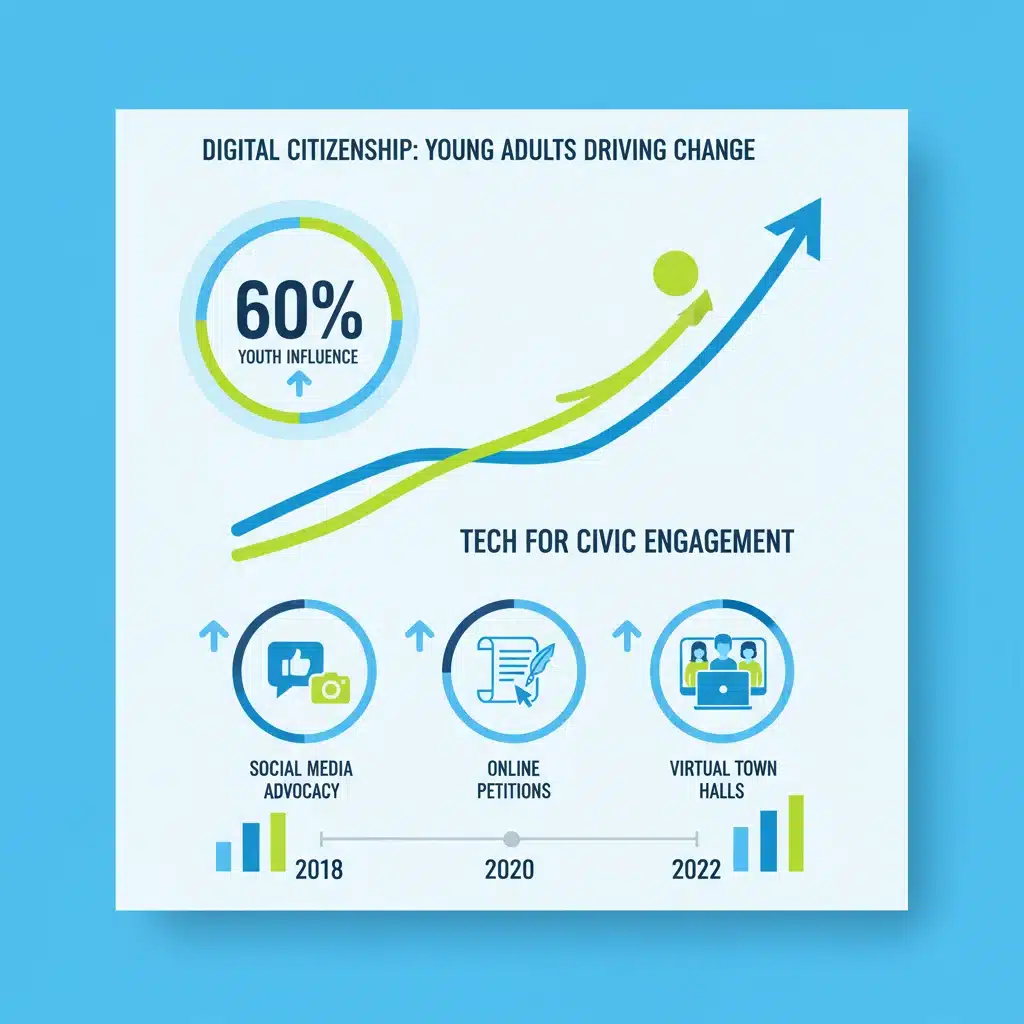
Voter participation is often narrowly defined by casting a ballot. However, Digital Civic Engagement encompasses a much broader spectrum of activities. In 2026, we anticipate that activities such as signing online petitions, participating in virtual town halls, sharing political content on social media, crowdfunding for political causes, and engaging in online advocacy will be recognized as equally vital forms of civic action. These digital avenues allow for continuous engagement beyond election cycles, enabling citizens to voice their opinions and influence policy decisions more regularly. This expanded definition is particularly appealing to younger generations who are accustomed to instant feedback and continuous interaction in their daily lives.
The Impact of Policy and Electoral Reform on Digital Engagement
The regulatory environment surrounding digital platforms and electoral processes will also play a crucial role in shaping 2026 trends. Discussions around online political advertising transparency, data privacy, and the combating of disinformation are ongoing. Potential legislative changes could either empower or restrict certain forms of Digital Civic Engagement. For instance, regulations requiring greater transparency from social media companies regarding political ads could lead to a more informed electorate, while overly restrictive measures might stifle legitimate online political discourse. The interplay between technological advancement and regulatory frameworks will be a critical factor in determining the nature and extent of civic participation in the coming years.
Technology’s Pervasive Influence: Over 60% of Young Adults Engaged
The statistic that technology influences over 60% of young adults in their civic engagement is not merely a number; it represents a fundamental shift in how a significant demographic interacts with the political world. For those born into the digital era, technology is not just a tool; it’s an extension of their social and political identity. This profound influence manifests in various ways, from how they form their political opinions to how they choose to act on them. Understanding this influence is paramount for political parties, advocacy groups, and educators aiming to foster meaningful Digital Civic Engagement.
Social Media as the New Public Square
For young adults, platforms like TikTok, Instagram, X (formerly Twitter), and Facebook serve as the new public squares. Here, political discussions unfold, news breaks, and social movements gain traction. Influencers, content creators, and peer networks often hold more sway than traditional political figures or media outlets. This direct and often unfiltered access to information and diverse perspectives shapes political views in real-time. The visual and interactive nature of these platforms also makes political content more accessible and engaging, drawing in young people who might otherwise be disengaged from traditional politics. The challenge lies in discerning credible information from misinformation, a skill that is increasingly vital in this digital landscape.
Mobilization and Activism in the Palm of Their Hands
Technology has dramatically lowered the barriers to collective action. Organizing protests, launching awareness campaigns, and gathering support for causes can now be done with unprecedented speed and scale through digital tools. Hashtag activism, online petitions, and crowdfunding for social justice initiatives are powerful examples of how young adults leverage technology for civic action. This ease of mobilization means that issues can gain significant traction rapidly, putting pressure on policymakers and corporations. The rapid dissemination of information and calls to action through social media can transform local concerns into national or even global movements, demonstrating the potent force of Digital Civic Engagement.
Personalization and Targeted Engagement
Digital platforms excel at personalization. Algorithms tailor content to individual preferences, which can create highly relevant political messaging. While this can lead to echo chambers, it also means that political campaigns and organizations can reach young adults with issues that directly resonate with them. Personalized calls to action, targeted ads based on interests, and interactive content designed for specific demographics are becoming standard practice. This level of targeted engagement can make political participation feel more relevant and less abstract for young voters, fostering a deeper sense of connection to political processes and encouraging more active Digital Civic Engagement.
The Dual Edge of Digital Civic Engagement: Opportunities and Challenges
While the digital age offers unprecedented opportunities for fostering civic engagement, it also presents a unique set of challenges that must be addressed to ensure a healthy and vibrant democracy. The very tools that empower citizens can also be exploited to undermine democratic processes. Navigating this complex landscape requires a nuanced understanding of both the potential and the pitfalls of Digital Civic Engagement.
Opportunities for Enhanced Participation and Inclusivity
- Lowered Barriers to Entry: Digital platforms make it easier for individuals, especially those with limited mobility, time constraints, or geographical isolation, to participate in political discourse and action.
- Increased Access to Information: A vast array of information, diverse perspectives, and expert analyses are readily available, potentially leading to a more informed citizenry.
- Amplification of Marginalized Voices: Digital tools can provide a platform for historically underrepresented groups to share their experiences, organize, and advocate for their rights, bringing critical issues to the forefront.
- Real-time Feedback and Accountability: Citizens can provide immediate feedback to elected officials and hold them accountable for their actions, fostering greater transparency in governance.
- Global Solidarity: Digital networks facilitate the formation of global movements around shared values and causes, transcending national borders and fostering international civic action.
Challenges to Democratic Integrity and Meaningful Engagement
- Misinformation and Disinformation: The rapid spread of false or misleading information can polarize societies, erode trust in institutions, and manipulate public opinion, making it difficult for citizens to make informed decisions.
- Echo Chambers and Filter Bubbles: Algorithmic personalization can create isolated information environments where individuals are only exposed to views that align with their own, limiting exposure to diverse perspectives and hindering constructive dialogue.
- Digital Divide: Unequal access to technology and internet connectivity can exacerbate existing inequalities, leaving certain segments of the population disenfranchised from digital civic spaces.
- Online Harassment and Trolling: The anonymity and perceived distance of online interactions can foster environments of hostility, discouraging participation from those who fear harassment or backlash.
- Superficial Engagement (‘Slacktivism’): While easy to participate, some forms of online activism might not translate into tangible real-world impact, leading to a sense of performative engagement without deeper commitment.
- Data Privacy and Surveillance Concerns: The collection and use of personal data by platforms and political entities raise significant privacy concerns, potentially leading to manipulation or surveillance of citizens.
Strategies for Fostering Healthy Digital Civic Engagement
To harness the full potential of Digital Civic Engagement while mitigating its risks, a multi-faceted approach involving education, policy, and technological innovation is essential. This requires collaboration among governments, tech companies, educational institutions, and civil society organizations.
Promoting Digital Literacy and Critical Thinking
Education is perhaps the most crucial tool. Equipping young adults and all citizens with strong digital literacy skills – including the ability to critically evaluate online sources, identify misinformation, and understand algorithmic biases – is fundamental. Educational programs should focus on media literacy, critical thinking, and ethical online behavior, empowering individuals to navigate the digital landscape responsibly.
Enhancing Platform Accountability and Transparency
Tech companies have a significant role to play in creating healthier digital civic spaces. This includes implementing robust content moderation policies, increasing transparency around political advertising, combating bot networks, and designing algorithms that prioritize accurate information and diverse viewpoints over engagement metrics alone. Regulatory frameworks that encourage or mandate such practices can also be effective.
Designing Inclusive Digital Spaces
Efforts must be made to bridge the digital divide, ensuring that all citizens have equitable access to the internet and necessary digital tools. Furthermore, platforms should be designed with accessibility in mind, accommodating users with disabilities. Creating online environments that are respectful, inclusive, and free from harassment is vital for encouraging broader participation.
Encouraging Offline-to-Online and Online-to-Offline Connections
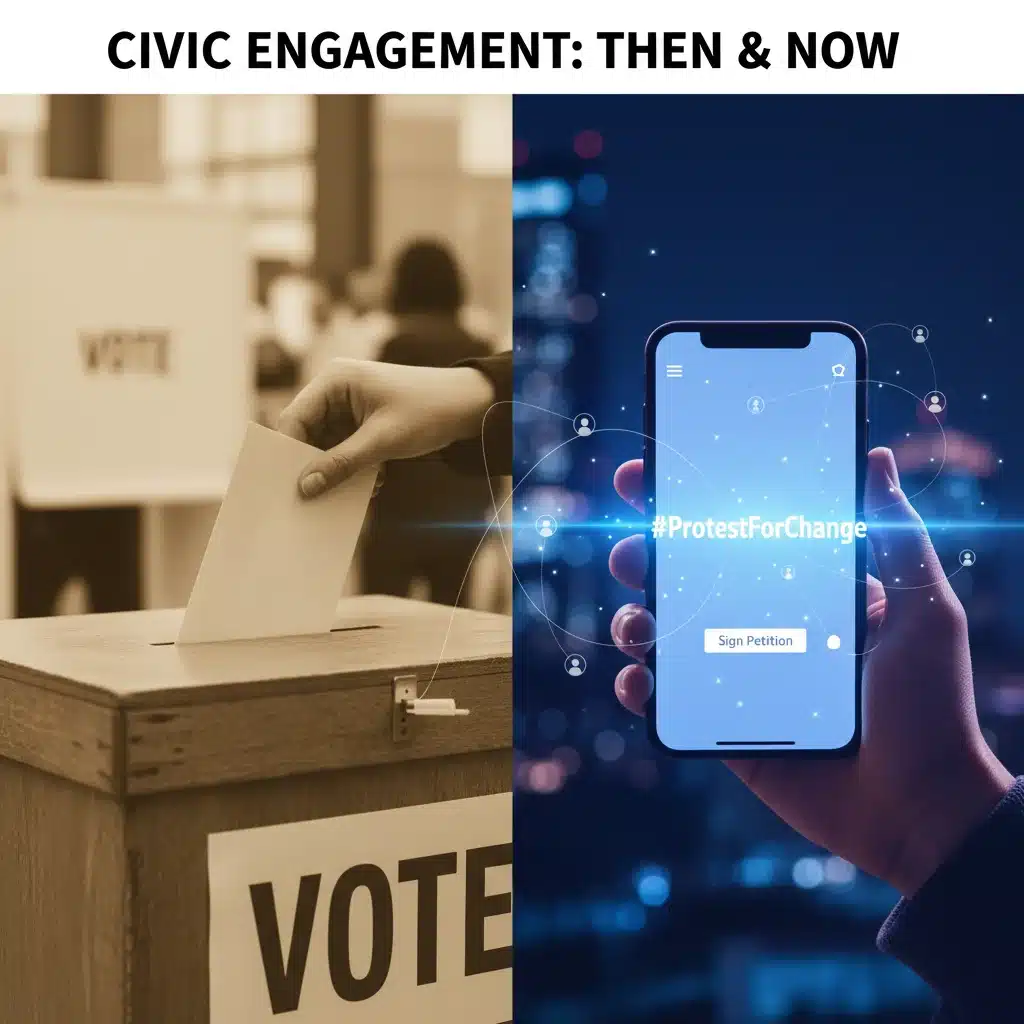
The most effective Digital Civic Engagement often bridges the gap between online and offline activities. Digital tools can be used to organize real-world events, while offline discussions and community building can inform online advocacy. Fostering these hybrid approaches ensures that digital engagement translates into tangible action and strengthens community bonds.
The Future of Democracy in a Digital World
The trends for 2026 indicate that Digital Civic Engagement will only become more ingrained in the fabric of democratic societies. The influence of technology on young adults, in particular, signals a generational shift in how citizens perceive and enact their civic duties. While the challenges are significant, the opportunities for a more inclusive, informed, and participatory democracy are equally compelling.
As we move forward, continuous adaptation and innovation will be necessary. Political institutions must evolve to embrace digital tools and engage with citizens where they are – online. Educators must prepare future generations for the complexities of digital citizenship. Tech companies must assume greater responsibility for the societal impact of their platforms. And citizens themselves must cultivate digital literacy and critical discernment.
The vision for 2026 and beyond is one where technology serves as a powerful enhancer of civic life, enabling more voices to be heard, fostering greater transparency, and ultimately strengthening the democratic process. The future of civic engagement is undeniably digital, and understanding its nuances is the first step toward shaping a more engaged and empowered citizenry.
Conclusion: Navigating the Digital Crossroads of Democracy
In conclusion, the analysis of 2026 trends in voter participation and the profound influence of technology on over 60% of young adults paints a clear picture: Digital Civic Engagement is not a fleeting trend but a fundamental reorientation of civic life. The integration of digital platforms into political discourse, mobilization, and information consumption has reshaped how citizens interact with their governments and with each other. While this evolution brings with it significant benefits, such as increased accessibility and the amplification of diverse voices, it also introduces complex challenges like misinformation, echo chambers, and digital divides.
The path forward requires a concerted effort from all stakeholders. By prioritizing digital literacy, fostering responsible platform governance, and designing inclusive digital spaces, we can steer the trajectory of Digital Civic Engagement towards a future that strengthens democratic values and encourages meaningful participation. The ongoing dialogue between technological innovation and democratic principles will define the health and resilience of our civic societies in the years to come. Understanding these dynamics is not just an academic exercise; it is crucial for anyone committed to fostering a vibrant, engaged, and representative democracy in the digital age.