Digital Detox Challenges: Achieve a 15% Reduction in Notifications by March 2026

In our hyper-connected world, the constant barrage of pings, vibrations, and glowing screens has become the norm. While technology offers undeniable benefits, it also subtly encroaches on our time, focus, and mental well-being. This isn’t just about reducing screen time; it’s about reclaiming your attention and fostering a healthier relationship with your digital devices. That’s where the digital detox challenge comes in. Our ambitious goal? To achieve a 15% reduction in digital notifications by March 2026. This isn’t an overnight fix, but a sustained, mindful effort to create lasting change.
Why this specific target? A 15% reduction is significant enough to be felt in your daily life – fewer interruptions, more focused work, and more present moments – yet achievable enough to prevent burnout. It’s a measurable goal that allows for gradual implementation and habit formation. By March 2026, you’ll have had ample time to experiment, adjust, and solidify new, healthier digital habits. This article will guide you through the why, what, and how of successfully navigating this essential digital detox challenge, providing actionable strategies and insights to make your journey both effective and sustainable.
Understanding the Impact of Digital Overload: Why a Digital Detox Challenge is Crucial
Before diving into strategies, it’s vital to understand the pervasive impact of digital overload on our lives. We’re not just talking about minor annoyances; constant notifications and digital stimulation profoundly affect our cognitive functions, emotional well-being, and even physical health. Recognizing these impacts is the first step in embracing a digital detox challenge.
The Cognitive Drain: Attention Residue and Multitasking Myth
Every time your phone buzzes, even if you don’t pick it up, your brain experiences what’s known as ‘attention residue.’ Your focus doesn’t immediately snap back to your original task; a part of your mind remains tethered to the potential new information, diminishing your cognitive performance. This constant context-switching leads to decreased productivity, more errors, and a feeling of being perpetually overwhelmed.
Furthermore, the myth of effective multitasking is perpetuated by our digital devices. Our brains are not designed to perform multiple complex tasks simultaneously. Instead, we rapidly switch between them, leading to shallower processing and reduced comprehension. A successful digital detox challenge aims to reduce these interruptions, allowing for deeper, more focused work and thought.
Emotional and Psychological Toll: Anxiety, FOMO, and Sleep Disruption
The constant stream of notifications often triggers a ‘fear of missing out’ (FOMO), leading to anxiety and a compulsive need to check devices. Social media notifications, in particular, can be a double-edged sword, offering connection but also fostering comparisons and feelings of inadequacy. The blue light emitted from screens, especially in the evening, disrupts melatonin production, interfering with our natural sleep cycles and leading to insomnia and poor sleep quality. A structured digital detox challenge can significantly mitigate these negative emotional and psychological effects, promoting greater peace and mental clarity.
Physical Health Implications: Sedentary Lifestyles and Eye Strain
Beyond the mental aspects, excessive digital engagement often correlates with a sedentary lifestyle, contributing to physical health issues like obesity, cardiovascular problems, and musculoskeletal strain (e.g., ‘tech neck’). Eye strain, headaches, and dry eyes are also common complaints. By consciously reducing our reliance on digital devices through a digital detox challenge, we create opportunities for more physical activity and give our bodies a much-needed break from constant screen interaction.
Setting the Stage for Your Digital Detox Challenge: Baseline and Goal Setting
To effectively reduce your notifications by 15% by March 2026, you need a clear starting point and a well-defined strategy. This involves understanding your current digital habits and setting realistic, measurable goals.
Step 1: Establish Your Baseline Notification Count
You can’t manage what you don’t measure. For the next 3-5 days, actively track the number of notifications you receive. Most smartphones have built-in ‘Digital Wellbeing’ (Android) or ‘Screen Time’ (iOS) features that can provide detailed insights into app usage and notification counts. Pay attention to:
- Total daily notifications: Get an average number.
- Notification sources: Which apps are the biggest culprits? (Social media, email, news, messaging apps?)
- Timing: When do you receive the most notifications?
- Your reaction: How often do you immediately check your phone after a notification?
Let’s say your average daily notification count is 100. A 15% reduction means aiming for 85 notifications per day. This concrete number makes the digital detox challenge tangible.
Step 2: Define Your ‘Why’
Motivation is key to any successful challenge. Why do you want to reduce notifications? Is it to improve focus at work, be more present with family, reduce anxiety, sleep better, or cultivate new hobbies? Write down your reasons. Refer back to them when motivation wanes. Your ‘why’ will be the fuel for your digital detox challenge.
Step 3: Set Incremental Milestones
March 2026 might seem far away, but substantial change happens gradually. Break down your 15% reduction goal into smaller, manageable milestones. For example:
- Month 1-3: Reduce by 5% (e.g., from 100 to 95 notifications). Focus on the easiest wins.
- Month 4-9: Reduce by another 5% (e.g., from 95 to 90). Tackle slightly more challenging areas.
- Month 10-15: Achieve the final 5% reduction (e.g., from 90 to 85). Refine and solidify habits.
This phased approach makes the digital detox challenge less daunting and more sustainable.
Actionable Strategies for Your Digital Detox Challenge: Reducing Notifications
Now, let’s get into the practical steps. These strategies are designed to be implemented gradually, aligning with your incremental milestones, to help you achieve your digital detox challenge goal.
Strategy 1: The Notification Audit – Ruthless Pruning
This is often the quickest way to see results. Go through each app on your phone and evaluate its notification settings. Ask yourself:
- Is this notification essential? (e.g., banking alerts, critical work communications)
- Can it wait? (e.g., news updates, social media likes, game reminders)
- Do I need visual, sound, and vibration for this? (Often, a silent badge is enough)
Action: Turn off all non-essential notifications. For many apps, you might only need notifications for direct messages, not for every like or comment. Consider turning off notifications for email entirely and checking it on your own schedule. This simple step is a powerful start to your digital detox challenge.
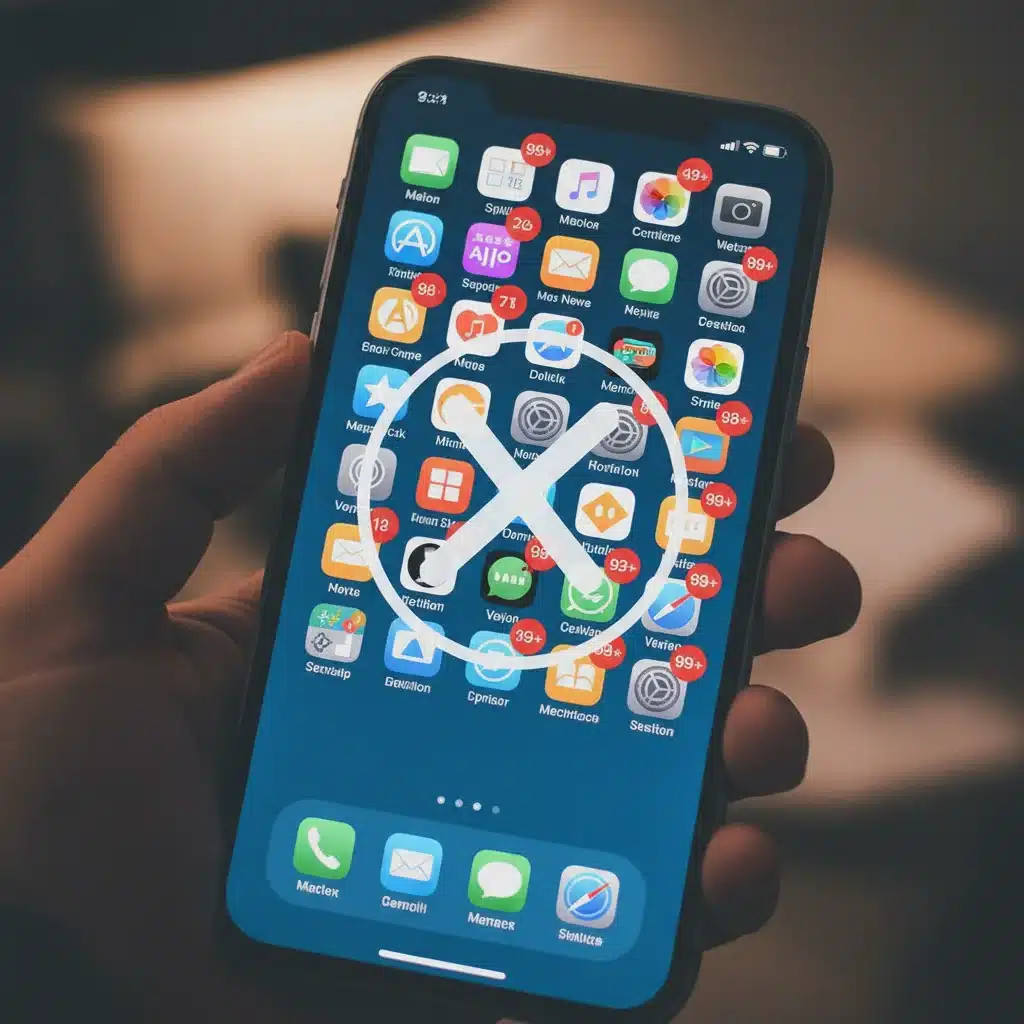
Strategy 2: Leverage ‘Do Not Disturb’ and Focus Modes
These built-in features are your best friends in this digital detox challenge. They allow you to create periods of uninterrupted focus.
- Scheduled DND: Set ‘Do Not Disturb’ to automatically activate during work hours, meal times, family time, and especially an hour before bed until you wake up.
- Custom Focus Modes: Create custom modes for different activities (e.g., ‘Work Focus’ allowing only calls from specific contacts; ‘Reading Focus’ silencing everything).
- Whitelist Exceptions: Allow calls from essential contacts (family, emergency services) to break through DND.
Action: Configure DND and Focus Modes for at least three distinct periods in your day. This creates intentional boundaries for your digital interactions.
Strategy 3: Declutter Your Digital Environment
A cluttered digital space invites more interaction. Simplify to reduce temptation.
- Delete Unused Apps: If you haven’t used an app in a month, delete it. Less apps mean less potential for notifications.
- Organize Apps: Group essential apps on your home screen and bury distracting ones in folders or on subsequent pages. Consider removing social media apps from your primary home screen.
- Grayscale Mode: Experiment with turning your screen to grayscale. The lack of vibrant colors makes your phone less appealing and addictive.
Action: Spend 30 minutes decluttering your phone. Delete at least five unused apps and reorganize your home screen for minimal distraction. This contributes significantly to your digital detox challenge.
Strategy 4: Implement Notification-Free Zones and Times
Designate specific periods and places where digital notifications are strictly prohibited. This helps retrain your brain to not expect constant digital input.
- Bedroom Ban: No phones in the bedroom, or at least keep them on silent and out of reach. Use an actual alarm clock.
- Mealtime Mindfulness: Keep phones away from the dinner table. Engage with those around you.
- Morning & Evening Buffer: Implement a ‘no-phone’ rule for the first hour after waking up and the last hour before bed.
- Dedicated Work Blocks: Use the Pomodoro Technique or similar time management methods where you work in focused bursts without any notifications.
Action: Choose one notification-free zone (e.g., the dinner table) and one notification-free time (e.g., the first 30 minutes of your day) and commit to it for a week. Gradually expand these zones and times as part of your digital detox challenge.
Strategy 5: Batching Digital Tasks
Instead of responding to emails or messages as they come in, dedicate specific times for these activities. This reduces the number of times you’re pulled away from other tasks.
- Email: Check emails 2-3 times a day (e.g., 10 AM, 2 PM, 5 PM) instead of constantly.
- Social Media: Schedule specific, limited times to check social media, rather than mindlessly scrolling whenever a notification appears.
- News: Read news at a designated time, perhaps in the morning or evening, rather than getting constant push alerts.
Action: Identify one digital task you currently engage with reactively (like email or social media) and commit to batching it into 2-3 specific time slots per day for the next month. This structured approach is key to a successful digital detox challenge.
Sustaining Your Digital Detox Challenge: Beyond March 2026
Achieving a 15% reduction by March 2026 is a fantastic milestone, but the ultimate goal is to foster a sustainable, healthy relationship with technology. This means integrating these practices into your lifestyle long-term.
Regular Review and Adjustment
Digital habits can creep back. Periodically (e.g., quarterly), review your notification settings and screen time data. Are you still meeting your goals? Do you need to adjust your strategies? Technology evolves, and so should your approach to managing it. This ongoing assessment is crucial for the longevity of your digital detox challenge.
Cultivate Offline Hobbies and Connections
Nature abhors a vacuum. As you reduce your digital engagement, fill that space with enriching offline activities. Reconnect with hobbies you’ve neglected – reading physical books, painting, playing an instrument, gardening, hiking, or learning a new skill. Invest in face-to-face interactions with friends and family. These activities provide genuine fulfillment and reduce the urge to reach for your device out of boredom or habit. This is the positive reinforcement of your digital detox challenge.

Practice Mindfulness and Self-Awareness
Pay attention to how you feel before, during, and after using your devices. Are you reaching for your phone out of genuine need or out of habit, anxiety, or boredom? Develop the ability to pause and ask yourself if checking your phone is truly necessary in that moment. Mindfulness helps you break the unconscious cycle of digital checking and reinforces the principles of your digital detox challenge.
Embrace Imperfection
There will be days when you fall back into old habits, receive more notifications than usual, or spend too much time online. Don’t let a slip-up derail your entire effort. Acknowledge it, learn from it, and recommit to your goals. The journey of a digital detox challenge is not about perfection, but about continuous improvement and conscious choice.
The Long-Term Benefits of Embracing the Digital Detox Challenge
By committing to this digital detox challenge and reducing your notifications by 15% by March 2026, you’re not just silencing your phone; you’re amplifying your life. The benefits extend far beyond mere numbers:
- Increased Focus and Productivity: With fewer interruptions, you’ll find it easier to concentrate on tasks, leading to higher quality work and greater efficiency.
- Reduced Stress and Anxiety: Less digital stimulation means a calmer mind, fewer comparisons, and a greater sense of peace.
- Improved Sleep Quality: Limiting screen time before bed promotes better melatonin production, leading to more restful sleep.
- Enhanced Relationships: Being more present in conversations and interactions strengthens your connections with loved ones.
- Greater Creativity and Problem-Solving: When your mind isn’t constantly processing new information, it has space to wander, connect ideas, and generate creative solutions.
- Reclaimed Time: You’ll be amazed at how much extra time you find for hobbies, personal growth, and simply being.
- Better Mental Clarity: A less cluttered digital life often translates to a less cluttered mind, fostering clearer thinking and decision-making.
Conclusion: Your Journey to Digital Serenity Starts Now
The digital detox challenge to reduce notifications by 15% by March 2026 is an investment in your most valuable asset: your attention. It’s a journey towards greater mindfulness, productivity, and overall well-being. Start today by assessing your current habits, setting clear goals, and implementing these actionable strategies. Remember, small, consistent steps lead to profound, lasting change. Reclaim your focus, embrace the quiet, and discover the richness of a life lived with intention, not interruption. Your future self will thank you for taking on this vital digital detox challenge.