AI Ethics in Practice: US Framework for Responsible AI Development in 2026
In the rapidly evolving landscape of artificial intelligence, the imperative for ethical guidelines has never been more pronounced. As AI systems become increasingly integrated into the fabric of society, influencing everything from healthcare and finance to national security, the United States is actively working to establish a robust and comprehensive US AI Ethics Framework. This framework, envisioned to be fully operational and influential by 2026, aims to guide the responsible development, deployment, and governance of AI technologies, ensuring that innovation proceeds hand-in-hand with societal well-being and fundamental human values.
The journey towards a definitive US AI Ethics Framework is complex, involving a multitude of stakeholders including government agencies, private industry, academia, and civil society organizations. The objective is not merely to create a set of rules, but to foster a culture of responsible AI, where ethical considerations are embedded from conception to deployment. This article will delve into the anticipated structure, key principles, practical implications, and challenges associated with the US AI Ethics Framework for 2026, offering a comprehensive analysis for anyone invested in the future of AI.
The Genesis and Evolution of the US AI Ethics Framework
The United States has long recognized the transformative potential of AI, as well as the significant ethical dilemmas it presents. Early discussions and initiatives laid the groundwork for what is now crystallizing into a more formal US AI Ethics Framework. These foundational efforts include reports from the National Security Commission on Artificial Intelligence (NSCAI), executive orders, and various policy proposals from different governmental bodies. The common thread running through these initiatives is the recognition that without a clear ethical compass, AI could inadvertently exacerbate existing societal inequalities, compromise privacy, and undermine trust in institutions.
By 2026, the framework is expected to have matured considerably, moving beyond aspirational principles to actionable guidelines and potentially enforceable standards. This evolution reflects a growing understanding of AI’s pervasive impact and the need for a proactive, rather than reactive, approach to its governance. The framework will likely build upon existing international discussions and best practices, while also tailoring its provisions to the unique legal and cultural landscape of the United States. The emphasis will be on creating a dynamic and adaptable framework that can keep pace with the rapid advancements in AI technology.
Key Pillars of the Anticipated US AI Ethics Framework for 2026
While the final contours of the US AI Ethics Framework are still being shaped, several core principles are consistently highlighted in ongoing discussions and policy drafts. These principles are expected to form the bedrock of the 2026 framework, guiding responsible AI development and deployment:
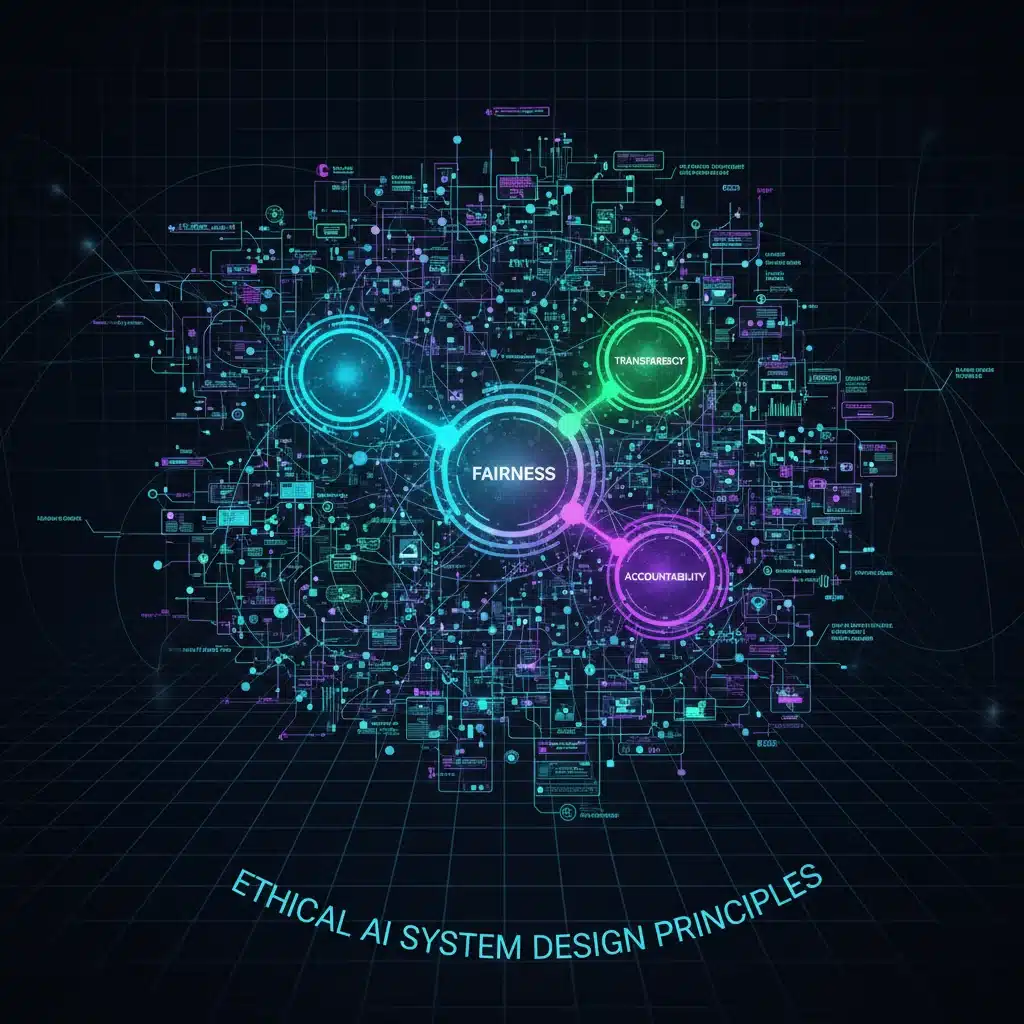
- Fairness and Non-discrimination: AI systems must be designed and used in a way that avoids creating or reinforcing unfair biases. This includes ensuring equitable access, avoiding discriminatory outcomes, and implementing robust testing for bias detection and mitigation. The framework will likely mandate transparency in how fairness is defined and measured within different AI applications.
- Accountability and Governance: Clear lines of responsibility must be established for AI systems, from their developers and deployers to the end-users. The framework will outline mechanisms for oversight, redress, and auditing to ensure that AI systems operate within ethical boundaries and that individuals have avenues to challenge adverse decisions made by AI. This pillar is crucial for building public trust in the US AI Ethics Framework.
- Transparency and Explainability: The ‘black box’ problem of AI – where decisions are made without clear human understanding – is a significant concern. The framework will likely push for greater transparency in AI algorithms and data, and demand explainability where AI decisions have significant impact on individuals. This doesn’t necessarily mean full algorithmic disclosure, but rather providing sufficient information to understand the rationale behind AI outputs.
- Safety and Reliability: AI systems must be robust, secure, and perform as intended without causing unintended harm. This principle encompasses rigorous testing, validation, and continuous monitoring to ensure the safety and reliability of AI applications, especially in critical sectors like healthcare, transportation, and defense.
- Privacy and Data Security: Given the data-intensive nature of AI, robust protections for personal data are paramount. The framework will align with existing privacy laws and introduce new provisions to address AI-specific data collection, usage, and storage challenges, emphasizing anonymization, consent, and secure data handling practices.
- Human-Centricity and Values: Ultimately, AI should serve humanity and uphold democratic values. The framework will stress the importance of human oversight, control, and the preservation of human autonomy. It will emphasize that AI should augment human capabilities rather than replace human judgment in critical decision-making processes.
Operationalizing the Framework: From Principles to Practice
The true test of any ethical framework lies in its practical implementation. The US AI Ethics Framework for 2026 is expected to move beyond abstract principles to provide concrete guidance for organizations developing and deploying AI. This will involve several key operational aspects:
Developing Industry-Specific Standards and Best Practices
Recognizing that AI applications vary widely across sectors, the framework will likely encourage or mandate the development of industry-specific ethical standards. For instance, AI in healthcare will have different ethical considerations than AI in finance or autonomous vehicles. Collaborations between government, industry consortia, and professional bodies will be crucial in tailoring the overarching US AI Ethics Framework to these diverse contexts, providing practical tools and methodologies for ethical AI development.
Promoting AI Ethics Education and Training
A fundamental aspect of operationalizing the framework is ensuring that professionals involved in AI – from researchers and engineers to product managers and policymakers – are equipped with the knowledge and skills to navigate ethical challenges. The US AI Ethics Framework will likely emphasize the importance of AI ethics education and training programs, integrating ethical considerations into AI curricula and professional development initiatives. This proactive approach will foster a culture of ethical awareness throughout the AI lifecycle.
Establishing Regulatory Sandboxes and Pilot Programs
To facilitate innovation while ensuring ethical compliance, the framework may incorporate mechanisms like regulatory sandboxes. These controlled environments allow companies to test new AI technologies under regulatory supervision, enabling regulators to gain insights into emerging ethical challenges and refine policies in a dynamic manner. Pilot programs can also demonstrate the practical application of the US AI Ethics Framework in real-world scenarios, providing valuable feedback for continuous improvement.

Enforcement Mechanisms and Compliance
For the US AI Ethics Framework to be effective, it must have clear enforcement mechanisms. While the exact nature of these mechanisms is still being debated, they could include a combination of voluntary compliance, industry self-regulation, and, for certain high-risk applications, mandatory regulations and penalties for non-compliance. The framework might also leverage existing regulatory bodies or propose new ones specifically tasked with overseeing AI ethics, ensuring that the principles are not merely aspirational but enforceable.
Challenges and Considerations for the 2026 Framework
Developing and implementing a comprehensive US AI Ethics Framework is not without its challenges. Several critical considerations will need to be addressed to ensure its long-term success and efficacy:
Balancing Innovation with Regulation
One of the most significant challenges is striking the right balance between fostering technological innovation and imposing necessary ethical safeguards. Overly restrictive regulations could stifle progress, while insufficient oversight could lead to harmful outcomes. The US AI Ethics Framework will need to be flexible enough to accommodate rapid technological advancements while providing clear boundaries to prevent misuse. This delicate balance is central to the framework’s design.
Addressing International Harmonization
AI is a global phenomenon, and ethical challenges often transcend national borders. The US AI Ethics Framework will need to consider its compatibility and interoperability with international AI ethics initiatives, such as those proposed by the European Union, UNESCO, and the OECD. While complete harmonization may not be feasible, fostering common principles and standards can facilitate cross-border collaboration and prevent regulatory fragmentation, which could hinder global AI development and deployment.
Ensuring Inclusivity and Representation
The development of the US AI Ethics Framework must be an inclusive process, reflecting the diverse perspectives and concerns of all segments of society. This includes ensuring representation from marginalized communities who are often disproportionately affected by biased AI systems. Ongoing public engagement, consultations, and feedback mechanisms will be crucial to ensure that the framework is truly representative and addresses the needs of all Americans.
Adapting to Rapid Technological Change
The pace of AI innovation is relentless. What constitutes an ethical challenge today may be resolved or superseded by new issues tomorrow. The US AI Ethics Framework must therefore be designed to be agile and adaptable, with built-in mechanisms for regular review, updates, and revisions. This ensures that the framework remains relevant and effective in addressing emerging ethical dilemmas in the years leading up to and beyond 2026.
Resource Allocation and Implementation Capacity
Implementing a comprehensive ethical framework requires significant resources, including funding, expertise, and institutional capacity. The US AI Ethics Framework will need to be supported by adequate investment in research, development of ethical tools, and the training of personnel across government and industry. Without sufficient resources, even the most well-intentioned framework may struggle to achieve its objectives.
The Role of Stakeholders in Shaping the US AI Ethics Framework
The success of the US AI Ethics Framework hinges on the collaborative efforts of various stakeholders:
- Government Agencies: Federal and state agencies will play a pivotal role in drafting policies, establishing regulatory bodies, and enforcing compliance. This includes agencies like NIST (National Institute of Standards and Technology), which has already made significant contributions to AI risk management frameworks, and others responsible for sector-specific regulations.
- Private Industry: Technology companies, startups, and large corporations developing and deploying AI are essential partners. Their active participation in developing ethical guidelines, adopting best practices, and investing in ethical AI research will be critical. The framework aims to provide a clear playing field, encouraging responsible innovation.
- Academia and Research Institutions: Universities and research centers are at the forefront of AI innovation and ethical inquiry. Their contributions in developing ethical AI tools, conducting independent research on AI’s societal impact, and educating the next generation of AI professionals are invaluable to the US AI Ethics Framework.
- Civil Society Organizations: Advocacy groups, non-profits, and community organizations bring crucial perspectives on human rights, social justice, and public interest. Their role in holding AI developers and deployers accountable, raising awareness, and advocating for robust ethical safeguards is indispensable.
- The Public: Ultimately, the US AI Ethics Framework is designed to protect and benefit the public. Public engagement, feedback, and trust are vital for the framework’s legitimacy and effectiveness. Transparent communication and accessible channels for public input will be key.
Anticipated Impact of the US AI Ethics Framework by 2026
By 2026, the US AI Ethics Framework is expected to have a profound impact across multiple dimensions:
- Enhanced Public Trust: A clear and enforceable ethical framework will foster greater public confidence in AI technologies, encouraging wider adoption and acceptance. This trust is essential for AI to realize its full potential for societal benefit.
- Responsible Innovation: The framework will provide clear guardrails for AI developers, encouraging them to embed ethical considerations from the outset. This will lead to the creation of more trustworthy and beneficial AI systems, aligning innovation with societal values.
- Competitive Advantage: Adherence to high ethical standards can become a source of competitive advantage for US companies in the global AI market. Products and services built on a foundation of trust and responsibility will be more appealing to consumers and international partners.
- Mitigation of Risks: By proactively addressing ethical concerns such as bias, privacy violations, and security vulnerabilities, the framework will help mitigate the potential harms associated with AI, leading to fewer incidents of misuse or unintended negative consequences.
- Global Leadership: A robust and forward-thinking US AI Ethics Framework will solidify the United States’ position as a global leader in responsible AI, influencing international norms and standards for ethical AI development.
Conclusion: A Future of Responsible AI in the US
The development of a comprehensive US AI Ethics Framework by 2026 represents a critical step towards harnessing the power of artificial intelligence for the betterment of society. It signifies a commitment to ensuring that technological progress is guided by fundamental human values and ethical principles. While the challenges are significant, the collaborative efforts of government, industry, academia, and civil society are paving the way for a future where AI is not only intelligent and powerful but also fair, transparent, accountable, and safe.
The US AI Ethics Framework will serve as a living document, evolving with the technology it seeks to govern. Its success will depend on continuous dialogue, adaptation, and a shared commitment to building a responsible AI ecosystem. As we approach 2026, all stakeholders must remain vigilant, engaged, and proactive in shaping an AI future that is both innovative and ethically sound, ensuring that AI truly serves humanity’s best interests.