Housing Affordability Crisis: 5 Policy Changes Needed by 2028
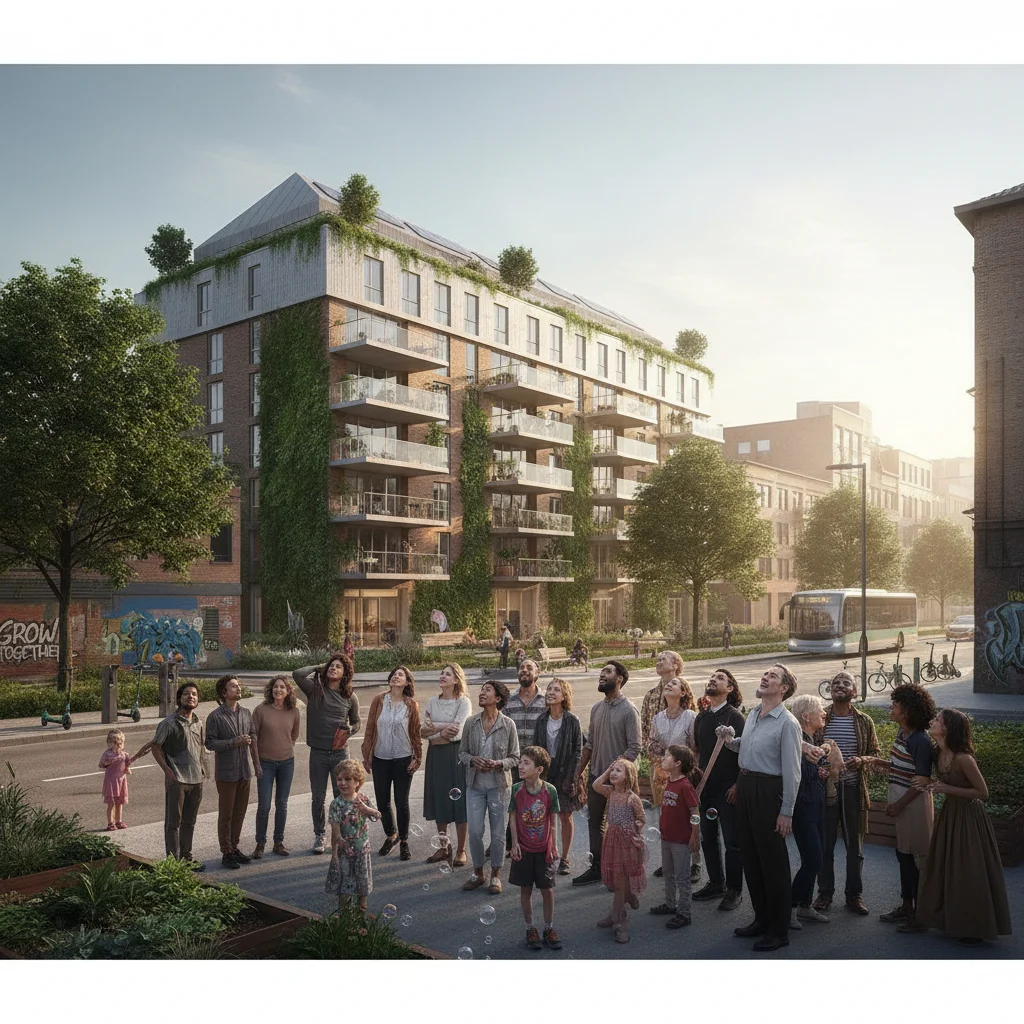
The housing affordability crisis is not merely an economic issue; it is a profound societal challenge impacting millions globally. From bustling metropolises to quiet suburban towns, the dream of secure, affordable housing is becoming increasingly elusive for a significant portion of the population. This isn’t just about rising prices; it’s about stagnant wages, restrictive zoning laws, lack of supply, and an investment landscape that often prioritizes profit over people. As an expert deeply immersed in urban planning, economics, and social policy, I’ve observed the escalating severity of this crisis and firmly believe that without immediate, decisive action, the consequences will be dire. The year 2028 looms as a critical benchmark, a point by which we must see tangible progress in addressing this systemic issue. To achieve this, a paradigm shift in our approach to housing policy is essential. This article delves into five crucial policy changes that, if implemented effectively and expeditiously, can pave the way for a more equitable and affordable housing future.
Understanding the Multifaceted Nature of the Housing Affordability Crisis
Before we outline solutions, it’s vital to grasp the complexity of the problem. The housing affordability crisis is a confluence of several interconnected factors. On the supply side, we face a chronic shortage of housing units, particularly in high-demand urban areas. This deficit is exacerbated by lengthy and often cumbersome permitting processes, high construction costs, and a scarcity of developable land. Zoning regulations, originally designed to ensure orderly development, have often evolved into exclusionary tools, limiting housing density and diversity. Single-family zoning, for instance, dominates vast swathes of residential land in many cities, effectively prohibiting the construction of multi-family dwellings that could accommodate more people at lower costs.
On the demand side, factors like population growth, urbanization, and the increasing financialization of housing have driven prices upward. Housing is increasingly viewed as an investment vehicle rather than a fundamental human right. Large institutional investors buying up residential properties can inflate prices and rents, pushing out individual buyers and long-term residents. Furthermore, wage growth has not kept pace with housing cost inflation, creating a widening gap between what people earn and what they can afford to pay for shelter. This disparity forces many to spend an unsustainable portion of their income on housing, leaving little for other necessities and hindering economic mobility. The COVID-19 pandemic further exposed and amplified these vulnerabilities, with many struggling to meet rent or mortgage payments amidst economic uncertainty.
The social implications of this crisis are profound. Housing instability leads to increased stress, poorer health outcomes, and reduced educational attainment for children. It can also fragment communities, displace long-term residents, and exacerbate homelessness. Addressing the housing affordability policy challenge requires a holistic approach that tackles both supply-side constraints and demand-side pressures, while also prioritizing equity and social well-being.
Policy Change 1: Comprehensive Zoning Reform and Upzoning Initiatives
One of the most impactful policy changes we can enact is a radical overhaul of exclusionary zoning laws. For decades, single-family zoning has been the default in many communities, effectively banning the construction of duplexes, triplexes, and apartment buildings. This severely limits housing supply and drives up costs, making it impossible for many to live in desirable areas near jobs and amenities. By 2028, we need to see widespread adoption of comprehensive zoning reform that promotes density and diverse housing types.
Key Aspects of Zoning Reform:
- Eliminate Single-Family Exclusive Zoning: Mandate or incentivize jurisdictions to allow for duplexes, triplexes, and small-scale multi-family housing in all residential zones. This ‘missing middle’ housing can significantly increase supply without drastically altering neighborhood character.
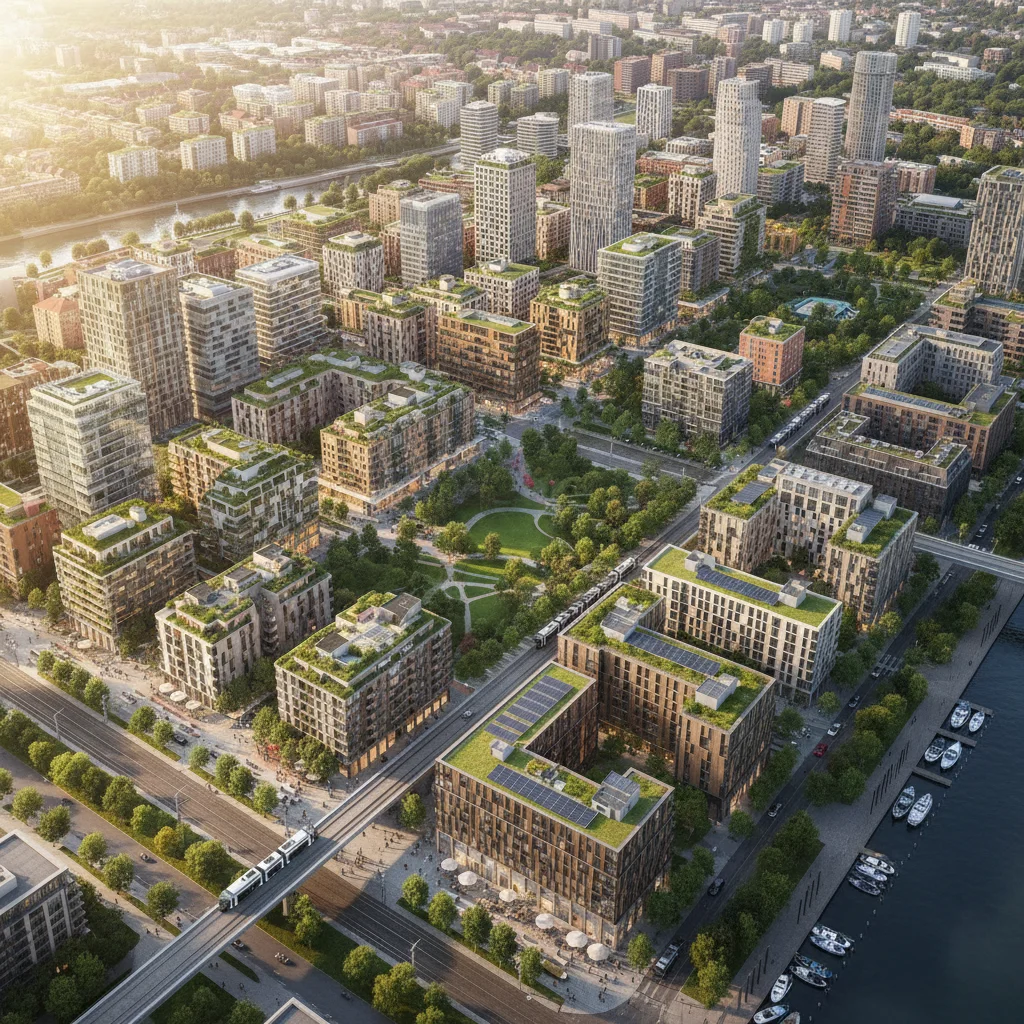
- Transit-Oriented Development (TOD): Implement policies that encourage high-density housing development around public transit hubs. This not only increases housing options but also reduces reliance on cars, promotes sustainability, and creates vibrant, walkable communities.
- Streamlined Permitting Processes: Reduce bureaucratic hurdles and accelerate the approval process for housing developments, especially those that include affordable units. Lengthy delays add significant costs to projects, which are ultimately passed on to residents.
- Incentivize Mixed-Use Development: Encourage the integration of residential, commercial, and retail spaces, creating self-sufficient neighborhoods where residents can live, work, and shop without extensive travel.
- Performance-Based Zoning: Shift away from prescriptive zoning rules towards performance-based standards that focus on outcomes (e.g., environmental impact, aesthetic quality, public space) rather than rigid building types.
States like Oregon and California have already begun to lead the way in zoning reform, demonstrating that significant changes are politically feasible and economically beneficial. These reforms are not about indiscriminately building everywhere; they are about intelligently increasing housing options in places where people want to live, thereby easing price pressures across the entire market. This foundational shift in housing affordability policy is critical for long-term sustainability.
Policy Change 2: Significant Investment in Public and Non-Profit Housing
While market-based solutions are important, they alone cannot solve the entire housing affordability crisis. There will always be a segment of the population for whom even moderately priced market housing remains out of reach. This necessitates a substantial increase in public and non-profit sector involvement in housing provision. By 2028, we must see a renewed commitment to funding and expanding public housing programs and supporting community land trusts and other non-profit housing developers.
Strategies for Public and Non-Profit Housing:
- Federal and State Funding Boost: Allocate significant federal and state funding for the construction and preservation of truly affordable housing units, targeting households below 80% of the Area Median Income (AMI), and particularly those below 30% AMI. This could involve direct grants, low-interest loans, and tax incentives.
- Expand Community Land Trusts (CLTs): Promote and fund the expansion of CLTs, which acquire land and hold it in trust, selling only the homes on the land at affordable prices and retaining ownership of the land to ensure long-term affordability. This model removes land costs from the equation, making homeownership accessible.
- Social Housing Models: Explore and implement social housing models, prevalent in many European countries, where housing is treated as a public good and provided by governmental or non-profit entities at deeply affordable rates, often cross-subsidized.
- Preservation of Existing Affordable Housing: Implement policies and funding mechanisms to prevent the loss of existing affordable housing stock due to gentrification, redevelopment, or expiration of affordability covenants.
- Support for Homelessness Prevention and Services: Invest more in rapid rehousing programs, rental assistance, and supportive services for individuals and families experiencing homelessness, recognizing that stable housing is a prerequisite for addressing other social issues.
This approach moves beyond simply regulating the market to actively participating in it to meet social needs. It acknowledges that housing is a human right and that the government has a role to play in ensuring its provision. A robust public and non-profit housing sector acts as a crucial safety net and a stabilizing force in the overall housing market, contributing significantly to housing affordability policy goals.
Policy Change 3: Innovative Financing Mechanisms and Tax Incentives
Funding affordable housing is a perpetual challenge. Traditional funding streams are often insufficient to meet the scale of the problem. By 2028, we need to implement innovative financing mechanisms and strategically deploy tax incentives to unlock new capital for affordable housing development and preservation.
Financial Innovations and Incentives:
- Reforming the Low-Income Housing Tax Credit (LIHTC): The LIHTC is the largest federal program for affordable housing, but it can be improved. Reforms could include increasing the credit allocation, making it more flexible, and ensuring it serves the deepest needs.
- Inclusionary Zoning Mandates with Stronger Incentives: While some jurisdictions have inclusionary zoning (requiring a percentage of affordable units in new developments), these often need stronger incentives (e.g., density bonuses, expedited permitting, fee waivers) to be truly effective and not just shift costs elsewhere.
- Land Value Tax (LVT): Explore the implementation of a land value tax, which taxes the unimproved value of land rather than improvements. This can incentivize efficient land use, discourage speculative land banking, and generate revenue for public services, including affordable housing.
- Community Development Financial Institutions (CDFIs) Expansion: Increase funding and support for CDFIs, which provide financial services to underserved communities and often specialize in affordable housing development.
- Vacant Property Taxes/Fees: Implement taxes or fees on vacant properties, particularly in areas with high housing demand. This can discourage speculative holding of land and buildings and incentivize their development or use, generating revenue that can be earmarked for affordable housing initiatives.
- Public-Private Partnerships (PPPs): Foster more effective PPPs where public entities provide land or regulatory support, and private developers contribute expertise and capital, with clear mandates for affordability.
These financial tools are not just about finding money; they are about structuring the market in a way that aligns private interests with public good. By making affordable housing development more financially attractive and penalizing unproductive land ownership, we can significantly accelerate the production of much-needed units. This strategic use of financial levers is a cornerstone of an effective housing affordability policy.
Policy Change 4: Strengthening Tenant Protections and Rental Market Regulation
Affordability isn’t just about the cost of buying a home; it’s also critically about the cost and stability of renting. With a growing number of households choosing or needing to rent, robust tenant protections and sensible rental market regulations are essential to prevent displacement and ensure housing stability. By 2028, we need to see widespread adoption of policies that balance the rights of landlords with the fundamental needs of tenants.
Key Tenant Protections and Rental Regulations:
- Rent Stabilization/Control: Implement sensible rent stabilization policies that limit excessive rent increases, particularly in high-demand markets. These policies must be carefully designed to avoid disincentivizing new construction while protecting existing tenants from predatory practices.
- Just Cause Eviction Laws: Enact ‘just cause’ eviction laws that require landlords to have a legitimate reason (e.g., non-payment of rent, lease violation) for evicting a tenant, preventing arbitrary or retaliatory evictions.
- Right to Counsel for Tenants: Provide legal aid or a ‘right to counsel’ for low-income tenants facing eviction. Studies have shown this significantly reduces eviction rates and yields substantial cost savings for municipalities in terms of emergency services and shelter costs.
- Source of Income Protection: Prohibit discrimination against tenants based on their source of income (e.g., housing vouchers, disability benefits), ensuring that all forms of legitimate income are accepted by landlords.
- Regulation of Short-Term Rentals: Implement stricter regulations on short-term rental platforms (like Airbnb) to prevent the conversion of long-term housing stock into tourist accommodations, which reduces available housing and drives up rents.
- Transparent Rental Market Data: Mandate greater transparency in rental market data to help both tenants and policymakers understand trends and identify areas for intervention.
These measures are crucial for creating a more stable and predictable rental market, protecting vulnerable populations, and ensuring that housing remains accessible for those who rely on it. Without strong tenant protections, even increased housing supply can fail to address the core issues of affordability and stability for many. This aspect of housing affordability policy is often overlooked but is profoundly important.

Policy Change 5: Investing in Sustainable and Resilient Housing Solutions
As we address the current housing crisis, we must also build for the future. Climate change, resource scarcity, and evolving societal needs demand that our housing solutions are not only affordable but also sustainable and resilient. By 2028, a significant portion of new housing development and rehabilitation must incorporate green building practices, climate resilience, and adaptable designs.
Components of Sustainable Housing Policy:
- Green Building Mandates and Incentives: Implement building codes that require or strongly incentivize energy-efficient design, renewable energy integration (e.g., solar panels), and the use of sustainable materials in new construction and major renovations. This reduces long-term utility costs for residents, enhancing affordability.
- Climate Resilient Design: Mandate building practices that account for current and future climate risks, such as extreme weather events, sea-level rise, and heatwaves. This includes elevating structures, using flood-resistant materials, and incorporating passive cooling strategies.
- Adaptive Reuse Programs: Promote and fund the adaptive reuse of existing commercial or industrial buildings into residential units. This not only preserves historical structures but also reduces construction waste and can be a faster way to add housing supply.
- Modular and Prefabricated Construction: Encourage the adoption of modular and prefabricated construction techniques, which can significantly reduce construction time and costs, and improve quality control, making affordable housing more feasible.
- Investment in Infrastructure: Ensure that housing development is coupled with robust investment in supporting infrastructure, including public transit, water and wastewater systems, and green spaces, to create truly sustainable communities.
- Promoting Healthy Homes: Integrate health considerations into housing policy, ensuring that affordable homes are free from hazards like lead, mold, and poor air quality, thereby improving resident well-being.
Building sustainable and resilient housing is a long-term investment that pays dividends in reduced operating costs, improved public health, and greater environmental stewardship. This forward-looking aspect of housing affordability policy ensures that solutions are not just temporary fixes but contribute to a more sustainable future for all.
The Path Forward: Collaboration and Political Will
Implementing these five policy changes will require immense political will, cross-sector collaboration, and a fundamental shift in public perception about housing. It means challenging deeply entrenched interests, overcoming NIMBYism (Not In My Backyard), and educating the public on the long-term benefits of a more equitable housing system.
Local, state, and federal governments must work in concert. Federal funding and mandates can provide the necessary impetus, while state governments can enact enabling legislation and provide technical assistance. Local governments are on the front lines, responsible for implementing zoning reforms, permitting, and direct service provision. Private developers, non-profits, community organizations, and residents themselves all have crucial roles to play in advocating for and participating in these changes.
The economic arguments for addressing the housing crisis are compelling. A stable, affordable housing market leads to greater economic productivity, reduced healthcare costs, and a stronger workforce. The social arguments are even more profound: housing is a fundamental human need, a cornerstone of individual dignity and community well-being.
By 2028, we have an opportunity to turn the tide on the housing affordability crisis. It requires bold leadership, innovative thinking, and a commitment to prioritizing people over profit. The policies outlined above are not exhaustive, but they represent critical levers that, if pulled decisively, can move us towards a future where everyone has access to a safe, stable, and affordable place to call home. The time for incremental change is over; the urgency of the moment demands transformative action in housing affordability policy.
Let’s remember that the cost of inaction far outweighs the challenges of implementing these necessary reforms. The social fabric of our communities, the economic health of our nations, and the well-being of countless individuals depend on our collective ability to address this crisis with the seriousness it deserves. The goal of widespread housing affordability by 2028 is ambitious, but it is achievable with a concerted, multi-pronged policy approach.