Empowering Seniors: Community Initiatives for Well-being & Cost Reduction
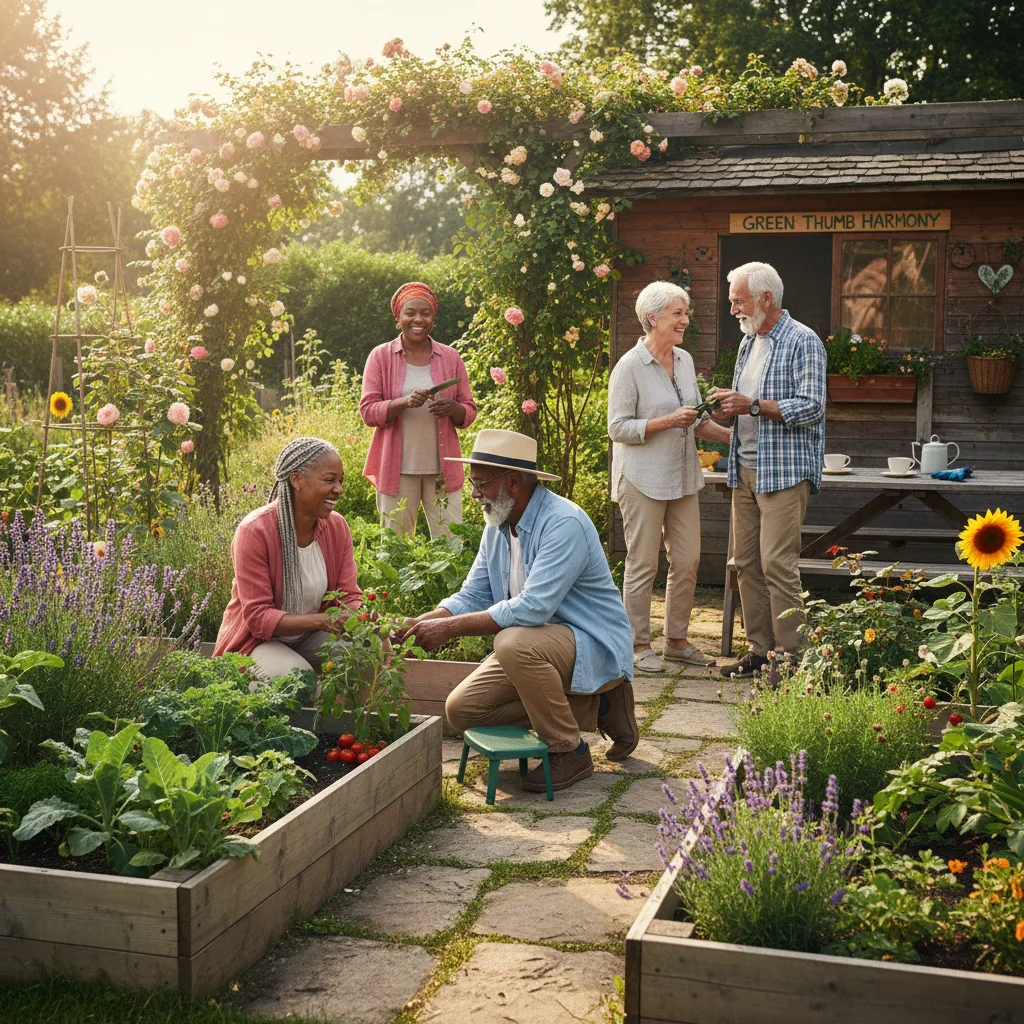
In an era where global populations are steadily aging, the well-being of our senior citizens has become a paramount concern. Beyond the ethical imperative to care for our elders, there’s a significant economic argument for investing in their health and happiness. “Elderly community initiatives” are not just feel-good programs; they are strategic investments that can lead to substantial reductions in healthcare costs, improved quality of life, and a more cohesive society. This comprehensive article delves into six transformative community initiatives that are proven to boost senior well-being and, crucially, reduce healthcare expenditures by an impressive 15% – a figure that represents billions in savings annually across developed nations. We will explore the practical solutions these initiatives offer and their profound societal impact.
The Shifting Landscape of Senior Care: Why Community Matters
Historically, senior care often focused on institutional settings or isolated home care. However, research increasingly points to the critical role of social connection, mental stimulation, and physical activity in maintaining senior health. Loneliness and social isolation, for instance, are now recognized as significant risk factors for premature mortality, comparable to smoking 15 cigarettes a day. They contribute to higher rates of depression, cognitive decline, and chronic diseases, all of which drive up healthcare costs.
This understanding has spurred a paradigm shift towards community-based approaches. “Elderly community initiatives” aim to keep seniors engaged, active, and connected within their own neighborhoods for as long as possible. This ‘aging in place’ model not only respects seniors’ desire for independence but also offers a more sustainable and humane alternative to traditional care models. By fostering environments where seniors can thrive, communities inadvertently create a preventative healthcare system that addresses the root causes of many age-related health issues.
The economic impact is undeniable. A 15% reduction in healthcare costs for seniors could free up substantial resources, allowing for reinvestment in other vital social services or further expansion of successful senior programs. This isn’t merely about cutting costs; it’s about optimizing health outcomes and ensuring that every dollar spent generates maximum positive impact. The initiatives discussed below are not hypothetical; they are real-world examples demonstrating tangible benefits for both individuals and the broader healthcare system.
Initiative 1: Intergenerational Mentorship and Volunteer Programs
One of the most powerful “elderly community initiatives” is the creation of structured intergenerational programs. These initiatives pair seniors with younger individuals, often students or young families, for mutual benefit. Seniors might serve as mentors, tutors, storytellers, or skilled volunteers, sharing their vast life experiences and knowledge. In return, they receive companionship, a sense of purpose, and often, assistance with technology or practical tasks.
Practical Implementation:
- School-Based Mentoring: Seniors volunteer in schools, assisting teachers, tutoring students in reading or math, or sharing vocational skills.
- Community Service Partnerships: Seniors and youth collaborate on local projects, such as park clean-ups, community garden maintenance, or organizing local events.
- Skill-Sharing Workshops: Seniors teach traditional crafts, cooking, or practical skills to younger generations, while younger individuals might offer tech support or social media guidance.
Societal Impact and Cost Reduction:
These programs combat social isolation among seniors, a key driver of depression and cognitive decline. The sense of purpose and continued engagement can significantly improve mental health, reducing the need for psychological interventions and medication. For younger generations, these interactions foster empathy, respect for elders, and a deeper understanding of history and community. Studies have shown that seniors engaged in regular volunteering report higher levels of life satisfaction and fewer symptoms of chronic illness. A reduction in depression and improved cognitive function directly translates to fewer doctor visits, hospitalizations for mental health crises, and a slower progression of age-related cognitive disorders, contributing significantly to the 15% healthcare cost reduction target.
Initiative 2: Community-Based Fitness and Wellness Centers
Physical inactivity is a major contributor to chronic diseases among seniors, including heart disease, diabetes, and osteoporosis. Accessible and engaging fitness programs are vital “elderly community initiatives” that address this challenge head-on. These aren’t just gyms; they are tailored wellness hubs designed with the specific needs and abilities of older adults in mind.
Practical Implementation:
- Senior-Specific Exercise Classes: Offering classes like chair yoga, Tai Chi, water aerobics, gentle strength training, and walking clubs.
- Health Screenings and Education: Regular blood pressure checks, diabetes screenings, nutrition workshops, and fall prevention seminars.
- Social Components: Incorporating social time before or after classes, organizing health-related outings, and creating a supportive community atmosphere.
Societal Impact and Cost Reduction:
Regular physical activity significantly reduces the risk of chronic diseases, improves mobility, balance, and overall functional independence. This leads to fewer falls, a major cause of injury and hospitalization among seniors, and a decreased reliance on medications for managing chronic conditions. By preventing or delaying the onset of debilitating illnesses, these centers directly reduce emergency room visits, hospital stays, and long-term care needs. The social aspect also combats isolation, further enhancing mental well-being. The cumulative effect of improved physical and mental health through these “elderly community initiatives” is a substantial decrease in the utilization of expensive medical services, contributing directly to the 15% healthcare cost reduction.
Initiative 3: Technology Training and Digital Inclusion Programs
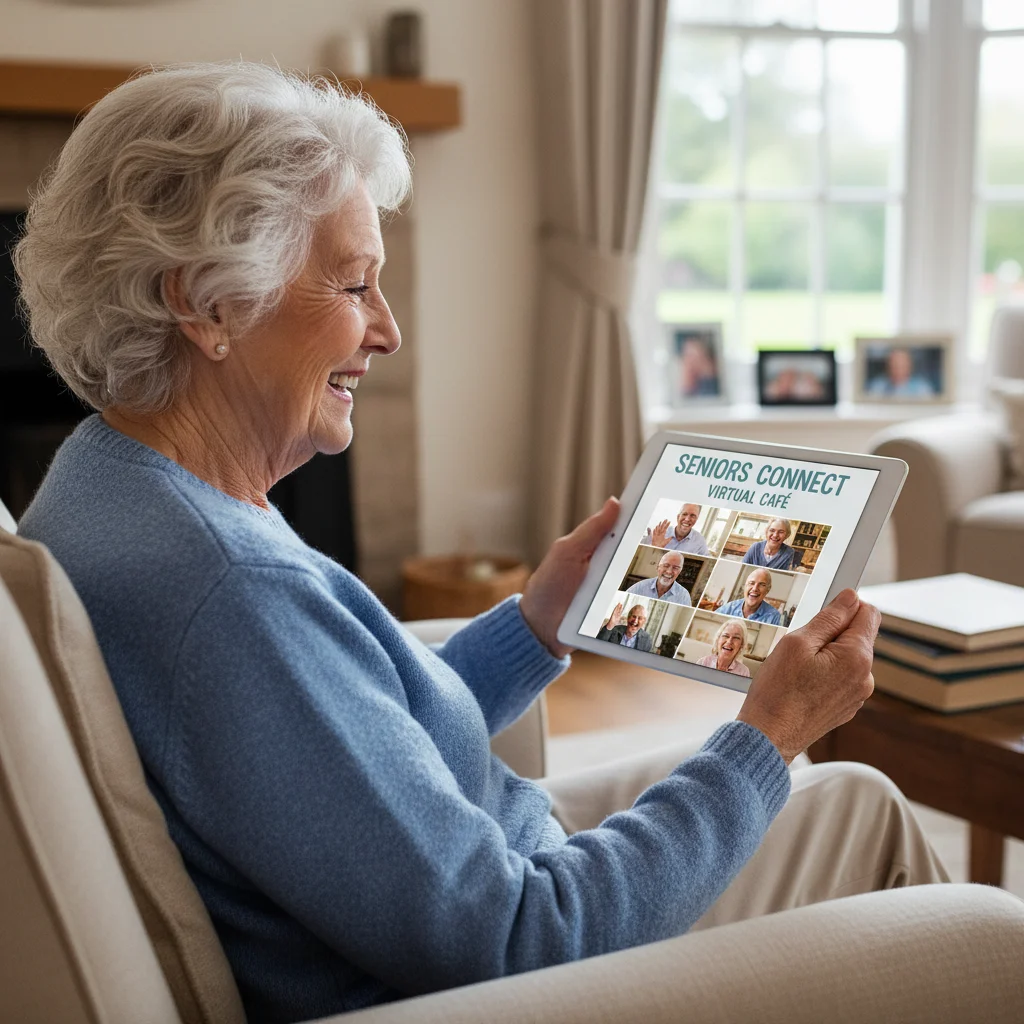
In our increasingly digital world, access to technology is no longer a luxury but a necessity for connection, information, and even healthcare. Many seniors, however, face a digital divide. “Elderly community initiatives” focused on technology training can bridge this gap, offering seniors new avenues for engagement and independence.
Practical Implementation:
- Basic Computer/Tablet Skills: Workshops on using email, video calls, internet browsing, and social media.
- Online Healthcare Navigation: Training on accessing patient portals, scheduling appointments, and understanding telehealth options.
- Smart Home Technology: Education on using smart devices for safety, convenience, and monitoring (e.g., smart lights, voice assistants).
- Peer-to-Peer Support: Establishing tech “geniuses” among seniors who can help their peers.
Societal Impact and Cost Reduction:
Digital inclusion empowers seniors to stay connected with family and friends, reducing feelings of loneliness and isolation. It also provides access to vast online resources, from educational content to entertainment, stimulating cognitive function. Critically, it enables easier access to telehealth services, which can reduce the need for in-person doctor visits, particularly for routine check-ups or managing chronic conditions. Seniors who are digitally literate can also manage their own health information more effectively, leading to better adherence to treatment plans and preventative care. This proactive engagement through “elderly community initiatives” contributes significantly to reducing preventable health crises and associated costs, moving towards the 15% target.
Initiative 4: Affordable and Accessible Transportation Services
Lack of reliable transportation is a major barrier to independence and community participation for many seniors. It can prevent them from attending medical appointments, grocery shopping, or engaging in social activities, leading to isolation and declining health. “Elderly community initiatives” addressing transportation are therefore foundational to senior well-being.
Practical Implementation:
- Volunteer Driver Programs: Community volunteers provide rides to appointments, stores, and social events.
- Subsidized Ride-Sharing/Taxi Services: Partnerships with local transport providers to offer discounted rates for seniors.
- Community Bus/Shuttle Services: Dedicated routes connecting senior living centers, community hubs, and essential services.
- Mobility Training: Programs to help seniors safely use public transport.
Societal Impact and Cost Reduction:
Ensuring seniors can get where they need to go directly impacts their ability to maintain health and independence. Regular medical appointments become feasible, leading to better management of chronic conditions and early detection of new health issues. Access to grocery stores ensures proper nutrition. Participation in social activities combats loneliness and depression. Without adequate transportation, seniors are more likely to miss appointments, neglect preventative care, and become socially isolated, all of which escalate healthcare costs. These “elderly community initiatives” reduce emergency care due to neglected conditions and improve overall health outcomes, generating significant savings and contributing to the 15% reduction goal.
Initiative 5: Senior-Friendly Housing and “Aging in Place” Support
The home environment plays a crucial role in senior health and safety. Many homes are not designed for the physical challenges that can come with aging, leading to falls and other injuries. “Elderly community initiatives” focused on home modifications and support for aging in place are therefore essential preventative measures.
Practical Implementation:
- Home Safety Assessments: Professional evaluations to identify fall hazards and recommend modifications.
- Minor Home Repair Programs: Volunteer or subsidized services for installing grab bars, ramps, improved lighting, and non-slip flooring.
- Home-Sharing Programs: Connecting seniors with spare rooms with individuals seeking affordable housing, offering mutual benefits like companionship and light assistance.
- Care Coordination Services: Linking seniors with in-home care, meal delivery, and other support services to maintain independence.
Societal Impact and Cost Reduction:
Preventing falls and home-related injuries is a massive cost-saver. Hip fractures, for example, are incredibly expensive to treat and often lead to a significant decline in a senior’s health and independence. By making homes safer, these “elderly community initiatives” directly reduce emergency room visits, hospitalizations, and the need for expensive post-injury rehabilitation or long-term care facilities. Supporting seniors to age in place also delays or prevents the move to assisted living or nursing homes, which are significantly more costly than in-home support. The ability to stay in a familiar environment also greatly contributes to mental well-being and reduces stress, further impacting health positively and contributing to the targeted 15% healthcare cost reduction.
Initiative 6: Community Arts and Culture Programs
Beyond physical health, mental and emotional well-being are critical components of a fulfilling senior life. “Elderly community initiatives” that engage seniors in arts and culture provide vital mental stimulation, emotional expression, and social connection.
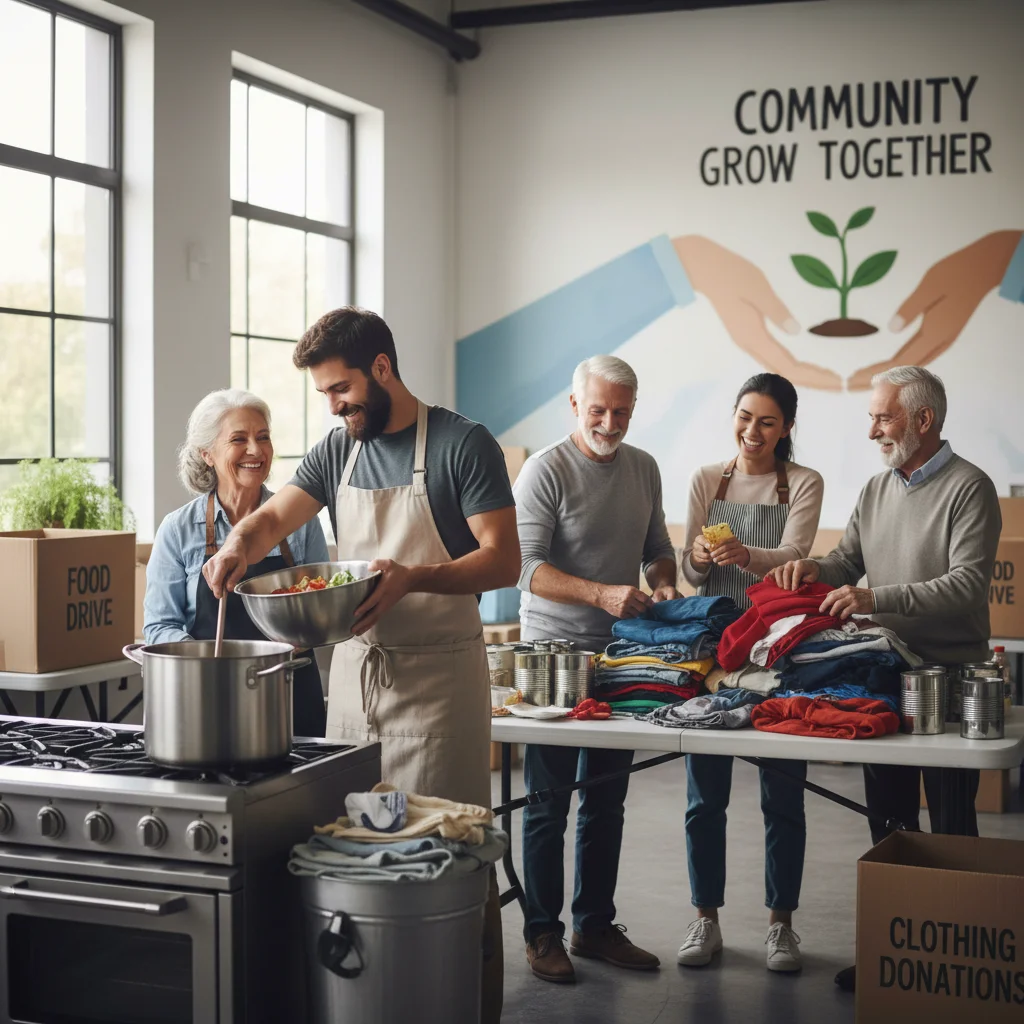
Practical Implementation:
- Creative Workshops: Offering classes in painting, pottery, music, creative writing, dance, and drama.
- Community Choirs/Bands: Opportunities for seniors to participate in musical groups.
- Storytelling and Oral History Projects: Encouraging seniors to share their life stories, preserving local history and fostering connection.
- Museum/Gallery Outings: Organized trips with accessible transportation and guided tours.
- Performance Opportunities: Allowing seniors to showcase their talents, building confidence and community pride.
Societal Impact and Cost Reduction:
Participation in arts and culture programs has been linked to improved cognitive function, reduced stress, and lower rates of depression and anxiety among seniors. These activities provide a sense of purpose, foster new friendships, and stimulate creativity. The mental and emotional benefits are profound, leading to a reduced reliance on mental health services and related medications. Furthermore, the cognitive engagement can slow the progression of conditions like dementia. By nurturing the mind and spirit, these “elderly community initiatives” contribute to overall resilience, reducing the likelihood of health crises driven by mental distress or cognitive decline, thereby playing a role in achieving the 15% healthcare cost reduction.
Measuring the 15% Reduction: A Holistic Approach
Achieving a 15% reduction in healthcare costs for seniors isn’t a single silver bullet, but rather the cumulative effect of these interconnected “elderly community initiatives.” The savings come from multiple avenues:
- Reduced Hospitalizations: Fewer falls, better management of chronic conditions, and less severe mental health crises mean fewer expensive inpatient stays.
- Lower Emergency Room Visits: Proactive care, better access to transportation, and immediate support reduce the need for urgent, high-cost care.
- Decreased Medication Reliance: Improved physical activity, nutrition, and mental well-being can lessen the need for certain prescription drugs.
- Delayed Entry into Long-Term Care: “Aging in place” support and improved functional independence mean seniors can stay in their homes longer, avoiding the significant costs of nursing facilities.
- Mental Health Savings: Reduced rates of depression and anxiety lead to fewer therapy sessions, psychiatric medications, and associated medical complications.
- Preventative Care Uptake: Better access to transportation and digital literacy encourages more regular preventative screenings and check-ups, catching issues early when they are less expensive to treat.
To accurately measure this reduction, communities need robust data collection systems that track participant engagement, health outcomes (e.g., fall rates, hospitalizations, medication use), and associated healthcare expenditures. Longitudinal studies comparing participants in these initiatives with control groups are crucial for demonstrating the tangible economic benefits.
Challenges and Solutions in Implementing Elderly Community Initiatives
While the benefits of “elderly community initiatives” are clear, implementation comes with its own set of challenges. Funding, volunteer recruitment, reaching isolated seniors, and ensuring program sustainability are common hurdles.
Funding:
Solution: Diversify funding sources. Look beyond government grants to include corporate sponsorships, philanthropic foundations, community fundraising, and even small participant fees on a sliding scale. Advocate for policy changes that recognize these initiatives as preventative healthcare, making them eligible for health insurance reimbursements or integrated within healthcare budgets.
Volunteer Recruitment and Retention:
Solution: Create a strong volunteer culture with clear roles, adequate training, and regular appreciation. Highlight the intergenerational benefits to attract younger volunteers. Partner with local colleges for student internships or service-learning opportunities. Leverage seniors themselves as volunteers, as they often seek purpose in retirement.
Reaching Isolated Seniors:
Solution: Utilize multiple outreach channels: local media, community centers, faith-based organizations, healthcare providers (doctors, nurses), and existing senior networks. Implement “warm handoffs” where trusted individuals introduce programs. Consider door-to-door outreach in areas with high senior populations. Make programs accessible not just geographically, but also culturally and linguistically.
Program Sustainability:
Solution: Build strong community partnerships with local businesses, non-profits, and government agencies. Develop robust evaluation frameworks to demonstrate impact and attract continued funding. Empower seniors to take ownership and leadership roles within the programs, fostering a sense of community-driven sustainability. Continuously adapt programs based on participant feedback and evolving needs.
The Future of Aging: A Community-Centric Vision
The vision for the future of aging is one where seniors are not merely cared for, but actively empowered, celebrated, and integrated into the fabric of their communities. The six “elderly community initiatives” discussed – intergenerational programs, fitness centers, technology training, accessible transportation, aging-in-place support, and arts/culture programs – provide a powerful blueprint for achieving this vision. They represent a holistic approach to senior well-being that recognizes the interconnectedness of physical, mental, and social health.
By investing in these types of programs, communities are not just offering kindness; they are making a smart economic choice. The projected 15% reduction in healthcare costs is a compelling incentive, freeing up resources that can be redirected to further enhance the lives of seniors and support other vital community needs. Moreover, the immeasurable benefits of a vibrant, engaged senior population – their wisdom, experience, and continued contributions – enrich society as a whole.
It’s time for governments, healthcare providers, community organizations, and individuals to embrace these innovative models. By working together, we can ensure that aging is not a period of decline and isolation, but a chapter of continued growth, purpose, and profound connection. The success of these “elderly community initiatives” demonstrates that a healthier, happier, and more cost-effective future for our seniors is not just a dream, but an achievable reality.