2026 U.S. Infrastructure Bill: State Projects & Economic Impact

Navigating the New 2026 U.S. Infrastructure Bill: Key State-Level Projects and Their Economic Impact
The United States stands on the precipice of a transformative era in infrastructure development. With the anticipation of the 2026 infrastructure bill, states across the nation are gearing up for unprecedented investment in roads, bridges, public transit, broadband, water systems, and clean energy. This monumental legislative effort is not merely about repairing crumbling infrastructure; it’s a strategic blueprint designed to modernize the nation, stimulate economic growth, create jobs, and enhance global competitiveness. Understanding the nuances of this bill, particularly its state-level implications and projected economic impacts, is crucial for businesses, local governments, and citizens alike.
The federal government’s commitment to revitalizing America’s infrastructure is a long-term vision, and the 2026 infrastructure bill represents a significant milestone in this journey. While the exact details of the bill are still being finalized and debated, the overarching goals are clear: to build a more resilient, sustainable, and equitable infrastructure system for all Americans. This article delves into the anticipated key state-level projects, explores the various funding mechanisms, and analyzes the profound economic ripple effects expected from this historic investment.
The Genesis of the 2026 Infrastructure Bill: A National Imperative
America’s infrastructure has long been a subject of concern, with decades of underinvestment leading to deteriorating roads, outdated transit systems, and a digital divide that leaves many communities behind. The American Society of Civil Engineers (ASCE) has consistently graded U.S. infrastructure poorly, highlighting the urgent need for substantial investment. The 2026 infrastructure bill emerges from this recognition, aiming to address critical deficiencies and future-proof the nation’s foundational systems.
Previous infrastructure packages have laid the groundwork, but the 2026 infrastructure bill is expected to be more comprehensive, focusing not only on traditional ‘hard’ infrastructure but also on ‘soft’ infrastructure elements like broadband access and clean energy initiatives. This holistic approach acknowledges the interconnectedness of various infrastructure components and their collective impact on economic productivity and quality of life. The bill’s emphasis on sustainability and climate resilience also reflects a growing understanding of environmental challenges and the need for infrastructure that can withstand future shocks.
The legislative process for such a massive undertaking is complex, involving extensive negotiations between federal, state, and local stakeholders. The success of the 2026 infrastructure bill will ultimately depend on effective collaboration, efficient allocation of funds, and robust oversight to ensure projects are completed on time and within budget, delivering maximum benefit to communities across the country.
Key Pillars of the 2026 Infrastructure Bill: A State-Level Breakdown
While the specific allocations will vary, the 2026 infrastructure bill is expected to prioritize several key areas, each with significant state-level implications. These pillars represent the core focus of the investment and where states will see the most immediate and long-term impact.
1. Transportation Modernization: Roads, Bridges, and Public Transit
One of the most visible components of any infrastructure bill is transportation. The 2026 infrastructure bill is poised to inject billions into repairing and upgrading America’s aging roads and bridges. Many states have a significant backlog of structurally deficient bridges and roads in poor condition, leading to increased maintenance costs for vehicles, longer commute times, and safety hazards. This funding will enable states to undertake critical repairs, expand highway capacities where necessary, and implement smart traffic management systems.
Public transit systems are also set to receive a substantial boost. From modernizing subway lines in major cities to expanding bus routes in suburban and rural areas, the bill aims to improve accessibility, reduce congestion, and promote more sustainable modes of transportation. This includes investments in electric bus fleets, enhanced rail infrastructure, and integrated multimodal transportation hubs. For states with burgeoning urban populations, this focus on public transit is particularly vital for managing growth and improving urban livability.
2. Resilient Water Systems and Environmental Protection
Access to clean, safe drinking water is a fundamental right, yet many communities across the U.S. grapple with outdated water infrastructure, lead pipes, and contaminated water sources. The 2026 infrastructure bill is expected to allocate significant resources to upgrade water treatment plants, replace lead service lines, and improve wastewater management systems. This is a critical investment in public health and environmental protection, particularly for disadvantaged communities disproportionately affected by water quality issues.
Beyond drinking water, the bill will likely support projects related to flood control, coastal resilience, and ecosystem restoration. As climate change intensifies, states are facing more frequent and severe weather events. Investments in resilient infrastructure, such as seawalls, wetlands restoration, and improved stormwater management, will help protect communities and critical assets from the impacts of climate-related disasters. These projects often have a dual benefit, enhancing ecological health while also providing economic protection.
3. Expanding High-Speed Broadband Access
In the 21st century, broadband internet is no longer a luxury but a necessity. The COVID-19 pandemic starkly highlighted the digital divide, with millions of Americans, particularly in rural and low-income areas, lacking reliable and affordable internet access. The 2026 infrastructure bill aims to bridge this gap by investing heavily in broadband deployment, ensuring that every household and business has access to high-speed internet.
State-level initiatives will focus on expanding fiber optic networks, supporting municipal broadband projects, and providing subsidies to make internet services more affordable. This investment is crucial for economic development, education, telehealth, and civic participation. States that successfully leverage this funding will see improved educational outcomes, new business opportunities, and enhanced quality of life for their residents.
4. Clean Energy and Grid Modernization
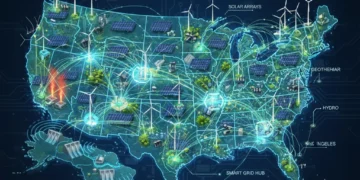
Transitioning to a clean energy economy is a central tenet of the current administration’s agenda, and the 2026 infrastructure bill will play a pivotal role in this transition. Expected investments include upgrading the nation’s electric grid to be more resilient and capable of handling a greater share of renewable energy, supporting the deployment of solar, wind, and geothermal projects, and expanding electric vehicle charging infrastructure.
States will have opportunities to develop their renewable energy sectors, create green jobs, and reduce their carbon footprint. This includes funding for energy storage solutions, smart grid technologies, and research and development into innovative clean energy solutions. The economic impact here is twofold: reducing energy costs in the long run and positioning states as leaders in the burgeoning clean energy industry.

Anticipated Economic Impact of the 2026 Infrastructure Bill
The economic ramifications of the 2026 infrastructure bill are projected to be substantial and far-reaching. Beyond the immediate creation of construction jobs, the investment is expected to generate long-term economic benefits through increased productivity, enhanced competitiveness, and improved quality of life.
Job Creation and Workforce Development
One of the most immediate impacts will be a significant surge in job creation. The construction, engineering, and manufacturing sectors will experience a boom as projects get underway. This includes not only direct construction jobs but also indirect jobs in supply chains and induced jobs as workers spend their earnings. Estimates suggest millions of jobs could be created or supported over the lifespan of the bill.
Furthermore, the bill is likely to spur investments in workforce development programs. As infrastructure projects require specialized skills, states will need to expand training initiatives, apprenticeships, and vocational programs to prepare a skilled labor force. This focus on workforce development will have lasting benefits, equipping individuals with valuable skills and bolstering the nation’s human capital.
Increased Productivity and Competitiveness
Modern and efficient infrastructure is a bedrock of economic productivity. Improved transportation networks reduce shipping costs and travel times, making businesses more efficient and competitive. Reliable broadband access enables businesses to innovate, expand their reach, and participate in the global digital economy. Upgraded water and energy systems ensure consistent and affordable access to essential resources, reducing operational risks for industries.
By alleviating bottlenecks and enhancing connectivity, the 2026 infrastructure bill will lower the cost of doing business across the country, attracting new investments and fostering economic growth. This improved infrastructure will also make U.S. industries more competitive on the global stage, facilitating trade and strengthening supply chains.
Long-Term Economic Growth and Innovation
The benefits of infrastructure investment are not fleeting; they accrue over decades. The improved infrastructure funded by the 2026 infrastructure bill will serve as a foundation for sustained economic growth, enabling new industries to emerge and existing ones to expand. For example, investments in clean energy infrastructure will accelerate the transition to a greener economy, creating new markets and technological advancements.
Moreover, improved quality of life, stemming from better public transit, cleaner water, and universal broadband, can attract and retain talent, further boosting regional economies. Cities and states with superior infrastructure are often more desirable places to live and work, leading to population growth and increased economic activity.
Regional Disparity Reduction
A crucial aspect of the 2026 infrastructure bill‘s economic impact is its potential to reduce regional disparities. By targeting investments in underserved rural areas and historically disadvantaged communities, the bill aims to ensure that the benefits of economic growth are more broadly shared. Expanding broadband to rural areas, for instance, can unlock new economic opportunities, allowing remote work and access to online education and healthcare services that were previously unavailable.
Similarly, investments in public transit and clean water in neglected urban areas can improve daily life for residents, enhance public health, and create pathways to economic mobility. This focus on equity is not just a social good but also an economic imperative, as a more inclusive economy is a stronger economy.
Challenges and Opportunities for Implementation at the State Level
While the prospects of the 2026 infrastructure bill are exciting, its successful implementation at the state level will hinge on several factors. States will face challenges related to project planning, funding allocation, regulatory hurdles, and workforce availability.
Strategic Planning and Prioritization
States will need robust strategic plans to identify and prioritize projects that align with the bill’s objectives and address their most pressing infrastructure needs. This involves thorough needs assessments, cost-benefit analyses, and community engagement to ensure projects are impactful and supported by local stakeholders. Effective planning will prevent wasteful spending and maximize the return on investment.
Funding Mechanisms and Matching Requirements
The 2026 infrastructure bill will likely involve a combination of direct federal funding, grants, and loans, often with state or local matching requirements. Navigating these complex funding mechanisms and securing the necessary matching funds will be a key challenge for many states, especially those with limited fiscal capacity. States will need to explore innovative financing strategies, including public-private partnerships, to leverage federal dollars effectively.
Regulatory Streamlining and Environmental Review
Infrastructure projects often face lengthy regulatory processes and environmental reviews. To expedite project delivery, states will need to work with federal agencies to streamline these processes without compromising environmental protections. Clear guidelines and efficient permitting procedures will be essential to ensure projects can move from planning to construction in a timely manner.
Workforce Readiness and Supply Chain Issues
The sheer scale of projects funded by the 2026 infrastructure bill will place significant demands on the construction workforce and supply chains. States will need to proactively address potential labor shortages by investing in training and recruitment programs. Similarly, ensuring a stable supply of materials and equipment will be critical to avoid delays and cost overruns. This may involve strengthening domestic manufacturing capabilities and diversifying supply chains.

Case Studies: Early Examples and Future Projections
While the 2026 infrastructure bill is still on the horizon, insights from previous infrastructure investments offer a glimpse into the potential for state-level success stories. For example, states that aggressively pursued broadband expansion grants have seen significant economic benefits, attracting remote workers and new businesses.
Looking ahead, states like California, with its ambitious high-speed rail projects and renewable energy mandates, stand to benefit immensely from further federal investment. Texas, with its rapidly growing population, will likely see significant investments in road and transit expansion. The Midwest, often referred to as the ‘Rust Belt,’ could experience a revitalization through investments in advanced manufacturing infrastructure and clean energy technologies.
Even smaller states, with targeted investments in critical areas like water infrastructure or rural broadband, can achieve transformative outcomes. The key will be for each state to identify its unique needs and align them with the opportunities presented by the 2026 infrastructure bill.
The Role of Technology and Innovation
The 2026 infrastructure bill is not just about concrete and steel; it’s also about leveraging cutting-edge technology and innovative solutions. States that embrace ‘smart infrastructure’ will be at the forefront of this transformation. This includes:
- Smart Grids: Utilizing sensors, automation, and data analytics to create a more resilient and efficient electric grid.
- Intelligent Transportation Systems (ITS): Employing real-time data to manage traffic flow, optimize public transit, and enhance road safety.
- Digital Twins: Creating virtual models of physical assets to simulate performance, predict maintenance needs, and optimize operations.
- Advanced Materials: Researching and deploying durable, sustainable, and self-healing materials for construction.
- Geospatial Technology: Using GIS and satellite imagery for more accurate planning, monitoring, and management of infrastructure projects.
By integrating these technologies, states can ensure that their infrastructure investments are future-proof, more efficient, and capable of adapting to evolving needs and challenges. The long-term economic benefits of these technological integrations are substantial, leading to reduced operational costs, increased service reliability, and new opportunities for technological innovation and job creation.
Conclusion: A New Era for American Infrastructure
The forthcoming 2026 infrastructure bill represents a pivotal moment for the United States, promising to usher in a new era of modernization, economic growth, and enhanced quality of life. The comprehensive nature of the bill, addressing everything from transportation and water systems to broadband and clean energy, underscores a national commitment to building a more resilient, sustainable, and equitable future.
For states, this bill presents both a tremendous opportunity and a significant responsibility. Successful implementation will require strategic planning, efficient resource allocation, proactive workforce development, and a willingness to embrace innovative technologies. The economic ripple effects, from immediate job creation to long-term productivity gains and increased global competitiveness, are poised to reshape the American landscape for generations to come.
As the nation moves closer to the enactment of the 2026 infrastructure bill, staying informed about its evolving details and preparing for its implementation will be crucial for all stakeholders. This is not just an investment in physical assets; it’s an investment in the future prosperity and well-being of every American community.