US Energy Policy 2026: Reshaping the National Grid for a Sustainable Future
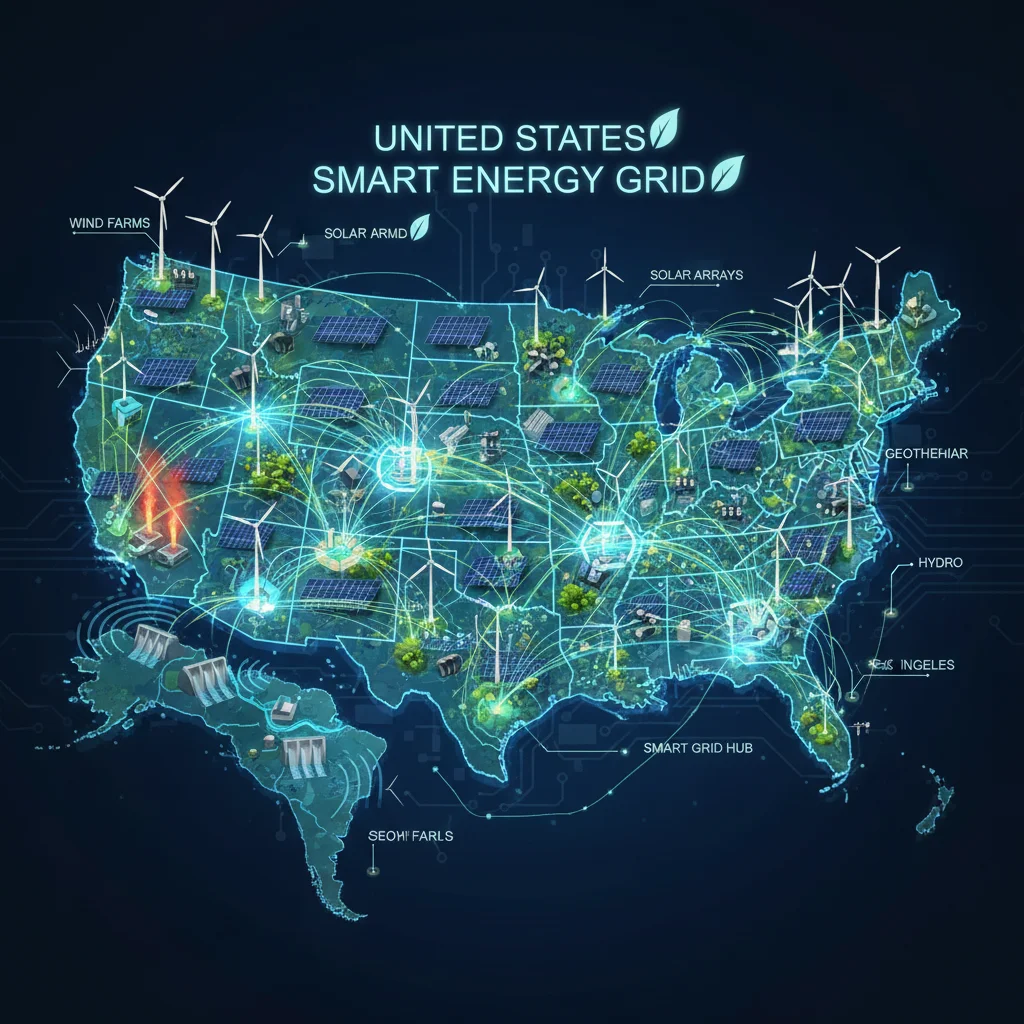
The year 2026 is poised to be a pivotal moment for the United States energy landscape. As the nation grapples with the dual challenges of climate change and an aging infrastructure, the upcoming US Energy Policy 2026 initiatives are designed to usher in a new era of sustainability, resilience, and economic growth. These policy shifts are not merely incremental changes; they represent a fundamental reimagining of how energy is produced, distributed, and consumed across the country, with profound implications for every sector and citizen.
For decades, the US energy sector has been dominated by fossil fuels, a legacy that has driven industrialization and economic prosperity but has also contributed significantly to environmental degradation. The urgency of addressing climate change has never been greater, and the scientific consensus points to the need for a rapid transition away from carbon-intensive energy sources. The US Energy Policy 2026 recognizes this imperative and seeks to accelerate the adoption of renewable energy technologies, modernize the national grid, and foster innovation in energy efficiency and storage.
Understanding these forthcoming changes is crucial for businesses, policymakers, and consumers alike. The implications extend far beyond environmental benefits, touching upon economic competitiveness, national security, and the daily lives of Americans. This comprehensive article will delve into the core tenets of the US Energy Policy 2026, exploring the key initiatives, their expected impacts, and the challenges and opportunities that lie ahead.
The Foundation of Change: Key Pillars of US Energy Policy 2026
The ambitious agenda for US Energy Policy 2026 is built upon several foundational pillars, each designed to address specific aspects of the nation’s energy challenges. These pillars are interconnected, forming a holistic strategy for a cleaner, more reliable, and more equitable energy future.
Accelerating Renewable Energy Adoption
At the heart of the US Energy Policy 2026 is a significant push for renewable energy. This includes expanding tax credits and incentives for solar, wind, geothermal, and hydropower projects. The goal is not just to increase the percentage of renewables in the energy mix but to make them the dominant source of electricity generation. This involves streamlining permitting processes for new renewable energy installations, investing in research and development for next-generation renewable technologies, and fostering domestic manufacturing of renewable energy components. The shift is expected to create millions of green jobs and reduce reliance on volatile global fossil fuel markets, enhancing energy independence.
Modernizing the National Grid
The existing national grid, much of which was built in the mid-20th century, is ill-equipped to handle the demands of a 21st-century energy system. It is vulnerable to extreme weather events, cyberattacks, and lacks the flexibility to seamlessly integrate large amounts of intermittent renewable energy. The US Energy Policy 2026 allocates substantial funding for grid modernization efforts, including the deployment of smart grid technologies, advanced sensor networks, and grid-scale battery storage solutions. These investments aim to make the grid more resilient, efficient, and capable of two-way power flow, enabling distributed energy resources like rooftop solar to contribute effectively. A modernized grid is essential for achieving the full potential of renewable energy and ensuring reliable power delivery.
Promoting Energy Efficiency and Conservation
While increasing renewable energy supply is crucial, reducing overall energy demand through efficiency and conservation is equally important. The US Energy Policy 2026 introduces new standards for energy-efficient appliances, building codes, and industrial processes. It also includes programs to incentivize homeowners and businesses to adopt energy-saving measures, such as upgrading insulation, installing smart thermostats, and transitioning to LED lighting. These initiatives not only reduce energy consumption and greenhouse gas emissions but also lower energy bills for consumers, providing tangible economic benefits.
Investing in Energy Storage and Advanced Technologies
The intermittency of some renewable energy sources, particularly solar and wind, poses a challenge for grid stability. Effective energy storage solutions are critical to address this. The US Energy Policy 2026 prioritizes investment in diverse energy storage technologies, from large-scale battery banks to hydrogen storage and pumped-hydro storage. Furthermore, the policy supports research and development in other advanced energy technologies, such as carbon capture, utilization, and storage (CCUS) for hard-to-abate sectors, advanced nuclear power, and next-generation biofuels. These technological advancements are vital for creating a truly comprehensive and resilient energy system.
Ensuring Energy Equity and Environmental Justice
A just energy transition is a core principle of the US Energy Policy 2026. Historically, marginalized communities have disproportionately borne the brunt of environmental pollution from fossil fuel industries. The new policy aims to address these historical injustices by directing investments in clean energy infrastructure and job training to underserved communities. It also seeks to ensure that the benefits of the clean energy transition, such as lower energy costs and cleaner air, are accessible to all Americans, not just the privileged few. This focus on equity is integral to building broad public support for the energy transition.
Economic Impacts: A New Era of Growth and Opportunity
The shifts outlined in the US Energy Policy 2026 are expected to have profound economic impacts, reshaping industries, creating new jobs, and fostering innovation. The transition to a clean energy economy is not merely an environmental endeavor; it is a strategic economic play that positions the United States as a global leader in green technology and sustainable development.
Job Creation and Workforce Development
One of the most significant economic benefits of the US Energy Policy 2026 is the projected creation of millions of new jobs. These jobs will span a wide range of sectors, from manufacturing and installation of renewable energy components to grid modernization, research and development, and energy efficiency services. The policy includes provisions for workforce training and reskilling programs to ensure that American workers are prepared for these new opportunities, particularly those transitioning from fossil fuel industries. This focus on workforce development is crucial for a smooth and equitable transition.
Technological Innovation and Competitiveness
By investing heavily in research and development for clean energy technologies, the US Energy Policy 2026 aims to spur innovation and maintain America’s competitive edge. This will lead to breakthroughs in areas like advanced solar cells, more efficient wind turbines, long-duration energy storage, and smart grid software. These innovations will not only benefit the domestic market but also create export opportunities for American companies, strengthening the nation’s position in the global clean energy economy.
Reduced Energy Costs and Price Stability
While the initial investment in clean energy infrastructure can be substantial, the long-term benefits include reduced energy costs and greater price stability. Renewable energy sources, once built, have minimal operating costs and are not subject to the volatile price fluctuations of global fossil fuel markets. As the share of renewables increases, consumers and businesses can expect more predictable and potentially lower energy bills. Furthermore, investments in energy efficiency directly translate to cost savings for consumers.

Environmental Benefits: A Cleaner, Healthier Future
The primary driver behind many of the US Energy Policy 2026 initiatives is the urgent need to address climate change and its associated environmental impacts. The policy aims to significantly reduce greenhouse gas emissions, improve air and water quality, and protect natural ecosystems.
Significant Greenhouse Gas Reductions
The most direct environmental benefit of the US Energy Policy 2026 is the projected reduction in greenhouse gas emissions. By transitioning away from fossil fuels towards renewable energy, the nation will significantly decrease its carbon footprint, helping to mitigate the worst effects of climate change, such as rising sea levels, extreme weather events, and disruptions to agricultural systems. This commitment aligns the US with global efforts to limit global warming to well below 2 degrees Celsius.
Improved Air and Water Quality
The burning of fossil fuels not only releases greenhouse gases but also emits harmful pollutants into the air, leading to respiratory illnesses, cardiovascular diseases, and other health problems. Coal-fired power plants, in particular, are major sources of mercury and other heavy metal pollution that can contaminate water supplies. The shift to clean energy under US Energy Policy 2026 will lead to dramatically improved air and water quality, resulting in better public health outcomes and reduced healthcare costs.
Ecosystem Preservation and Biodiversity
Fossil fuel extraction and transportation often lead to habitat destruction, oil spills, and other forms of environmental degradation that threaten biodiversity. By reducing reliance on these industries, the US Energy Policy 2026 will contribute to the preservation of natural ecosystems and the protection of endangered species. While renewable energy projects also have environmental footprints, careful planning and siting can minimize their impact, and their overall benefits far outweigh those of fossil fuels.
Challenges and Hurdles on the Path to 2026
While the vision for US Energy Policy 2026 is ambitious and promising, its implementation will not be without challenges. Navigating these hurdles effectively will be critical to the success of the energy transition.
Political Will and Bipartisan Support
Energy policy often becomes a highly politicized issue, and securing consistent bipartisan support across different administrations and legislative cycles will be a significant challenge. The long-term nature of energy infrastructure projects requires sustained commitment, and political shifts can introduce uncertainty and delays. Building consensus and maintaining a unified vision for the nation’s energy future is paramount.
Infrastructure Development and Permitting
Building out new renewable energy projects, transmission lines, and energy storage facilities requires extensive infrastructure development. This process can be lengthy and complex, involving numerous permits, land acquisition, and environmental reviews. Streamlining these processes while ensuring environmental protection and community engagement will be a delicate balance. Opposition from local communities to new infrastructure, often termed ‘Not In My Backyard’ (NIMBY) syndrome, can also pose significant delays.
Technological Integration and Grid Management
Integrating a high percentage of intermittent renewable energy sources into the existing grid presents complex technical challenges. Grid operators need advanced tools and strategies to manage fluctuations in supply and demand, maintain stability, and prevent blackouts. While smart grid technologies and energy storage are part of the solution, ensuring their seamless integration and optimal operation requires ongoing innovation and investment in expertise.
Economic Transition for Fossil Fuel Communities
The transition away from fossil fuels will inevitably impact communities that have historically relied on these industries for jobs and economic stability. Ensuring a just transition for these communities, including retraining programs, economic diversification initiatives, and investment in new industries, is a moral imperative and a practical necessity. Failing to address these concerns could lead to significant social and economic disruption and resistance to policy changes.
The Role of Innovation and Technology
Innovation and technological advancements are not just beneficiaries of the US Energy Policy 2026; they are its enablers. The policy recognizes that a dynamic and evolving technological landscape is essential for achieving its ambitious goals.
Artificial Intelligence and Machine Learning for Grid Optimization
Artificial intelligence (AI) and machine learning (ML) are poised to play a transformative role in optimizing grid operations. These technologies can predict energy demand more accurately, forecast renewable energy generation, and optimize the dispatch of energy from various sources. AI-powered systems can also identify potential grid vulnerabilities and respond to disruptions in real-time, enhancing reliability and efficiency. The US Energy Policy 2026 will likely encourage the adoption and development of these advanced analytical tools.
Advanced Materials for Energy Production and Storage
Breakthroughs in materials science are critical for improving the performance and cost-effectiveness of clean energy technologies. This includes developing more efficient solar cell materials, lighter and stronger materials for wind turbine blades, and novel materials for battery electrodes that offer higher energy density and longer lifespans. Investments spurred by the US Energy Policy 2026 will accelerate research in these areas, leading to next-generation solutions.
Cybersecurity for a Resilient Grid
As the grid becomes more digitized and interconnected, cybersecurity becomes an even more critical concern. The US Energy Policy 2026 includes provisions for strengthening the cybersecurity infrastructure of the national grid, protecting it from malicious attacks that could disrupt power supply. This involves developing advanced threat detection systems, implementing robust security protocols, and fostering collaboration between government agencies and private sector entities to share intelligence and best practices.

Global Context and International Cooperation
The US Energy Policy 2026 does not operate in isolation. The global nature of climate change and energy markets necessitates a strong emphasis on international cooperation and engagement. The United States, as a leading economy, has a crucial role to play in driving global energy transition efforts.
Leading by Example
By demonstrating a clear commitment to clean energy and achieving significant reductions in emissions, the US can inspire and encourage other nations to follow suit. The success of the US Energy Policy 2026 will provide a powerful example of how a major industrial nation can transition to a sustainable energy system while maintaining economic growth and improving quality of life.
Technological Collaboration and Knowledge Sharing
International collaboration on research and development of clean energy technologies can accelerate progress globally. The US Energy Policy 2026 promotes partnerships with other countries to share expertise, co-develop new technologies, and deploy solutions more rapidly. This includes working with developing nations to help them build sustainable energy infrastructure, preventing them from locking into carbon-intensive pathways.
Addressing Global Supply Chains
The clean energy transition relies on complex global supply chains for critical minerals and manufactured components. The US Energy Policy 2026 will likely include strategies to diversify these supply chains, reduce dependence on single sources, and ensure ethical and sustainable sourcing of materials. This is crucial for national security and for maintaining the pace of the energy transition.
Conclusion: A Transformative Path Forward
The US Energy Policy 2026 marks a critical juncture in America’s energy journey. It is a comprehensive and ambitious framework designed to tackle the most pressing energy and environmental challenges of our time. By prioritizing renewable energy, modernizing the national grid, fostering innovation, and ensuring a just transition, the policy lays the groundwork for a cleaner, more resilient, and economically vibrant future.
The path ahead will undoubtedly present challenges, requiring sustained political will, technological ingenuity, and broad societal engagement. However, the potential rewards – a stable climate, a healthier population, a thriving green economy, and enhanced energy security – are immense. The initiatives encapsulated within the US Energy Policy 2026 represent not just a policy shift, but a fundamental commitment to a sustainable legacy for generations to come. As these policies begin to take effect, the transformation of the US energy landscape will be one of the defining stories of the mid-21st century.