The Power of Citizen Science: How 1 Million Volunteers are Shaping Environmental Policy in 2026
In an era where environmental challenges loom larger than ever, a quiet revolution is gaining momentum, driven by the collective passion and dedication of ordinary individuals. This revolution is citizen science, and in 2026, it has reached an unprecedented scale, with over a million volunteers worldwide actively contributing to environmental research and, crucially, shaping environmental policy. The impact of this vast network of citizen scientists is undeniable, transforming how we understand, monitor, and protect our planet. This article delves into the profound influence of citizen science on environmental policy in 2026, exploring its societal impact, recent updates, and the promising future it holds for our shared environmental stewardship.
The concept of citizen science, where non-professional scientists participate in scientific research, isn’t new. However, what has changed dramatically in recent years is its scope, sophistication, and most importantly, its recognized authority in influencing high-level policy decisions. The sheer volume of data collected by a million-strong volunteer force provides an unparalleled depth and breadth of information that traditional scientific methods alone often struggle to achieve. This data, rigorously collected and often validated by expert scientists, is proving to be an invaluable asset for governments, conservation organizations, and research institutions globally.
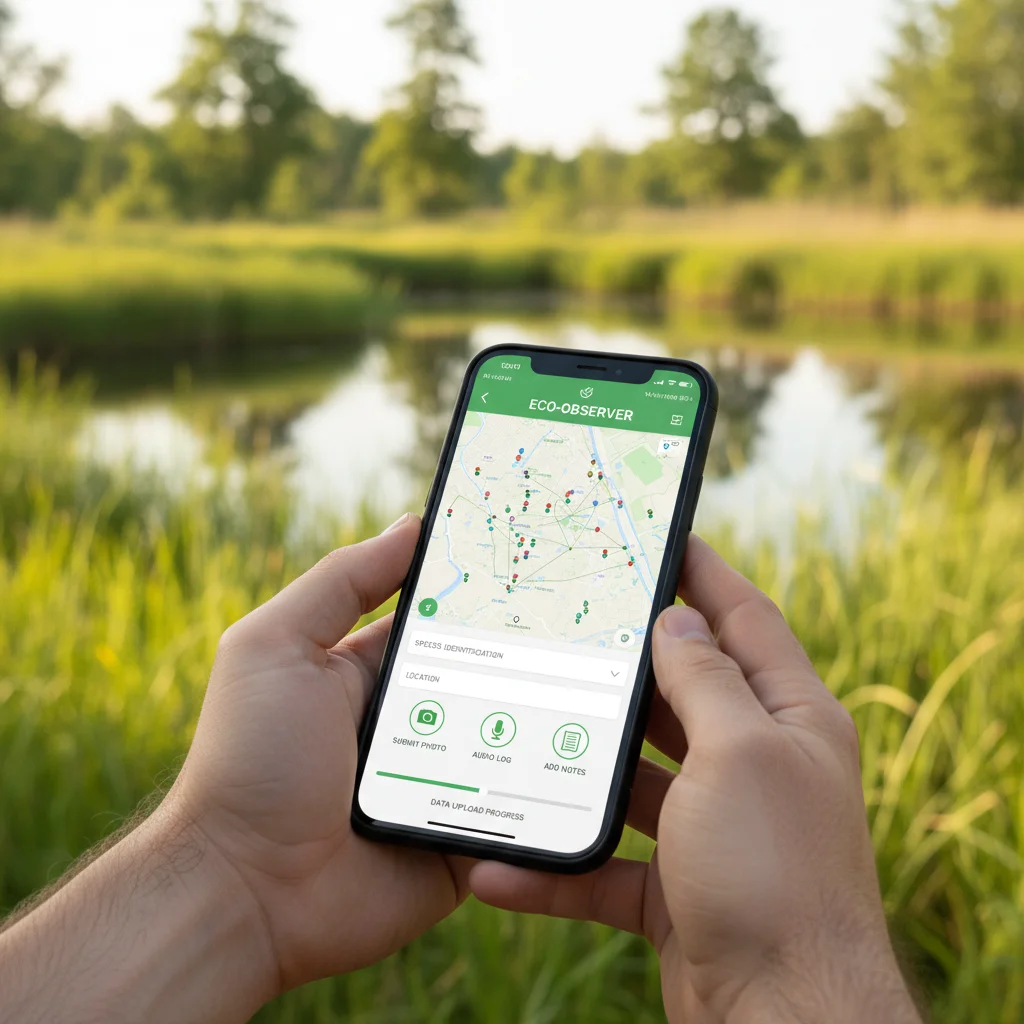
The journey from a casual observation by a volunteer to a binding environmental policy is complex but increasingly streamlined. Technological advancements, particularly in mobile applications, AI-driven data analysis, and accessible online platforms, have democratized scientific participation. Anyone with a smartphone and a willingness to contribute can now become a vital link in a global network of environmental monitoring. This shift has not only empowered communities but has also injected a much-needed dose of real-world, ground-level data into the often abstract world of policy-making.
As we navigate the complexities of climate change, biodiversity loss, and pollution, the role of citizen science policy becomes more critical than ever. The insights gleaned from these projects help identify emerging environmental threats, track long-term ecological changes, and assess the effectiveness of existing conservation efforts. This article will explore specific examples of how citizen science has directly informed and influenced policy in 2026, showcasing the power of collective action and the enduring spirit of environmental stewardship.
What is Citizen Science? A Foundation for Policy Influence
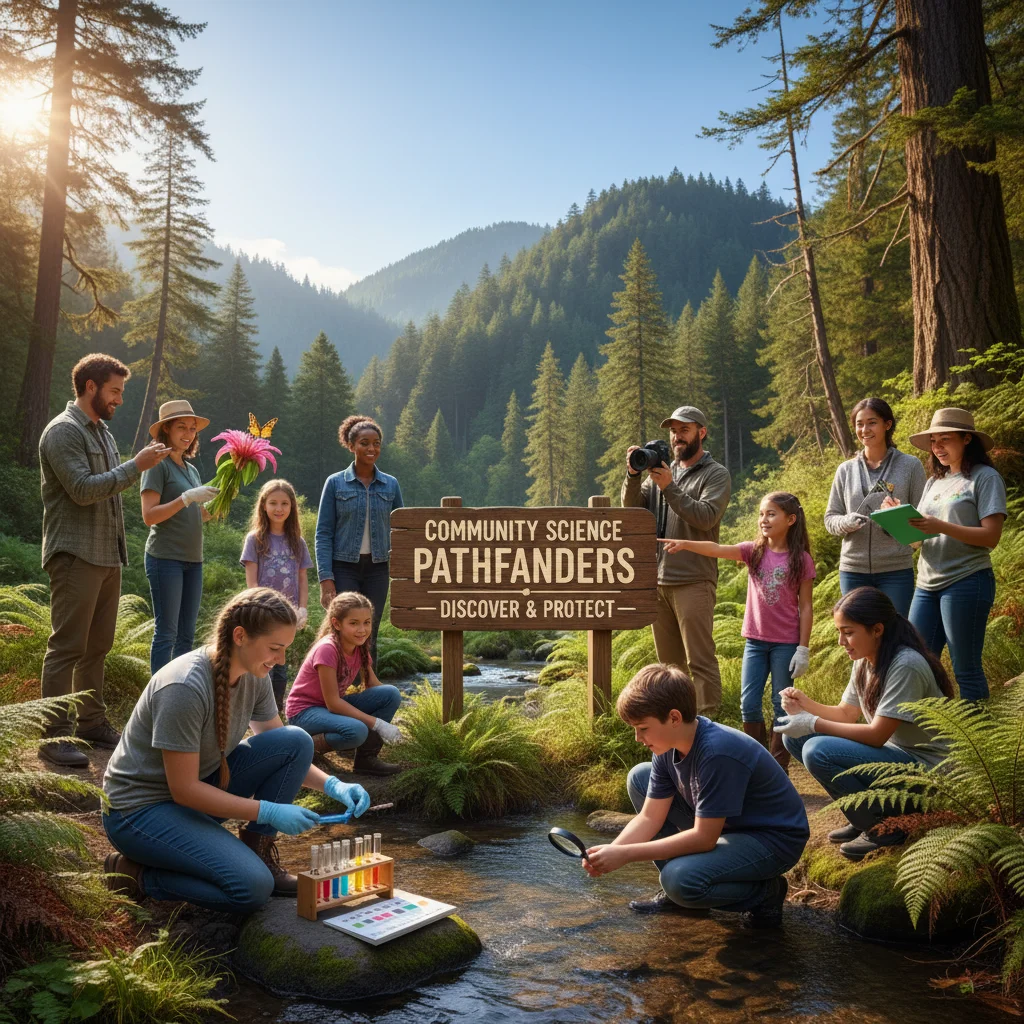
At its core, citizen science involves the public in scientific research. This can range from simple tasks like identifying species in photographs to more complex activities such as collecting water samples, monitoring air quality, or tracking wildlife movements. The beauty of citizen science lies in its ability to harness the power of distributed observation and data collection, often across vast geographical areas and over extended periods, which would be prohibitively expensive or logistically impossible for professional scientists alone.
The methodology of citizen science has evolved significantly. Early projects often relied on manual data submission, but today, sophisticated mobile applications, GPS-enabled devices, and even specialized sensors have made data collection more accurate, efficient, and accessible. These tools allow volunteers to record observations, take measurements, and upload data directly to centralized databases, where it can be analyzed by researchers. The data collected by citizen scientists covers a wide array of environmental concerns, including:
- Biodiversity Monitoring: Tracking populations of plants, animals, and insects, identifying invasive species, and documenting changes in ecosystems.
- Water Quality Testing: Measuring pH levels, dissolved oxygen, and pollutant presence in rivers, lakes, and coastal areas.
- Air Quality Monitoring: Using portable sensors to detect particulate matter and other pollutants in urban and rural environments.
- Climate Change Impact Assessment: Observing phenological changes (e.g., timing of plant flowering, bird migration), glacier retreat, and sea-level rise.
- Pollution Mapping: Identifying and documenting plastic waste, oil spills, and other forms of environmental contamination.
The reliability and validity of citizen science data are paramount, especially when it comes to influencing policy. Many projects incorporate robust training programs for volunteers, standardized protocols for data collection, and multi-stage verification processes, often involving machine learning and expert review, to ensure data quality. This commitment to accuracy has been crucial in building trust among policymakers and establishing citizen science as a credible source of scientific evidence.
The rise of citizen science policy in 2026 is a testament to this growing credibility. Governments and international bodies are increasingly recognizing the unique contributions of volunteer data, not just as supplementary information, but as foundational evidence for crafting and refining environmental regulations. This paradigm shift underscores the democratization of science and its direct impact on governance.
Societal Impact and Community Engagement: Beyond Data Collection
The impact of citizen science extends far beyond the data points collected. It fosters a profound sense of community, environmental stewardship, and scientific literacy among participants. When individuals actively engage in monitoring their local environment, they develop a deeper understanding of ecological processes and the challenges facing their communities. This direct involvement cultivates a heightened sense of responsibility and empowers them to advocate for change.
One of the most significant societal impacts is the increased public awareness of environmental issues. Citizen science projects often serve as powerful educational tools, making complex scientific concepts accessible and engaging. For instance, a project tracking local bird populations can teach participants about migratory patterns, habitat loss, and the interconnectedness of ecosystems. This knowledge empowers citizens to make more informed decisions in their daily lives and to hold their elected officials accountable for environmental protection.
Furthermore, citizen science initiatives often bridge the gap between scientific communities and the general public. They demystify the scientific process, showing that science is not just confined to laboratories but is an active, observable, and participative endeavor. This fosters trust in science and promotes a more evidence-based public discourse on environmental matters.
In 2026, the community engagement aspect of citizen science is more robust than ever. Online forums, local meet-ups, and educational workshops are common features of successful projects, creating vibrant networks of like-minded individuals. These networks often evolve into powerful advocacy groups, translating their collective data and understanding into calls for policy action. For example, communities monitoring local water quality might collectively present their findings to municipal governments, urging for stricter pollution controls or investment in wastewater treatment infrastructure. This grassroots advocacy, backed by scientific data, is a potent force in shaping citizen science policy.
The inclusive nature of citizen science also means that it reaches diverse demographics, including students, retirees, and individuals from various socioeconomic backgrounds. This broad participation ensures that environmental concerns are addressed from multiple perspectives, leading to more holistic and equitable policy solutions. The empowerment of these diverse voices through scientific contribution is a cornerstone of modern environmental governance.
Recent Updates and Technological Advancements in 2026
The year 2026 marks a significant milestone in citizen science, largely due to a confluence of technological advancements and increased institutional support. These developments have not only expanded the reach of citizen science but have also enhanced the accuracy and utility of the data collected, making citizen science policy more influential than ever.
AI and Machine Learning Integration
One of the most transformative developments is the widespread integration of Artificial Intelligence (AI) and Machine Learning (ML) into citizen science platforms. AI algorithms are now routinely used to:
- Automate Data Validation: AI can quickly review submitted data for inconsistencies or anomalies, flagging potential errors for human review and significantly improving data quality.
- Species Identification: Advanced image recognition AI can identify species from photographs with remarkable accuracy, making it easier for volunteers to contribute to biodiversity projects even without extensive prior knowledge.
- Predictive Modeling: ML models are being trained on vast datasets from citizen science projects to predict environmental trends, such as the spread of invasive species or the impact of climate change on specific ecosystems.
These AI-driven tools streamline the data processing pipeline, allowing researchers to handle the immense volume of information generated by millions of volunteers more effectively. This efficiency directly translates into quicker insights and more timely recommendations for citizen science policy.
Advanced Sensing Technologies
Beyond smartphones, volunteers in 2026 are utilizing increasingly sophisticated yet user-friendly sensing technologies. Affordable, portable sensors for air quality, water pollution, and even noise pollution are readily available, enabling citizens to collect precise, localized data. These sensors often connect wirelessly to mobile devices, automatically uploading data with geolocational tags, creating highly detailed environmental maps.
For example, communities concerned about industrial emissions can deploy a network of low-cost air quality sensors, providing real-time data that can be used to identify pollution hotspots and hold industries accountable. This granular data is invaluable for local environmental agencies in formulating targeted citizen science policy interventions.
Global Data Standardization and Interoperability
Efforts to standardize data formats and promote interoperability between different citizen science platforms have also matured by 2026. This means that data from various projects, even those managed by different organizations, can be aggregated and analyzed together, providing a more comprehensive picture of regional and global environmental health. International collaborations are leveraging these standardized datasets to inform global environmental agreements and treaties, cementing the role of citizen science policy on a worldwide stage.
These technological leaps have not only made citizen science more powerful but also more accessible and reliable, ensuring that the contributions of a million volunteers are not just numerous but also scientifically robust and policy-relevant.
Case Studies: Citizen Science Informing Policy
The theoretical impact of citizen science on policy is compelling, but it is through concrete examples that its true power is revealed. In 2026, numerous instances demonstrate how volunteer-collected data has directly led to significant policy changes and environmental improvements.
Case Study 1: Protecting Migratory Bird Corridors
In North America, a continent-wide citizen science project, involving hundreds of thousands of birdwatchers, has been tracking migratory bird populations and their habitats for over two decades. In 2026, the aggregated data from this project revealed critical bottlenecks in migratory corridors due to rapid urban development and agricultural expansion. The detailed maps generated from volunteer observations showed specific areas where bird populations were experiencing significant declines due to habitat fragmentation.
Armed with this irrefutable data, conservation organizations successfully lobbied national and state governments. The result was the passage of the ‘Migratory Bird Corridor Protection Act of 2026’, which designates specific land parcels as protected areas and mandates stricter environmental impact assessments for development projects within identified corridors. This legislation, a direct outcome of citizen science policy influence, is expected to reverse population declines for several endangered migratory species.
Case Study 2: Combating Microplastic Pollution in Coastal Waters
Along the European coastline, a network of citizen scientists has been meticulously monitoring microplastic pollution in beaches and nearshore waters. Using standardized sampling kits and reporting protocols, volunteers have collected data on plastic types, sizes, and concentrations. By 2026, their comprehensive dataset highlighted specific coastal regions with alarmingly high microplastic levels, often correlating with industrial outflows and major shipping lanes.
This evidence was presented to the European Union’s environmental agencies, leading to a revised ‘Coastal Waters Purity Directive’. The directive introduced new regulations on industrial waste discharge, mandated stricter filtering systems for maritime vessels, and allocated significant funding for microplastic removal technologies in affected areas. This policy change, driven by the persistent efforts of citizen scientists, is a crucial step towards cleaner oceans.
Case Study 3: Urban Air Quality Improvement Initiatives
In several major Asian cities, citizen science groups equipped with portable air quality sensors have been mapping pollution levels street by street. Their real-time data often contradicted official government readings, revealing localized pollution hotspots caused by traffic congestion, construction sites, and informal industrial activities. The localized, high-resolution data provided by these volunteers offered a level of detail previously unavailable to city planners.
In response, city councils in affected regions implemented ‘Green Zone’ policies, restricting vehicle access in certain areas during peak pollution times, investing in electric public transport, and enforcing stricter emission standards for construction equipment. These policy shifts, directly informed by citizen science data, have led to measurable improvements in urban air quality, enhancing public health and well-being. These examples underscore the tangible and profound impact of citizen science policy in shaping a healthier, more sustainable future.

Challenges and Future Directions for Citizen Science Policy
While the achievements of citizen science in shaping environmental policy are remarkable, the field is not without its challenges. Addressing these issues is crucial for ensuring the continued growth and effectiveness of citizen science policy in the years to come.
Data Quality and Validation
Despite significant advancements, maintaining consistent data quality across a vast network of volunteers remains a primary concern. While AI tools and standardized protocols help, the sheer volume of data requires continuous vigilance. Future efforts will focus on developing even more sophisticated AI-driven validation systems, coupled with enhanced training modules and peer-review mechanisms among volunteers, to further bolster data reliability. This will be key to strengthening the scientific credibility of citizen science policy inputs.
Funding and Sustainability
Many citizen science projects rely on grants and volunteer efforts, which can be inconsistent. Ensuring long-term funding and operational sustainability is essential for maintaining project continuity and impact. Governments and philanthropic organizations are increasingly recognizing the value of citizen science and are expected to allocate more dedicated funding. Furthermore, exploring innovative funding models, such as public-private partnerships and crowdfunding initiatives, will be vital for the future of citizen science policy.
Integration with Formal Scientific Research
While citizen science data is increasingly accepted, there is still room for deeper integration with formal scientific research and policy-making bodies. This involves creating more seamless pathways for citizen-collected data to be incorporated into national environmental monitoring programs, academic research, and official policy review processes. Encouraging collaborative projects where professional scientists and citizen scientists work hand-in-hand from project design to data interpretation will foster greater synergy and impact on citizen science policy.
Ethical Considerations and Data Privacy
As citizen science expands, ethical considerations, particularly regarding data privacy and intellectual property, become more prominent. Projects must ensure transparency in how data is collected, stored, and used, respecting the privacy of participants. Clear guidelines on data ownership and attribution are also necessary to protect the contributions of volunteers and researchers alike. Addressing these ethical frameworks will build greater trust and participation in citizen science policy initiatives.
Global Expansion and Accessibility
While citizen science is thriving in many parts of the world, there are still regions where its potential remains largely untapped due to lack of resources, technological access, or awareness. Future efforts will focus on expanding citizen science initiatives to underserved communities and developing countries, ensuring that a global perspective informs global environmental policy. This includes developing low-cost, accessible tools and culturally relevant projects that resonate with local populations, thereby expanding the reach and equity of citizen science policy.
The future of citizen science policy is bright, poised to become an even more indispensable tool in our collective efforts to address environmental challenges. By continuously refining methodologies, embracing technological innovations, and fostering stronger partnerships, the million-strong army of citizen scientists will continue to lead the charge towards a more sustainable and equitable planet.
The Future is Collaborative: The Enduring Legacy of Citizen Science
As we look towards the horizon beyond 2026, the trajectory of citizen science policy points towards an even more integrated and influential role in environmental governance. The model of a million volunteers actively shaping policy is not just a temporary trend but a fundamental shift in how societies approach environmental challenges. This collaborative ethos, blending scientific rigor with community passion, is creating a powerful new paradigm for conservation and sustainability.
The enduring legacy of citizen science will be the democratization of scientific inquiry and environmental stewardship. It empowers individuals from all walks of life to become active participants in solving the most pressing issues of our time. This sense of collective ownership and responsibility is crucial for fostering long-term environmental protection, as policies are more likely to be embraced and sustained when they are informed and supported by the very communities they impact.
Moreover, citizen science fosters a culture of lifelong learning and engagement. Participants gain valuable skills, deepen their understanding of ecological principles, and develop a critical perspective on environmental issues. This human capital, nurtured through active participation, represents an invaluable asset for future generations of environmental leaders and advocates. The ripple effect of this educational component extends far beyond the immediate project, influencing families, schools, and broader community dialogues.
The evolution of citizen science policy will also see an increased emphasis on interdisciplinary collaboration. Environmental challenges are rarely isolated; they often intersect with social, economic, and health issues. Future citizen science projects will increasingly integrate data and insights from these diverse fields, enabling policymakers to develop more holistic and effective solutions. For instance, a project monitoring water quality might also collect data on local public health outcomes, revealing direct links between environmental pollution and community well-being, thus informing public health policy alongside environmental regulations.
Furthermore, the global interconnectedness facilitated by digital platforms will allow for even larger-scale, cross-border citizen science initiatives. Imagine millions of volunteers across multiple continents contributing to a unified database on global biodiversity or climate indicators, providing an unprecedented level of real-time environmental intelligence. This global collaboration will be instrumental in addressing transnational environmental threats that require coordinated international responses, making citizen science policy a cornerstone of global environmental diplomacy.
In conclusion, the journey of citizen science from a niche activity to a mainstream force in environmental policy by 2026 is a testament to human ingenuity, collaboration, and a shared commitment to protecting our planet. The one million volunteers represent not just a number, but a vibrant, engaged community driving meaningful change. Their efforts provide invaluable data, raise awareness, and empower communities, ultimately leading to more informed, effective, and equitable environmental policies. The future of our planet rests, in no small part, on the continued growth and success of citizen science policy, a beacon of hope in the face of daunting environmental challenges.