2026 Housing Market: Federal Programs & Affordability Solutions
The landscape of the American housing market has been a topic of intense discussion and concern for many years, with issues of affordability and supply reaching critical levels in numerous regions. As we look ahead to the housing market 2026, there’s a palpable sense of anticipation surrounding the potential impact of new federal programs designed to address these deeply entrenched challenges. This comprehensive analysis will delve into the intricacies of these initiatives, exploring their intended effects, potential pitfalls, and the broader implications for buyers, sellers, and the economy as a whole.
Understanding the Current Housing Crisis Ahead of 2026
Before we can fully appreciate the potential of new federal interventions, it’s crucial to understand the severity and multifaceted nature of the current housing crisis. For years, a confluence of factors has driven up housing costs, making homeownership an increasingly distant dream for many and placing immense pressure on renters. Low housing inventory, coupled with sustained demand, has led to bidding wars and rapidly escalating prices. This supply-demand imbalance is not a new phenomenon, but it has been exacerbated by a slowdown in new construction, rising material costs, and labor shortages. Furthermore, restrictive zoning laws in many desirable areas limit density and housing types, further constricting supply.
Interest rate fluctuations have also played a significant role. While lower rates in recent years initially spurred demand, the subsequent increases have drastically impacted affordability, pushing monthly mortgage payments to unprecedented levels. Wage growth, for many, has simply not kept pace with these rising costs, leading to a widening gap between what people can afford and what the market offers. This has resulted in a significant portion of household income being allocated to housing, leaving less for other essential needs and stifling economic mobility.
The rental market mirrors these trends, with rents soaring in many urban and suburban centers. A lack of affordable rental units means that even those not looking to buy are struggling to find stable, reasonably priced housing. This pervasive issue affects every demographic, from first-time homebuyers to retirees, and has profound societal implications, including increased homelessness, reduced economic growth, and greater social inequality. Addressing these systemic issues requires a concerted effort, and it is against this backdrop that the federal government is stepping in with new programs aimed at reshaping the housing market 2026.
Key Federal Programs Targeting Affordability and Supply in 2026
1. The National Housing Affordability & Supply Initiative (NHASI)
One of the cornerstone federal programs anticipated to significantly influence the housing market 2026 is the National Housing Affordability & Supply Initiative (NHASI). This ambitious program is designed with a dual focus: directly improving housing affordability for low and moderate-income individuals and families, and stimulating a substantial increase in housing supply across the nation. NHASI comprises several key components:
- First-Time Homebuyer Grants and Tax Credits: To address the down payment hurdle, NHASI proposes expanded grants and refundable tax credits for eligible first-time homebuyers. These financial incentives are structured to reduce upfront costs, making homeownership more accessible, particularly in high-cost areas. The grants would be means-tested, ensuring they target those most in need, while the tax credits would offer a broader benefit to a wider range of first-time purchasers.
- Rental Assistance Expansion: Recognizing the widespread rental crisis, NHASI aims to significantly increase funding for existing rental assistance programs and introduce new, more flexible subsidies. This includes expanding Section 8 vouchers, developing innovative rapid re-housing initiatives, and providing emergency rental assistance to prevent homelessness. The goal is to stabilize rental costs for vulnerable populations and ensure a basic level of housing security.
- Incentives for Affordable Housing Development: A critical aspect of NHASI is its focus on boosting supply. The initiative offers substantial federal grants and low-interest loans to states, municipalities, and non-profit developers committed to building affordable housing units. These incentives are often tied to specific criteria, such as energy efficiency standards, transit-oriented development, and the inclusion of support services for residents. The program also streamlines federal permitting processes for approved affordable housing projects, aiming to reduce development timelines.
- Community Land Trust Support: NHASI includes dedicated funding and technical assistance for the expansion of Community Land Trusts (CLTs). CLTs are non-profit organizations that acquire and hold land permanently, removing it from the speculative market. They then lease the land to homeowners at affordable rates, ensuring long-term affordability for subsequent buyers. By supporting CLTs, NHASI aims to create a sustainable model for affordable homeownership that is resilient to market fluctuations.
2. The Infrastructure for Housing Growth Act (IHGA)
The Infrastructure for Housing Growth Act (IHGA) is another pivotal piece of legislation poised to shape the housing market 2026. This act recognizes that housing development is intrinsically linked to robust infrastructure. Often, new housing projects are delayed or made prohibitively expensive due to a lack of adequate roads, water systems, sewer lines, and utility connections. IHGA aims to directly address these bottlenecks through several key provisions:
- Funding for Essential Infrastructure: IHGA allocates billions of dollars in federal funding for states and localities to invest in critical infrastructure projects that directly support new housing development. This includes upgrading existing water and sewer systems, expanding public transportation routes to new residential areas, and improving road networks. By covering a significant portion of these infrastructure costs, the federal government aims to reduce the financial burden on developers and, consequently, on homebuyers.
- Grants for Zoning Reform: Many local zoning ordinances are seen as major impediments to increasing housing supply. IHGA provides grants to municipalities that undertake significant zoning reforms, such as allowing for higher density housing, mixed-use developments, and the construction of accessory dwelling units (ADUs). These grants are intended to incentivize local governments to modernize their land-use regulations, paving the way for more diverse and affordable housing options.
- Support for Climate-Resilient Infrastructure: Recognizing the growing threat of climate change, IHGA also prioritizes funding for infrastructure projects that are climate-resilient. This includes investments in green infrastructure, flood mitigation systems, and energy-efficient utilities, ensuring that new housing developments are not only affordable but also sustainable and protected from environmental risks.
3. The Workforce Housing Development Fund (WHDF)
The Workforce Housing Development Fund (WHDF) focuses specifically on addressing the shortage of housing for essential workers, including teachers, nurses, emergency responders, and service industry professionals. These individuals often struggle to afford housing in the communities they serve, leading to long commutes and staffing shortages in critical sectors. The WHDF will impact the housing market 2026 by:
- Targeted Development Subsidies: The fund provides direct subsidies and tax incentives to developers who commit to building housing specifically for workforce populations. These developments often feature a mix of rental and for-sale units, with affordability covenants ensuring that prices remain accessible for eligible workers over the long term.
- Employer-Assisted Housing Programs: WHDF encourages and provides matching funds for employer-assisted housing programs. This involves partnerships between employers and housing providers to offer financial assistance, counseling, or preferential access to housing for their employees. This not only helps workers but also benefits employers by improving recruitment and retention.
- Rehabilitation of Vacant Properties: A portion of the WHDF is dedicated to rehabilitating vacant or underutilized properties into workforce housing. This approach not only increases supply but also revitalizes distressed neighborhoods, turning liabilities into community assets.
Analyzing the Potential Impact on the 2026 Housing Market
Increased Affordability for Buyers and Renters
The most direct and intended impact of these federal programs on the housing market 2026 is a significant improvement in affordability. The combination of first-time homebuyer grants, expanded rental assistance, and increased supply of affordable units should ease the financial burden on millions of Americans. For prospective homebuyers, reduced down payment requirements and improved access to financing could open the door to homeownership, especially for younger generations and minority groups who have historically faced greater barriers. The expansion of rental subsidies will provide much-needed relief to renters, potentially stabilizing or even slightly reducing rental costs in some areas by increasing the availability of subsidized units.

Boost in Housing Supply and Construction
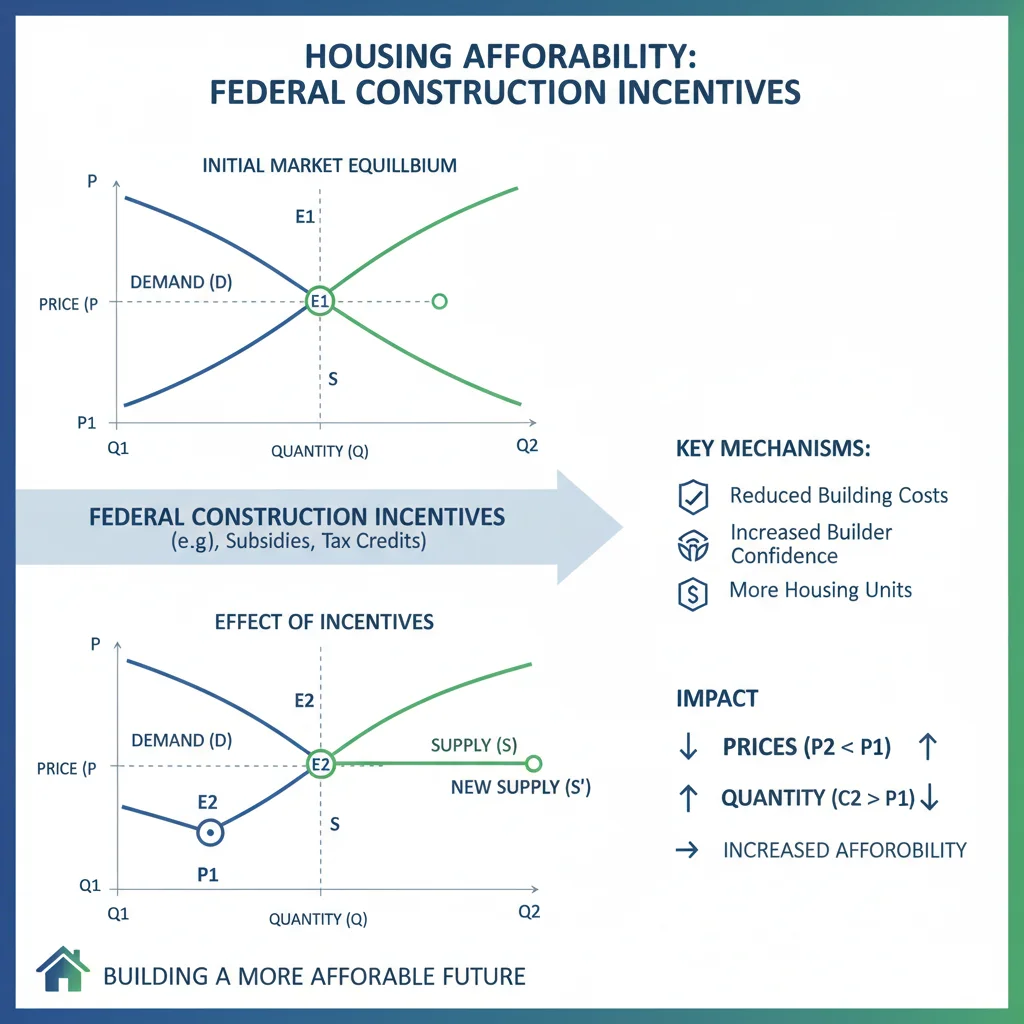
A central pillar of these federal initiatives is to address the chronic undersupply of housing. By offering substantial incentives for affordable housing development, investing in crucial infrastructure, and encouraging zoning reforms, the government aims to unleash a wave of new construction. This increase in supply is critical for bringing the market back into balance. More housing units, particularly those designed to be affordable, will help to cool down overheated markets, reduce competition among buyers, and ultimately lead to more stable and sustainable home prices. The IHGA, in particular, by tackling infrastructure bottlenecks and incentivizing density, could significantly accelerate the pace of development in areas previously constrained by inadequate public services or outdated regulations. We anticipate seeing a noticeable uptick in housing starts and completions by the housing market 2026, provided these programs are implemented effectively and without significant bureaucratic delays.
Geographic Shifts and Regional Development
These federal programs are likely to induce some geographic shifts in housing development and affordability. Areas that are proactive in leveraging IHGA grants for infrastructure and zoning reform, or those with strong non-profit development sectors benefiting from NHASI, could see accelerated growth in affordable housing options. This might lead to a more even distribution of housing opportunities, potentially revitalizing smaller cities and rural areas that have struggled with economic stagnation. Conversely, regions that resist zoning reforms or are slower to adopt these federal incentives might continue to face severe affordability challenges, potentially leading to further population shifts as people seek more affordable living conditions. The impact on the housing market 2026 will therefore vary significantly from one locality to another, depending on local policy responses and existing market conditions.
Economic Implications and Market Stability
From an economic perspective, the successful implementation of these federal programs could lead to greater market stability in the housing market 2026. By increasing supply and improving affordability, the programs aim to reduce the volatility seen in recent years. A more stable housing market benefits the broader economy by fostering consumer confidence, supporting labor mobility, and reducing the risk of housing bubbles. Increased construction activity, spurred by federal incentives, will also create jobs in the construction sector and related industries, providing a significant economic boost. Moreover, by reducing housing cost burdens, households will have more disposable income, which can stimulate other sectors of the economy. However, careful monitoring will be required to ensure that these interventions do not inadvertently create new market distortions or lead to excessive government involvement in areas where private markets could function more efficiently.
Potential Challenges and Considerations for the 2026 Housing Market
Implementation Hurdles and Bureaucracy
While the intent behind these federal programs is commendable, their success in the housing market 2026 hinges critically on effective implementation. Federal programs are often plagued by bureaucratic delays, complex application processes, and challenges in coordinating efforts between federal, state, and local governments. Navigating the layers of red tape can deter smaller developers or non-profits from participating, limiting the reach of the programs. There is a need for streamlined processes, clear guidelines, and robust technical assistance to ensure that the funds and incentives reach their intended recipients efficiently and without undue administrative burden. The speed at which these programs can translate into tangible housing units will be a key determinant of their impact.
Local Resistance to Zoning Reforms
A significant challenge, particularly for the IHGA’s goal of increasing density, is overcoming local resistance to zoning reforms. Many communities, driven by concerns about property values, neighborhood character, or increased traffic, are often reluctant to relax restrictive zoning ordinances. The ‘Not In My Backyard’ (NIMBY) phenomenon is a powerful force that can derail even the best-intentioned federal initiatives. While IHGA offers grants as an incentive, these may not always be sufficient to sway deeply entrenched local opposition. Education, community engagement, and demonstrating the long-term benefits of increased housing supply will be crucial in fostering local buy-in. Without widespread local cooperation, the impact on the overall housing market 2026 supply may be less than desired.
Inflationary Pressures and Material Costs
The construction industry has faced significant inflationary pressures in recent years, with the cost of building materials and labor rising sharply. While federal programs may offer subsidies, these could be partially offset if inflation continues to erode purchasing power and drive up development costs. The effectiveness of grants and loans in stimulating new construction will depend on whether these financial incentives can keep pace with or outstrip the rising cost of building. Supply chain disruptions, often a contributor to material cost volatility, could also hinder the progress of new housing projects, pushing completion dates beyond the housing market 2026 timeframe and potentially limiting the immediate impact of these initiatives.
Ensuring Equity and Preventing Displacement
While the goal of increasing affordable housing is laudable, there is a critical need to ensure that new developments do not inadvertently lead to the displacement of existing residents, particularly in historically marginalized communities. Gentrification, often a side effect of revitalization efforts, can push out long-term residents who can no longer afford rising property taxes or rents in their improving neighborhoods. Federal programs must incorporate strong anti-displacement measures, such as community benefits agreements, tenant protections, and robust relocation assistance, to ensure that the benefits of new housing are shared equitably and that existing communities are preserved. The housing market 2026 must be one where growth is inclusive and does not exacerbate existing inequalities.
Looking Beyond 2026: Long-Term Sustainability
The federal programs discussed represent a significant step towards addressing the housing crisis, but their long-term success in shaping the housing market 2026 and beyond will depend on their sustainability and adaptability. Housing challenges are not static; they evolve with economic conditions, demographic shifts, and environmental factors. Therefore, these programs must be designed with flexibility, allowing for adjustments based on ongoing monitoring and evaluation.
Moreover, true long-term sustainability requires a multifaceted approach that extends beyond federal intervention. It necessitates continued collaboration between all levels of government, the private sector, non-profit organizations, and community stakeholders. Encouraging innovation in construction techniques, promoting sustainable building practices, and investing in workforce development for the construction industry are all crucial for ensuring a robust and responsive housing supply for decades to come. Education and public awareness campaigns about the benefits of diverse housing options can also help shift public perception and reduce local resistance to necessary changes.
Ultimately, the goal is not just to fix the immediate problems but to create a resilient and equitable housing system that can withstand future economic shocks and demographic changes. The initiatives impacting the housing market 2026 are a crucial starting point, but they must be viewed as part of an ongoing commitment to ensuring that every American has access to safe, stable, and affordable housing.
Conclusion: A Pivotal Moment for the Housing Market 2026
The housing market 2026 stands at a pivotal juncture, with new federal programs poised to instigate significant changes. Initiatives like the National Housing Affordability & Supply Initiative, the Infrastructure for Housing Growth Act, and the Workforce Housing Development Fund offer a beacon of hope for improving affordability and boosting supply. While these programs hold immense potential to reshape the housing landscape, their success will hinge on effective implementation, overcoming local resistance, managing economic pressures, and ensuring equitable outcomes.
For individuals and families struggling with housing costs, these programs could unlock new opportunities for homeownership and provide much-needed rental relief. For the broader economy, a more stable and affordable housing market promises greater economic growth and reduced inequality. As we move towards 2026, all eyes will be on how these ambitious federal strategies translate into tangible improvements on the ground. The collective efforts of policymakers, developers, communities, and citizens will determine whether these programs truly pave the way for a more accessible and equitable housing future for all Americans.