Social Inequality US Education 2026: Key Drivers & Impact

Beyond the Headlines: Understanding the 3 Key Drivers of Social Inequality in US Education Systems for 2026 (INSIDER KNOWLEDGE, SOCIETAL IMPACT)
The pursuit of educational equity has long been a cornerstone of the American dream. Yet, as we approach 2026, the landscape of US education remains deeply scarred by pervasive social inequalities. These disparities are not merely statistics; they are lived realities that shape futures, limit potential, and perpetuate cycles of disadvantage. Understanding the core mechanisms driving this US Education Inequality is crucial for anyone hoping to contribute to meaningful change, from policymakers to parents, educators to advocates. This comprehensive analysis will delve into the three predominant drivers that continue to widen the achievement gap, offering insider knowledge and exploring their profound societal impact.
The promise of public education is that every child, regardless of their background, should have access to a quality learning experience that prepares them for success. However, the reality often falls short of this ideal. Socioeconomic status, geographic location, and systemic biases continue to create formidable barriers for millions of students across the United States. As we look towards 2026, these factors are not only persisting but, in some cases, evolving in complex ways that demand our immediate attention and proactive solutions. This article aims to dissect these intricate issues, providing a clear and actionable understanding of the challenges ahead.
Driver 1: Entrenched Socioeconomic Disparities and Resource Allocation
Perhaps the most foundational driver of US Education Inequality is the deeply entrenched socioeconomic disparities that permeate American society. The wealth of a student’s family directly correlates with the resources available to them, both inside and outside the classroom. This is not a new phenomenon, but its manifestations are becoming increasingly complex and impactful as we move towards 2026.
Funding Mechanisms and Their Inequitable Outcomes
A primary mechanism through which socioeconomic status impacts education is the labyrinthine system of school funding. In many states, local property taxes form a significant portion of school budgets. This means that school districts in affluent areas, with higher property values, inherently receive more funding per student than those in economically depressed regions. This creates a stark and immediate disparity in resources.
More funding translates into better facilities, smaller class sizes, more experienced and higher-paid teachers, access to advanced technology, richer extracurricular programs, and a wider array of support services like counselors and special education specialists. Conversely, underfunded schools in low-income areas often struggle with dilapidated infrastructure, overcrowded classrooms, high teacher turnover rates, outdated learning materials, and insufficient support staff. The cumulative effect of these resource deficits is a significant detriment to student learning outcomes and overall well-being. By 2026, without substantial reform, these funding disparities are projected to continue exacerbating the achievement gap, making it increasingly difficult for students from low-income backgrounds to compete with their more privileged peers.
Impact on Teacher Quality and Retention
Teacher quality is arguably the single most important in-school factor influencing student achievement. Unfortunately, socioeconomic disparities directly impact where highly qualified teachers choose to work and how long they stay. Schools in high-poverty areas often struggle to attract and retain experienced educators due to lower salaries, challenging working conditions, and a lack of professional development opportunities. New, less experienced teachers are frequently placed in these schools, and many leave within a few years due to burnout or the allure of better-resourced districts.
This constant churn creates instability, disrupts learning, and denies students the benefit of sustained relationships with experienced mentors. In contrast, well-funded districts can offer competitive salaries, robust professional development, and supportive environments, thereby attracting and retaining top talent. This disparity in teacher quality is a critical component of US Education Inequality that demands urgent attention.
Home Learning Environments and Parental Involvement
Beyond the school walls, socioeconomic status profoundly influences the home learning environment. Children from affluent families often have access to a wealth of educational resources at home: books, computers, internet access, educational toys, and opportunities for enriching experiences like museums, travel, and private tutoring. Their parents may also have more flexible work schedules, higher educational attainment, and a greater capacity to advocate for their children within the school system.
In contrast, children from low-income households may lack basic educational resources at home. Their parents might work multiple jobs, have less formal education themselves, and face significant time and financial constraints that limit their ability to engage with schools or provide supplemental educational support. The stress of poverty itself can also impact a child’s cognitive development and readiness to learn, creating a cycle of disadvantage that is incredibly difficult to break. Addressing this aspect of US Education Inequality requires a holistic approach that extends beyond the classroom to community support systems and economic policies.
Driver 2: Systemic Inequities and Segregation
While socioeconomic factors are undeniable, their impact is often amplified and reinforced by systemic inequities and persistent patterns of segregation within the US education system. These are not always overt acts of discrimination but rather embedded structures and historical legacies that continue to shape educational opportunities.
De Facto Segregation and Its Consequences
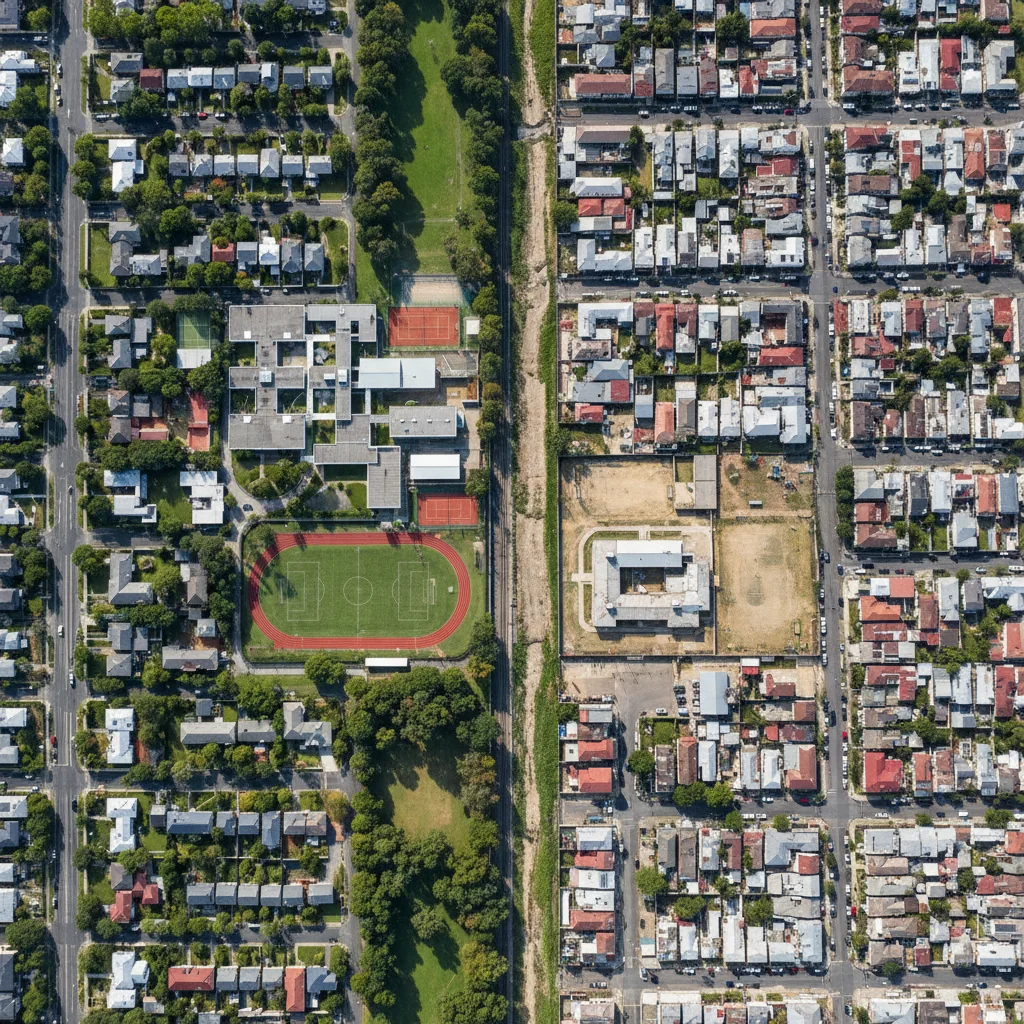
Despite landmark legal decisions aimed at desegregation, de facto segregation remains a pervasive issue in American schools. Residential segregation, driven by historical redlining, discriminatory housing policies, and economic disparities, leads directly to school segregation. Students of color, particularly Black and Hispanic students, are disproportionately concentrated in high-poverty schools, often with predominantly minority student populations.
These segregated schools, due to the aforementioned funding mechanisms, are typically under-resourced. They often have less experienced teachers, fewer advanced placement courses, limited access to technology, and higher student-to-counselor ratios. The isolation inherent in segregated schooling also deprives students of the benefits of diverse perspectives and experiences that prepare them for a multicultural workforce and society. The re-segregation of schools is a critical and often overlooked aspect of US Education Inequality that demands urgent policy interventions.
Curriculum Bias and Lack of Cultural Responsiveness
The curriculum itself can be a driver of inequality when it fails to be culturally responsive or inclusive. Traditional curricula often prioritize Eurocentric perspectives, histories, and literary canons, which can alienate and disengage students from diverse backgrounds. When students do not see themselves reflected in their learning materials or feel their cultural experiences are valued, it can lead to disinterest, lower academic motivation, and a sense of alienation.
Furthermore, a lack of diverse educators who can serve as role models and understand the unique cultural contexts of their students contributes to this problem. A culturally responsive pedagogy acknowledges and integrates students’ cultural backgrounds into the learning process, making education more relevant, engaging, and effective. The absence of such approaches perpetuates US Education Inequality by failing to meet the needs of all learners.
Disciplinary Practices and the School-to-Prison Pipeline
Systemic biases are also evident in school disciplinary practices. Students of color are disproportionately suspended, expelled, and referred to law enforcement for similar infractions compared to their white peers. This phenomenon, often referred to as the ‘school-to-prison pipeline,’ removes students from the learning environment, disrupts their academic progress, and increases their likelihood of involvement with the juvenile justice system.
Zero-tolerance policies, while intended to create safer schools, often lead to overly harsh punishments for minor infractions, particularly for students who may be reacting to trauma or unmet needs. The implicit biases of educators and administrators can also play a role in these disparities. Addressing these discriminatory disciplinary practices is vital to dismantling a significant component of US Education Inequality and ensuring all students have an equitable chance to learn.
Driver 3: The Digital Divide and Technological Access
As technology becomes increasingly integral to education, the digital divide emerges as a powerful and growing driver of US Education Inequality, projected to be even more pronounced by 2026. The COVID-19 pandemic starkly highlighted existing disparities in access to reliable internet, devices, and digital literacy, and these gaps continue to disadvantage millions of students.
Access to Devices and Reliable Internet
In an era where online learning platforms, digital textbooks, and internet-based research are standard components of education, a lack of access to personal devices (laptops, tablets) and reliable high-speed internet is a significant barrier. Students from low-income households are far less likely to have these essential tools at home. While some schools and communities have made efforts to provide devices or hotspots, these solutions are often insufficient or inconsistent.
Imagine a student trying to complete homework on a smartphone, sharing a single device with siblings, or relying on intermittent public Wi-Fi. These challenges create significant hurdles to academic success, making it difficult to participate in online assignments, conduct research, or even attend virtual classes when necessary. The digital divide doesn’t just impact remote learning; it limits access to supplemental educational resources, career exploration tools, and opportunities for skill development that are increasingly vital in the 21st century. By 2026, this gap will only widen if not adequately addressed, further entrenching educational disparities.
Digital Literacy and Educator Preparedness
Access to hardware and internet is only one part of the equation; digital literacy is equally crucial. Many students from disadvantaged backgrounds may lack the foundational skills needed to navigate digital environments effectively, utilize educational software, or discern credible online information. This can be due to a lack of exposure at home or insufficient instruction within schools that themselves lack the resources for comprehensive digital literacy programs.
Furthermore, the preparedness of educators to effectively integrate technology into their teaching varies significantly. Teachers in under-resourced schools may have less access to professional development in educational technology, leading to less effective implementation and a perpetuation of traditional teaching methods even when digital tools are available. This disparity in digital literacy and pedagogical approaches contributes directly to US Education Inequality. Students in well-resourced schools are often exposed to cutting-edge educational technology and innovative teaching methods, while their peers in less fortunate circumstances are left behind.
The Future of Learning and the Digital Divide
Looking ahead to 2026, the integration of artificial intelligence, virtual reality, and personalized learning platforms will become even more prevalent in education. If significant investments are not made to bridge the digital divide, students without adequate access and digital literacy will be severely disadvantaged in this evolving educational landscape. They will miss out on opportunities for highly personalized instruction, advanced skill development, and engagement with future-oriented learning tools, further cementing the cycle of educational and economic inequality. The digital divide is no longer just about access; it’s about equitable participation in the future of learning.

Societal Impact: The Broader Consequences of US Education Inequality
The implications of persistent US Education Inequality extend far beyond individual students and schools, rippling through society and impacting economic stability, civic engagement, and social cohesion.
Economic Implications: A Less Competitive Workforce
A society where a significant portion of its youth receives an inadequate education is one that struggles to maintain economic competitiveness. A less educated workforce leads to lower productivity, reduced innovation, and a diminished capacity to adapt to a rapidly changing global economy. Businesses may struggle to find skilled labor, leading to slower economic growth and a widening income gap between the highly educated and those with limited educational attainment. This perpetuates a cycle where educational inequality directly contributes to economic inequality, creating a less prosperous and less stable nation.
Health Disparities and Public Health
Educational attainment is strongly correlated with health outcomes. Individuals with higher levels of education tend to have better access to healthcare, healthier lifestyles, and a greater understanding of health information. Conversely, those with limited education are more likely to experience chronic health conditions, shorter life expectancies, and higher rates of preventable diseases. Therefore, US Education Inequality contributes directly to public health disparities, placing a greater burden on healthcare systems and reducing overall societal well-being. This is a critical, often overlooked, consequence that impacts everyone, not just those directly affected by educational disparities.
Civic Engagement and Democratic Participation
A well-educated populace is essential for a functioning democracy. Education fosters critical thinking, informed decision-making, and a greater understanding of civic responsibilities. When educational opportunities are unequal, it can lead to disparities in civic engagement and political participation. Individuals who feel marginalized or disempowered by the education system may be less likely to vote, engage in community activism, or hold their leaders accountable. This can weaken democratic institutions and lead to policies that further entrench inequality, creating a vicious cycle that undermines the very foundations of a just society.
Social Cohesion and Intergenerational Mobility
High levels of US Education Inequality erode social cohesion by creating divisions and resentments among different segments of the population. When opportunities are perceived as unequal, it can lead to social unrest and a breakdown of trust within communities. Moreover, education is a primary engine of intergenerational mobility—the ability of individuals to improve their socioeconomic status relative to their parents. When education systems fail to provide equitable opportunities, intergenerational mobility stagnates, trapping families in cycles of poverty and disadvantage. This not only limits individual potential but also stifles social progress and perpetuates societal stratification.
Insider Knowledge: Pathways to Equity for 2026 and Beyond
Addressing the deeply rooted drivers of US Education Inequality requires a multi-faceted and sustained commitment from all stakeholders. Based on current research and expert consensus, here are key strategies and insights that offer pathways to a more equitable education system by 2026:
Reforming School Funding Models
The most direct way to tackle resource disparities is through comprehensive school funding reform. This means moving away from a heavy reliance on local property taxes and towards more equitable state and federal funding formulas that prioritize the needs of disadvantaged students. Progressive funding models, often called ‘weighted student funding,’ allocate additional resources for students with higher needs (e.g., low-income students, English language learners, students with disabilities). This ensures that schools serving the most vulnerable populations receive the funding necessary to provide a high-quality education. Advocating for such reforms at the state and national level is paramount.
Investing in High-Quality Teachers for All Schools
Attracting and retaining excellent educators in high-needs schools requires strategic investments. This includes offering competitive salaries, providing robust professional development opportunities tailored to the unique challenges of diverse student populations, and creating supportive working conditions. Initiatives like teacher residency programs, which provide intensive training and mentorship, can be particularly effective. Additionally, policies that incentivize experienced teachers to work in underserved areas, such as loan forgiveness programs or housing assistance, can make a significant difference. Focusing on teacher equity is central to closing the achievement gap.
Cultivating Culturally Responsive and Inclusive Learning Environments
Schools must proactively develop culturally responsive curricula and pedagogical practices. This involves diversifying learning materials to reflect the experiences of all students, incorporating diverse perspectives into lessons, and fostering an inclusive classroom culture where every student feels seen and valued. Training for educators on implicit bias and culturally relevant teaching strategies is essential. Furthermore, efforts to recruit and retain a more diverse teaching workforce, reflective of the student population, can create powerful role models and enhance the learning experience for all.
Bridging the Digital Divide with Intentional Policy
To ensure equitable access to technology, governments must treat internet access as a public utility. This involves investing in broadband infrastructure in rural and low-income urban areas, providing subsidies for low-cost internet services, and ensuring that every student has access to a personal learning device. Beyond access, schools need to integrate comprehensive digital literacy programs into their curriculum from an early age. Professional development for teachers in effective educational technology integration is also critical to ensure that technology is used to enhance learning, not just replace traditional methods. Public-private partnerships can also play a vital role in providing devices and connectivity.
Promoting Community-Based Partnerships and Wraparound Services
Addressing US Education Inequality requires a holistic approach that extends beyond the school day. Schools can become community hubs, offering wraparound services such as health clinics, mental health support, after-school programs, and adult education for parents. Partnerships with local non-profits, businesses, and community organizations can provide additional resources, mentorship opportunities, and enrichment activities that level the playing field for students from disadvantaged backgrounds. These integrated approaches acknowledge that a child’s well-being and academic success are intrinsically linked to their broader social and economic environment.
Addressing Systemic Bias in Disciplinary Practices
Schools must move away from punitive, zero-tolerance disciplinary policies towards restorative justice practices. Restorative justice focuses on repairing harm, fostering empathy, and addressing the root causes of misbehavior, rather than simply punishing it. Training for school staff on implicit bias, de-escalation techniques, and culturally sensitive approaches to discipline is crucial. Additionally, reducing reliance on school resource officers for minor infractions and investing in counselors and social workers can help keep students in school and out of the justice system.
Conclusion: The Imperative for Action in 2026
The three key drivers of US Education Inequality—entrenched socioeconomic disparities, systemic inequities and segregation, and the growing digital divide—present formidable challenges as we look towards 2026. Their collective impact is not merely academic; it undermines our economic future, public health, democratic ideals, and social fabric. Ignoring these issues is not an option; the societal costs are simply too high.
However, understanding these drivers is the first step towards meaningful action. The insider knowledge and pathways to equity discussed above demonstrate that solutions exist. They require political will, sustained investment, innovative thinking, and a collective commitment from communities, educators, policymakers, and citizens alike. By prioritizing equitable school funding, investing in high-quality teachers for all students, fostering culturally responsive environments, bridging the digital divide, and rethinking disciplinary practices, we can begin to dismantle the barriers that prevent millions of American children from realizing their full potential.
The future of the United States hinges on the strength and equity of its education system. As 2026 approaches, the time for passive observation is over. It is time for decisive, collaborative action to ensure that every child, regardless of their background, has access to the education they deserve—an education that empowers them to thrive and contribute to a more just and prosperous society.