2026 Federal Budget: Priorities, Economic Impact & Future Outlook

The formulation of the 2026 Federal Budget is not merely an annual accounting exercise; it is a profound declaration of national priorities, a strategic blueprint for economic growth, and a critical determinant of the nation’s future trajectory. As the deadline for its unveiling approaches, the debate surrounding its contents intensifies, drawing in policymakers, economists, industry leaders, and citizens from all walks of life. This comprehensive analysis will delve into the anticipated key spending priorities, dissect their potential economic ripple effects, and explore the broader implications for the nation’s fiscal health and societal well-being. Understanding the nuances of the 2026 Federal Budget is paramount for anyone seeking to comprehend the economic landscape that lies ahead.
Every line item, every allocation, and every proposed cut within the 2026 Federal Budget carries significant weight, influencing everything from job creation and inflation rates to healthcare access and national security. The budget is a complex tapestry woven from competing demands, ideological differences, and the cold realities of fiscal constraints. This article aims to untangle some of these complexities, providing a clear and insightful overview of what to expect and what it all means for the average citizen and the broader economy.
Understanding the Context: The Economic Backdrop to the 2026 Federal Budget
Before diving into the specifics of the 2026 Federal Budget, it’s crucial to understand the economic environment in which it is being crafted. The current global economic climate, marked by ongoing geopolitical tensions, supply chain disruptions, and lingering inflationary pressures, provides a challenging backdrop. Domestically, policymakers are grappling with a confluence of factors, including the need to reduce the national debt, address an aging population, stimulate innovation, and ensure equitable growth. These multifaceted challenges necessitate a carefully considered and strategically sound budget.
The previous fiscal years have seen unprecedented levels of government spending, largely in response to global crises and efforts to stimulate economic recovery. While these measures were often necessary, they have also contributed to an elevated national debt and, in some cases, exacerbated inflationary trends. Therefore, a key theme for the 2026 Federal Budget is likely to be a delicate balancing act: how to continue investing in critical areas while simultaneously pursuing fiscal responsibility and long-term sustainability. The choices made in this budget will have profound implications for interest rates, investment decisions, and the overall trajectory of economic recovery.
Furthermore, technological advancements, particularly in artificial intelligence and automation, are reshaping industries and labor markets at an accelerated pace. The 2026 Federal Budget must therefore consider how to foster innovation, equip the workforce with future-proof skills, and mitigate potential disruptions. The global energy transition also presents both challenges and opportunities, requiring strategic investments in renewable energy infrastructure and climate resilience initiatives. These overarching economic and societal trends will undoubtedly shape the priorities and allocations within the upcoming federal budget.
Key Spending Priorities: Where Will the Money Go in the 2026 Federal Budget?
While the final details of the 2026 Federal Budget are still under wraps, several key spending priorities are expected to dominate the discussion, reflecting both ongoing national needs and emerging challenges. These areas typically receive significant attention due to their broad impact and the political capital invested in them.
Healthcare and Social Programs
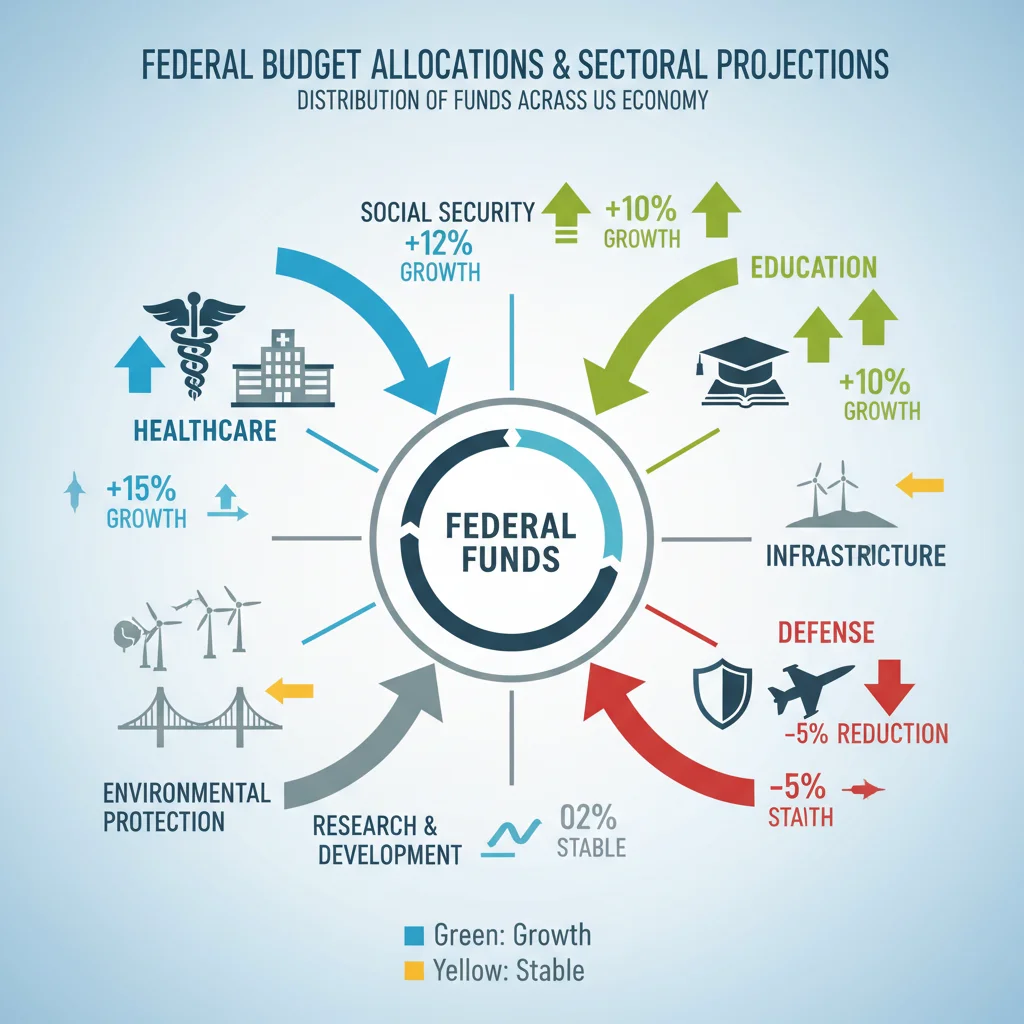
Healthcare spending consistently represents a substantial portion of the federal budget. With an aging population and rising healthcare costs, the 2026 Federal Budget is likely to continue prioritizing investments in Medicare, Medicaid, and other public health initiatives. Debates will center on how to improve access to affordable care, address the rising cost of prescription drugs, and bolster public health infrastructure, especially in light of recent global health crises. Expect proposals aimed at strengthening the healthcare workforce, expanding mental health services, and investing in medical research. The balance between maintaining current benefits and controlling long-term costs will be a central tension.
Infrastructure Investment
Infrastructure has emerged as a bipartisan priority in recent years, recognizing the critical role it plays in economic competitiveness and quality of life. The 2026 Federal Budget is anticipated to include significant allocations for modernizing roads, bridges, public transit, and airports. Beyond traditional infrastructure, there will likely be a strong emphasis on digital infrastructure, such as expanding broadband access to underserved areas, and green infrastructure, including investments in renewable energy grids, electric vehicle charging stations, and climate resilience projects. These investments are seen as crucial for job creation, enhancing productivity, and preparing the nation for future economic challenges.
Education and Workforce Development
Investing in human capital remains a cornerstone of long-term economic growth. The 2026 Federal Budget is expected to focus on programs that support early childhood education, improve K-12 outcomes, make higher education more affordable, and provide robust workforce training initiatives. Given the rapid pace of technological change, there will likely be a particular emphasis on STEM education, vocational training, and reskilling programs designed to equip workers with the skills needed for emerging industries. The goal is to foster a highly skilled, adaptable workforce capable of driving innovation and maintaining global competitiveness.
National Security and Defense
In an increasingly complex global environment, national security and defense spending will undoubtedly remain a significant priority. The 2026 Federal Budget will likely allocate funds for military modernization, cybersecurity enhancements, intelligence gathering, and support for veterans. Geopolitical events and evolving threats necessitate continuous investment in defense capabilities, while also balancing these needs with other domestic priorities. Discussions will inevitably revolve around the optimal level of defense spending and its effectiveness in safeguarding national interests.
Climate Change and Environmental Protection
Addressing climate change and protecting the environment are growing priorities. The 2026 Federal Budget is expected to include increased funding for renewable energy research and development, climate adaptation and resilience projects, conservation efforts, and initiatives to reduce carbon emissions. These investments are not only aimed at mitigating environmental risks but also at fostering new industries and creating green jobs, aligning economic growth with environmental stewardship. This area often sees significant debate between those advocating for aggressive climate action and those concerned about the economic impact of such policies.
Potential Economic Ripple Effects of the 2026 Federal Budget
The decisions embedded within the 2026 Federal Budget will send ripple effects throughout the entire economy, influencing everything from individual household finances to the performance of major industries. Understanding these potential impacts is crucial for businesses, investors, and citizens alike.
Inflationary Pressures and Interest Rates
One of the most immediate concerns surrounding any significant federal budget is its potential impact on inflation. If the 2026 Federal Budget involves substantial deficit spending without corresponding increases in productivity or revenue, it could inject more money into the economy, potentially exacerbating inflationary pressures. Conversely, a fiscally conservative budget aimed at reducing the deficit might help to cool inflation, but could also risk slowing economic growth. The Federal Reserve will be closely watching budget decisions, as they directly influence monetary policy, particularly interest rate adjustments. Higher government borrowing could put upward pressure on interest rates, affecting everything from mortgage rates to business loans.
Job Creation and Labor Markets
Investments in infrastructure, clean energy, and research and development outlined in the 2026 Federal Budget are expected to stimulate job creation across various sectors. Construction, manufacturing, technology, and healthcare industries could see significant employment growth. However, shifts in spending priorities could also lead to job displacement in declining sectors. The budget’s emphasis on workforce development and retraining programs will be critical in ensuring that the labor force can adapt to these changes, minimizing unemployment and fostering a dynamic job market.
Impact on Specific Industries
Different sectors will experience the 2026 Federal Budget’s effects in varying ways. The healthcare sector, for instance, could see increased demand for services and medical innovations due to continued federal support. Defense contractors will be closely watching allocations for military spending. The technology sector could benefit from investments in cybersecurity and R&D. Renewable energy companies and related industries are poised for growth if green initiatives receive substantial funding. Conversely, industries that rely heavily on federal contracts that see cuts could face headwinds. Businesses need to analyze the budget’s specifics to anticipate opportunities and challenges.
National Debt and Fiscal Sustainability
The trajectory of the national debt is a perennial concern. The 2026 Federal Budget will play a critical role in determining whether the nation moves towards greater fiscal sustainability or continues to accumulate debt. High levels of national debt can lead to increased interest payments, diverting funds from other critical programs and potentially crowding out private investment. The budget’s approach to revenue generation, including potential tax reforms or adjustments, will be as important as its spending priorities in addressing this long-term challenge. A balanced approach that stimulates growth while managing debt is the ideal, but often elusive, outcome.
Innovation and Research & Development
A significant portion of federal spending is directed towards basic and applied research across various scientific and technological fields. The 2026 Federal Budget’s allocations for agencies like the National Institutes of Health (NIH), the National Science Foundation (NSF), and NASA will have a direct impact on the pace of innovation. These investments often lead to breakthroughs that create entirely new industries, improve public health, and enhance national competitiveness. Sustained funding in these areas is crucial for maintaining the nation’s leadership in science and technology.
The Political Landscape and the 2026 Federal Budget Debate
The crafting of the 2026 Federal Budget is inherently a political process, often characterized by intense debate and negotiation. Different political factions, interest groups, and constituencies advocate for their priorities, leading to a complex interplay of power and persuasion.
Bipartisan Cooperation vs. Gridlock
The extent of bipartisan cooperation will significantly influence the final shape of the 2026 Federal Budget. Areas like infrastructure and national security sometimes find common ground, but social spending, environmental regulations, and tax policies often become flashpoints for partisan disagreement. A budget that emerges from broad consensus is generally seen as more stable and effective, whereas a budget passed along strict party lines can face challenges in implementation and may be subject to future revisions if political control shifts.
Lobbying and Special Interests
Various lobbying groups and special interests actively engage in the budget process, advocating for funding for their specific causes or industries. From pharmaceutical companies seeking research grants to environmental organizations pushing for conservation funds, these groups exert considerable influence. The transparency and ethics of these interactions are often subjects of public scrutiny, with calls for greater accountability in how budget decisions are made.
Public Opinion and Electoral Considerations
Public opinion plays a non-trivial role in shaping the 2026 Federal Budget. Policymakers are acutely aware of how budget decisions resonate with their constituents, especially in an election cycle. Programs that are highly popular, such as those supporting seniors or veterans, are often protected, while those perceived as wasteful or ineffective may face cuts. The budget can also be used as a political tool to highlight policy differences and mobilize voters.

Looking Ahead: Long-Term Implications of the 2026 Federal Budget
Beyond the immediate economic impacts, the 2026 Federal Budget will have profound long-term implications for the nation’s future. These include its effect on intergenerational equity, global competitiveness, and the social fabric of the country.
Intergenerational Equity
Decisions made in the 2026 Federal Budget regarding national debt, social security, and environmental protection will directly affect future generations. Spending today, particularly if financed by borrowing, can place a greater burden on future taxpayers. Conversely, investments in education, infrastructure, and research can yield long-term benefits that accrue to future generations. The debate often includes considerations of how to balance current needs with the responsibilities to future citizens.
Global Competitiveness
A well-crafted 2026 Federal Budget can enhance the nation’s global competitiveness by fostering innovation, supporting key industries, and strengthening its economic foundations. Investments in STEM education, advanced manufacturing, and critical technologies are vital for maintaining a competitive edge in the global marketplace. Conversely, underinvestment in these areas could lead to a decline in global standing and economic influence.
Social Cohesion and Equity
The budget’s allocations for social programs, healthcare, and education have a direct impact on social cohesion and equity. Policies that aim to reduce poverty, improve access to opportunities, and provide a safety net for vulnerable populations can strengthen the social fabric of the nation. The 2026 Federal Budget will be scrutinized for its fairness and its ability to address disparities, ensuring that economic growth benefits all segments of society.
The Role of Citizens in the 2026 Federal Budget Debate
While the intricacies of the federal budget can seem overwhelming, citizens play a crucial role in shaping its outcomes. Informed engagement, advocacy, and participation in the democratic process are essential for ensuring that the budget reflects the values and needs of the populace.
Staying Informed
Understanding the basics of federal budgeting and the key issues at stake is the first step. Following reputable news sources, engaging with non-partisan analyses, and reviewing official government documents can help citizens form informed opinions about the 2026 Federal Budget and its potential impacts.
Engaging with Representatives
Contacting elected officials, attending town hall meetings, and participating in public forums are effective ways for citizens to voice their priorities and concerns regarding the budget. Representatives are ultimately accountable to their constituents, and sustained public engagement can influence their voting decisions and policy stances.
Advocacy and Grassroots Movements
Supporting advocacy organizations that align with one’s priorities can amplify individual voices. Grassroots movements often play a significant role in bringing specific issues to the forefront of the budget debate, demonstrating broad public support for particular spending or policy changes.
Conclusion: A Blueprint for the Future
The 2026 Federal Budget is far more than a collection of numbers; it is a profound statement of national intent, a reflection of current challenges, and a blueprint for the future. The choices made within its pages will resonate across every sector of the economy and touch the lives of every citizen. From investments in healthcare and education to infrastructure and national security, each decision carries significant weight and potential ripple effects.
As the debate continues to unfold, it is imperative for all stakeholders – policymakers, businesses, and citizens – to engage thoughtfully and constructively. The goal should be to craft a budget that not only addresses immediate needs but also lays a strong foundation for long-term economic prosperity, social equity, and fiscal sustainability. The 2026 Federal Budget will define many aspects of the nation’s trajectory in the coming years, making its careful consideration and informed discussion absolutely critical for the well-being of the entire country.
The balancing act between competing demands, the pursuit of fiscal responsibility, and the imperative to invest in the future will be the defining characteristics of this budget cycle. The outcome will shape our economy, our society, and our place in the world for years to come.