U.S. Federal Reserve’s January 2026 Interest Rate Decision: What it Means for Your Savings and Loans
U.S. Federal Reserve’s January 2026 Interest Rate Decision: What it Means for Your Savings and Loans
The financial world holds its breath each time the U.S. Federal Reserve convenes to discuss monetary policy, and the January 2026 meeting is no exception. The decisions made by the Federal Open Market Committee (FOMC) regarding the federal funds rate reverberate through every corner of the economy, directly influencing everything from the interest you earn on your savings to the cost of your mortgage and car loans. Understanding the potential outcomes of this critical Fed Rate Decision and its implications is paramount for individuals, businesses, and investors alike. This comprehensive guide will delve into the factors influencing the Fed’s choice, analyze the expected scenarios, and, most importantly, explain what these changes could mean for your personal finances.
Understanding the Federal Reserve’s Mandate and Tools
Before we dissect the January 2026 Fed Rate Decision, it’s crucial to grasp the fundamental role of the Federal Reserve. Established in 1913, the Fed serves as the central bank of the United States. Its primary objectives, often referred to as its ‘dual mandate,’ are to promote maximum employment and stable prices. In addition, it aims to moderate long-term interest rates.
The Dual Mandate: Employment and Price Stability
- Maximum Employment: This doesn’t mean zero unemployment, which is unrealistic, but rather the lowest level of unemployment consistent with stable prices. The Fed monitors various labor market indicators, including the unemployment rate, job growth, wage growth, and labor force participation.
- Stable Prices: This refers to maintaining inflation at a low and predictable level, typically around 2% over the long run. High inflation erodes purchasing power, while deflation (falling prices) can stifle economic activity. The Fed tracks various inflation measures, such as the Consumer Price Index (CPI) and the Personal Consumption Expenditures (PCE) price index.
Key Monetary Policy Tools
The Fed employs several tools to achieve its mandate, with the federal funds rate being the most prominent. The federal funds rate is the target rate for overnight lending between banks. While the Fed doesn’t directly set this rate, it influences it through open market operations (buying and selling government securities), adjusting the interest rate on reserves, and the discount rate.
- Federal Funds Rate: This benchmark rate acts as a foundational cost for lending throughout the financial system. When the Fed raises the federal funds rate, borrowing costs generally increase across the board, and vice versa.
- Quantitative Easing/Tightening: Beyond the federal funds rate, the Fed can also influence long-term interest rates and the money supply through large-scale asset purchases (quantitative easing) or sales (quantitative tightening) of government bonds and mortgage-backed securities.
- Reserve Requirements: Though less frequently used, the Fed can also adjust the percentage of deposits that banks must hold in reserve, impacting the amount of money available for lending.
The January 2026 Fed Rate Decision will largely hinge on the FOMC’s assessment of current economic conditions relative to its dual mandate. Are inflation pressures still a concern? Is the labor market showing signs of overheating or cooling? These are the questions policymakers will be grappling with.
Economic Landscape Leading Up to January 2026: Factors Influencing the Fed Rate Decision
To anticipate the January 2026 Fed Rate Decision, we must analyze the economic environment leading up to it. Several key indicators will heavily influence the FOMC’s outlook and, consequently, their policy actions.
Inflationary Pressures
Inflation has been a dominant theme in recent years. By January 2026, the question will be whether inflation has consistently returned to the Fed’s 2% target or if persistent pressures remain. Factors contributing to inflation include:
- Supply Chain Dynamics: Have global supply chains fully normalized, or are there lingering bottlenecks that could drive up prices? Geopolitical events can also significantly impact supply chains.
- Wage Growth: Strong wage growth, while beneficial for workers, can contribute to inflationary pressures if it outpaces productivity gains. The Fed will be closely monitoring the relationship between wages and inflation.
- Consumer Demand: Robust consumer spending, fueled by savings or credit, can push prices higher. The Fed will assess the strength and sustainability of consumer demand.
- Energy Prices: Volatility in global energy markets can have a significant pass-through effect on a wide range of goods and services.
If inflation remains stubbornly above target, the Fed will likely lean towards maintaining higher interest rates or even considering further hikes. Conversely, if inflation is firmly under control, it provides more leeway for potential rate cuts.
Labor Market Health
The state of the labor market is another critical determinant. A strong labor market, characterized by low unemployment and healthy job creation, generally indicates a robust economy. However, an excessively tight labor market can also contribute to inflationary pressures due to rising wage demands.
- Unemployment Rate: A key metric, a low and stable unemployment rate is a positive sign.
- Job Growth: Consistent job creation signals economic expansion.
- Labor Force Participation: The percentage of the working-age population actively employed or seeking employment provides insight into the overall health of the labor supply.
- Wage-Price Spiral Concerns: The Fed will be vigilant for any signs of a ‘wage-price spiral,’ where rising wages lead to higher prices, which in turn lead to demands for even higher wages.
Global Economic Conditions
The U.S. economy does not operate in a vacuum. Global economic growth, geopolitical stability, and the policies of other major central banks can all influence the Fed’s decision-making process.
- International Trade: Global trade volumes and tariffs can impact domestic production and prices.
- Geopolitical Risks: Conflicts or political instability in key regions can disrupt supply chains, energy markets, and investor confidence.
- Other Central Bank Policies: Actions by the European Central Bank (ECB), Bank of England (BoE), or Bank of Japan (BoJ) can influence currency exchange rates and capital flows, which in turn affect the U.S. economy.
Financial Market Stability
The Fed also considers the stability of the financial system. Excessive volatility in stock markets, bond markets, or credit markets can pose risks to the broader economy. While not a primary mandate, maintaining financial stability is an implicit goal.
Potential Scenarios for the January 2026 Fed Rate Decision
Given the complexities of economic forecasting, there are several plausible scenarios for the January 2026 Fed Rate Decision. Each scenario carries distinct implications for your personal finances.
Scenario 1: No Change in Interest Rates (Status Quo)
This scenario suggests that the Fed believes the economy is on a stable path, with inflation gradually converging to its target and the labor market remaining healthy but not overheating. In this case, the current federal funds rate would be maintained.
- Why it might happen: Inflation is trending towards 2% without significant shocks, unemployment is stable, and there are no immediate threats to financial stability. The Fed might opt for a ‘wait and see’ approach.
- Impact on You: If rates remain unchanged, the immediate impact on your existing savings accounts, loans, and mortgages will be minimal. Variable-rate loans will continue at their current rates, and savings yields will likely stay consistent. New borrowing costs would hover around current levels.
Scenario 2: Interest Rate Hike
A rate hike would signal that the Fed perceives persistent inflationary pressures or an overheating economy. This would be a more hawkish stance, aiming to cool down economic activity and bring inflation under control.
- Why it might happen: Inflation proves stickier than anticipated, perhaps due to strong consumer demand, persistent supply chain issues, or elevated wage growth. The labor market might show signs of excessive tightness.
- Impact on You:
- Savings: Expect higher yields on savings accounts, money market accounts, and Certificates of Deposit (CDs). This is good news for savers.
- Loans: Borrowing costs will increase. Variable-rate mortgages, auto loans, and personal loans will see their interest rates rise. New fixed-rate loans will also become more expensive. Credit card APRs will likely climb.
- Investments: Higher interest rates can make bonds more attractive relative to stocks, potentially leading to some volatility in equity markets. Companies with high debt loads might face increased financing costs.

Scenario 3: Interest Rate Cut
A rate cut would be a dovish move, indicating the Fed believes the economy is slowing down more than desired, or that inflation is well below target, risking deflation. This would be an attempt to stimulate economic activity by making borrowing cheaper.
- Why it might happen: Economic growth slows significantly, unemployment begins to rise, or inflation consistently falls below the 2% target, potentially signaling a recessionary environment.
- Impact on You:
- Savings: Yields on savings accounts, money market accounts, and CDs will likely decrease, making it harder for savers to earn substantial returns.
- Loans: Borrowing costs will fall. Variable-rate mortgages, auto loans, and personal loans will become cheaper. New fixed-rate loans will also be more affordable. This could be an opportune time to refinance existing loans. Credit card APRs might slightly decrease.
- Investments: Lower interest rates generally make stocks more attractive relative to bonds, potentially boosting equity markets. Companies benefit from lower borrowing costs, which can support expansion.
What the Fed Rate Decision Means for Your Savings
The Fed Rate Decision directly impacts how much you earn on your deposited funds. Understanding this relationship can help you optimize your savings strategy.
Savings Accounts and Money Market Accounts
These accounts are highly sensitive to changes in the federal funds rate. When the Fed raises rates, banks typically increase the Annual Percentage Yield (APY) they offer to attract deposits. Conversely, a rate cut usually leads to lower APYs. If the January 2026 Fed Rate Decision is a hike, consider shopping around for the best high-yield savings accounts. If it’s a cut, locking in current rates might be prudent, or exploring alternative investment avenues.
Certificates of Deposit (CDs)
CDs offer a fixed interest rate for a predetermined period. Their rates are influenced by the current interest rate environment when you open them. If interest rates are expected to rise (due to a potential Fed hike), it might be wise to opt for shorter-term CDs or a CD laddering strategy, allowing you to reinvest at higher rates later. If rates are expected to fall (due to a potential Fed cut), locking in a higher, longer-term CD rate before the cut could be advantageous.
Bonds and Fixed Income
The value of existing bonds moves inversely to interest rates. When the Fed raises rates, newly issued bonds offer higher yields, making older bonds with lower yields less attractive, thus decreasing their market value. When the Fed cuts rates, existing bonds with higher yields become more desirable, increasing their market value. This is particularly relevant if you hold individual bonds or bond funds.
What the Fed Rate Decision Means for Your Loans
For anyone with existing debt or considering new borrowing, the Fed Rate Decision is a critical piece of information. It directly affects the cost of borrowing money.
Mortgages
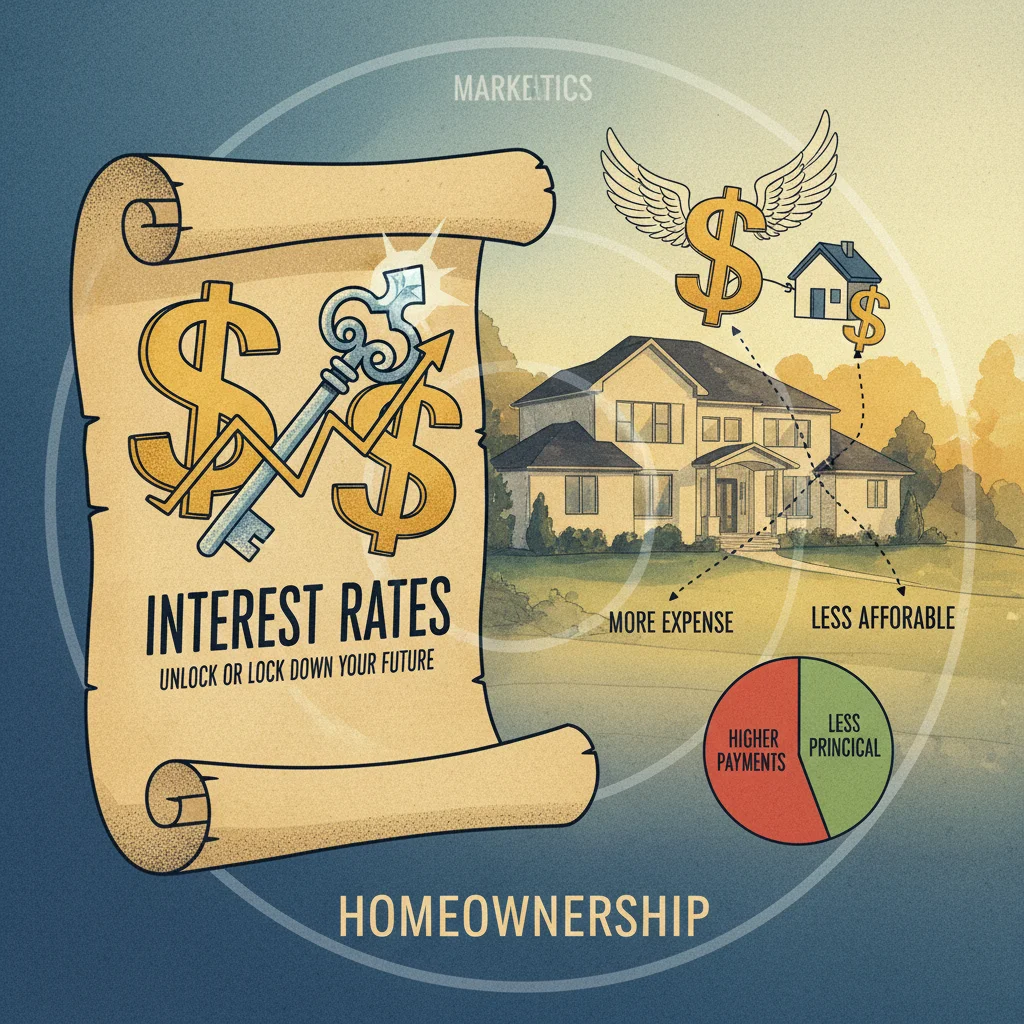
Mortgages are one of the most significant financial commitments for many. The impact of the Fed Rate Decision varies depending on whether you have a fixed-rate or adjustable-rate mortgage (ARM).
- Fixed-Rate Mortgages: These rates are largely influenced by long-term bond yields, which in turn are influenced by broader market expectations of future Fed actions and inflation. While not directly tied to the federal funds rate, a hike signals a tighter monetary policy, which can push fixed mortgage rates higher. A cut can lead to lower fixed rates. If you’re considering a new fixed-rate mortgage, or refinancing, monitor the Fed’s signals closely.
- Adjustable-Rate Mortgages (ARMs): ARMs are directly tied to an index, which often tracks short-term interest rates influenced by the federal funds rate. If the Fed raises rates, your ARM payments will likely increase when your adjustment period arrives. Conversely, a rate cut will likely lead to lower payments.
Auto Loans and Personal Loans
These loans are generally more directly impacted by the federal funds rate, especially for new loans. A Fed rate hike will translate to higher interest rates on new auto and personal loans, making them more expensive. A rate cut will make them cheaper. If you’re planning a major purchase requiring a loan, timing your application around the Fed Rate Decision could save you money.
Credit Card Interest Rates
Most credit cards have variable interest rates that are directly tied to the prime rate, which moves in lockstep with the federal funds rate. If the Fed raises rates, your credit card APR will likely increase, making carrying a balance more expensive. If the Fed cuts rates, your APR might slightly decrease. Prioritizing paying down high-interest credit card debt becomes even more critical during periods of rising rates.
Beyond Savings and Loans: Broader Economic Implications
The Fed Rate Decision extends its influence far beyond individual financial products, shaping the broader economic landscape.
Impact on Businesses and Investment
Businesses rely on borrowing for expansion, inventory, and operations. Higher interest rates increase the cost of capital, potentially slowing down investment and job creation. Lower rates encourage borrowing and investment, stimulating economic growth. The decision can also influence corporate earnings and stock market valuations.
Currency Exchange Rates
Higher interest rates in the U.S. can make dollar-denominated assets more attractive to foreign investors, leading to a stronger dollar. A stronger dollar makes U.S. exports more expensive and imports cheaper. Conversely, lower rates can weaken the dollar.
Consumer Confidence and Spending
The Fed’s actions can also affect consumer confidence. Rate hikes might signal concerns about inflation, potentially making consumers more cautious about spending. Rate cuts, conversely, might signal a need for stimulus, which could boost confidence and encourage spending.
Preparing for the January 2026 Fed Rate Decision: Actionable Steps
Regardless of the outcome of the January 2026 Fed Rate Decision, proactive financial planning is key. Here are some steps you can take:
Review Your Budget and Debt
Understand your current income, expenses, and debt obligations. Identify areas where you can reduce spending or accelerate debt repayment, especially high-interest credit card debt. This is crucial in any economic environment, but particularly when interest rates are volatile.
Assess Your Savings Strategy
- If Rates are Expected to Rise: Consider short-term CDs or high-yield savings accounts that will benefit from increasing rates. Delaying locking into long-term CDs might be beneficial.
- If Rates are Expected to Fall: Lock in current higher rates with longer-term CDs. Explore other investment options if savings yields become too low.
Evaluate Your Loans
- Variable-Rate Loans: Understand how increases or decreases in the federal funds rate will impact your monthly payments. Factor potential changes into your budget. Consider refinancing to a fixed-rate loan if rates are favorable and you desire payment stability.
- Fixed-Rate Loans: If rates are expected to fall, assess if refinancing could significantly lower your monthly payments. Be mindful of refinancing costs.
Diversify Your Investments
A diversified portfolio helps mitigate risks associated with interest rate fluctuations. Consult with a financial advisor to ensure your investment strategy aligns with your goals and risk tolerance, taking into account potential changes in the interest rate environment.
Stay Informed
Follow economic news and analyses from reputable sources. Understanding the Fed’s communications and the underlying economic data will help you make more informed financial decisions. The Fed’s statements often contain forward guidance about their future intentions, which can be invaluable.
The Fed’s Communication Strategy and Market Reaction
The Federal Reserve understands the immense power of its pronouncements. Therefore, alongside the actual Fed Rate Decision, the accompanying statement and the subsequent press conference by the Fed Chair are scrutinized for every nuance and hint about future policy direction. This is often referred to as ‘forward guidance.’
The FOMC Statement
This document details the committee’s decision on the federal funds rate and provides an assessment of the economic outlook. Key phrases about inflation, employment, and economic risks are carefully analyzed by market participants. Any changes in language from previous statements can signal a shift in the Fed’s stance.
Economic Projections (Dot Plot)
Quarterly, the Fed releases its Summary of Economic Projections (SEP), which includes individual FOMC members’ forecasts for GDP growth, unemployment, inflation, and, crucially, the federal funds rate. The ‘dot plot’ graphically illustrates these rate projections, offering insight into the committee’s collective thinking about the future path of interest rates. While the January meeting doesn’t always include an SEP, the March, June, September, and December meetings do, providing longer-term context.
Press Conference
The Fed Chair’s press conference provides an opportunity for clarification and elaboration on the FOMC’s decision and outlook. The Chair’s tone, emphasis, and responses to questions can significantly influence market reactions. Markets often react not just to the decision itself, but also to the perceived future trajectory of rates.
A clearer understanding of the Fed’s communication strategy can help you interpret market reactions and adjust your financial planning accordingly. Often, markets ‘price in’ expected Fed actions, so the real impact comes from unexpected decisions or shifts in forward guidance.
Long-Term Economic Outlook and the Fed’s Role
Beyond the immediate impact of the January 2026 Fed Rate Decision, it’s important to consider the Fed’s long-term objectives and how its actions contribute to the overall health and stability of the U.S. economy.
Navigating Economic Cycles
The Fed plays a crucial role in moderating economic cycles. During periods of rapid expansion and potential overheating, it uses rate hikes to prevent runaway inflation. During downturns or recessions, it employs rate cuts and other accommodative policies to stimulate growth and employment. The challenge lies in timing these interventions correctly and avoiding overshooting or undershooting the target.
Building Credibility
The Fed’s credibility is vital for its effectiveness. If market participants and the public trust that the Fed is committed to its dual mandate, their expectations for inflation and economic growth tend to align with the Fed’s goals, making monetary policy more potent. Consistent and transparent communication is key to maintaining this credibility.
Adapting to New Economic Realities
The economic landscape is constantly evolving. The Fed must adapt its tools and strategies to address new challenges, such as the rise of digital currencies, global pandemics, or significant geopolitical shifts. The January 2026 Fed Rate Decision will be made within the context of these ongoing adaptations.
Conclusion: Staying Agile in a Dynamic Financial Environment
The U.S. Federal Reserve’s January 2026 Fed Rate Decision is more than just a headline; it’s a critical juncture that will shape the financial environment for months to come. Whether the Fed opts to hold rates steady, increase them, or cut them, the repercussions for your savings, loans, and investment portfolio will be tangible.
By understanding the Fed’s mandate, the economic indicators it monitors, and the potential scenarios, you empower yourself to make informed financial decisions. Proactive planning – reviewing your budget, assessing your debt, optimizing your savings, and diversifying your investments – is your best defense against economic uncertainty and your best strategy for capitalizing on opportunities.
Remember, the financial world is dynamic. Staying informed, consulting with financial professionals, and maintaining a flexible approach to your personal finance strategy will ensure you are well-positioned to navigate the shifts brought about by this pivotal Fed Rate Decision and beyond.